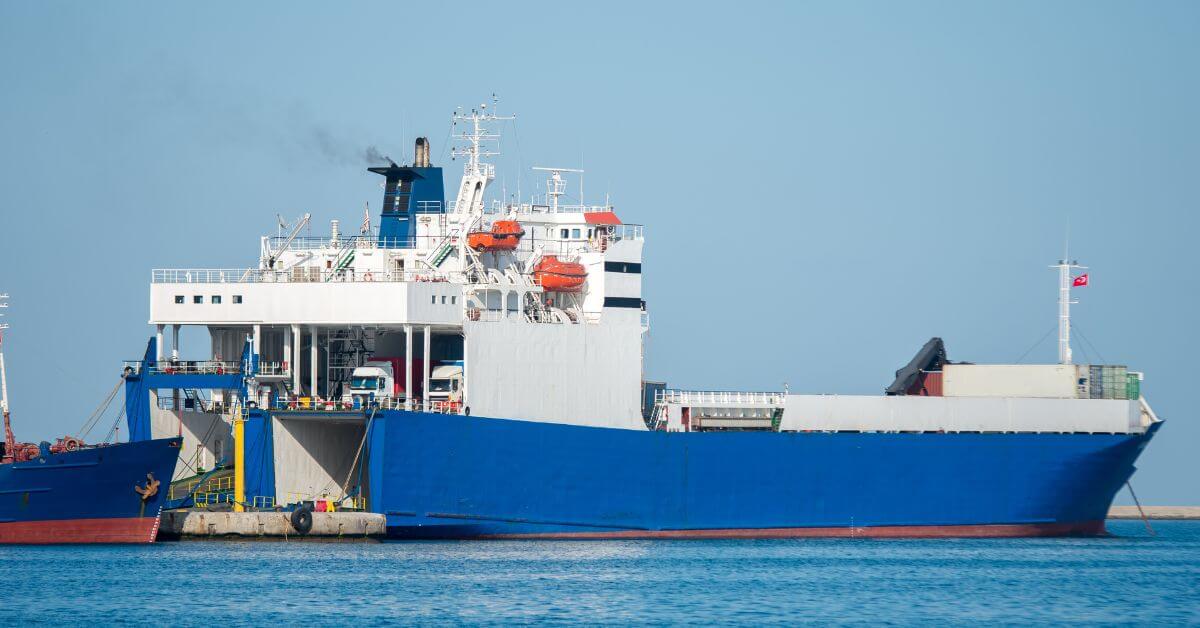
The shortage of roll-on/roll-off vessels is no longer a logistical footnote; it is the defining constraint on India's automotive export ambitions. As the West Asia conflict reroutes trade and tightens shipping capacity, the friction is measurable in delayed deliveries and missed windows. This is not a temporary bottleneck but a structural signal that the maritime supply chain, not just factory output, now dictates who sells where. For an industry that has spent years building its reputation on quality and cost, the hard lesson is that production excellence means little without guaranteed sea lanes.
This story connects directly to broader shifts in Indian Ocean connectivity and energy logistics. The same geopolitical pressure that is driving Gulf of Oman STS Transfers Max Out Amid Rising Saudi Oil Exports is also reshaping how and where ships dock. Meanwhile, the region is quietly becoming the backbone of digital and physical trade, as Integrated Subsea Infrastructure Shifts to Enhance Indian Ocean Connectivity and Integrated Subsea Cables Enhance Data Transmission Across the Indian Ocean demonstrate a parallel investment in resilience. These are not separate stories; they are the same narrative of a region forced to engineer around volatility. If data can be rerouted and oil transfers can max out, then automotive exports must be viewed through the same lens of adaptive infrastructure.
Our take is direct: India's automotive sector cannot rely on market forces alone to solve its shipping problem. The current shortfall is a function of geopolitical risk, and that risk is not cyclical but persistent. Automakers and exporters who treat vessel availability as an operational detail rather than a strategic variable will find themselves at the mercy of freight brokers and foreign flag carriers. The practical move is to lock in long-term charters, diversify port pairs, and invest in multi-modal corridors that reduce dependence on a single chokepoint. This is not about panic; it is about calibration. The data on ship availability is clear, and the response must be equally empirical.
What we would tell any reader asking for guidance is simple: treat shipping capacity as a climate indicator. Just as Integrated Subsea Cables Enhance Data Transmission Across the Indian Ocean shows how digital flows adapt to geopolitical friction, so must physical flows. The specific consequence to watch is the next quarter's port congestion data from Chennai and Mundra. If vessel arrivals remain depressed while order books stay full, expect price adjustments on exported models and a quiet but significant shift toward regional assembly. That is the concrete point that will define the next 18 months, and it is a variable that can be measured, validated, and acted upon now.