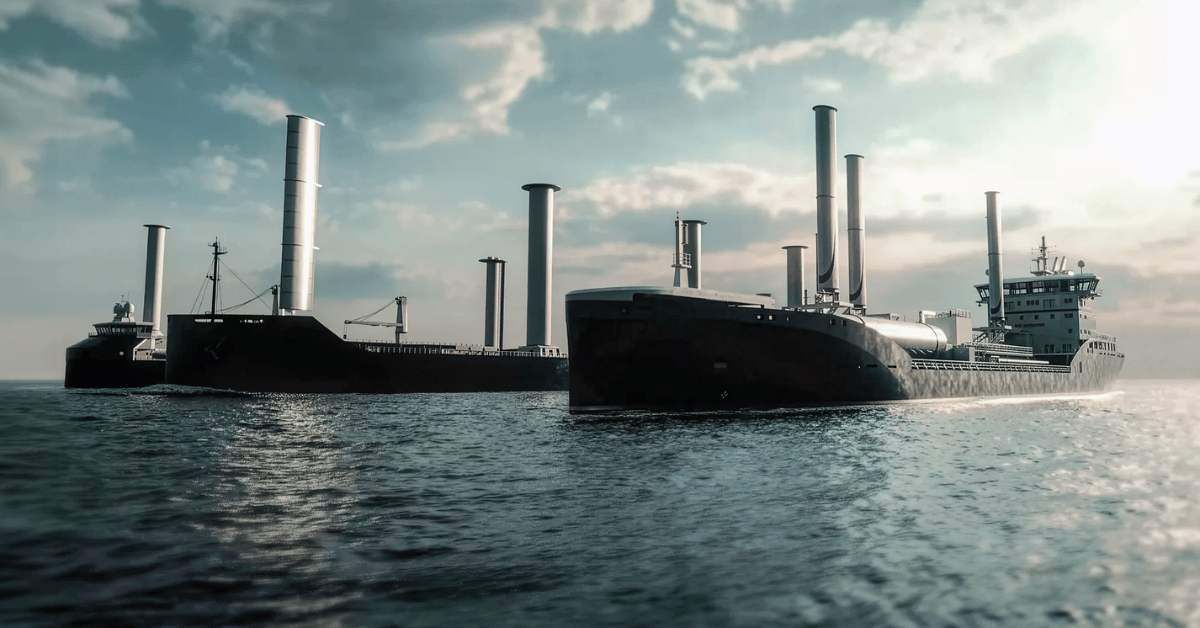
The ocean is a demanding teacher, and the shipping industry has been a slow learner. Norway's new NOK 68 million WINTEGRATE project, however, suggests we are finally ready to take notes. By integrating wind propulsion directly into a ship's existing operational systems, this initiative moves beyond the romanticism of sails and into the practical realm of calibrated engineering. This is not about returning to the past; it is about refining the future. The goal is not simply to catch the wind, but to make every kilowatt and knot count in a measurable way, a principle that resonates across the maritime sector.
For our readers tracking the broader health of the ocean economy, this project connects to a larger narrative about how we observe and manage our impact. We have long accepted that the ocean is critically under-observed, but as we discussed in Bridging Data Gaps: Integrating Citizen Science for Ocean Intelligence, the gap between what we know and what we measure is where inefficiency hides. Wind-assisted shipping is a direct response to that inefficiency. Similarly, the data infrastructure supporting global trade is expanding, as seen with the new cables laid across the Indian Ocean in Integrated Subsea Cables Enhance Data Transmission Across the Indian Ocean. WINTEGRATE is the logical next step: applying that same spirit of integration to the vessels themselves, ensuring that the hardware and software speak the same language.
Our honest take is that this project's value lies in its restraint. It does not promise a zero-emission future overnight, nor does it claim to have solved the fuel problem. Instead, it focuses on the unglamorous work of integration, ensuring that wind power does not fight against the ship's engine but complements it. For shipping operators, the practical takeaway is clear: fuel savings are not just about the source of power, but the intelligence of its deployment. We would tell a reader asking about this that the real story is not the sail, but the sensor. The project's success will be measured in the longitudinal data it produces, the peer-reviewed results it publishes, and its ability to prove that wind assistance is a reliable, predictable part of the propulsion mix. Watch for the initial performance reports; they will tell us if we are truly on the verge of a new age of sail or just running a well-funded experiment in a strong breeze.