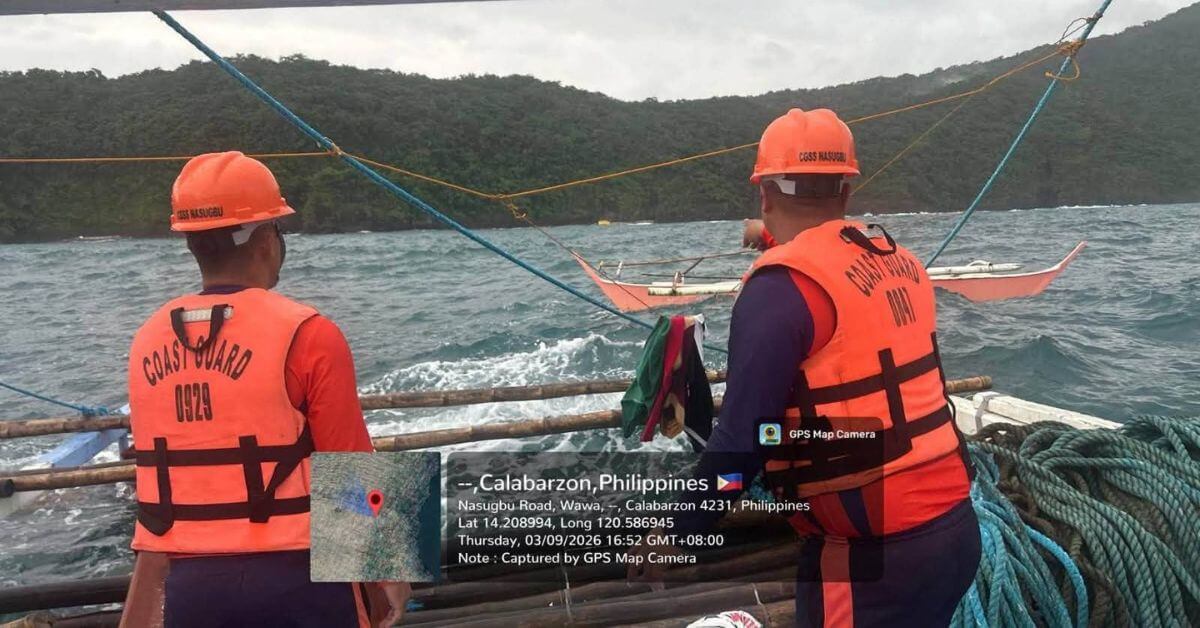
A container spill off Nasugbu is the kind of incident that looks contained on a map but rarely is in the water. The Philippine Coast Guard has begun recovery operations near Hamilo Point, and that response matters. But for anyone who follows maritime logistics, this is not a standalone failure. It is a stress test on a system that moves millions of boxes a year, where a single ship's misfortune can ripple into fishing grounds, shipping lanes, and coastal communities. We track these events not because they are rare, but because they force us to ask whether our monitoring and recovery protocols are calibrated to reality or merely to paperwork. The same week, a Cargo Ship Fire Prompts Evacuation Near Mykonos; Incident Under Investigation, reminding us that the ocean does not distinguish between fire and flotsam when it comes to risk.
The immediate concern is what fell and where it drifts. Containers lost overboard are not just cargo; they are hazards to navigation, potential sources of marine debris, and sometimes worse if they carry hazardous materials. The Coast Guard's warning to other ships is prudent, but it also highlights a deeper gap. We do not always know what is inside every box, and we rarely have real-time visibility once a vessel lists. This is where the industry's broader investments matter. Consider the Cochin Shipyard Expands Design Capabilities with Conoship Equity Stake, a move that signals a long-term bet on smarter vessel design. Better stability, improved lashing systems, and more resilient hulls are not glamorous, but they are the kind of empirical, preventative measures that reduce the odds of a spill in the first place. And when incidents do occur, the data collected from recovery operations should feed directly into those design and routing decisions.
What would we tell a reader who asks whether this is a cause for alarm? Not yet. But it is a cause for calibration. Every spill, every fire, every near-miss is a data point. The question is whether the industry treats it as such or files it away as an isolated event. We also see a parallel in the Russia Calibrates Export Revenue for Northern Sea Route Icebreaker Fleet, where the logic of risk and reward is being recalculated for new operating environments. If Arctic routes demand new financial models for icebreakers, then busy tropical lanes demand equally rigorous risk models for container integrity and spill response. Both are about anticipating what happens when assumptions meet the open ocean.
The concrete point to watch is not the number of containers recovered, but the speed and transparency of the assessment. How long until the Coast Guard or the shipping line confirms the contents? How quickly do they publish the lashing records and the vessel's stability data? Those details will tell us whether the system is learning or just reacting. The ocean is not a courtroom, but it does demand evidence. For now, the recovery is underway, and the warning to other ships is correct. But we should hold this incident up as a reminder that every box we cannot track is a gap in our ocean intelligence. The takeaway, stated plainly: demand the data, and do not let the next spill be the one that teaches us what we should have already measured.