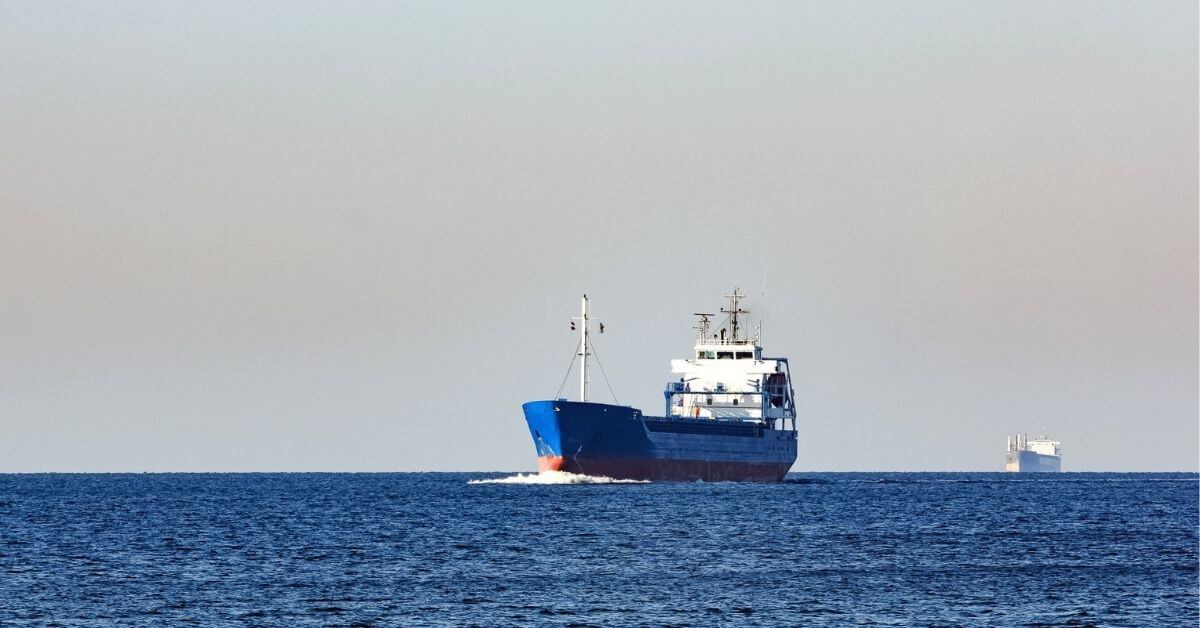
The Strait of Hormuz is a narrow passage with an outsized role in global energy security, and when a bulk carrier becomes the subject of judicial proceedings there over alleged oil and sludge discharge, the incident deserves more than a headline. The vessel remains under investigation by Iranian authorities, who have stated that the pollution has been cleaned up. That statement is the crux of the matter. Cleanup is reactive; it addresses the visible slick, not the systemic failure that allowed the discharge in the first place. This is not about assigning hasty blame, but about the integrity of the data that should be driving these decisions.
Incidents like this do not occur in a vacuum. They are part of a broader pattern of pressure on the maritime industry, where commercial imperatives often run ahead of environmental safeguards. We have recently seen how Gulf of Oman STS Transfers Max Out Amid Rising Saudi Oil Exports, a logistical bottleneck that increases the risk of operational errors and shortcuts. Similarly, the Cargo Ship Fire Prompts Evacuation Near Mykonos; Incident Under Investigation reminds us that mechanical failures and human error remain constant threats even in well-trafficked European waters. And while the Bulk Carrier Freed After Prolonged Grounding Near Gladstone, Australia ended without reported pollution, it highlighted how quickly a vessel can find itself in a position of environmental risk. The common thread is that these are not isolated events; they are stress tests on a global system that is often only as strong as its weakest operational link.
Our take is straightforward: the fact that the pollution has been cleaned up is not the end of the inquiry; it is the beginning of a more difficult set of questions. For shipowners and operators, the practical takeaway is that compliance cannot be a box-ticking exercise. The international community is watching, and judicial proceedings in strategically vital chokepoints carry consequences that extend far beyond legal fees. They affect insurance, chartering decisions, and the long-term reputation of the shipping lines involved. For the rest of us, this is a reminder that ocean intelligence means having real-time, peer-reviewed data on vessel movements and discharge patterns, not just after an incident, but as a preventative measure.
The open question we would put to any reader is not whether the ship was guilty, but whether the industry's current monitoring and reporting frameworks are calibrated to catch these failures before they require a judicial response. The specific detail to watch is whether the investigation in Iran produces a public, empirical finding on the source of the sludge. If it does, it will set a precedent for accountability in a region where commercial traffic often moves faster than regulation. If it does not, then the cleanup is just a footnote in a larger story about the limits of maritime governance. That is the point that will define whether this incident becomes a case study in enforcement or a missed opportunity for prevention.