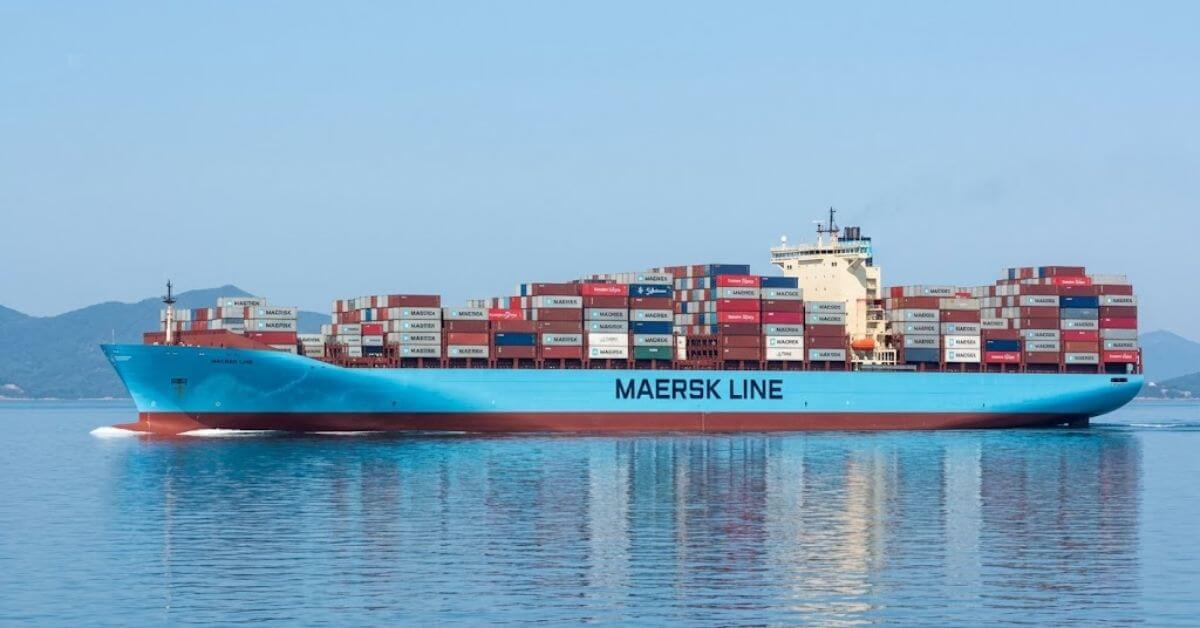
The announcement that AP Moller-Maersk is considering direct investment in Bangladesh's shipbuilding industry is not merely a corporate headline; it is a signal that the maritime sector is finally aligning its industrial capacity with its stated environmental responsibilities. For years, the conversation around shipping's future has been dominated by fuel transitions and operational efficiency. But the physical assets themselves, the ships, and the conditions under which they are built and eventually retired, represent the next great test of the industry's commitment to a truly circular economy. Maersk's interest in both new construction and recycling within the same national framework suggests a rare, longitudinal view of a vessel's entire lifecycle.
This move should be read alongside other regional developments that underscore a broader recalibration of maritime power and capability. As India Projects Expanded Naval Fleet to Navigate Evolving Maritime Landscape prepares for a more contested environment, and as collaborative efforts like the Collaborative Shipbuilding Initiative Advances Ocean Data Capabilities in India push for more integrated industrial clusters, the Bay of Bengal is emerging as a critical node in both security and commercial terms. Bangladesh's shipbreaking yards have long been the final stop for many of the world's vessels, often under conditions that drew international scrutiny. Maersk's potential investment reframes this narrative: instead of merely outsourcing the end-of-life problem, the company appears to be exploring a model where the same geographic and labor advantages that make recycling viable could also support efficient newbuilds.
Our take is that this is a pragmatic and overdue admission that the industry cannot decarbonize in a vacuum. You cannot separate the carbon intensity of a ship's operation from the integrity of its construction or the ethics of its disposal. If Maersk moves forward, the immediate benefit is not just additional tonnage but the potential for calibrated, peer-reviewed safety and environmental standards to be embedded from the keel up. For our readers, particularly those in policy and logistics, the practical consequence is clear: the next decade will reward companies that can demonstrate integrated data ecosystems spanning build, operation, and dismantling. The challenge will be ensuring that the push for efficiency does not repeat the mistakes of the past, where cost-cutting in construction led to higher risks later.
We would tell a reader asking about this news to watch the specific terms of the investment, particularly regarding recycling infrastructure. The open question is whether Maersk will demand international certifications and monitoring, or whether it will accept local standards. The specific detail to watch is whether this investment includes a commitment to green recycling, meaning the use of beaching alternatives or gravity drydocks. If Maersk is serious, it will use its leverage to set a new benchmark for the region, proving that economic growth and environmental integrity are not competing priorities but mutually reinforcing ones. The industry has talked about this for years; the real test is whether the financial commitment matches the rhetoric.