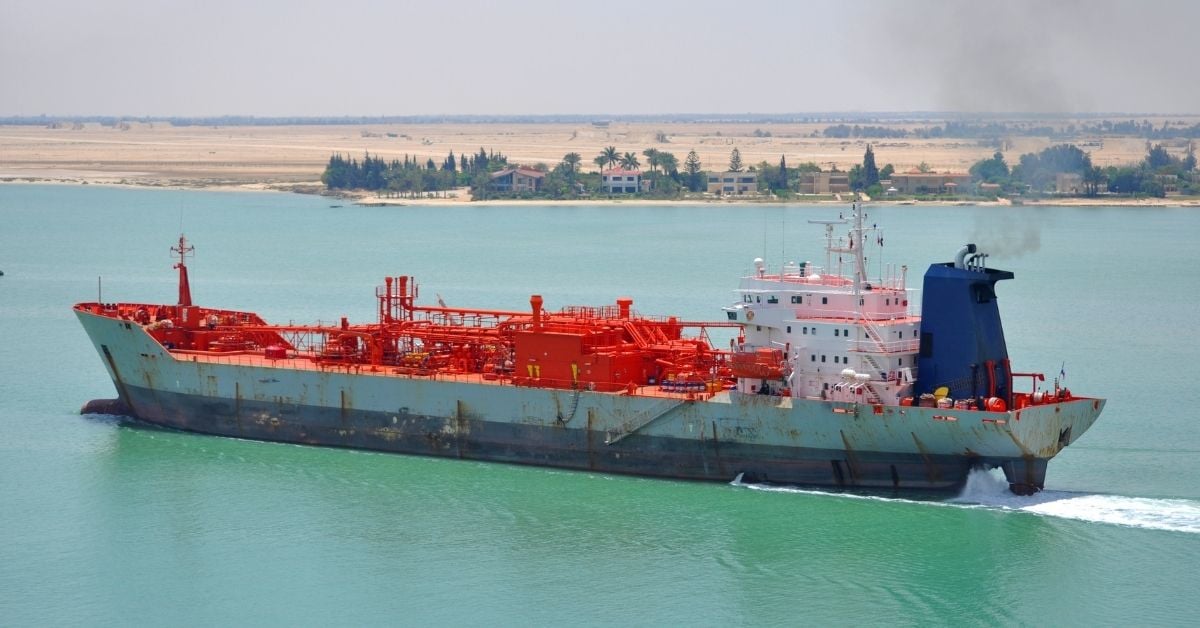
The Strait of Hormuz is not a sidebar to the global energy system; it is the system's pressure valve. When the Supreme Leader of Iran, Mojtaba Khamenei, calls on Muslim nations to recognise their "real enemy" and confront it together, he is not merely issuing rhetoric. He is reframing the terms of engagement for every tanker, every insurance underwriter, and every logistics officer watching the Gulf of Oman STS Transfers Max Out Amid Rising Saudi Oil Exports. Those transfers have already hit capacity, a sign that commercial actors are quietly rerouting around a chokepoint they suspect will become a bargaining chip. We see the same logic in the Phased Negotiations Aim to Ease Restrictions on Strait of Hormuz, where the United States and Iran are reportedly exploring a phased deal. The market is not waiting for a headline; it is pricing in a future where access is conditional, not guaranteed.
Our read is that Khamenei's statement is less about theology and more about leverage. By framing the conflict as a unified Muslim responsibility, he is attempting to shift the narrative from a bilateral standoff with Washington to a broader alignment that complicates any US-led coalition's freedom of navigation. That is a direct challenge to the operational assumptions our readers rely on daily. If you are a charterer or a port operator, you cannot file this under geopolitics and move on. The practical question is whether the current STS max-out in the Gulf of Oman is a temporary workaround or a structural shift. We would tell any reader who asks: watch whether those transfers remain at ceiling. If they do, it means the private sector has already concluded that Hormuz restrictions are not a hypothetical, and the phased negotiations are merely a diplomatic veneer over a hardened reality.
There is also a colder, commercial subtext here that ties into the Vostok Project Launches Arctic Oil Exports Amid Geopolitical Shifts. Russia's Vostok project is finally exporting, and its existence is a direct hedge against the same instability that Iran is now amplifying. That is not a coincidence; it is a portfolio decision made by state actors who know that Hormuz is a recurring variable. The Arctic route is slower and more expensive, but it does not require a naval escort to pass through a strait where a single mine or a misread radar contact can spike premiums overnight. The convergence of these three stories tells us something our industry often resists: energy security is no longer about finding reserves, it is about managing access. And access is being weaponised in real time, whether through Iranian rhetoric, US sanctions, or Russian arctic alternatives.
Here is the takeaway we would leave with any professional in this field: do not wait for the diplomatic outcome to revise your risk models. The ceiling on STS transfers is a measurable, empirical signal that the market has already moved beyond the political narrative. The one detail to watch is the next round of phased negotiations, specifically whether they include tangible verification mechanisms for tanker tracking, or whether they remain a framework with no calibrated enforcement. If the former happens, we will see a thaw in freight rates. If the latter, expect the Gulf of Oman to remain at maximum capacity, and expect that capacity to become the new normal. Base your next quarter on the data, not the speeches. The ocean intelligence is already telling you which way the current is moving.