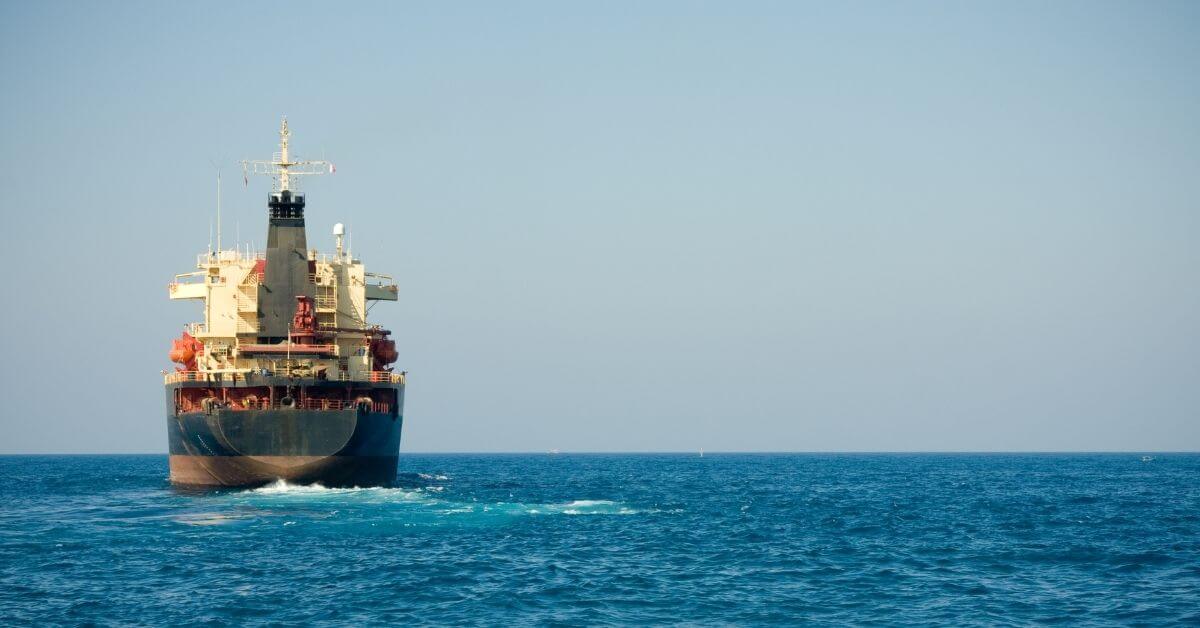
A single vessel's course reversal in the Strait of Hormuz is rarely just a local incident. When the tanker HAANA turned back after a large Iranian warship issued a warning near the southern "Oman corridor," it became a live data point in a much larger equation. For those of us who track maritime risk for a living, this is not an isolated moment of tension; it is a measurable signal within an integrated data ecosystem that now includes Eighty Nations Urge Reopening of Vital Strait of Hormuz Shipping Lane and the diplomatic track behind Phased Negotiations Aim to Ease Restrictions on Strait of Hormuz. The warning itself is empirical evidence that the waterway remains a calibrated pressure gauge, not a closed valve.
Let us be precise about what happened. The HAANA did not attempt a reckless dash through the main channel. It used the southern route, a lane often perceived as the safer bet for commercial traffic. A large Iranian warship disagreed, and the tanker complied, turning back. This is not alarmism; it is operational reality. The Strait of Hormuz is not a theoretical chokepoint in a textbook. It is a physical corridor where the difference between a warning and an escalation is measured in nautical miles. For shipping companies and insurers, the practical takeaway is that risk assessments must now account for unpredictable interdictions, not just announced restrictions. The recent news that Gulf of Oman STS Transfers Max Out Amid Rising Saudi Oil Exports adds another layer: as ship-to-ship transfers reach capacity, the pressure to move crude through the strait itself will only intensify, making each passage more consequential.
Our honest take is that we are watching a gap form between diplomatic rhetoric and on-water behavior. Negotiations may aim to ease restrictions, and eighty nations may issue joint calls for reopening, but the HAANA incident shows that enforcement can remain local, unpredictable, and unilateral. This is the space where climate indicators and geopolitical risk converge: every barrel delayed, every route altered, has downstream effects on global energy flows and, ultimately, on the stability that underpins ocean intelligence. We would tell our readers to stop looking for a single headline and start watching the pattern of these warnings. One tanker turning back is a data point. A series of them is a trend. The concrete point to watch is whether Iran begins issuing formal advisories for the Oman corridor, or whether this remains an ad hoc deterrent. That distinction will tell us more than any negotiation update. For now, the HAANA's course change is a reminder that in these waters, the most reliable navigational tool is still a clear understanding of who holds the right of way, and who is willing to enforce it.