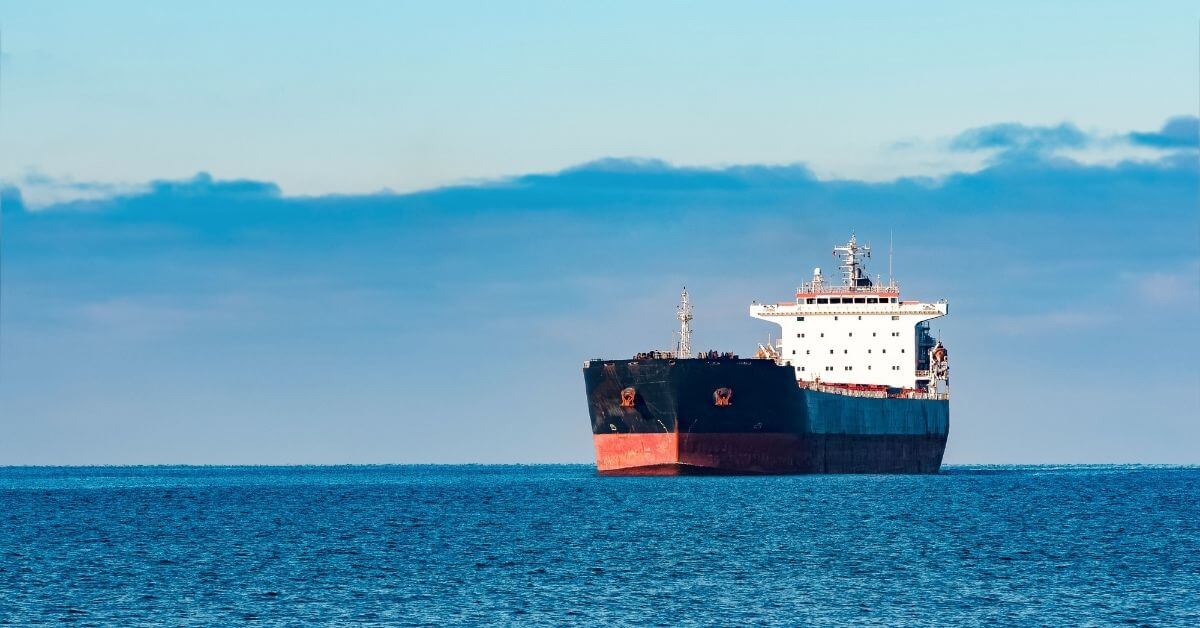
The Strait of Hormuz is not a theoretical abstraction. It is a measured, physical corridor through which a fifth of the world's oil moves daily, and when its status shifts from open to contested, the consequences are not confined to tanker routes. Iran's characterization of new U.S. sanctions as "economic terrorism" is sharp, but the real signal is the acknowledgment that these measures place the health and livelihoods of millions of civilians at risk. This is not hyperbole; it is the logical endpoint of a policy that treats a maritime chokepoint as a lever. The phased negotiations aimed at easing restrictions on the Strait of Hormuz suggest that both sides understand the cost of prolonged closure, yet the gap between diplomatic language and operational reality remains wide.
For our readers, the practical takeaway is that this is not a distant geopolitical drama but a direct variable in global logistics and energy security. The related Gulf of Oman STS transfers maxing out amid rising Saudi oil exports shows that the system is already adapting to constrained routes, but adaptation has its limits. When ship-to-ship transfers reach capacity, the margin for error disappears. The call by eighty nations to reopen the vital shipping lane is not a diplomatic courtesy; it is an acknowledgment that the current trajectory is unsustainable. The question is not whether the Strait will reopen, but under what calibrated conditions, and at what cost to the civilian populations Iran claims to be protecting.
Our honest take is this: the language of "economic terrorism" is designed to frame the debate in moral terms, but it obscures a more complex operational picture. Sanctions are a blunt instrument, and when applied to a state that controls a strategic waterway, they risk producing the exact behavior they aim to prevent. The phased negotiation framework offers a rational path, but it requires both sides to separate the optics of posturing from the mechanics of verification. For shipping operators, insurers, and energy traders, this means watching not just the headlines, but the data on vessel diversions, insurance premiums, and STS transfer volumes. Those are the empirical indicators of whether the situation is de-escalating or merely shifting.
The specific consequence to watch is whether the phased talks produce a time-bound commitment to reopen the Strait, or whether they become a stalling mechanism. If the eighty-nation coalition holds together, the diplomatic weight may force a measurable outcome. But if the negotiations drag without a clear endpoint, the risk of miscalculation rises, and the cost of that is not measured in barrels or basis points, but in the stability of a region where the ocean is not a metaphor. It is a working environment, and it is currently under duress. That is the reality our readers should prepare for, not with alarm, but with the precision of a mariner reading a tide table.