shipbuilding
54 stories filed under shipbuilding on World Data Ocean. The newest of them: “Maersk Vessel Arrives at L&T's Kattupalli Yard to Advance Indian Ship Repair”, “India's Private Shipyard Delivers First Multipurpose Naval Vessel INS Samarthak”, and “Canada's largest polar icebreaker begins construction to expand Arctic ocean intelligence”. A Maersk vessel will arrive at L&T's Kattupalli yard on 20 October, marking a tangible step toward strengthening India's ship repair capabilities. On October 16, 2026, the Indian Navy commissioned INS Samarthak, the first multipurpose naval vessel built by a private Indian shipyard. A Global Hub for Ocean Intelligence 4 World Data Ocean is a centralized digital platform where researchers, scientists, and ocean enthusiasts converge to… The list below is every shipbuilding story on World Data Ocean, newest first.
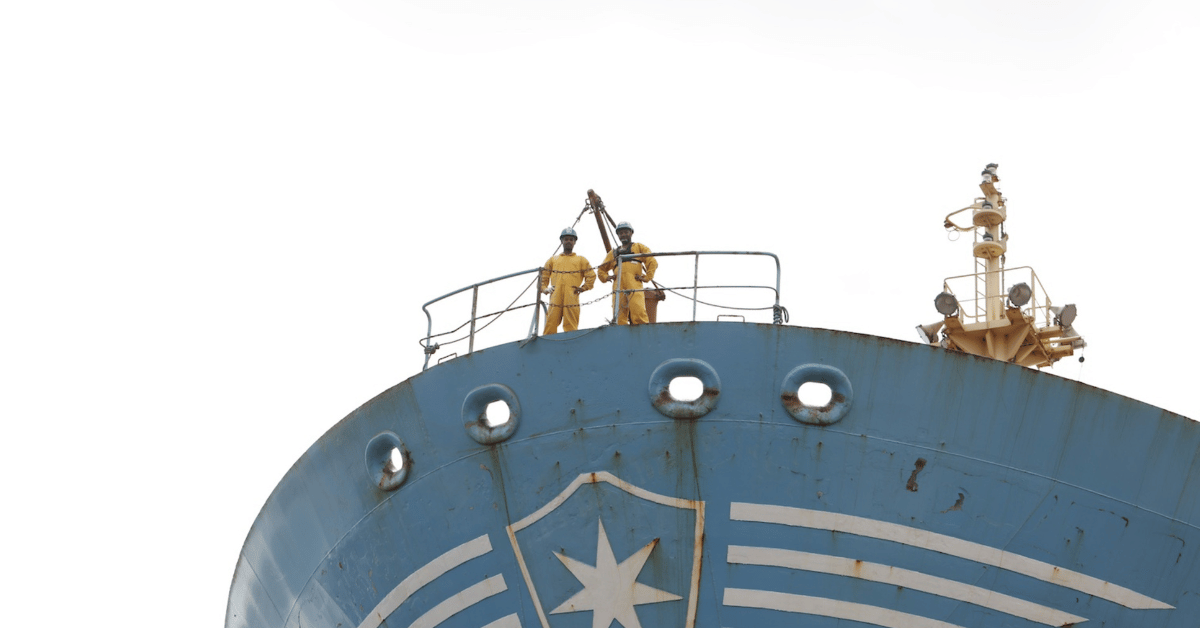
Maersk Vessel Arrives at L&T's Kattupalli Yard to Advance Indian Ship Repair
A Maersk vessel will arrive at L&T's Kattupalli yard on 20 October, marking a tangible step toward strengthening India's ship repair capabilities. The partnership between Maersk and L&T signals a calibrated expansion of integrated maritime infrastructure. Measurable progress in commercial repair capacity supports the broader ocean intelligence ecosystem. For deeper context on India's growing shipbuilding expertise, see our coverage of the INS Samarthak delivery.
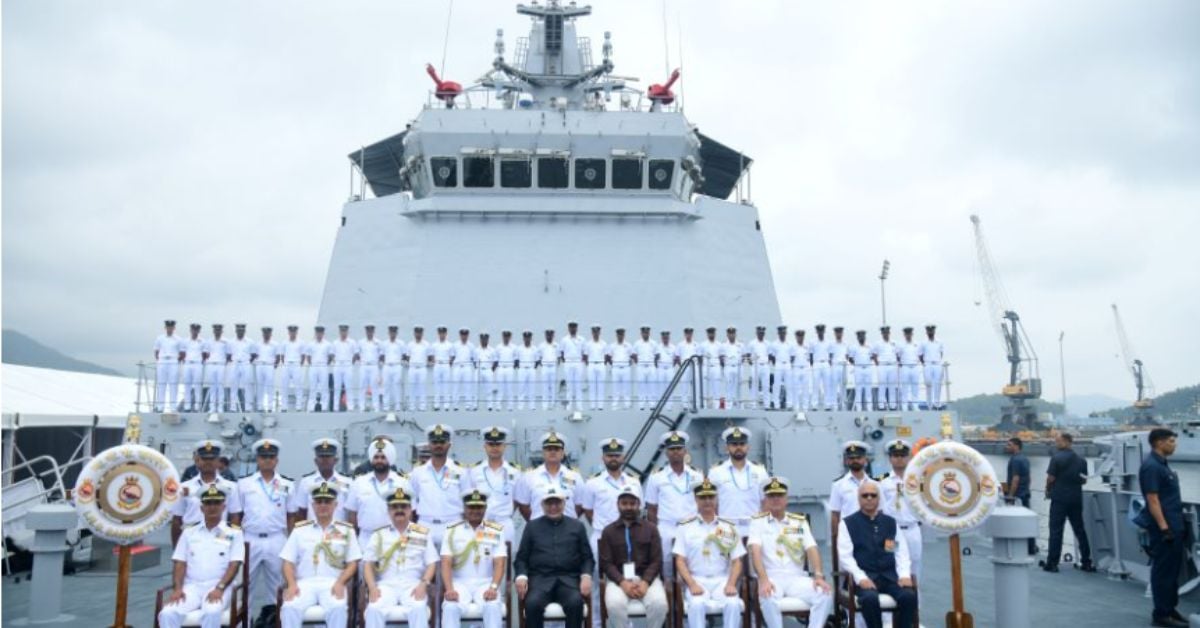
India's Private Shipyard Delivers First Multipurpose Naval Vessel INS Samarthak
On October 16, 2026, the Indian Navy commissioned INS Samarthak, the first multipurpose naval vessel built by a private Indian shipyard. This milestone validates the country's growing capacity for indigenous, integrated naval construction. Measurable progress in maritime sovereignty demands such calibrated steps. For a parallel in polar capability, see our coverage of Canada's largest polar icebreaker, CCGS Imnaryuaq, now under construction to expand Arctic ocean intelligence.
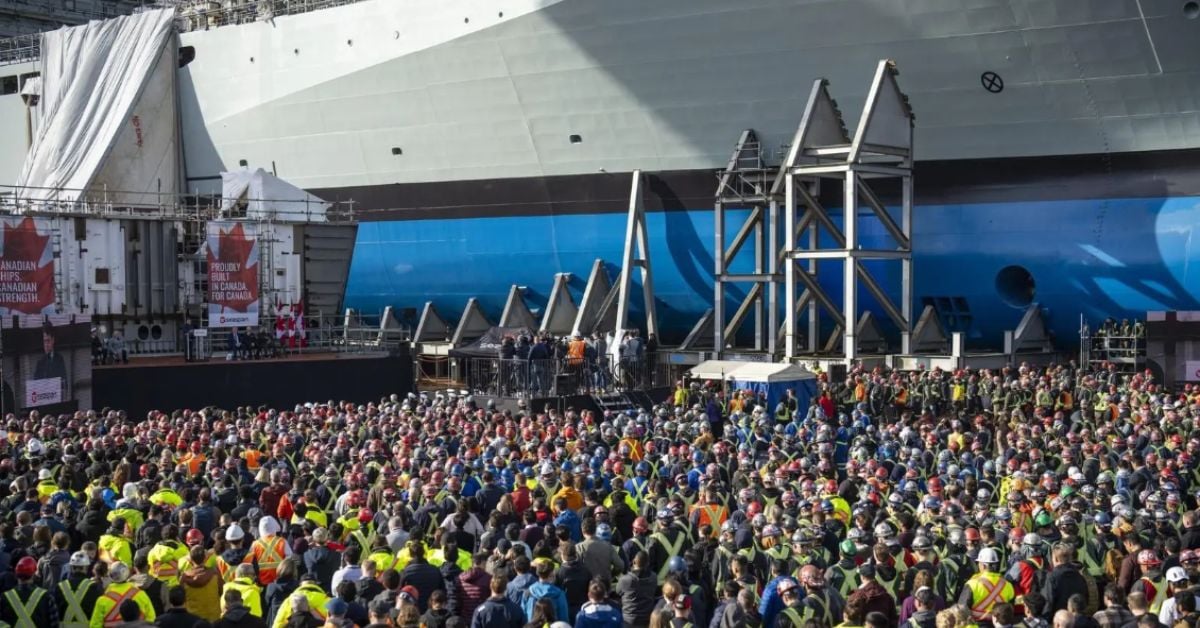
Canada's largest polar icebreaker begins construction to expand Arctic ocean intelligence
Canada's largest polar icebreaker, the future CCGS *Imnaryuaq*, has begun construction, a calibrated step toward expanding year-round ocean intelligence in the Arctic. This vessel will establish a commanding presence in waters where empirical data is scarce but urgently needed. Understanding drives protection, whether in the Arctic or on coral reefs. For deeper insight into how microscale environments shape restoration, see our related coverage on coral reef pathways.
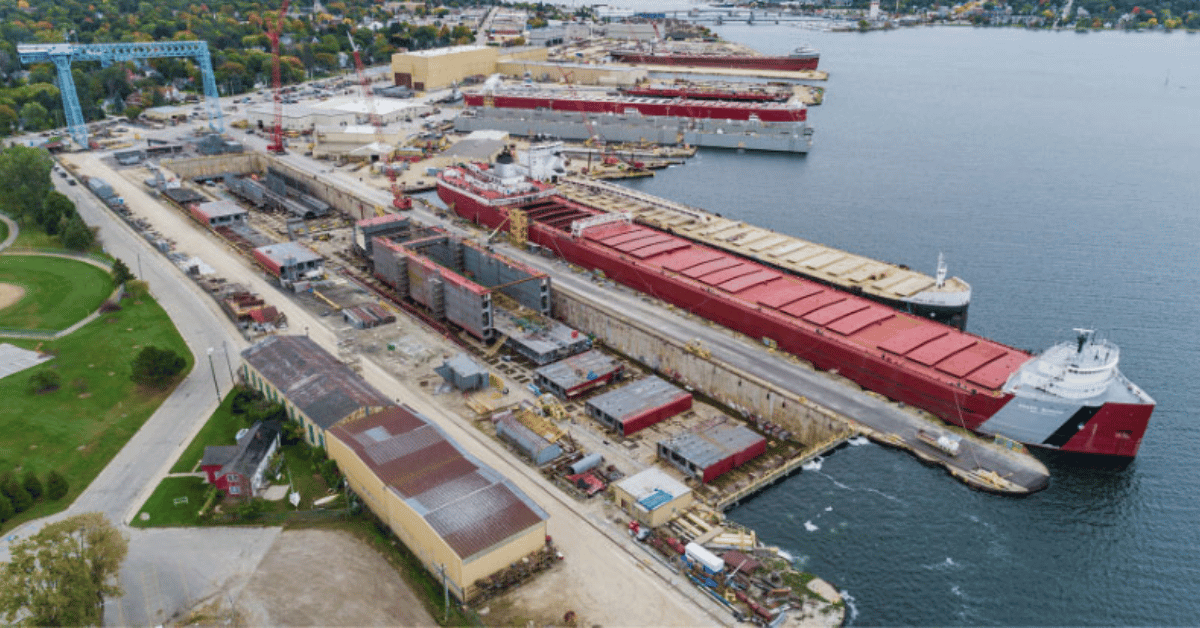
Fincantieri commits nearly €100 million to robotic shipyard intelligence
Nearly €100 million is a serious bet on a single question: can a shipyard think for itself? Fincantieri's BOOST² program plans to integrate AI, robotics, and automation across its facilities to sharpen productivity and safety. This is measurable industrial evolution, not speculative hype. The investment treats shipbuilding as an integrated data ecosystem where real-time intelligence drives every weld and hoist. For context on how digitalisation is reshaping maritime safety, read our coverage of the AI and digitalisation pact between China Merchants Energy Shipping and RINA.
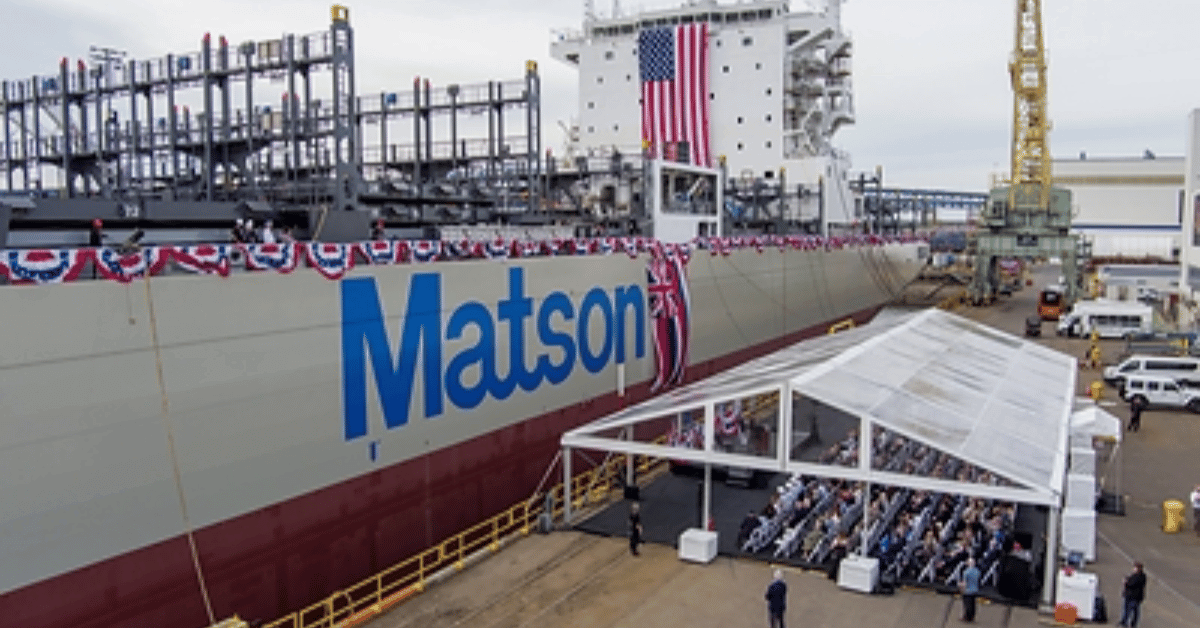
LNG-Ready Makua Christened, Advancing Measurable Fleet Modernisation
Matson's christening of the *Makua* marks a measurable step forward in fleet modernisation. This first LNG-ready containership, built under a $1 billion programme, integrates validated technology that supports decarbonisation without sacrificing operational integrity. For readers tracking parallel innovations, our coverage of Fincantieri's nearly €100 million investment in robotic shipyard intelligence offers another calibrated example of how empirical progress is reshaping maritime infrastructure. Understanding drives protection, and these investments are built on data, not hype.
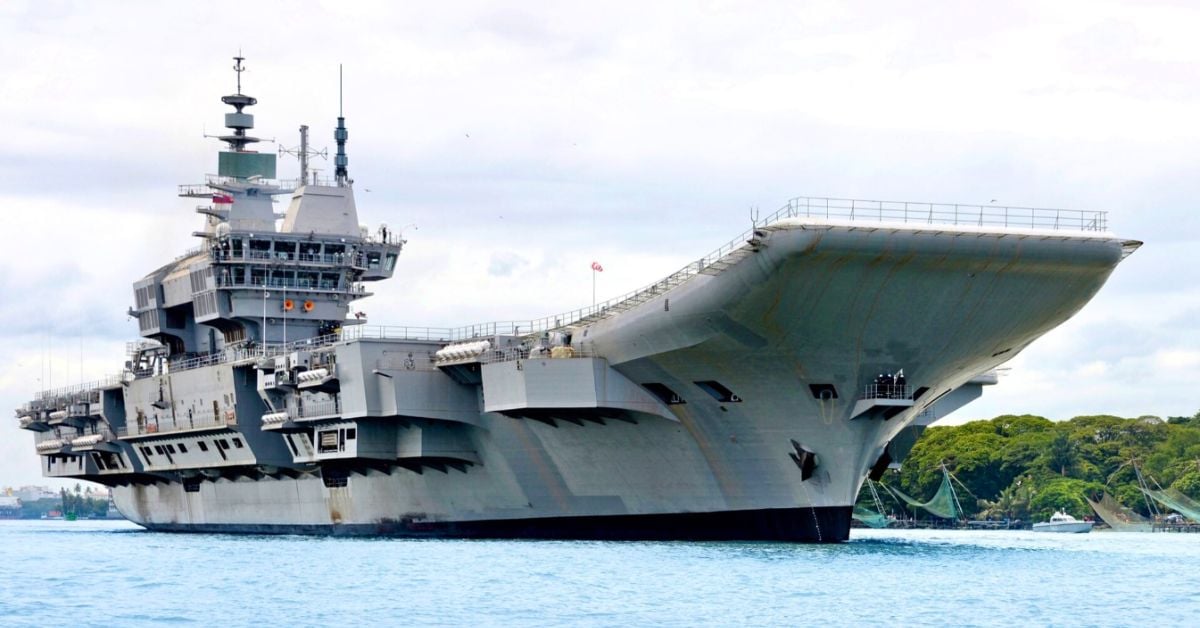
INS Vikrant model docks in Thiruvananthapuram as tribute to indigenous naval capability
A large-scale model of INS Vikrant now stands in Thiruvananthapuram, a tribute from the Indian Navy to the nation's first indigenously built aircraft carrier. The dedication anchors a broader push toward self-reliance in maritime defense, one that extends beneath the surface, as seen in India's deployment of military-grade ROVs to advance ocean intelligence. Understanding drives protection, and here, that principle is cast in steel and scale.
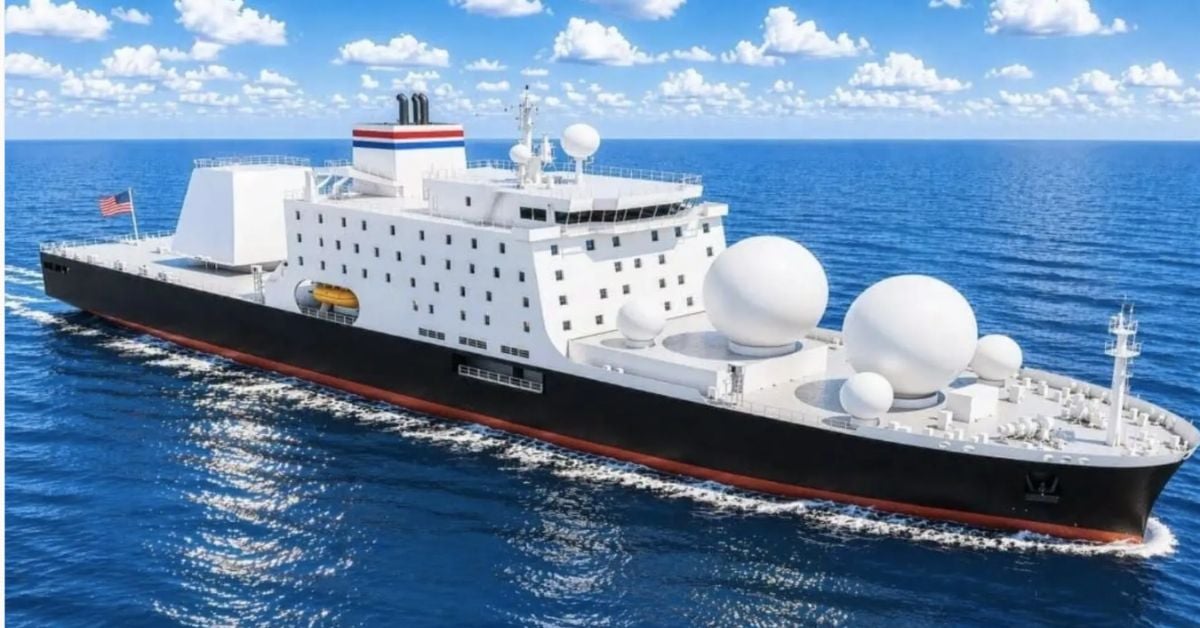
New Pacific missile-tracking vessel set for 2030 launch under shipyard agreement
A new missile-tracking vessel for the U.S. Navy is set for launch by 2030, following a shipyard agreement between Hanwha Philly Shipyard and TOTE Services. This marks a measured, strategic investment in Pacific maritime awareness. For deeper context on evolving naval capabilities, see our coverage of the Ohio-class submarine relocation, which signals a similarly deliberate shift in regional posture. Understanding drives protection, and this vessel adds a calibrated layer of ocean intelligence.

Four-legged robot scales ship hulls to perform precision welding at sea
A four-legged robot now climbs ship hulls to perform precision welding at sea, a feat Kawasaki Heavy Industries has made real. This is not a concept; it is a validated, real-time application of robotics in one of the most demanding industrial environments. The work is empirical, measurable, and it changes how we approach vessel maintenance. For context on where the maritime industry is investing, see our coverage of the new $6.6 billion Maryland shipyard.
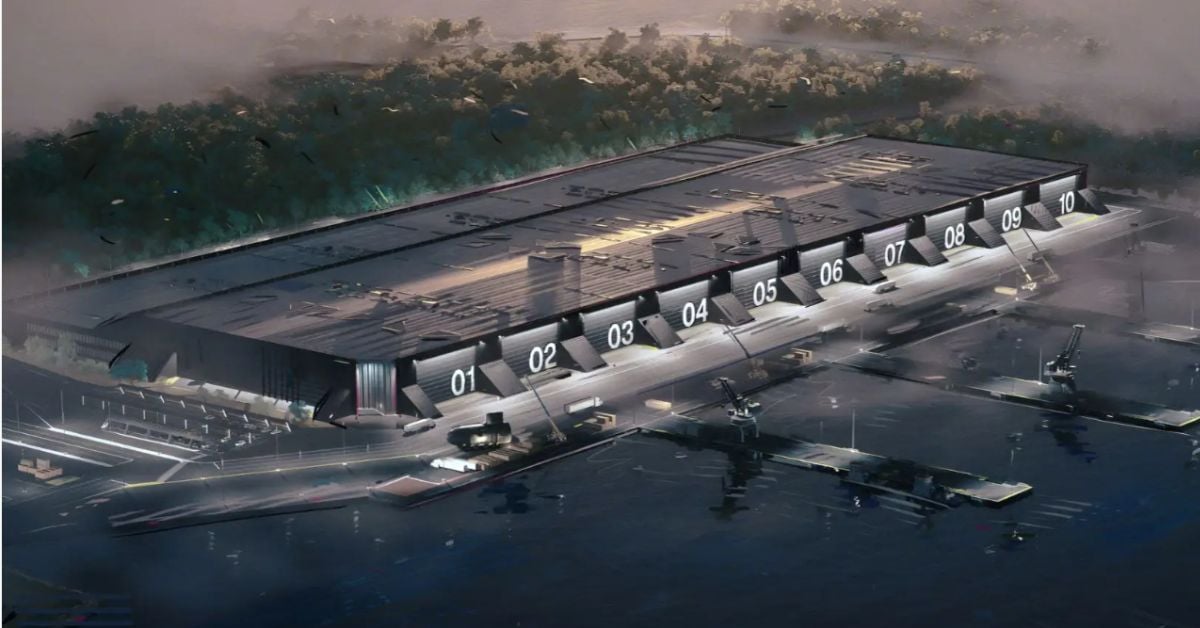
$6.6 Billion Maryland Shipyard Marks Largest U.S. Maritime Investment Since WWII
A $6.6 billion shipyard in Maryland, the largest U.S. maritime investment since World War II, signals a calibrated, long-term commitment to rebuilding national shipbuilding capacity. This is not about short-term gains; it is a measurable investment in ocean intelligence and maritime readiness. For context on shifting naval demands, read our coverage of the Navy's longest carrier deployment in decades. Understanding drives protection. From shipyard to sea, the work is integrated.
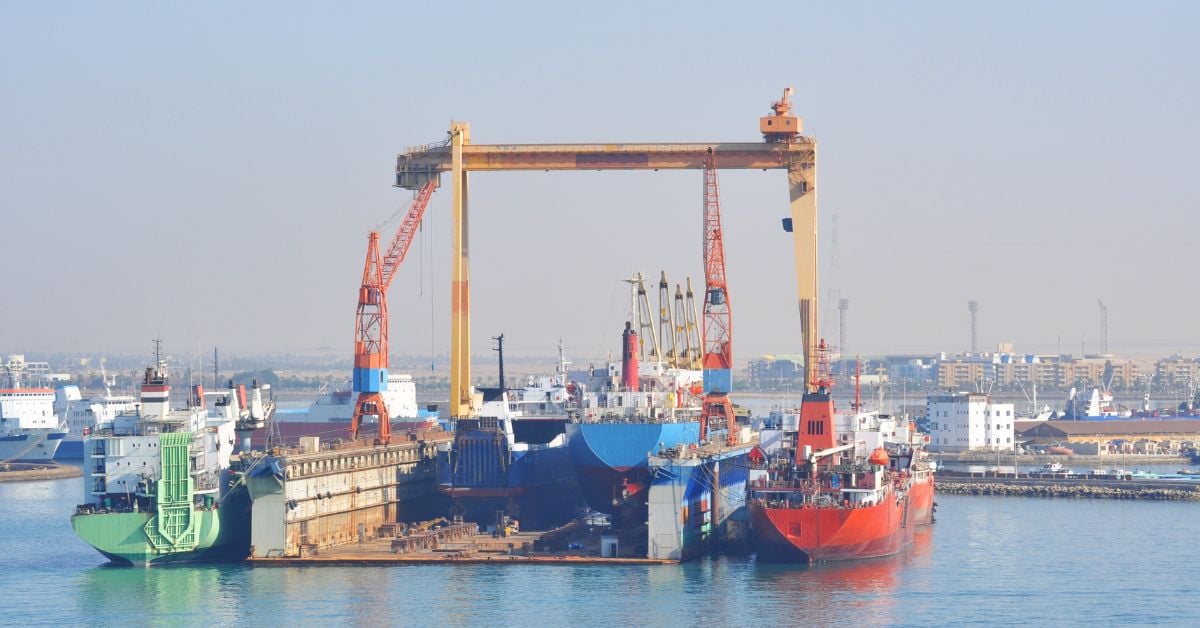
£6 billion naval infrastructure advances sovereign submarine fleet support
A £6 billion investment in three floating dry docks at Faslane signals a calibrated commitment to sovereign submarine fleet support. This is not merely infrastructure spending, it is a measurable reinforcement of naval capability, validated by long-term strategic necessity. The Royal Navy's nuclear fleet requires integrated, real-time maintenance capacity, and these dry docks deliver precisely that. For context, our coverage of the decommissioned frigate sunk off Scotland illustrates how allied naval exercises complement such investments. Understanding drives protection, and this funding reflects that principle.
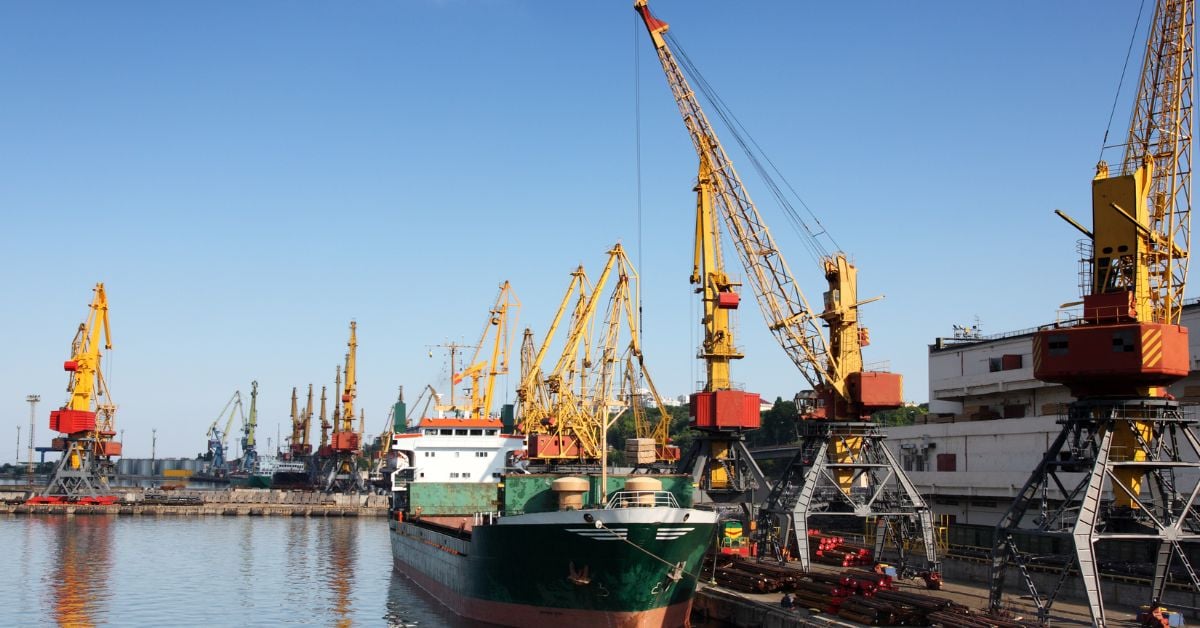
Cochin Shipyard Expands Design Capabilities with Conoship Equity Stake
Cochin Shipyard Limited is acquiring a 23% stake in Conoship International Holding BV, a Dutch ship design and engineering firm. The move signals a deliberate step toward strengthening in-house design capabilities rather than relying solely on external expertise. It is a measured, strategic investment, one that aligns with the yard's long-term ambitions in a competitive global market. Such integration of Dutch engineering knowledge could yield tangible gains in vessel innovation.
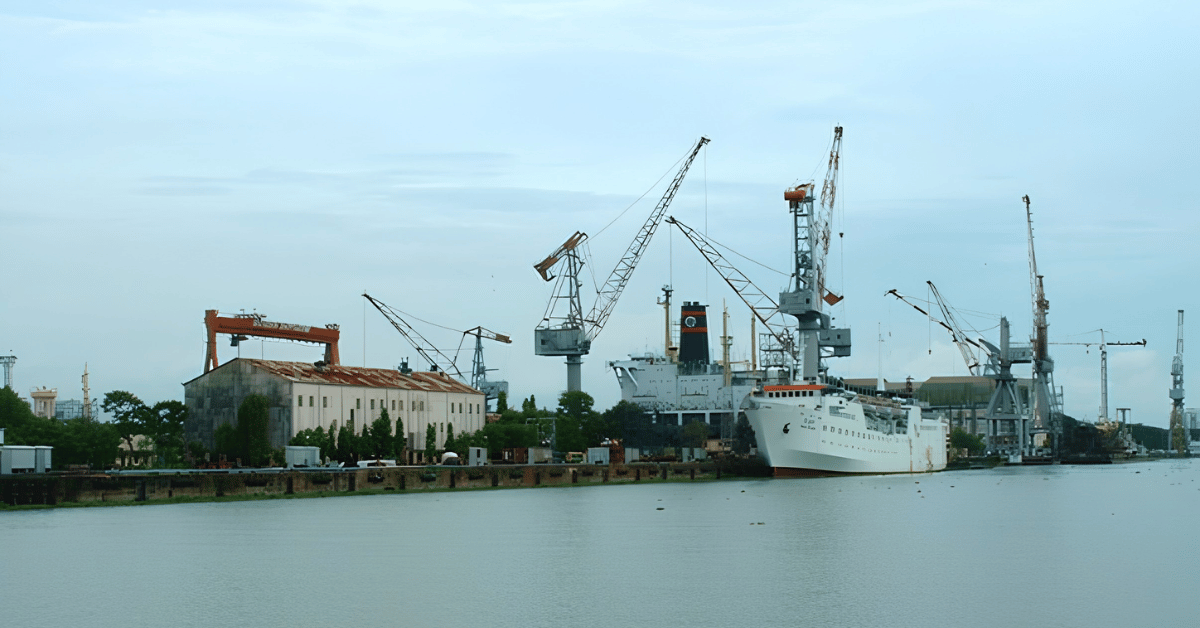
Collaborative Shipbuilding Initiative Advances Ocean Data Capabilities in India
Synergy Marine Group and Cochin Shipyard have signed an MoU to pursue shipbuilding, repair, and conversion projects for international shipowners in India. The move pairs two established maritime operators, and it signals a practical step toward strengthening India's role in global vessel construction and maintenance. For those tracking how regional infrastructure supports broader ocean intelligence, this initiative is relevant. It complements coverage of naval capabilities, such as the Next-Generation Missile Vessels Advance Indian Navy Capabilities, by reinforcing the country's expanding maritime industrial base.
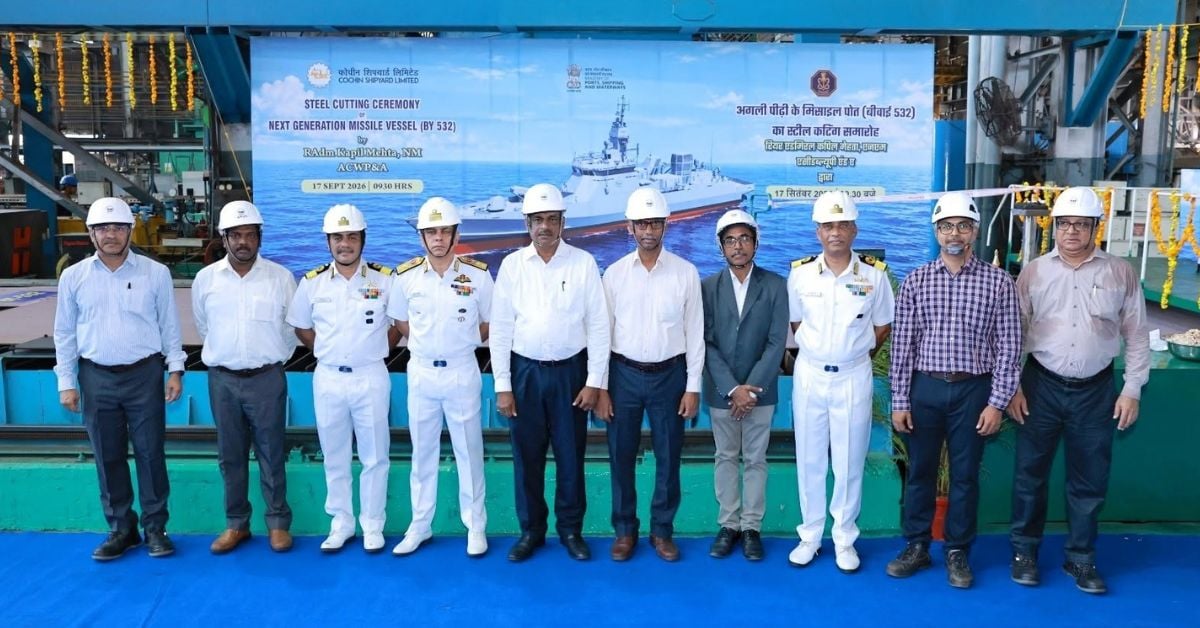
Next-Generation Missile Vessels Advance Indian Navy Capabilities.
The Indian Navy's next-generation missile vessels are built for speed, plain and simple. At 33 knots with a crew of 80, these ships prioritize rapid response without sacrificing operational heft. That is a practical step toward a leaner, more agile fleet. We see this as a deliberate move to keep pace with shifting maritime demands. For broader context on India's shipbuilding momentum, our piece on Cochin Shipyard's design expansion offers useful grounding. Speed alone does not secure waters, but it certainly narrows the gap.
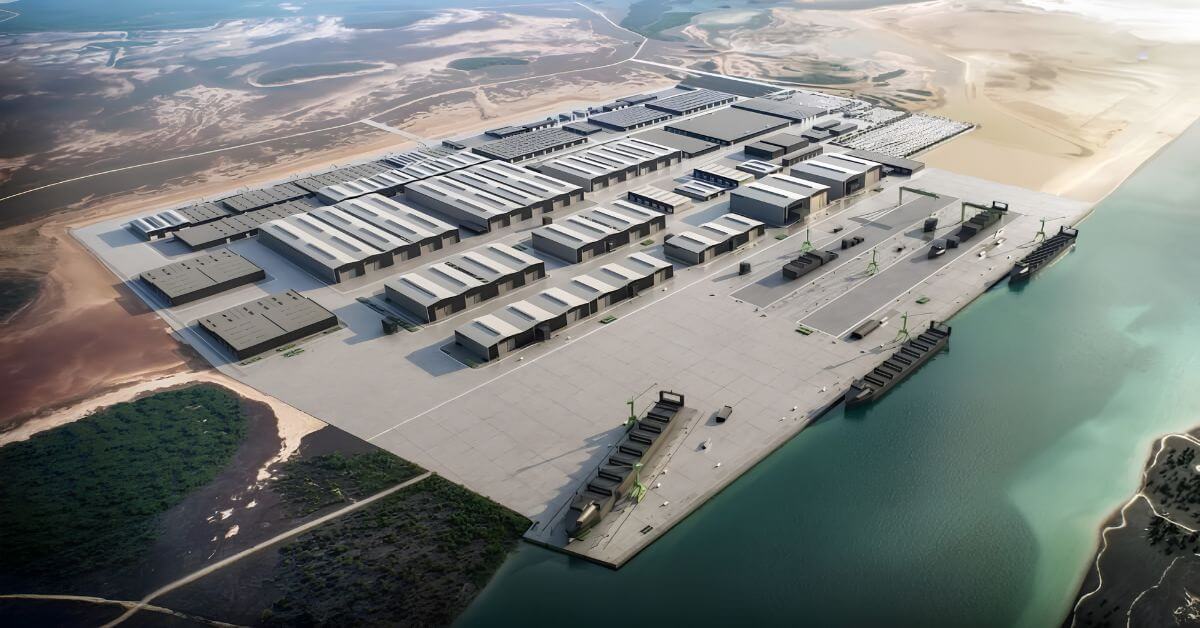
Port Alpha Shipyard to Build Navy Landing Craft, Boosting Ocean Data Access
Port Alpha Shipyard in Texas will build the Navy's next landing craft under a firm fixed-price agreement, an OTA award that anchors production on the U.S. Gulf Coast. This vessel marks the yard's first such contract, a practical step for naval mobility. Shipbuilding decisions like this carry weight beyond hulls; they shape ocean intelligence. For broader context on maritime capability, see our coverage of China's New Nuclear Carrier Signals Extended Naval Operations Capability. Measured investment in construction is how data-driven stewardship gains ground.

China's Blue and Digital Economies: A 30-Year Evolution in Trade.
Thirty years of trade data now show what the blue economy's digital future looks like: broader, more diversified, and increasingly tied to high-tech marine sectors. This study's blue, digital product space reveals that relationships between the two groups have deepened, especially in marine equipment, shipbuilding, and observation technologies. It is an exploratory view, not a causal claim, but the pattern is telling. For those tracking maritime digitalization, the shift is measurable.
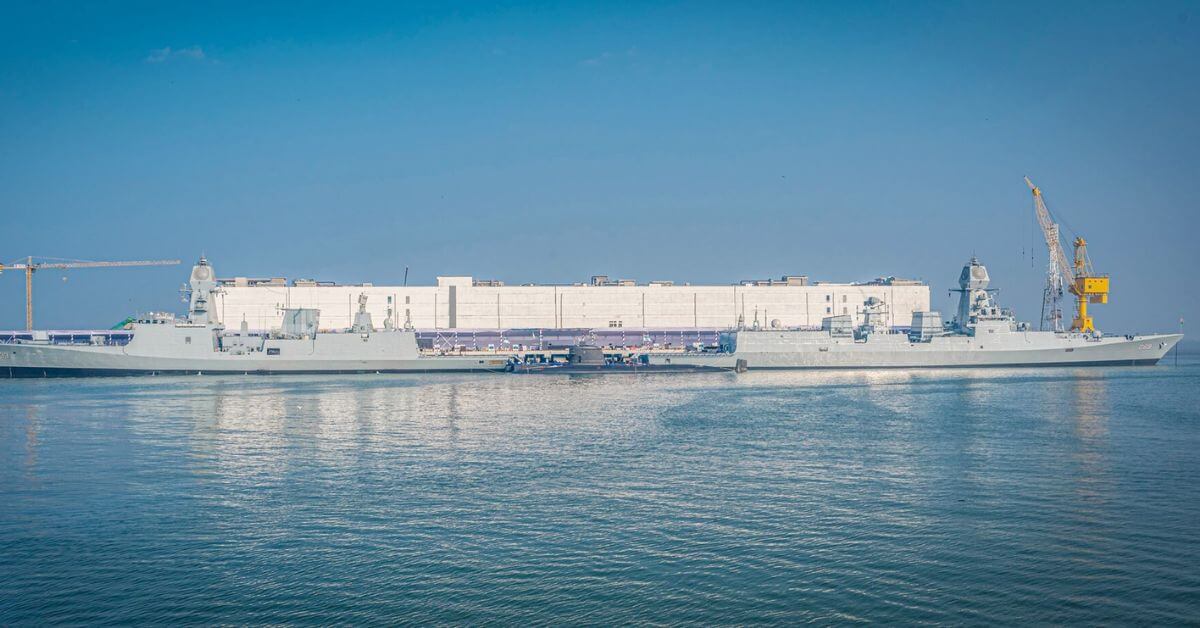
India's Shipbuilding Cluster Set to Drive Economic Growth and Job Creation
A new shipbuilding cluster in Maharashtra is projected to generate roughly 90,000 jobs, according to the state government's Tuesday announcement. This is the kind of measurable, long-term investment that builds economic resilience while strengthening India's maritime capabilities. Job creation at this scale signals more than industrial growth; it reflects a calibrated commitment to coastal development. For readers tracking parallel progress, our coverage of Cochin Shipyard's recent design equity stake offers useful context on how Indian shipbuilders are expanding their expertise.
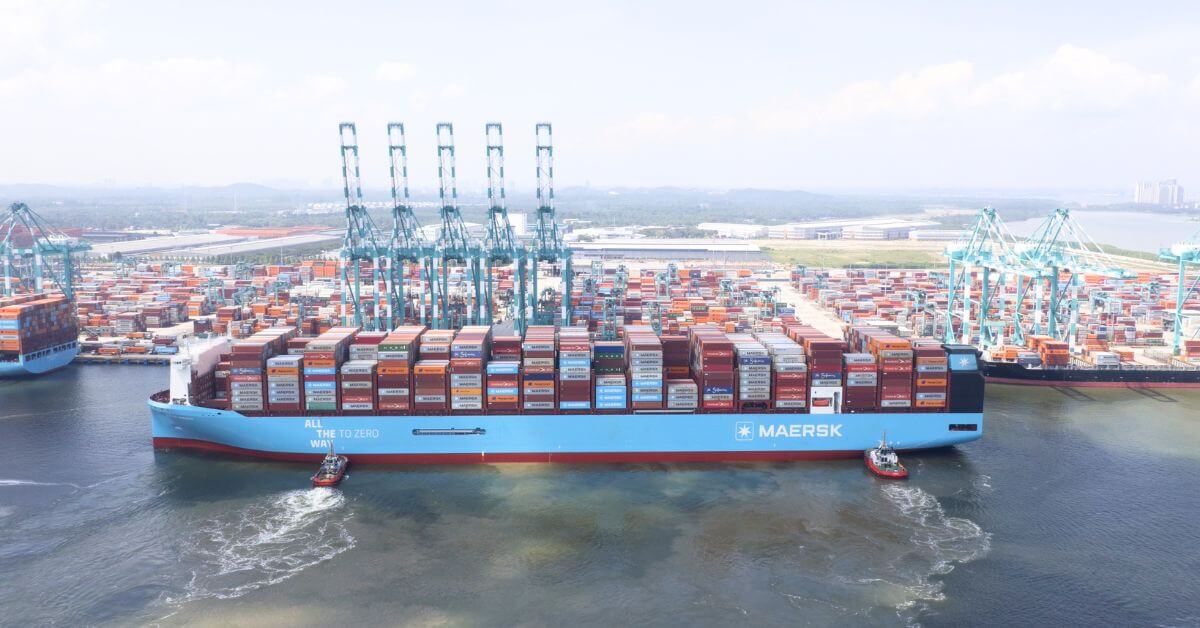
Maersk’s Fleet Expansion Signals Continued LNG Investment in Global Shipping
Maersk's planned order of 42 dual-fuel LNG vessels, including 12 ships at 24,000 TEU, signals a decisive, long-term commitment to gas as a transitional marine fuel. This is not speculative hedging; it is calibrated capacity building. The scale is measurable, and the direction is clear. For context on how port infrastructure is evolving alongside such fleet strategies, our related piece, "Paradip Port Designated a Mega Port, Anchors Eastern India's Maritime Growth," offers a useful lens.
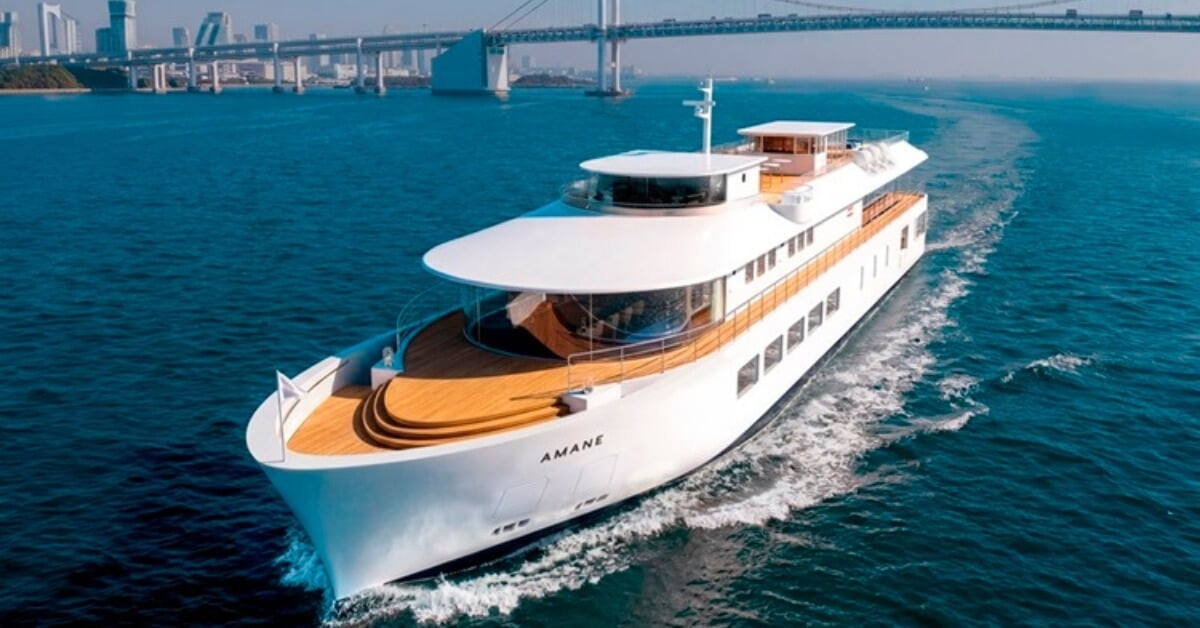
Hydrogen Powers New Era for Ocean Cruising in Japan
Japan's maritime sector is charting a cleaner course. NYK held a naming and launch ceremony for its new cruise ship, *Amane*, at Maehata Shipbuilding in Sasebo City, marking a tangible step toward hydrogen-powered ocean travel. The vessel signals a practical commitment to decarbonization, not a distant aspiration. It is a measured, engineering-led move that aligns with broader efforts to secure healthier seas.
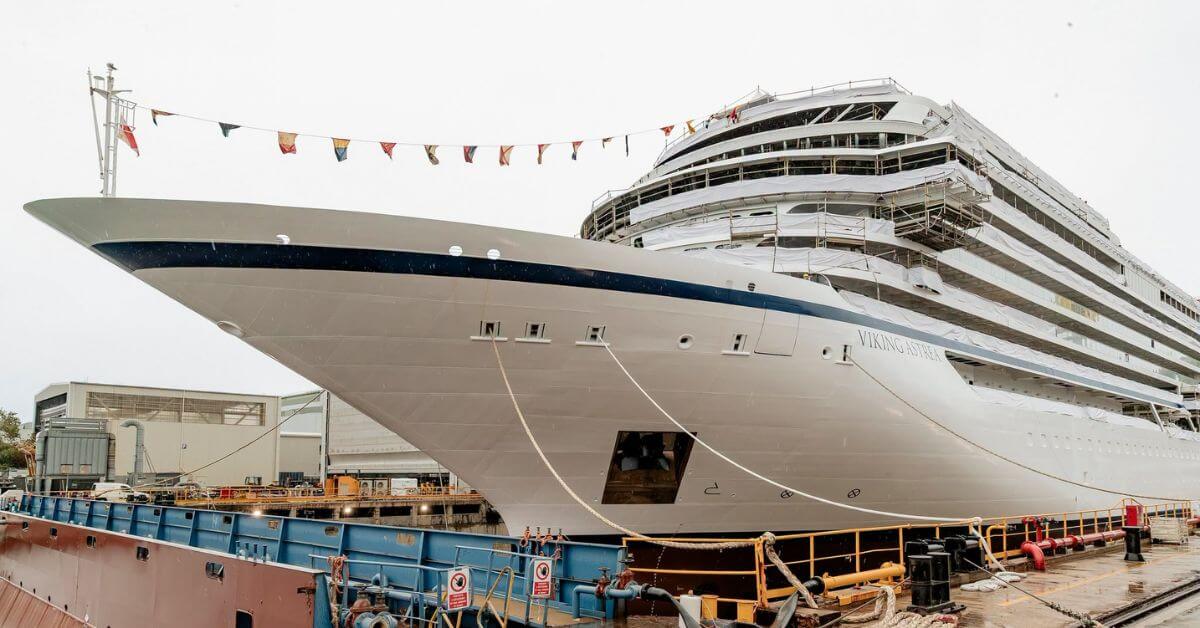
Viking Astrea: Pioneering Hydrogen Propulsion for Sustainable Ocean Cruising
Viking Astrea is slated for delivery in May 2027, with a debut season charted for the Mediterranean and Northern Europe. That timeline is not just a schedule; it is a measurable commitment to validating hydrogen propulsion in real-world cruising conditions. We see this as a purposeful step toward integrating cleaner energy into an industry that has long relied on conventional fuels. For deeper context on how maritime innovation is unfolding elsewhere, our coverage of Cochin Shipyard's recent design partnership offers a useful parallel.
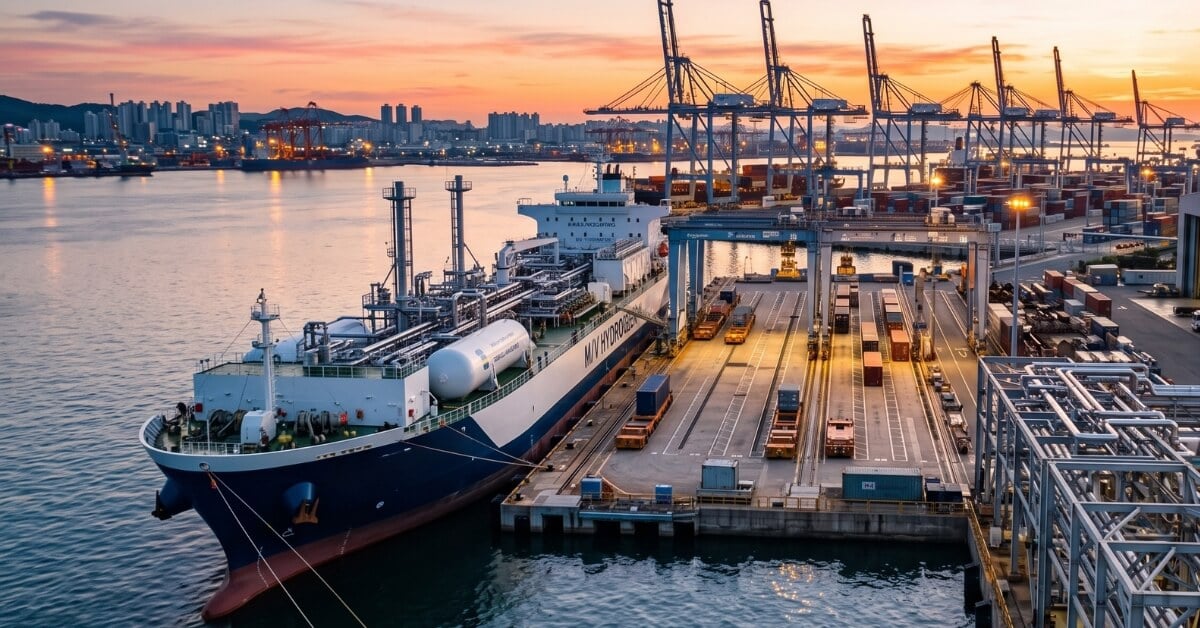
Advancing Maritime Standards: A Global Framework for Hydrogen and Smart Ships
Standards define the next wave of maritime progress, and ABS is helping to set them. The classification society has signed a memorandum of understanding with three Korean maritime organizations to advance international standards for hydrogen-powered and smart ships. This is practical, forward-looking work. Collaboration across borders is how ocean intelligence matures. For broader context on naval growth, our piece on India's expanded fleet offers a useful parallel. But this agreement is about building the framework itself, and that is where lasting impact begins.
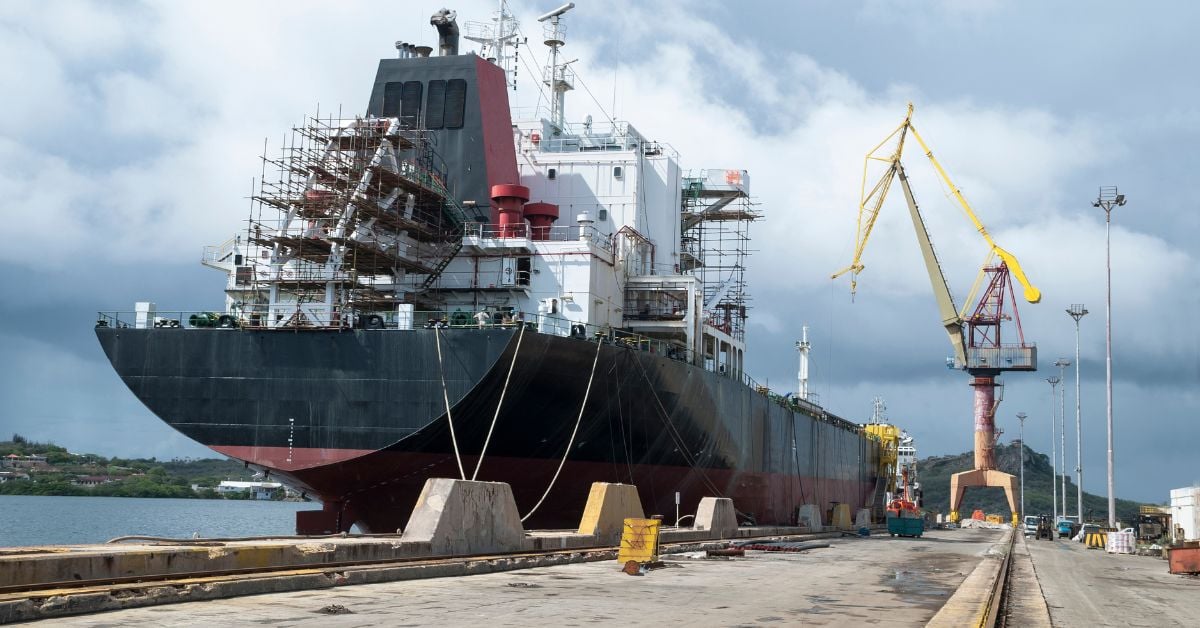
Kochi Poised to Become a Global Maritime Services Hub.
Kochi is positioning itself as a global maritime services hub, expanding its technical and operational capacity with measurable intent. This is not ambition for its own sake, it is a calibrated step toward integrated ocean intelligence. When a port city invests in real, validated capabilities, it strengthens the entire data ecosystem that connects orbit to ocean floor. For deeper context, see our coverage of Cochin Shipyard's strategic equity stake in Conoship. Understanding drives protection.
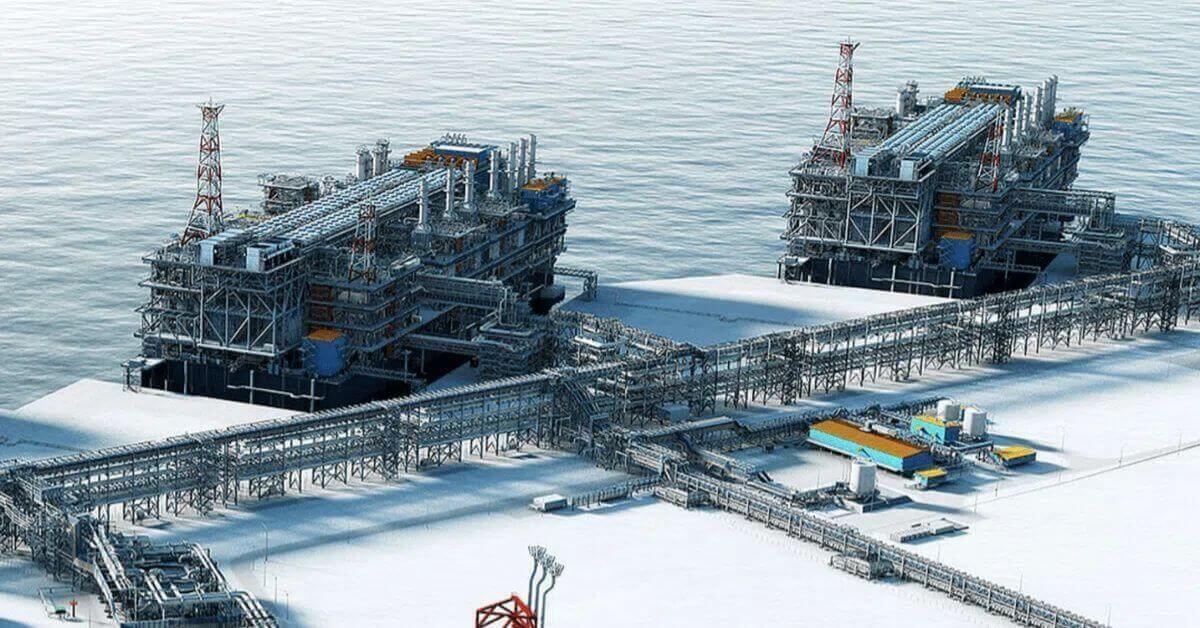
Arctic LNG 2 Seeks $1 Billion in Arbitration Against Hanwha Ocean
Arctic LNG 2 has filed a $1 billion arbitration claim against Hanwha Ocean in Singapore, a direct consequence of a terminated shipbuilding contract. This legal action underscores the high stakes of Arctic infrastructure development amid mounting geopolitical friction. The claim is a calibrated move, reflecting the measurable financial impact of disrupted supply chains. For deeper context on Russia's Arctic maritime strategy, see our coverage of the Northern Sea Route icebreaker fleet financing.
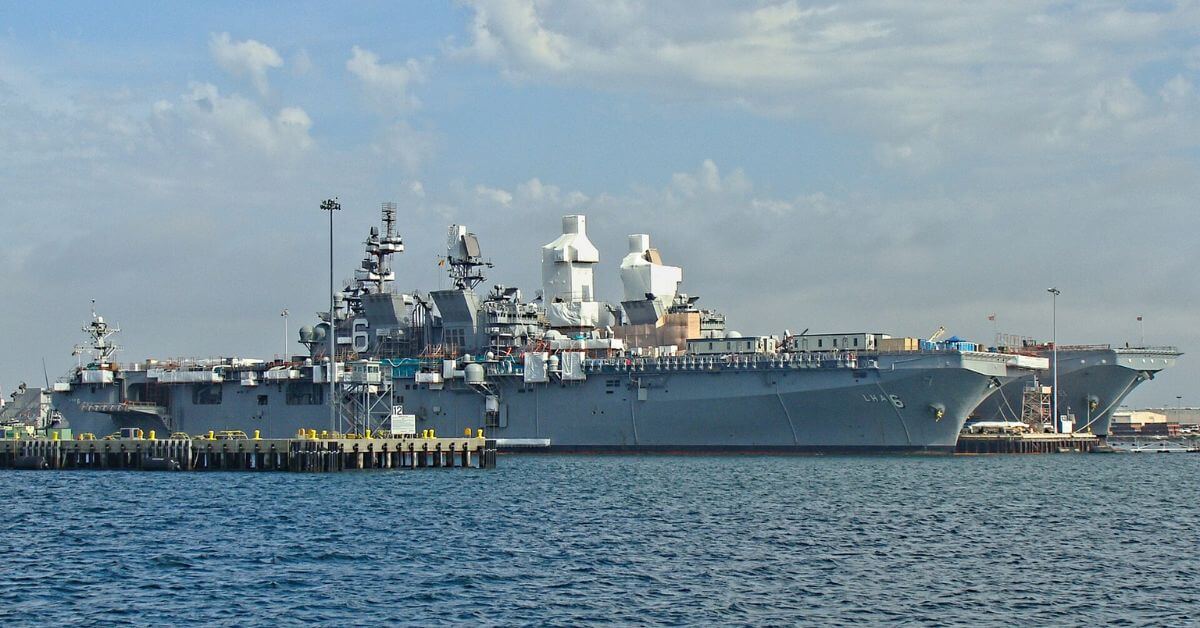
Integrating AI and Robotics to Enhance Maritime Production Capacity
Skilled labor, upgraded shipyards, and robotics are converging on the maritime sector. The company's plan to integrate physical AI into its production lines is a practical response to mounting capacity demands, not a distant ambition. This move toward automation and precision aligns with the need for measurable efficiency gains. For context on how other nations are scaling their naval ambitions, our piece on the **U.S. Navy Accelerates Submarine Production with Integrated Strategy** offers a useful comparison. The tide is turning toward smarter, faster shipbuilding.
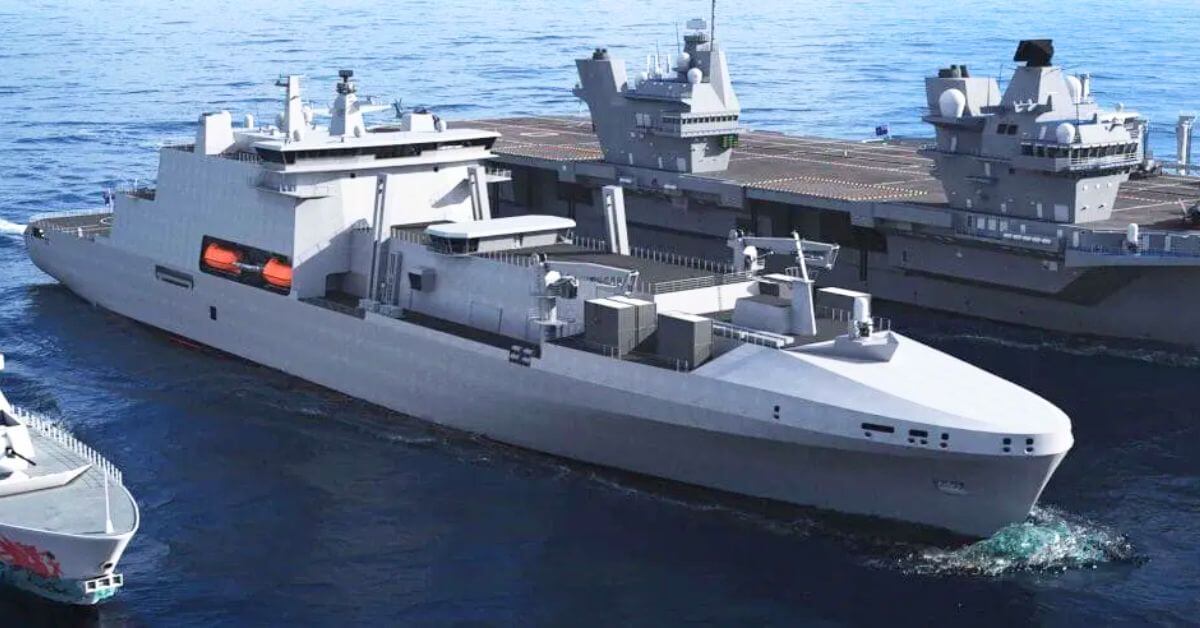
Resurgent's Construction Begins: A New Era for Royal Navy Support
The first block of RFA Resurgent has been lowered onto the Seahorse barge in Appledore, marking the official start of construction for the Royal Navy's newest support vessel. It is a measured, deliberate step forward, one that signals steady progress rather than fanfare. For those tracking the broader maritime picture, this milestone pairs well with our coverage of the collaborative shipbuilding initiative advancing ocean data capabilities in India. Together, they reflect a practical, integrated approach to naval and environmental strength.