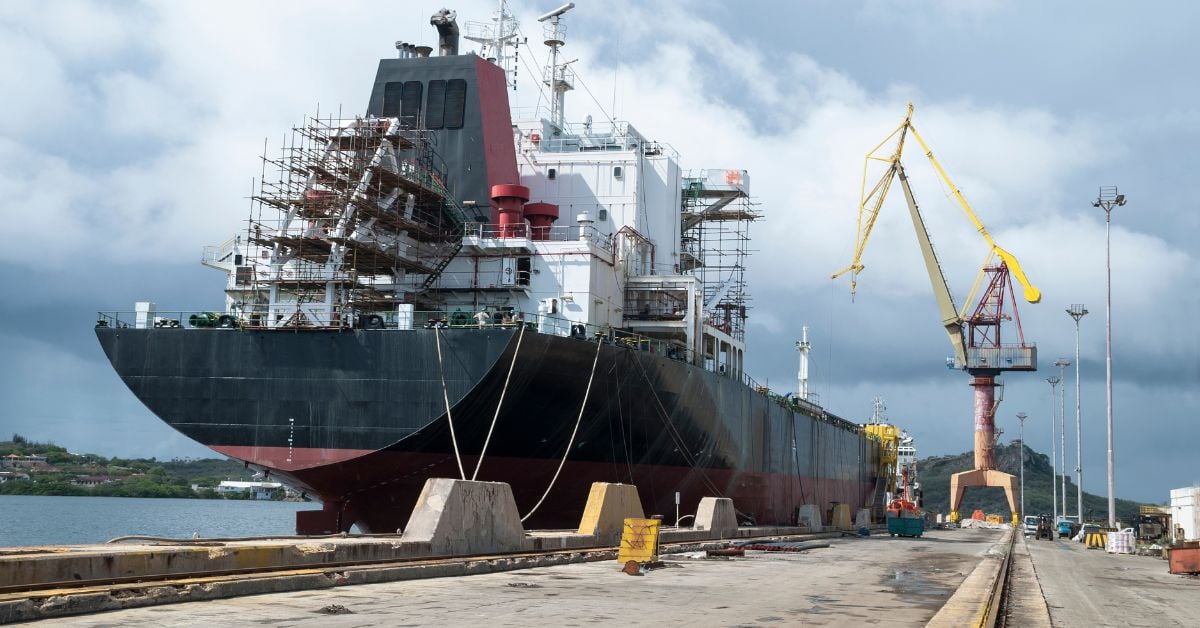
Kochi's ambition to become a global maritime services hub is not just about dry docks and vessel turnaround times. It is about the data that will flow through the vessels, the cables, and the ports that connect this region to the world. When we read that this initiative aims to expand technical and operational capabilities, we see a city positioning itself at a critical intersection of physical infrastructure and digital intelligence. This move is significant for anyone who tracks ocean logistics, climate indicators, or the integrated data ecosystem that underpins modern trade. Consider the parallel developments already underway: Cochin Shipyard Expands Design Capabilities with Conoship Equity Stake shows a deliberate push into design expertise, while Integrated Subsea Infrastructure Shifts to Enhance Indian Ocean Connectivity reveals that data transmission routes are being rerouted directly through this corridor. Kochi is not merely expanding its port; it is becoming a node where shipbuilding, cable landings, and operational data converge.
Our take is that this initiative represents a calibrated bet on long-term empirical value. The maritime services sector has long been fragmented, with repair, design, and data management operating in silos. Kochi's plan to integrate these functions into a single hub could produce measurable efficiencies. For our readers, researchers, policymakers, and industry professionals, the practical consequence is access to more reliable, real-time operational data from a region that handles a growing share of global shipping. When a port becomes a design and repair center, it also becomes a source of validated information about vessel performance, hull conditions, and fuel efficiency. That is ocean intelligence in its most actionable form.
We would tell a reader who asks about this story to watch the data pipeline, not just the concrete. The related article on Integrated Subsea Cables Enhance Data Transmission Across the Indian Ocean reminds us that 99% of the world's data flows under the sea. Kochi's growth as a maritime hub means it will increasingly sit at the landing point for that data, alongside its physical shipyard operations. The question is whether the port authority and private operators will build the integrated systems to share that data with the scientific community and climate monitoring networks. A world-class maritime services center should also be a world-class source of peer-reviewed ocean observations.
Here is the concrete point to watch: the next five years will determine whether Kochi's dry dock expansion is matched by an equally rigorous investment in data infrastructure. If the port can deliver validated, longitudinal records of vessel traffic, emissions, and ocean conditions, it will serve a purpose far beyond regional commerce. It will become a reference point for climate indicators across the Indian Ocean. That is a measurable outcome worth tracking, not a vague promise, but a specific consequence of integrated planning.