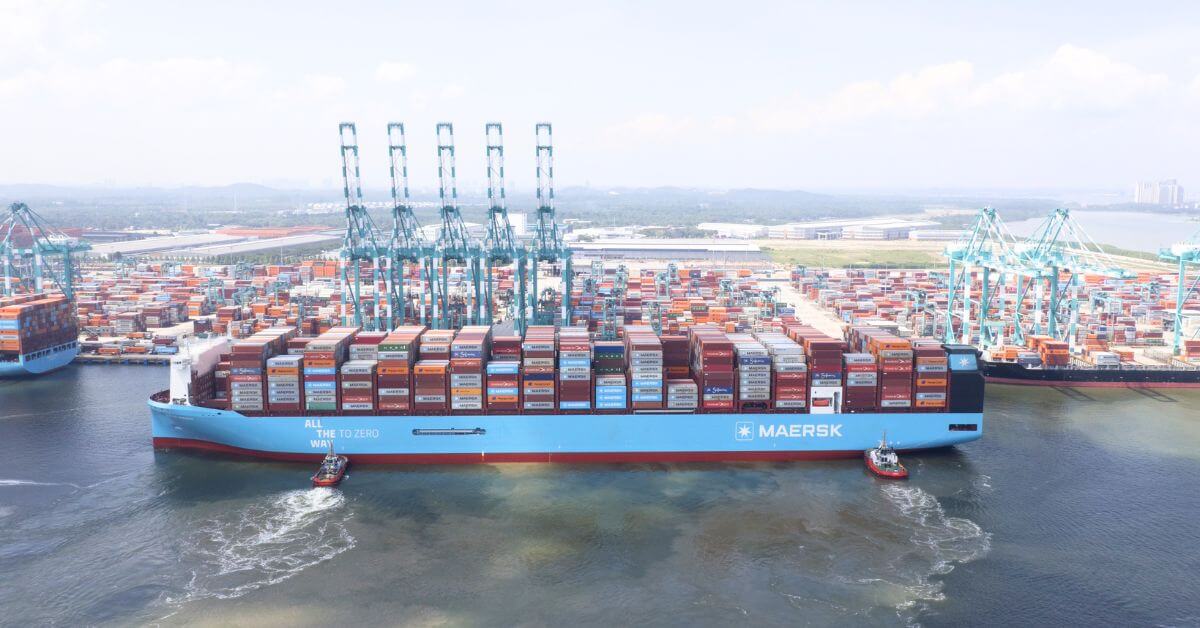
The scale of Maersk's newest commitment is not just about tonnage; it is a signal. With a reported $8.9 billion plan for 42 dual-fuel container ships, the operator is placing a decisive bet on LNG as a bridge fuel within a diversified propulsion strategy. The mix of 24,000 TEU, 19,000 TEU, and 18,600 TEU vessels suggests a methodical approach to fleet renewal rather than a speculative land grab. This is not a pivot away from the energy transition; it is a pragmatic acknowledgment that the industry will need multiple fuels to meet decarbonization targets, and LNG remains the most commercially viable option available at scale today.
For our readers, this development should be read alongside other infrastructure moves we have tracked. For instance, Paradip Port Designated a Mega Port, Anchors Eastern India's Maritime Growth shows how port authorities are preparing for larger, more frequent calls, while Record Port Activity Reflects Rising Chinese Exports Amid Trade Uncertainty demonstrates the sustained pressure on existing infrastructure. The Maersk order is the third leg of this stool: it creates the demand that ports must serve. If these 42 ships enter service as planned, the pressure on ports like Paradip to handle efficient LNG bunkering and rapid turnaround will intensify. The connection between ship design and port readiness is not abstract; it is a logistical chain that will either function smoothly or fail under its own weight.
Our honest take is that this investment forces a more measured conversation about what "green" actually means in shipping. LNG reduces sulphur oxides and particulate matter, but it is not a zero-emissions solution, particularly regarding methane slip. Maersk's decision to invest heavily in this direction while also exploring methanol and ammonia projects indicates a portfolio approach rather than a single-source answer. We would tell a reader asking whether this is a good move that it is the most rational one available given current engine technology and fuel supply chains. The real test will be whether the associated infrastructure, from production to bunkering, can keep pace with the vessel delivery schedule. If not, these ships could face the same operational constraints that have historically plagued alternative fuels.
The specific detail to watch is the delivery timeline and how it aligns with the International Maritime Organization's 2030 and 2050 targets. A ship ordered today has a service life of 20 to 25 years, meaning these vessels will still be operating in 2050. If Maersk is confident that LNG can be retrofitted or blended with green fuels over time, this order is a calculated hedge. If not, it risks stranding assets. We would advise stakeholders to monitor the company's fuel-supply agreements and any updates to its carbon-offset accounting. The promise of a dual-fuel engine is only as strong as the availability of the cleaner fuel it is designed to burn. That is not a criticism; it is the empirical reality that will define whether this $8.9 billion bet was visionary or merely early.