shipbuilding
54 stories filed under shipbuilding on World Data Ocean. The newest of them: “Global Shipbuilding Collaboration: Navy Explores International Frigate Options”, “Maersk Considers Bangladesh Shipbuilding Investment, Recycling Potential Explored”, and “Expanding Reach: Indian Register of Shipping Connects with European Shipbuilding Partners”. The U.S. AP Moller-Maersk is weighing direct investment in Bangladesh's shipbuilding sector, a move that pairs commercial pragmatism with the country's growing recycling potential. A Global Hub for Ocean Intelligence 4 World Data Ocean is a centralized digital platform where researchers, scientists, and ocean enthusiasts converge to… The list below is every shipbuilding story on World Data Ocean, newest first.
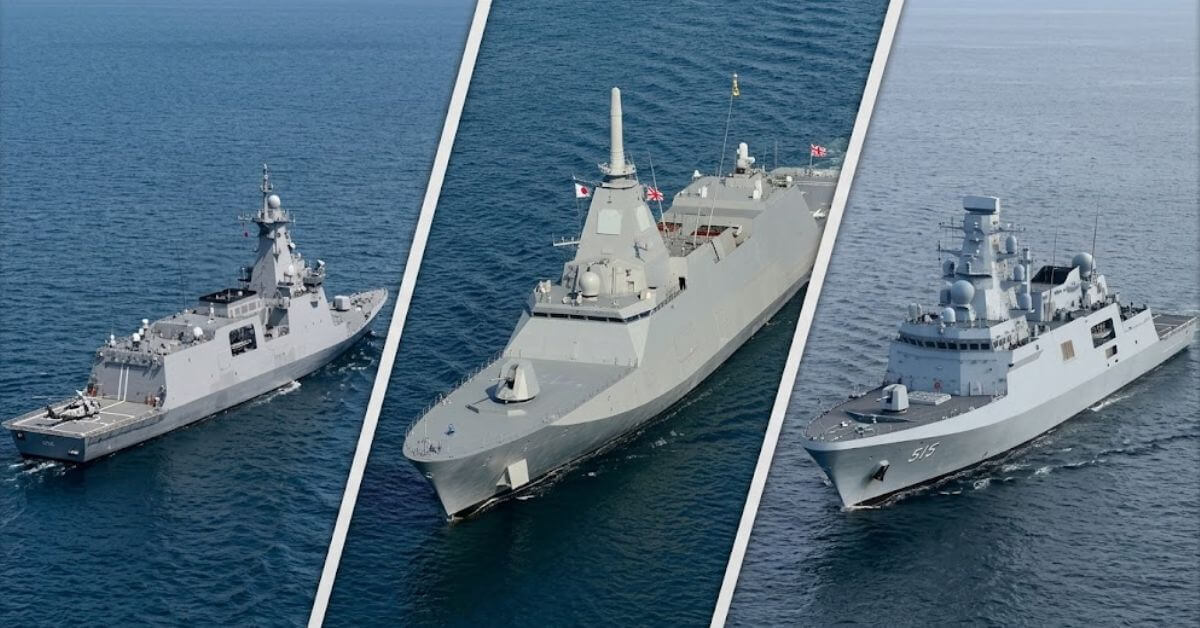
Global Shipbuilding Collaboration: Navy Explores International Frigate Options
The U.S. Navy's move to explore international frigate options signals a pragmatic shift toward speed without sacrificing domestic investment. This approach, which pairs foreign collaboration with targeted funding for U.S. shipyards and workforce expansion, reflects a measured strategy for meeting modern demands. It is a practical acknowledgment that no single nation can build everything alone, and that shared expertise strengthens overall capability. For readers tracking parallel efforts, our coverage of India's expanded naval fleet offers a useful counterpoint.
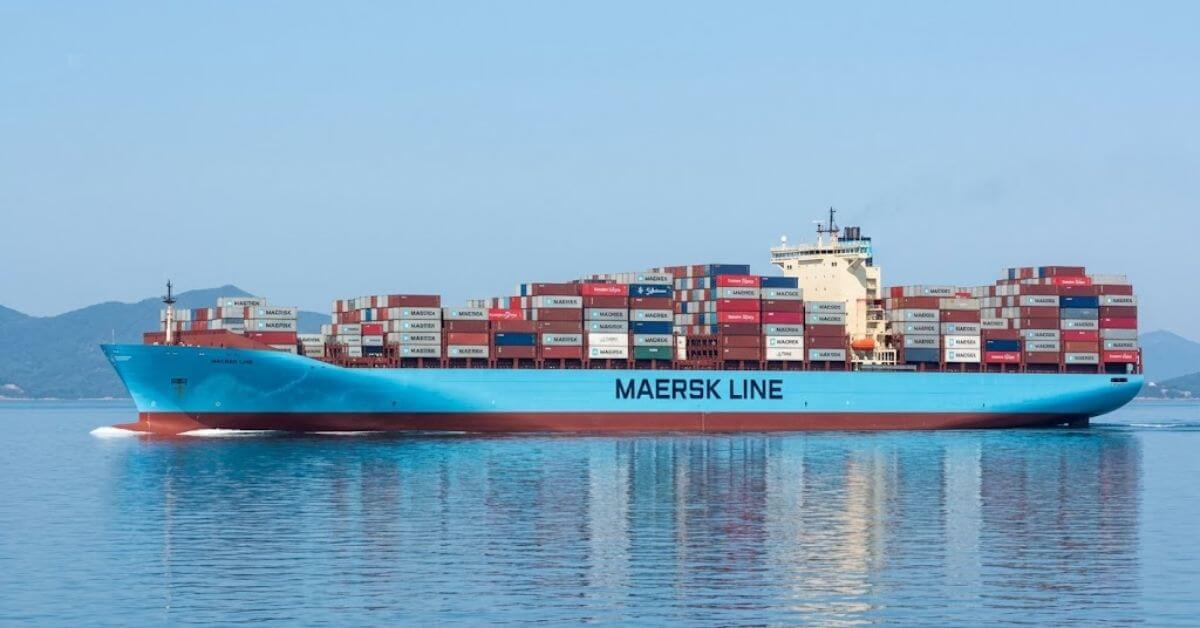
Maersk Considers Bangladesh Shipbuilding Investment, Recycling Potential Explored
AP Moller-Maersk is weighing direct investment in Bangladesh's shipbuilding sector, a move that pairs commercial pragmatism with the country's growing recycling potential. The logic is sound: established yards and expanding industrial capacity offer Maersk a foothold in a region where vessel construction and end-of-life dismantling increasingly overlap. This is not speculative ambition; it is calibrated expansion. For context on how similar partnerships are shaping regional capabilities, our piece on the collaborative shipbuilding initiative in India offers a useful counterpoint.
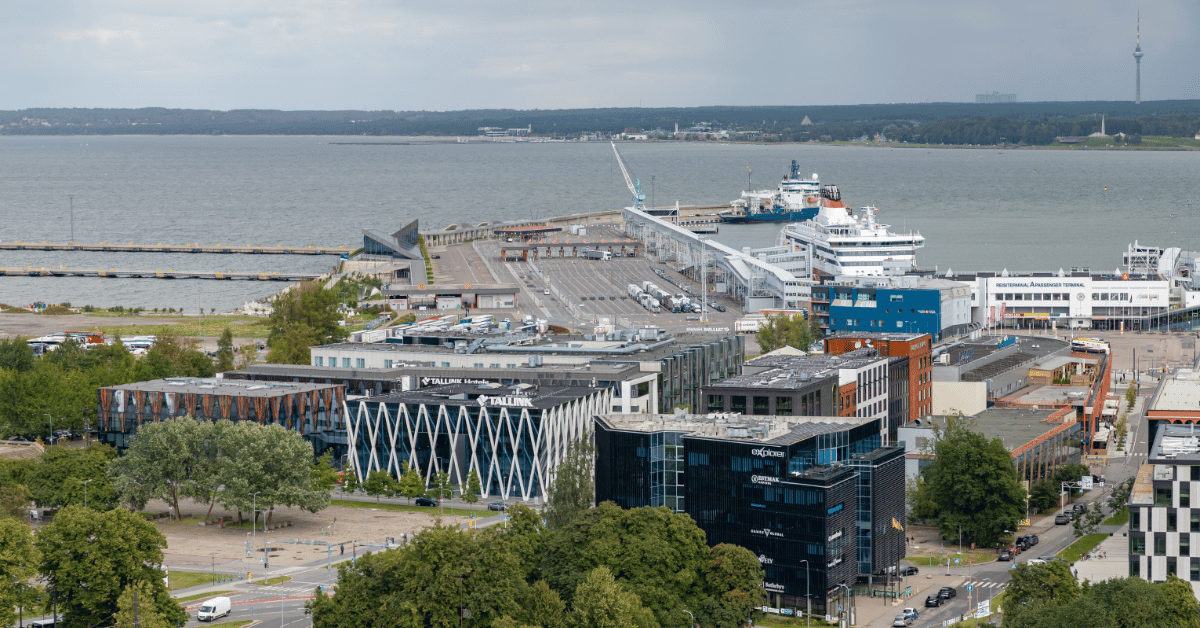
Expanding Reach: Indian Register of Shipping Connects with European Shipbuilding Partners
The Indian Register of Shipping has opened a Hamburg office, signaling a deliberate step toward deeper engagement with European shipbuilding partners. It is a move that makes sense: Europe remains a hub for engineering rigor, and proximity matters when collaboration depends on trust and technical alignment. This expansion is not about abrupt growth but measured integration into a mature maritime ecosystem.
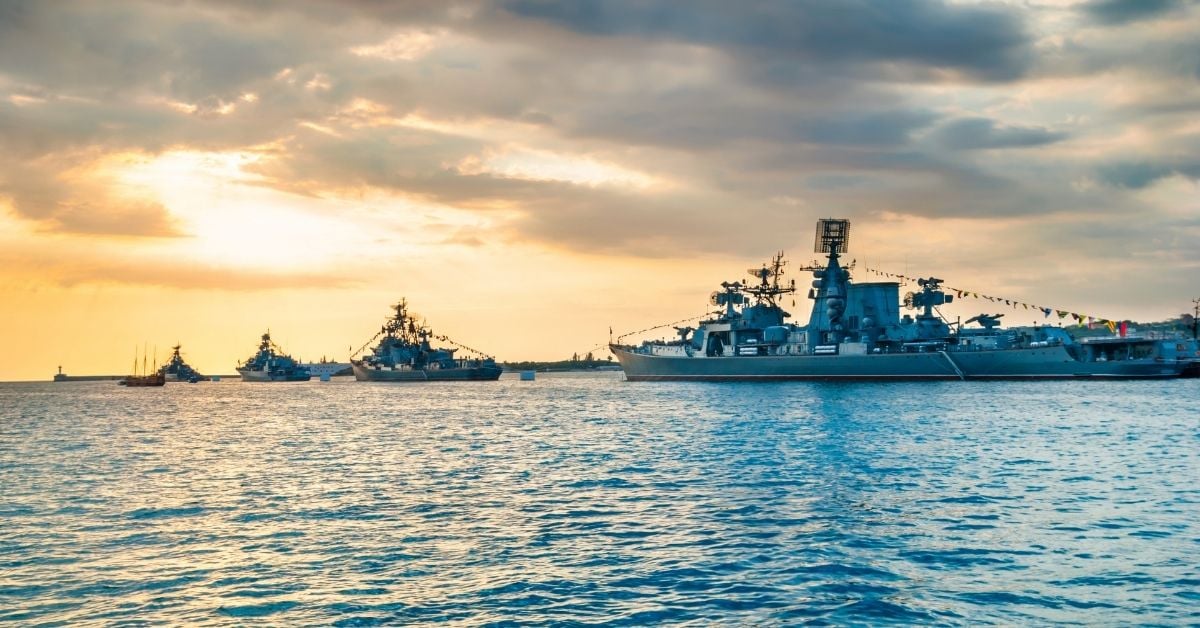
Accelerated Submarine Readiness: Navy Calibrates 3D-Printing Standards
The U.S. Navy's new technical guidelines for 3D printing mark a deliberate step toward standardizing additive manufacturing across submarine design, repair, and maintenance. This is not flashy hardware; it is calibrated process, and that matters. Precision in fabrication demands precision in standards, especially when operational readiness is the goal. Standardization here means fewer delays and more resilient supply chains. For context, our coverage of the *Collaborative Shipbuilding Initiative Advances Ocean Data Capabilities in India* shows similar industrial momentum globally.

Canada Bolsters Arctic Capabilities with New Icebreaker Fleet.
Canada is putting steel behind its Arctic strategy with a new icebreaker fleet that will give NATO its largest polar capability. The move sharpens a quiet but consequential gap: the United States operates just three aging polar icebreakers. This is what integrated ocean intelligence looks like in practice: measured, deliberate, and forward-deployed. For readers tracking the wider picture, our coverage of Russia's Northern Sea Route fleet plans offers a useful counterpoint. The Arctic is no longer a frontier; it is a jurisdiction.

Nuclear-Powered Shipping: U.S. Advances Maritime Technology and Global Trade.
The agreement targets the practical hurdles that must be cleared before nuclear-powered merchant ships can operate commercially, a step toward measurable progress in maritime technology. This is not abstract ambition; it is about calibrating safety, regulatory, and operational standards that could reshape global trade routes. The timing aligns with rising pressure on shipping infrastructure, as seen in the Gulf of Oman STS Transfers Max Out Amid Rising Saudi Oil Exports. Validated solutions here would integrate nuclear capability with real-world logistics, advancing ocean intelligence.

A Presidential Carrier: Examining the Navy's Naming Shift.
Aircraft carrier namings are deliberate signals, and this one cuts against a long-standing norm. If the Navy names a carrier for a sitting commander-in-chief, it would mark the first time a president received that honor while still in office. That is a substantive break from precedent, not a symbolic footnote. The choice deserves scrutiny, not just celebration. For readers tracking how naval policy and procurement evolve, our coverage of the Navy's push to integrate autonomous systems offers useful context on where the service is headed.

Shipbuilding Orders Surge, Signaling Accelerated Maritime Growth.
The global shipbuilding orderbook is climbing at a 27% year-on-year rate, the fastest pace since the 2008 financial crisis. That is a decisive signal, not a blip. It points to a maritime sector gearing up for sustained demand, likely tied to fleet renewal and shifting trade routes. We read this as a measured vote of confidence in ocean commerce's trajectory.

Cochin Shipyard Expansion Drives Ocean Data Innovation and Regional Growth
Cochin Shipyard's expansion is set to generate roughly 2,000 direct jobs, with related industries likely to multiply that impact. This is more than industrial growth; it is a concrete step toward strengthening ocean data innovation where it matters most, at the regional level. The project aligns with a broader push for integrated maritime capability, echoing efforts like the recent design equity stake in Conoship. Measured, deliberate investment like this builds the infrastructure for lasting ocean intelligence.

Empowering Filipino Seafarers with Green Energy Training for a Sustainable Future
On Aug. 17, a groundbreaking ceremony marked the unveiling of a new facility dedicated to empowering Filipino seafarers with green energy training, accredited by MARINA. This initiative responds to a clear need: equipping the maritime workforce with validated, forward-looking skills for a sustainable industry. Basic and advanced programs will anchor this effort, ensuring measurable competence. It is a purposeful step toward integrating environmental responsibility into seafaring. For broader context on maritime infrastructure growth, see our coverage of Paradip Port Designated a Mega Port.

Kennedy Carrier Trials Begin Amid Shift in Navy Propulsion Strategy
The USS John F. Kennedy has begun acceptance sea trials, yet the Navy's propulsion strategy is already pivoting. President Trump's order to strip EMALS from the future USS Doris Miller in favor of steam catapults signals a deliberate retreat to proven technology. It is a pragmatic, if conservative, choice. While innovation drives us forward, reliability remains the anchor of operational readiness. For deeper context on how global shipbuilders are adapting their own capabilities, see our coverage of Cochin Shipyard's recent design expansion.

Shipyard Fire and Explosion in Fujian Highlights Maritime Risks.
A shipyard fire and explosion in Fujian, a critical hub for shipbuilding and repair, has thrust maritime safety back into focus. The province's position across the Taiwan Strait from democratically governed Taiwan adds geopolitical weight to an already urgent incident. This is not a distant anomaly; it is a reminder that industrial ambition must be matched by rigorous, validated safety protocols. We cannot afford to learn these lessons slowly.

New Ice-Class Vessel Joins Global Shipping Fleet, Built to DNV Standards
A new 7,000 DWT ice-class vessel has entered the global fleet, engineered by Groot Ship Design and built to DNV classification standards. This is precisely the kind of measured, purpose-built advancement that keeps maritime trade both efficient and responsible. Ice-class capability is not a luxury; it is a calculated response to expanding polar routes and shifting climate realities. For deeper context on how ship design capabilities are evolving internationally, our coverage of Cochin Shipyard's recent design expansion with Conoship offers a useful parallel.

Hanwha Bid Signals Shift in U.S. Shipbuilding Landscape.
A $1 billion bid from South Korea's Hanwha to acquire Austal USA signals a calculated shift in U.S. shipbuilding. The move places foreign capital directly inside a domestic defense supply chain, and that matters. It is not simply a transaction; it reflects confidence in American naval demand. For context, parallel efforts like the U.S. Navy's accelerated submarine strategy show how tightly shipbuilding capacity is tied to strategic readiness. Hanwha's offer adds a new variable to that equation, one worth watching closely.

Poland Launches First Modern Frigate, Bolstering Naval Capabilities
Poland's newest frigate has taken to the water, though its journey is far from complete. The vessel will return to the shipyard for equipment installation and testing, a reminder that naval modernization is a patient, calibrated process. This launch signals a deliberate step forward for Poland's maritime defense, measured and methodical. For readers tracking regional security shifts, our coverage of Taiwan's recent missile exercise offers a useful counterpoint on how navies validate readiness. Progress, here, is built on precision, not spectacle.

Advancing Ocean Connectivity: Vard Delivers Groundbreaking Hybrid Cable Layer
At 1,200 kilometers of cable-laying capacity, the newly delivered hybrid-powered 'Discovery' positions Vard Tulcea at the leading edge of maritime infrastructure. Built for Japan, this vessel is a practical response to a simple fact: connectivity depends on precision. The largest hybrid-powered submarine cable layer ever constructed, it pairs engineering discipline with a clear-eyed view of operational demands. That kind of integration matters. For readers tracking parallel advances in shipyard capability, our coverage of Cochin Shipyard's recent design expansion offers useful context.

Seaspan Pioneers International Access to China’s Panda Bond Market.
Seaspan has become the first international ship owner and operator to tap into China's Panda Bond market, a move that signals growing confidence in cross-border maritime finance. The transaction is a significant milestone, but its real weight lies in what it says about global capital flows aligning with ocean industries. This is measured, practical progress, exactly the kind of step that builds long-term resilience.

India Prioritizes Domestic Yards in $720 Million Shipbuilding Initiative
India's $720 million shipbuilding initiative puts domestic yards first through a Right of First Refusal process, a practical move toward self-reliance. We see this as a calibrated step that strengthens local industrial capacity while keeping procurement transparent. It pairs well with our earlier coverage of Synergy Marine Group and Cochin Shipyard's collaborative shipbuilding MoU, which signals momentum in India's maritime sector. Prioritizing homegrown capability is measurable progress, and we'll be watching how this shapes regional shipbuilding resilience.

Naval Investment: Trump-Class Battleships to Reach $275 Billion
The Trump-Class Battleship program carries a $275 billion price tag, with the lead vessel alone reaching $23.4 billion. That is a staggering commitment, but it signals a deliberate move toward sustained maritime dominance. We see this as a statement of intent, not just a budget line. For context on how other nations are scaling their fleets, our coverage of India's expanded naval projections offers a useful counterpoint. Battleship investments of this scale demand scrutiny, yet they underscore a clear strategic calculus.

Refrigerant Leak Prompted Emergency Response Aboard Navy Vessel in Newport News
Aboard a U.S. Navy vessel in Newport News, a refrigerant leak triggered a swift emergency response, with fire crews arriving at 1201 Terminal Ave. just after 7:43 p.m. The incident underscores how routine operations can escalate into urgent situations, demanding calibrated, real-time reactions. While details remain limited, the response reflects the discipline required in maritime environments. For broader context on vessel emergencies, our report on the cargo ship fire near Mykonos offers additional perspective.

Automated Welding Pilot to Enhance Shipbuilding Efficiency and Safety
HII and HD Hyundai Heavy Industries are testing intelligent mechanised welding systems at Ingalls Shipbuilding, a move that pairs proven industrial capability with emerging automation. The pilot targets efficiency and safety, two metrics that matter when every weld holds both steel and schedule together. This is practical innovation, not spectacle. For broader context on how shipyards are adapting, our piece on the U.S. Navy's integrated submarine production strategy offers useful comparison. Measured steps like these compound into real operational gains.

Arctic Icebreaker Fleet: Examining Costs, Scope, and USCG Needs
The U.S. Coast Guard's plan to build 11 polar icebreakers marks a significant expansion from its earlier stated requirement of just four or five vessels. This gap between ambition and operational need raises questions about scope, cost, and strategic priorities. While the larger fleet signals a serious commitment to Arctic presence, the justification must remain grounded in validated, measurable requirements. For broader context on global icebreaker investments, our related coverage of Russia's Northern Sea Route fleet offers a useful comparison.

Expanding Naval Capacity: $71.6 Billion Investment in Submarine Fleet
A $71.6 billion investment in the U.S. submarine fleet signals a decisive commitment to naval readiness. Electric Boat, General Dynamics' nuclear submarine unit, anchors this effort through design, construction, and modernization. This scale of funding reflects measured confidence in long-term maritime strategy. For context on how allied and competing navies are expanding, our coverage of China's new nuclear carrier highlights parallel developments in extended operations. Together, these stories underscore a shifting global balance beneath the waves, where capability and endurance define influence.

Maersk Expands Ammonia Carrier Fleet, Signaling Green Shipping Shift
Maersk's decision to secure nine additional very large ammonia carriers this year, bringing its order book to 22 vessels valued at $2.55 billion, signals a deliberate move toward decarbonized shipping. This is not speculation; it is committed capital. Ammonia's viability as a marine fuel rests on measurable infrastructure progress, and these orders provide the empirical weight that climate discussions often lack. The scale is purposeful, and the direction is clear.