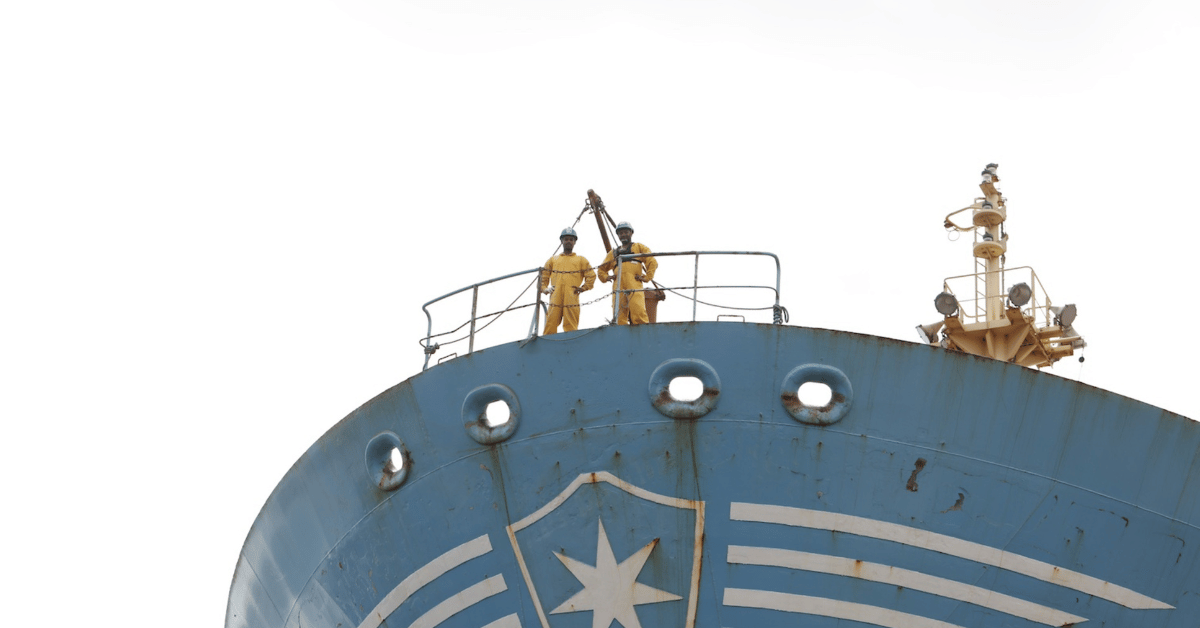
The arrival of the Maersk Chattogram at L&T's Kattupalli Shipyard is a measurable step toward making India a credible node in the global maritime repair network, not a symbolic gesture. This is the first planned drydocking of a Maersk vessel in India, and it converts a Memorandum of Understanding signed during India Maritime Week 2025 into a concrete, scheduled operation. For an industry that often talks about capability building in abstract terms, a fixed date, 20 October 2026, and a named vessel carry empirical weight.
The decision to use India's largest Shiplift system at Kattupalli is the detail that matters most. Drydocking is a routine but rigorous process: the vessel's hull, machinery, propulsion, and submerged systems undergo inspection and overhaul that determine its seaworthiness for the next five years. By routing this work through an Indian yard, Maersk is aligning its global technical standards with local execution. This is not a charitable transfer of knowledge. It is a commercial validation of Indian engineering capacity, tested against the operational demands of a Singapore-flagged container vessel. The partnership also signals a shift in how Indian shipyards can position themselves, moving from naval construction, evident in the recent commissioning of the INS Samarthak at a private yard, toward the steady, repeatable work of commercial fleet maintenance. That distinction is important: naval deliveries are milestones, but commercial drydocking cycles generate the recurring demand that builds supplier ecosystems.
The practical consequence for the maritime sector is the expansion of India's integrated data and service ecosystem. Maersk's fleet and technical teams will work alongside Indian subcontractors, suppliers, and maritime service providers, exchanging operational knowledge on safety, quality, and efficiency. This is where the real value compounds. The country's shipbuilding capability has been demonstrated; now the focus shifts to the less visible but equally critical infrastructure of repair, overhaul, and lifecycle management. As Canada's largest polar icebreaker begins construction to expand Arctic ocean intelligence, the parallel is clear: both projects depend on advanced yard capabilities, but the Maersk docking tests commercial reliability, not just construction ambition. Meanwhile, the cargo spill in the Strait of Hormuz reminds us that vessel operational integrity is not a theoretical concern, it has direct consequences for safety and supply chains.
The open question is whether this single docking becomes a repeatable pattern. One vessel is a proof point; a sustained schedule of drydockings would signal that Indian yards can meet the turnaround times and quality thresholds that global liner operators require. The partners have stated their intent to strengthen domestic supply chains across the shipbuilding ecosystem, and India's private shipyard delivering the INS Samarthak demonstrates that the industrial base exists. The specific figure to watch is the number of Maersk vessels that follow the Chattogram into Kattupalli over the next two years. That count, more than any announcement, will determine whether India has moved from exploratory framework to dependable maritime hub.