coast guard
World Data Ocean keeps coast guard in one place: 42 stories so far. The section currently leads with “Taiwan's Coast Guard Repels 16 Vessels in Coordinated Maritime Response”, “Persistent Lifebelt Signal Guides Cargo Ship to Rescue After 20 Hours at Sea”, and “Validating coordinated ocean response through Europe's COASTEX 2026 trial”. Taiwan's Coast Guard intercepted and drove away 16 Chinese vessels engaged in coordinated maritime harassment, a calibrated response that underscores the value of validated, real-time surveillance. A flashing light on a lifebelt guided a cargo ship to a stranded woman after 20 hours at sea. A Global Hub for Ocean Intelligence 4 World Data Ocean is a centralized digital platform where researchers, scientists, and ocean enthusiasts converge to… The list below is every coast guard story on World Data Ocean, newest first.
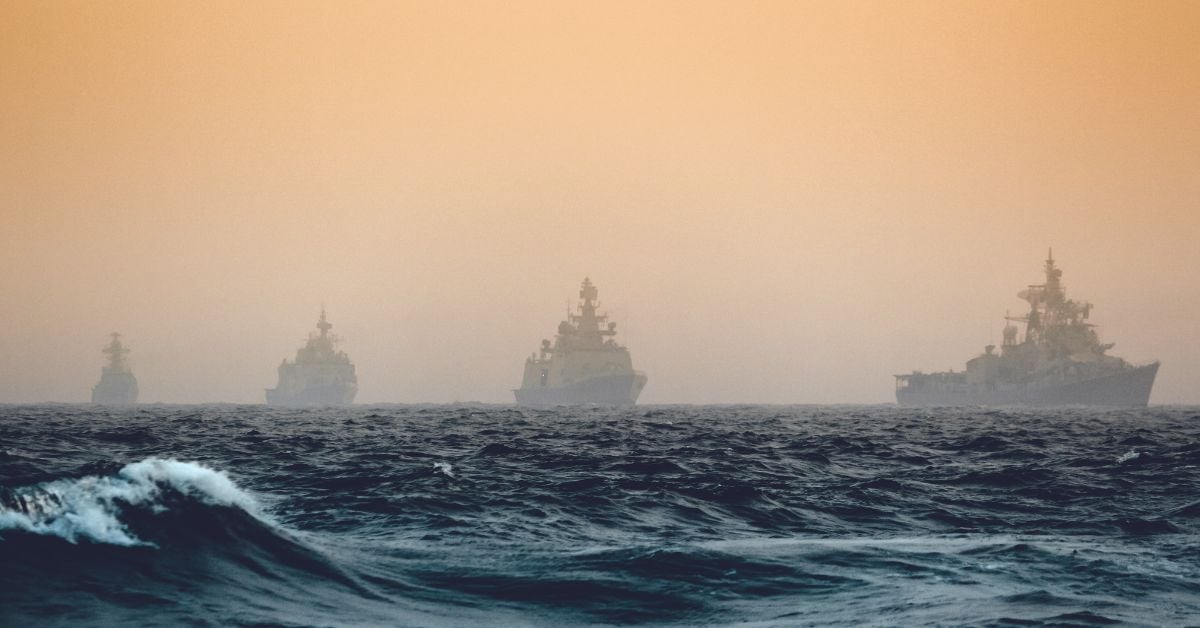
Taiwan's Coast Guard Repels 16 Vessels in Coordinated Maritime Response
Taiwan's Coast Guard intercepted and drove away 16 Chinese vessels engaged in coordinated maritime harassment, a calibrated response that underscores the value of validated, real-time surveillance. Understanding drives protection. For deeper context on Taiwan's evolving maritime capabilities, see our coverage of the V-BAT drone deployment for maritime surveillance. These events together reflect an integrated data ecosystem where empirical monitoring supports purposeful action.
Persistent Lifebelt Signal Guides Cargo Ship to Rescue After 20 Hours at Sea
A flashing light on a lifebelt guided a cargo ship to a stranded woman after 20 hours at sea. This rescue is a calibrated, real-time validation of why integrated ocean safety systems matter. For a deeper look at what happens when those systems fail, see our related coverage, "Human tragedy in Djibouti waters underscores urgent need for integrated ocean safety."
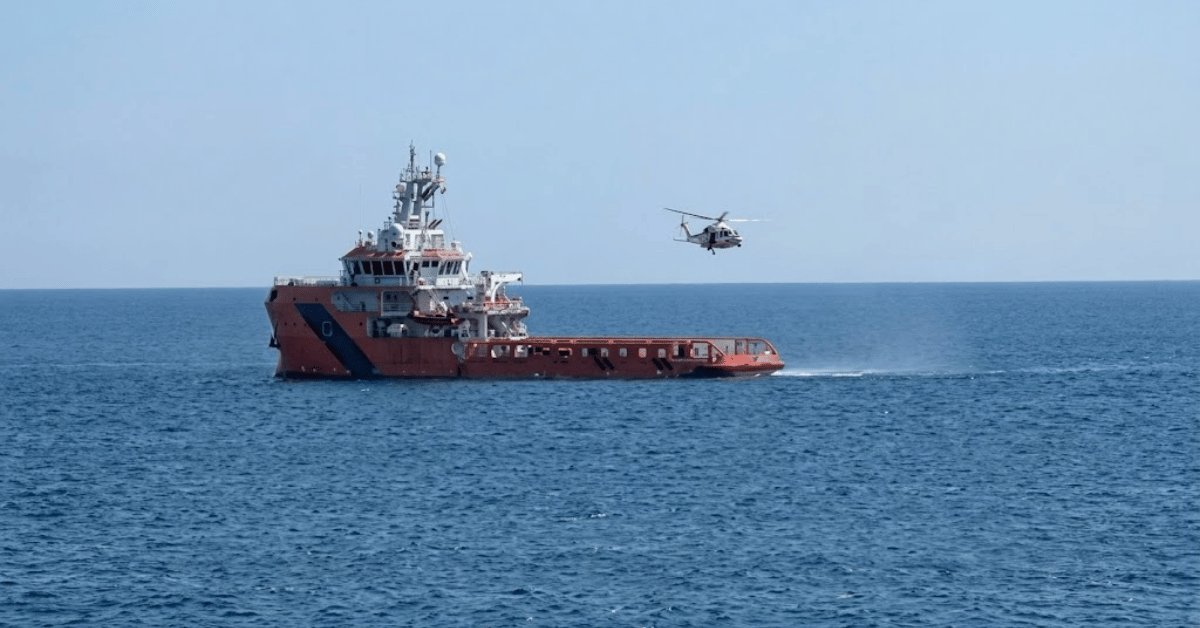
Validating coordinated ocean response through Europe's COASTEX 2026 trial
Off Sicily this week, European partners are putting multi-agency maritime response to the test during COASTEX 2026, a trial led by EMSA that validates coordinated ocean response at scale. The exercise measures what happens when surveillance, coast guards, and navies share real-time data under pressure. Precision matters most when lives are at sea. Our recent coverage of Bulgaria's search for missing crew after a drone strike reinforces why these calibrated, collaborative drills are essential, not theoretical.
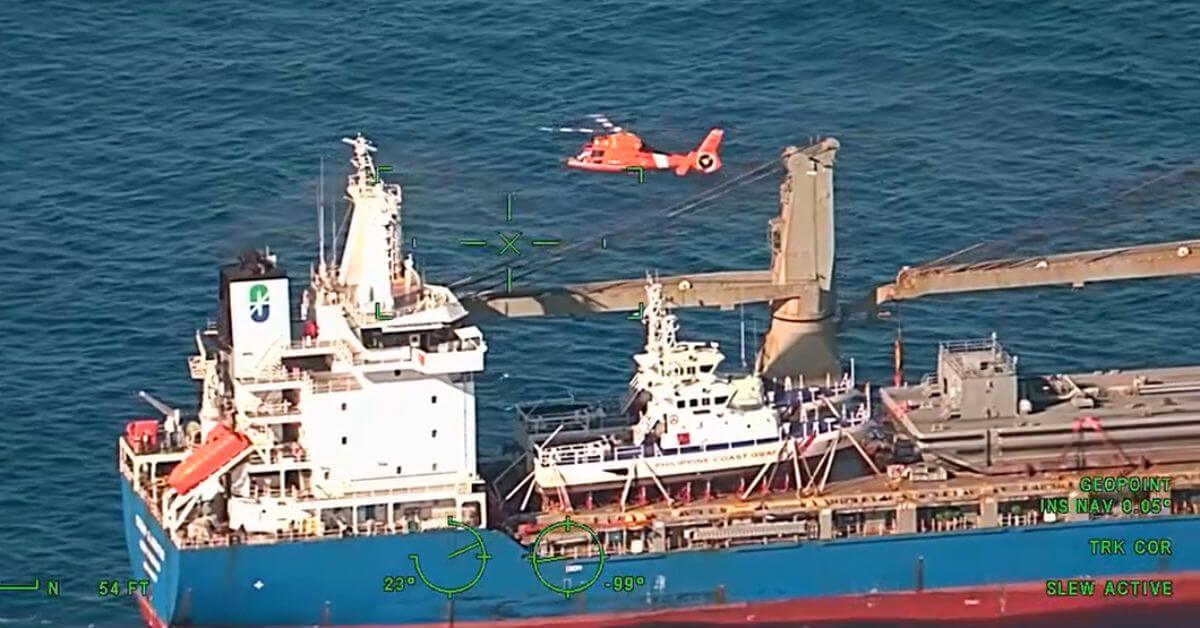
Coast Guard Medevac Responds to Medical Need 86 Miles Off Hawaii
Eighty-six miles off Hawaii, the U.S. Coast Guard evacuated a sick crew member from a U.S.-flagged cargo ship on Wednesday, October 7. This medevac is a reminder that even far from shore, human need demands immediate, coordinated response. Such operations rely on the same integrated data ecosystems that help us track threats like the 350 million tons of annual plastic waste documented in our related coverage, "Tracking 350 million tons of annual plastic waste to its ocean sink."
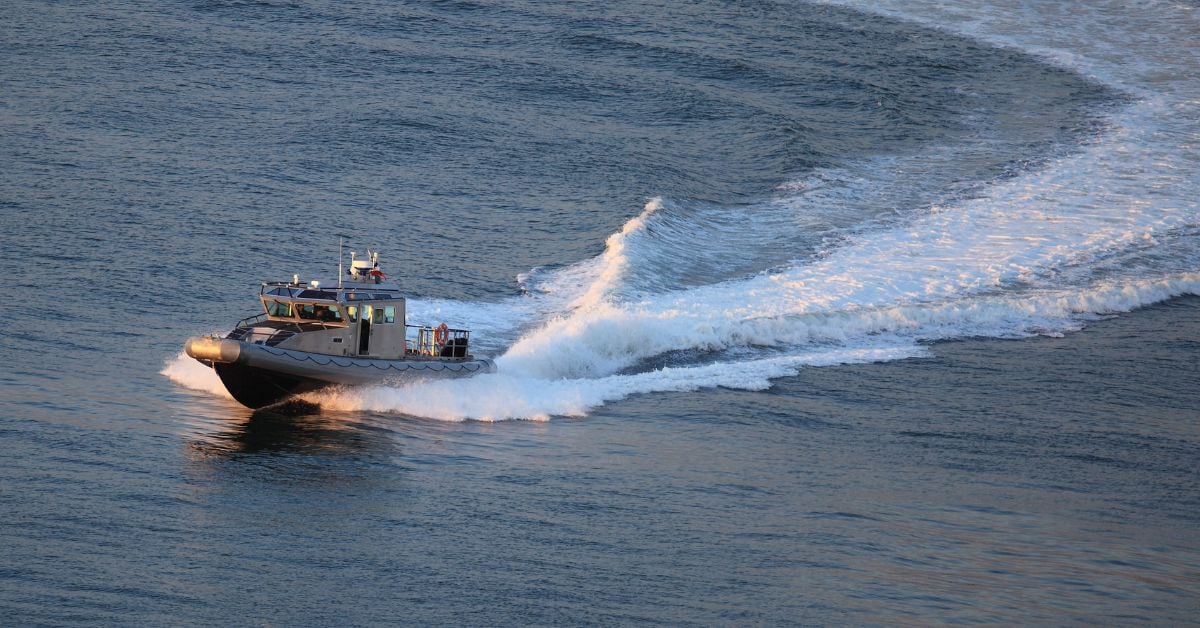
First Sightings of Chinese Militia Vessel Near Taiwan's Eastern Coast
A Chinese militia vessel has been sighted off Taiwan's eastern coast for the first time, accompanied by two other boats. This is a measurable development in a region where empirical data on maritime activity matters. The sighting demands calibrated observation, not alarm. For deeper context on evolving naval capabilities, see our related coverage: "A mothership for underwater drones signals a new era in ocean intelligence." Understanding these movements is essential for integrated ocean security.
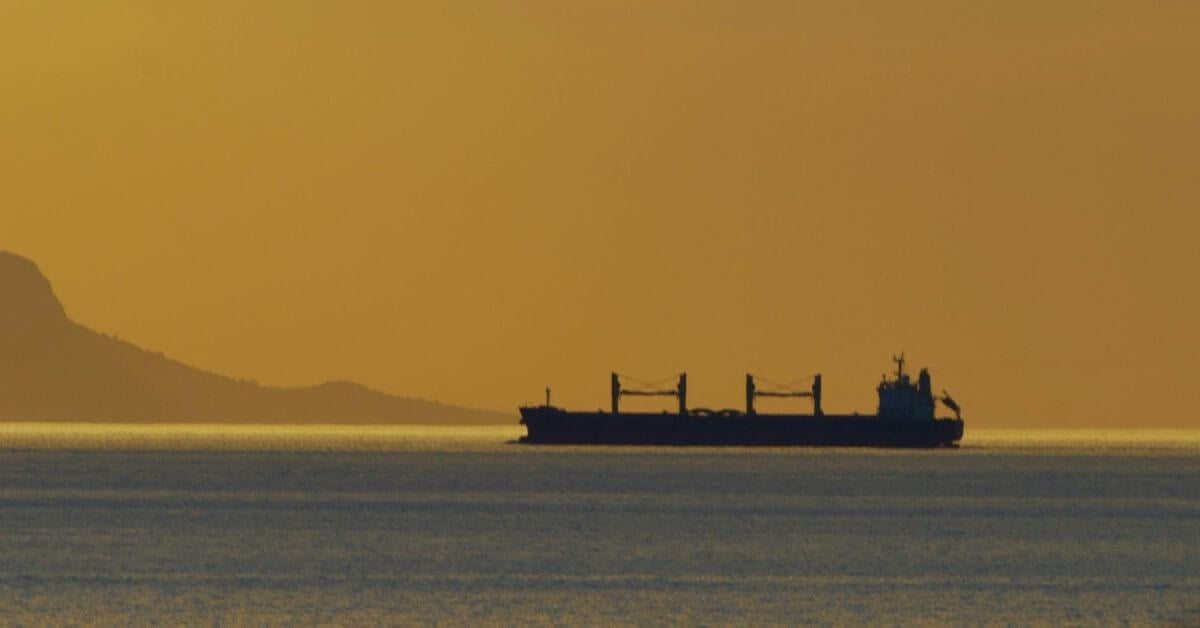
Two Killed as Corn Freighter Sinks in Black Sea After Drone Strike
A Turkish-owned corn freighter has sunk in the Black Sea following a drone strike, killing two crew members and leaving 11 others rescued. The incident marks another sharp reminder that commercial shipping routes now sit directly in the path of regional conflict. Maritime safety is no longer just about weather and navigation; it is about geopolitical risk. For deeper context on how such disruptions are reshaping Baltic traffic, see our coverage of the Gulf of Finland vessel detention.
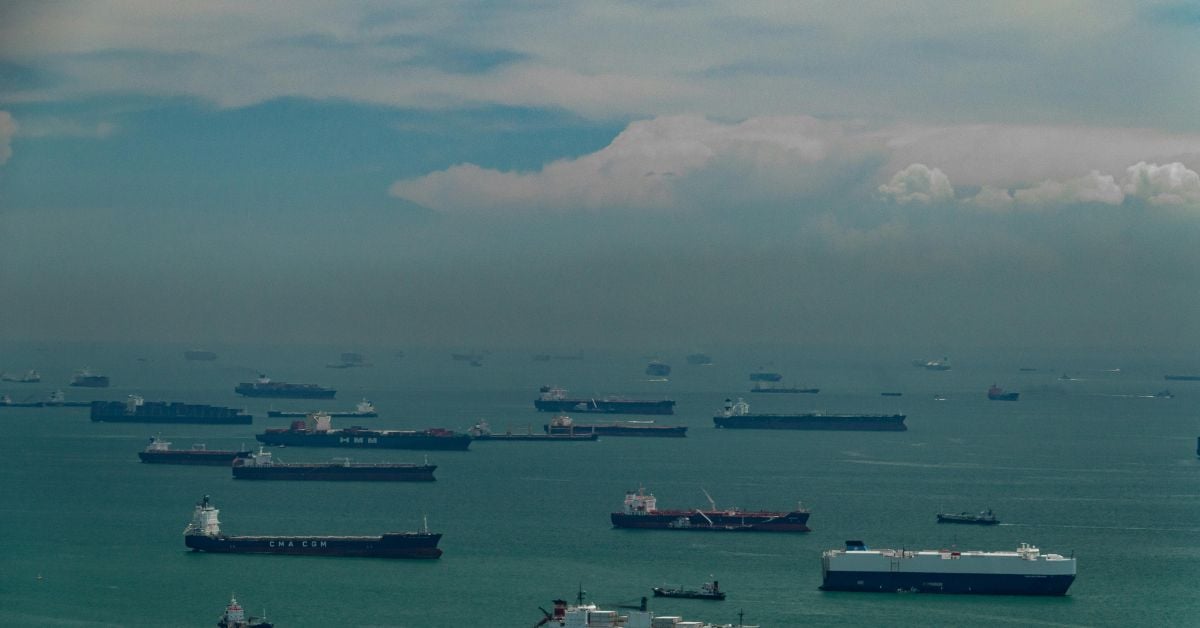
150 vessels idle in Gulf of Finland as Baltic maritime traffic bottlenecks
Nearly 150 vessels sit idle in the Gulf of Finland, a maritime bottleneck gripping Baltic traffic to Russian ports such as Ust-Luga, Primorsk, and St Petersburg. This congestion is more than a logistical snag, it is a measurable disruption in a region already under scrutiny. Such real-time bottlenecks carry empirical weight as climate and geopolitical indicators. For deeper context on maritime security, see our coverage of the captain charged over Ukrainian grain. Understanding these pressures drives protection of both trade and ocean intelligence.
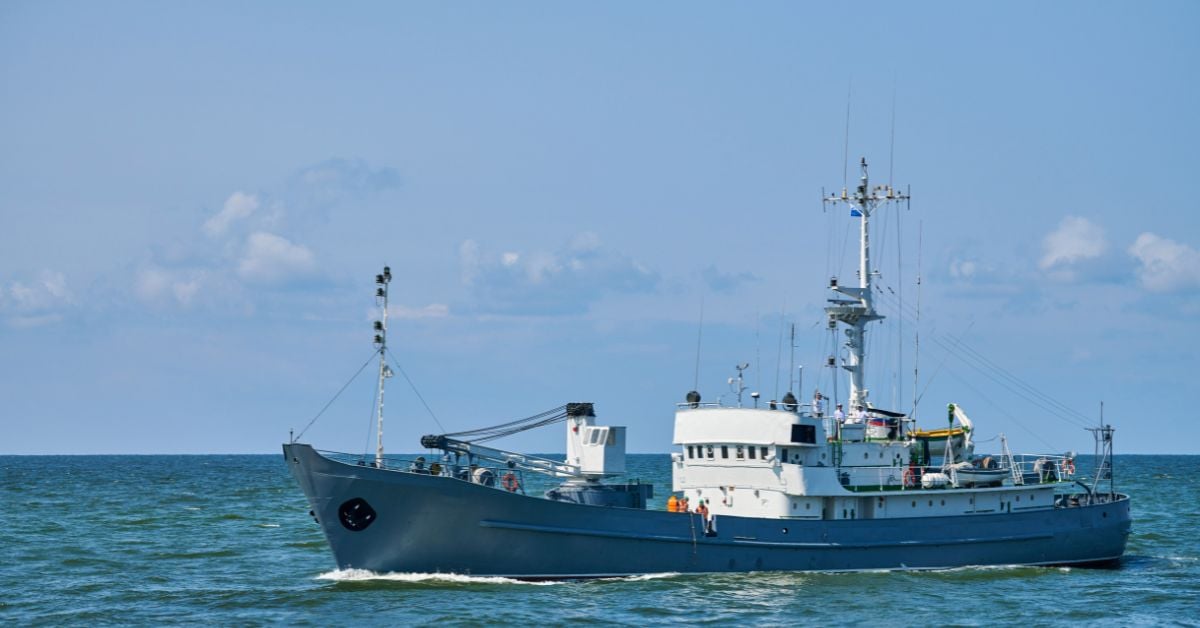
Undersea Cable Integrity Questioned After Reported Location Falsification Incident
A Chinese vessel reportedly falsified its location while operating near undersea cables in Philippine waters. That is not a technical glitch, it is a breach of maritime trust. When vessel identity data becomes unreliable, the integrity of critical infrastructure like undersea cables faces real risk. This incident demands empirical accountability. For further insight into how precise positioning shapes ocean industries, see our related coverage of "Precision at sea advances Asia-Pacific offshore wind by 2029."
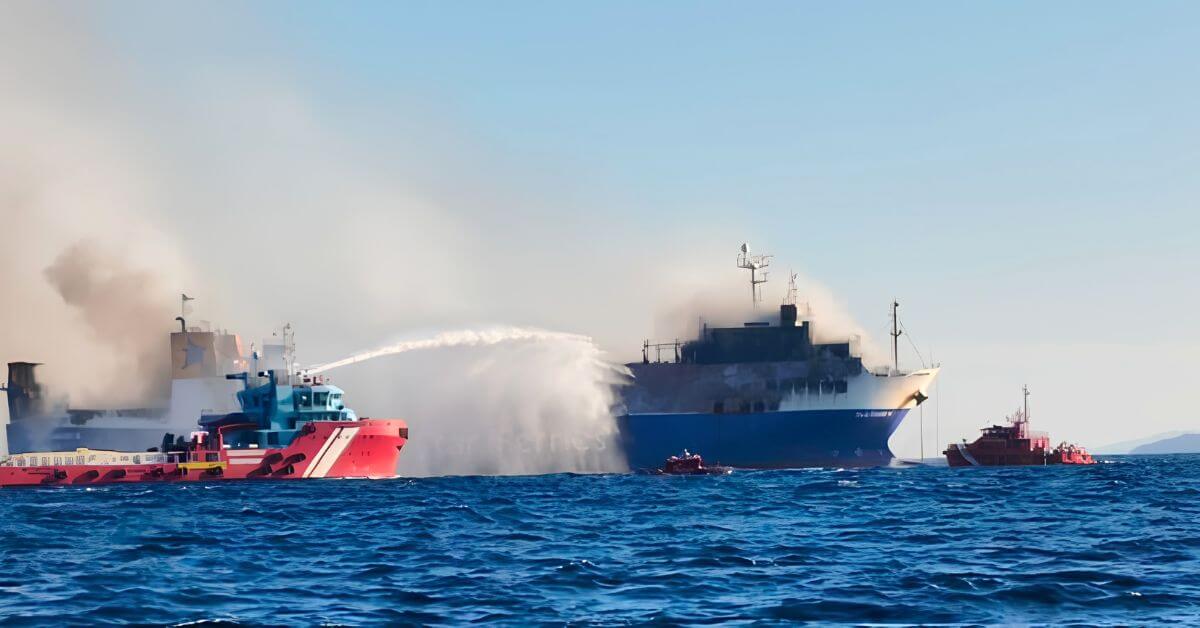
Cargo Ship Fire Prompts Evacuation Near Mykonos; Incident Under Investigation
A fire aboard a Greek-flagged cargo ship north of Mykonos on September 25 forced all 29 crew members to evacuate, a stark reminder that maritime emergencies remain an ever-present test of preparedness. The incident, now under investigation, underscores how quickly operational stability can shift to crisis. For those tracking such risks, the recent *Fatal Attack on Cargo Ship Highlights Black Sea Shipping Risks* offers a sobering parallel.
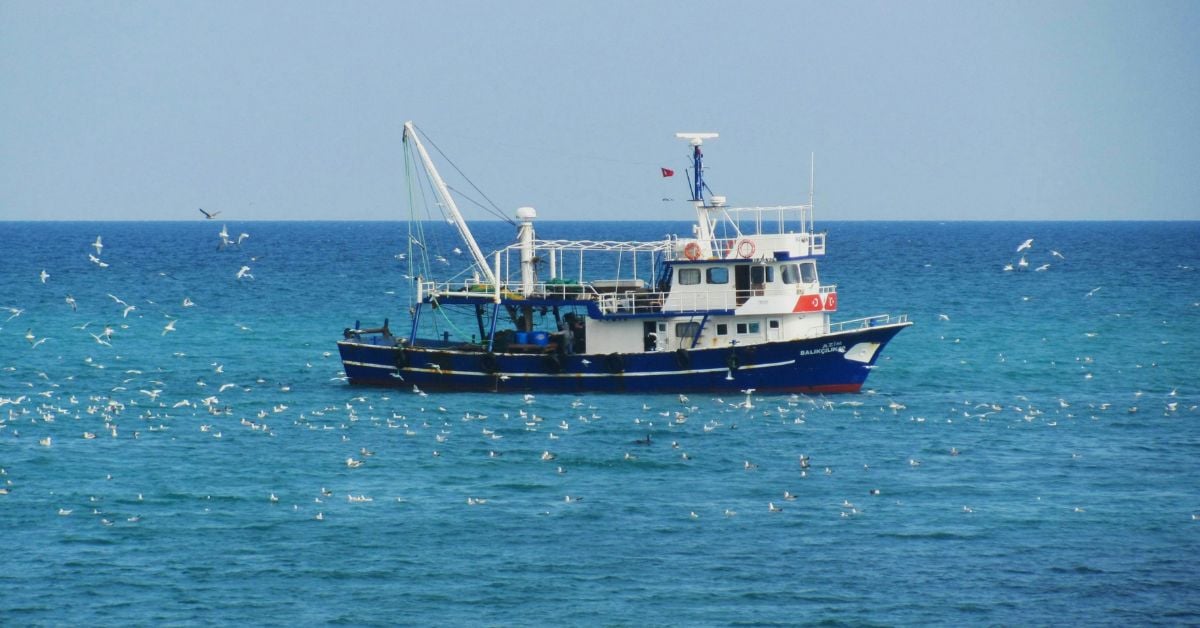
Submerged Fishing Vessel Located, Human Remains Identified
More than five years after the *Emory Jay* went down off Rhode Island on New Year's Day 2019, the vessel has been located, along with human remains identified as one of the fishermen. Closure, even partial, is a form of progress, but it underscores how slowly the sea surrenders its answers. This find is a reminder that ocean intelligence is built on persistence.
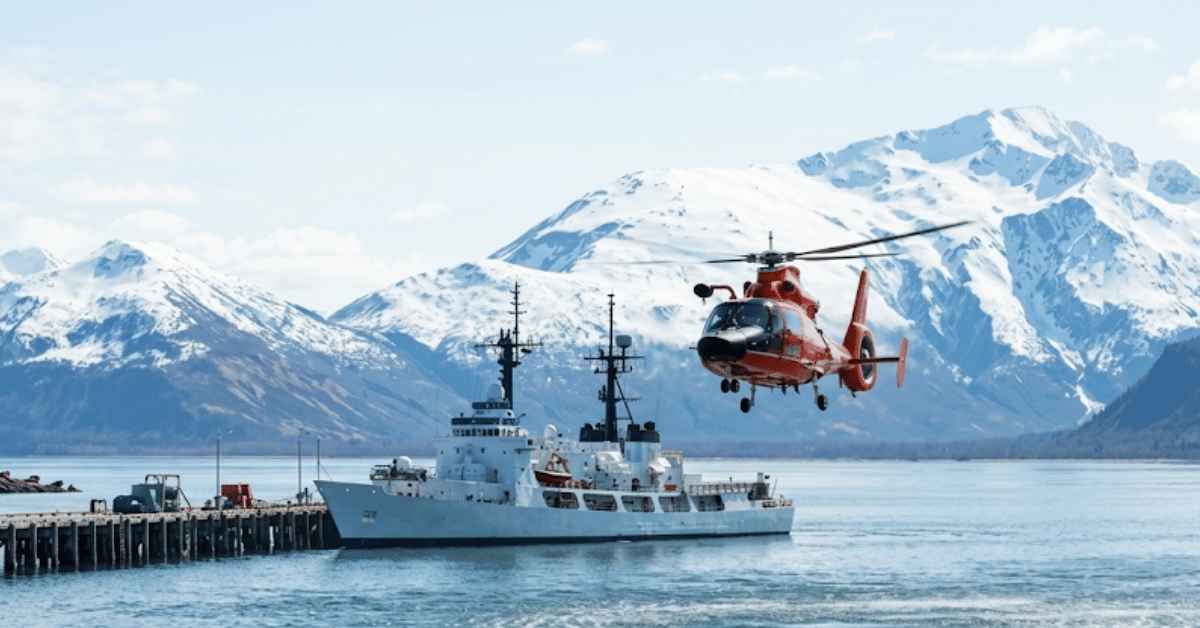
Alaska’s Base Kodiak to Gain Enhanced Arctic Capabilities with New Pier
The U.S. Coast Guard's $315 million contract for a new cutter mooring and fuel pier at Base Kodiak is a measured step toward strengthening Arctic readiness. This investment gives Alaska's hub the infrastructure to sustain operations where climate indicators demand attention. It is practical, forward-looking, and overdue. For broader context on polar infrastructure momentum, our coverage of Russia's Northern Sea Route icebreaker financing offers a useful contrast. This pier is about capacity, plain and simple, and that is how we measure progress.
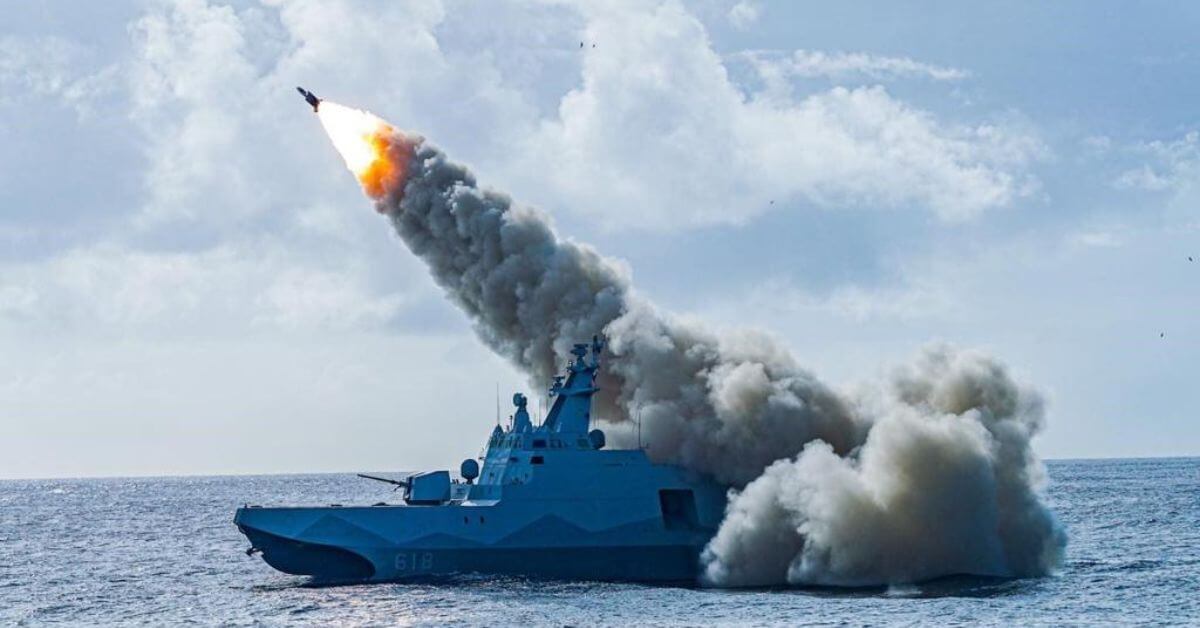
Taiwanian Exercise Validates Supersonic Missile Capability Against Naval Target
On September 18, Taiwan sank a decommissioned navy frigate with anti-ship missiles during a three-day exercise in Pingtung, validating supersonic missile capability against naval targets. The precision speaks to measurable progress in defense readiness, a point worth watching closely. Regional maritime activity remains a live thread, as seen in our coverage of New Zealand vessels transiting the Taiwan Strait en route to a Philippines exercise. These events underscore a shared focus on security, though each story stands on its own facts.
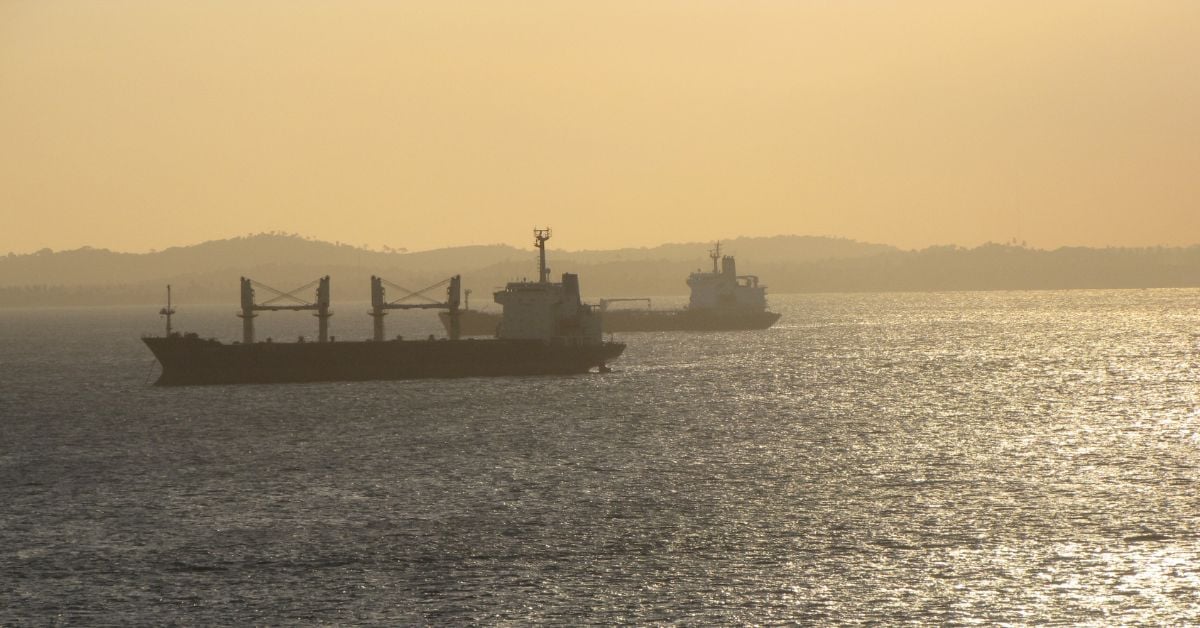
Maritime Cybersecurity Incident: U.S. Coast Guard Boards Vessels Following Cyber Breach
The U.S. Coast Guard's boarding of vessels on August 21, following a cyber breach attributed to "foreign cyber actors," signals a sobering reality: maritime security now extends well beyond physical threats. This action is a measured, necessary response, yet it raises questions about the vulnerability of our integrated data ecosystems. The Coast Guard's restraint in naming the actors is understandable, but the incident underscores a collective urgency. Such disruptions ripple across global shipping lanes, reminding us that ocean intelligence must include cybersecurity.
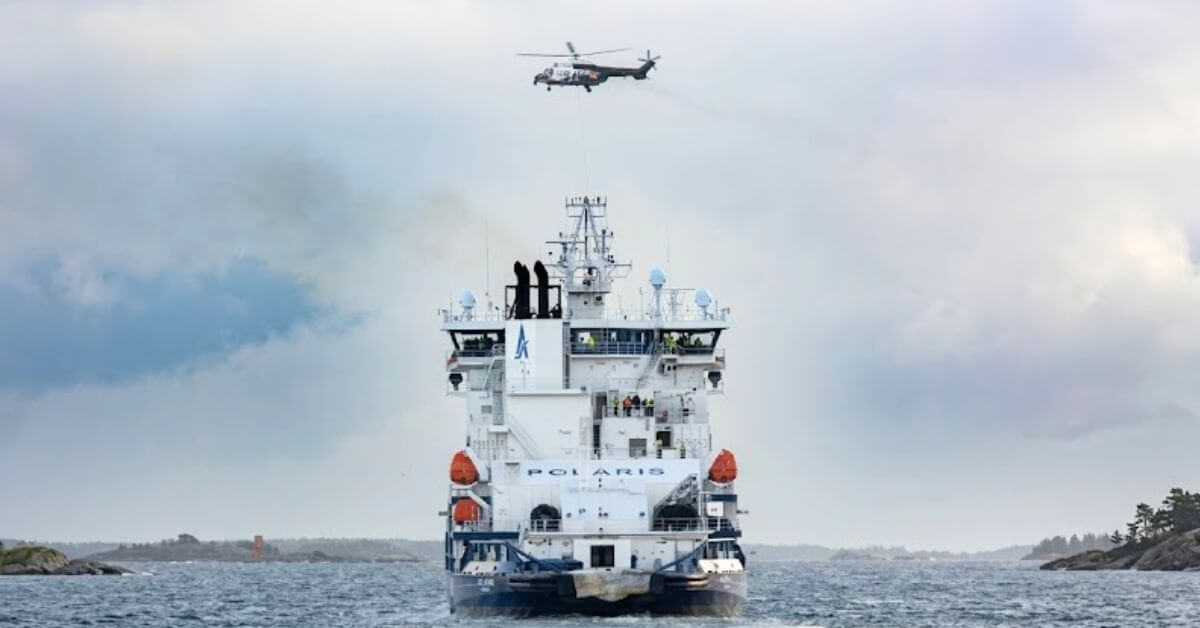
Protecting Baltic Cables: Finland Enhances Response to Underwater Infrastructure Threats
Finland's response to suspected underwater infrastructure damage is tightening, and rightly so. The incidents involving Baltic cables have pushed officials to sharpen their procedures for assessing vessels that may pose a threat. This is measured, practical progress. Protecting the data routes that carry nearly all transoceanic traffic is not optional. For readers tracking related risks, our coverage of the bulk carrier grounding near Gladstone offers another reminder of how vulnerable maritime chokepoints remain.
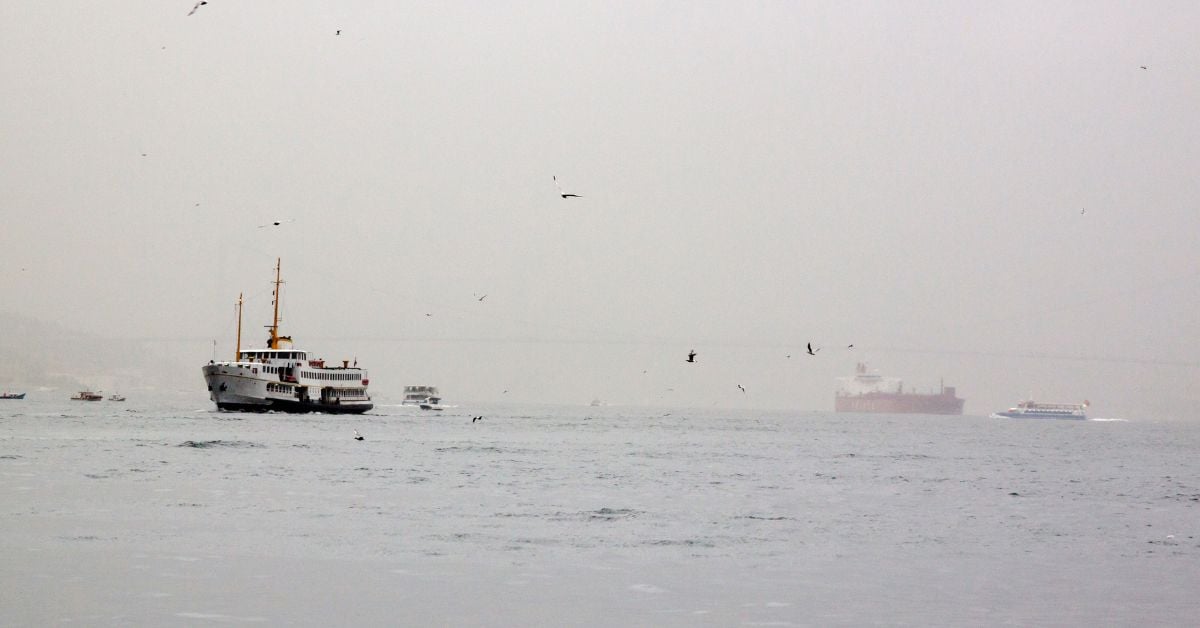
Body of Captain Recovered Following Sea of Marmara Collision
The recovery of Yaşar Kayhan's body, found five kilometers from the Sea of Marmara collision site, brings a somber closure to a search that began with uncertainty. Now transported to the forensic department, the focus shifts to determining the cause of death with empirical precision. This incident underscores the inherent risks of maritime operations, where every voyage carries measurable stakes. For deeper context on regional maritime dangers, our coverage of the fatal attack on a cargo ship in the Black Sea highlights similar vulnerabilities.
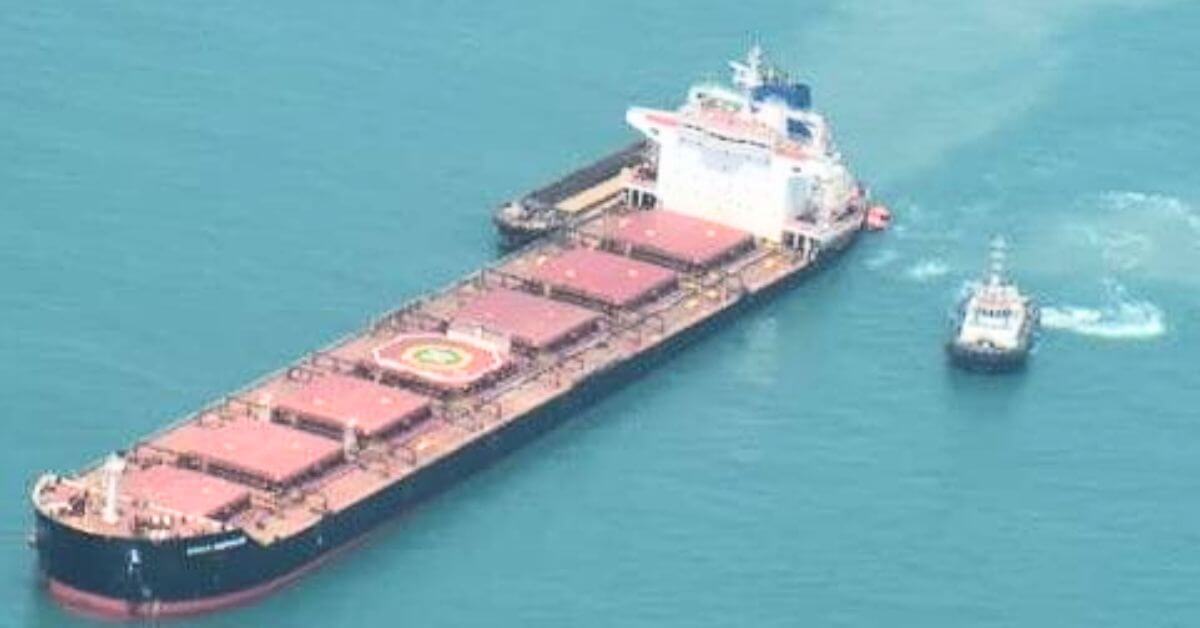
Crew Rescued After Merchant Ship Collision Near India’s Coast.
A collision off India's coast forced the evacuation of 21 crew members from the merchant vessel MV KMAX EMPEROR. The Coast Guard's rapid response prevented a greater crisis, but this incident underscores the persistent risks in busy shipping lanes. Maritime safety demands continuous vigilance, not just reaction. For deeper context on related maritime emergencies, read our coverage of the cargo ship fire near Mykonos, each event reminds us that ocean intelligence must extend to human safety at sea.
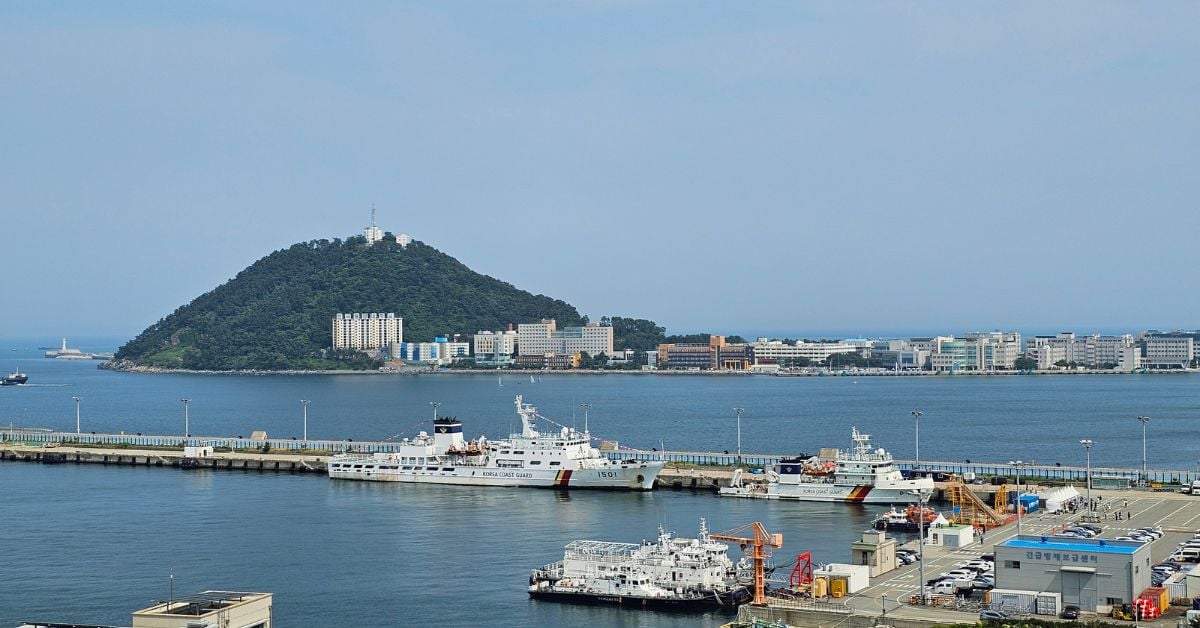
Investigation Launched After Tugboat Sinking Leaves Five Crew Missing
A tugboat with eight crew members is now the subject of an investigation after it sank, leaving five missing. The TNS Catcher went down with one survivor who climbed to its top as it submerged. This incident underscores the persistent dangers faced by maritime workers, even in routine operations. For context on how authorities respond to such tragedies, see our coverage of the submerged fishing vessel and identified remains off Rhode Island.
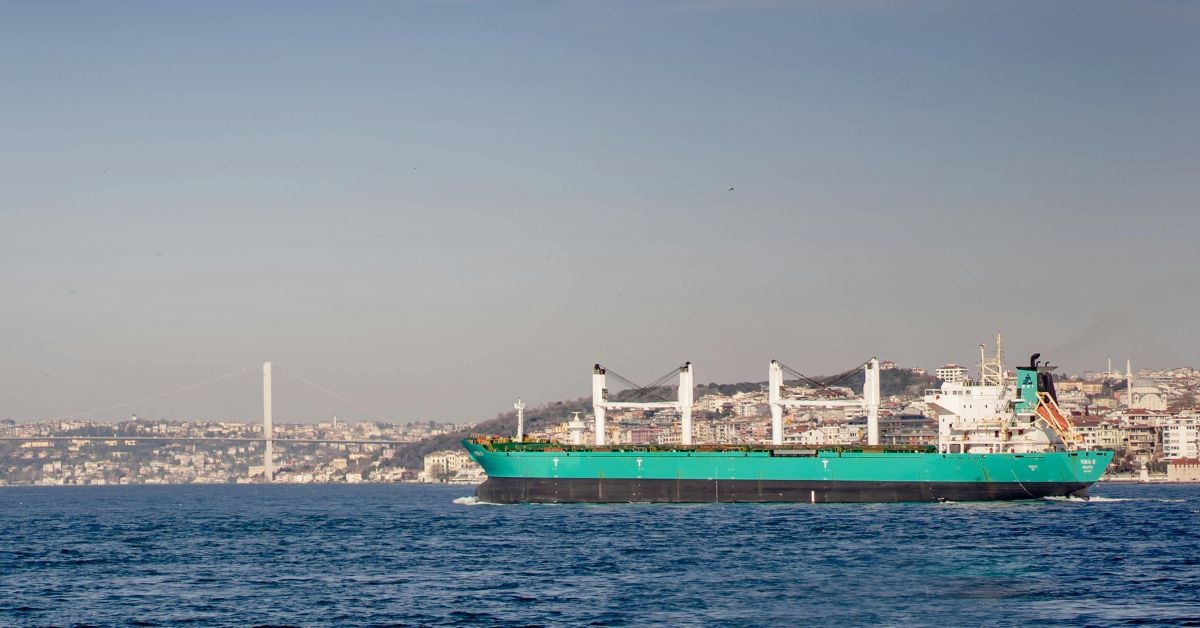
Shipping Companies Penalized for Illegal Ocean Waste Discharge
A U.S. court has found two shipping companies guilty of illegally discharging oily bilge waste into the open ocean. These are not victimless actions. Such discharges degrade marine ecosystems and undermine the calibrated, real-time monitoring systems that responsible operators rely on. Accountability is measurable, and this ruling reinforces that maritime law applies equally to all. For deeper context on how ocean security is being enforced across domains, see our coverage of the Coast Guard's recent maritime interdictions.
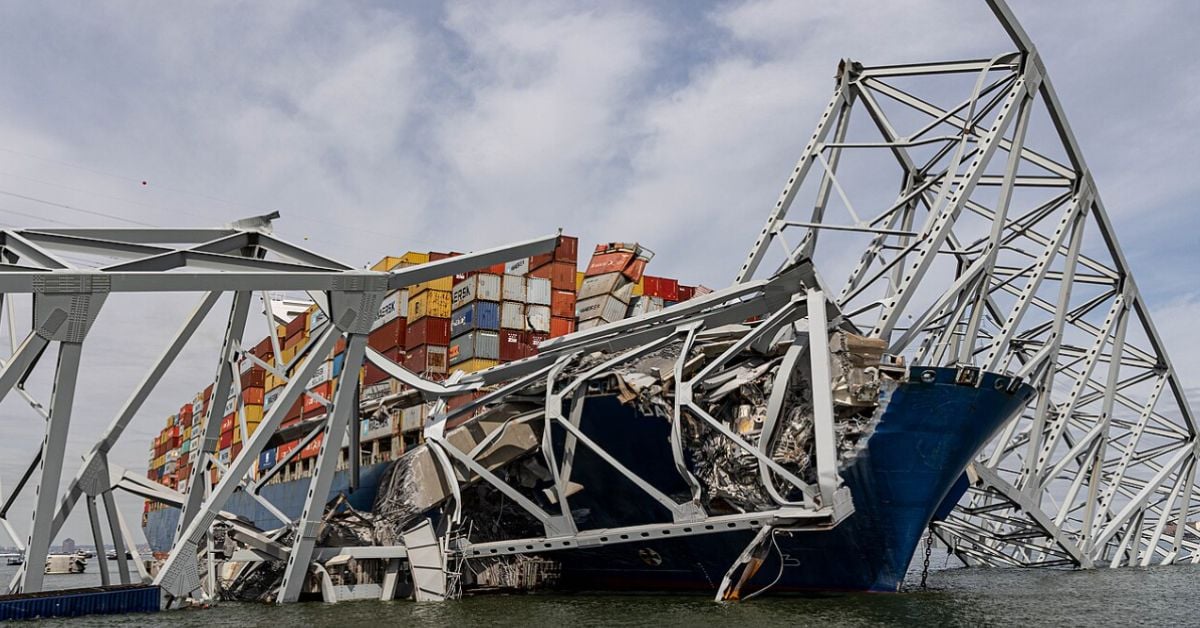
Key Bridge Collapse Reveals Critical Gaps in Port Safety Assessments
The final report on the Key Bridge collapse confirms what empirical data has long indicated: waterway risk assessment tools remain underutilized, leaving port infrastructure vulnerable to evolving threats. This is a measurable failure, not an abstract one. Validated, real-time ocean intelligence must be integrated into safety protocols, understanding drives protection. For deeper context on maritime infrastructure development, see our coverage of Paradip Port's designation as a Mega Port, anchoring Eastern India's growth.
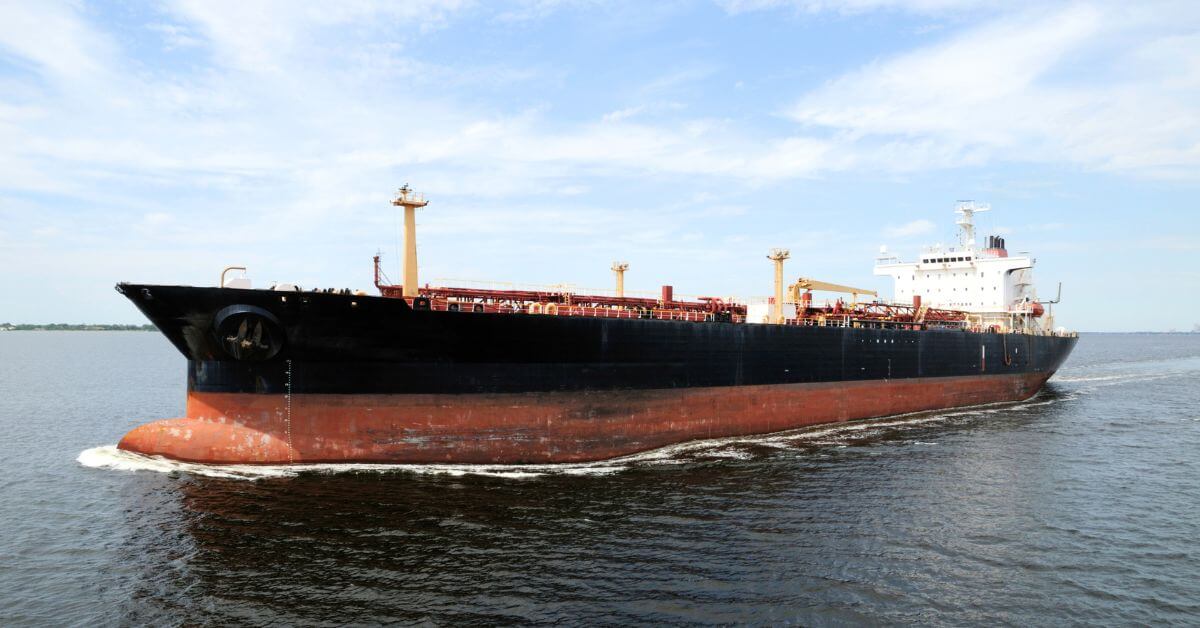
Yemen Investigates Sanctioned Tanker Incident, Scrutinizes Port Entry.
Yemeni authorities have opened an investigation into a sanctioned tanker's voyage, cargo, and documents, with particular scrutiny on its entry into Ras Isa. The move signals a firm, measured response to a vessel operating under heightened international restrictions. It is a necessary step toward accountability, though questions remain about how such entries were cleared in the first place. For broader context on regional pressure points, our coverage of Gulf of Oman STS transfers offers useful perspective.
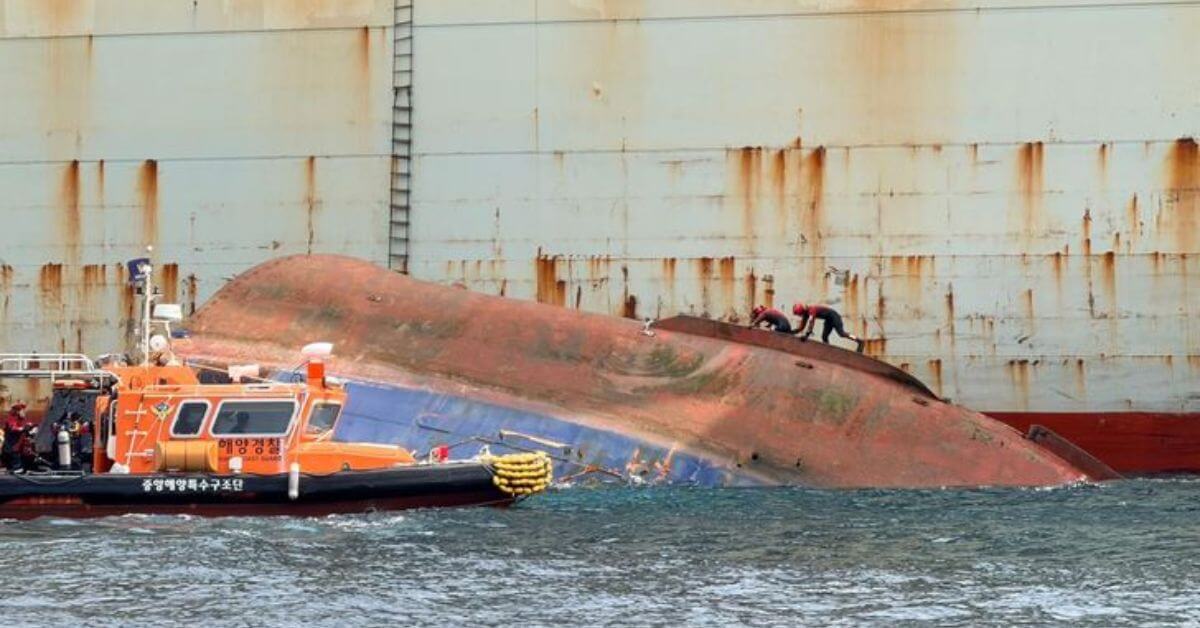
Tugboat Sinking Near Busan: Search Underway for Six Missing Crew.
A 286-tonne tugboat capsized and sank east of Oryukdo Island, leaving six crew members missing. The TNS Catcher went down at roughly 1:29 p.m., fully disappearing beneath the surface by 3:27 p.m. Search operations are underway, and every minute matters in these waters. Maritime emergencies like this remind us how quickly conditions can turn. For broader context on recent incidents, our coverage of the cargo ship fire near Mykonos offers a similar case of rapid response.
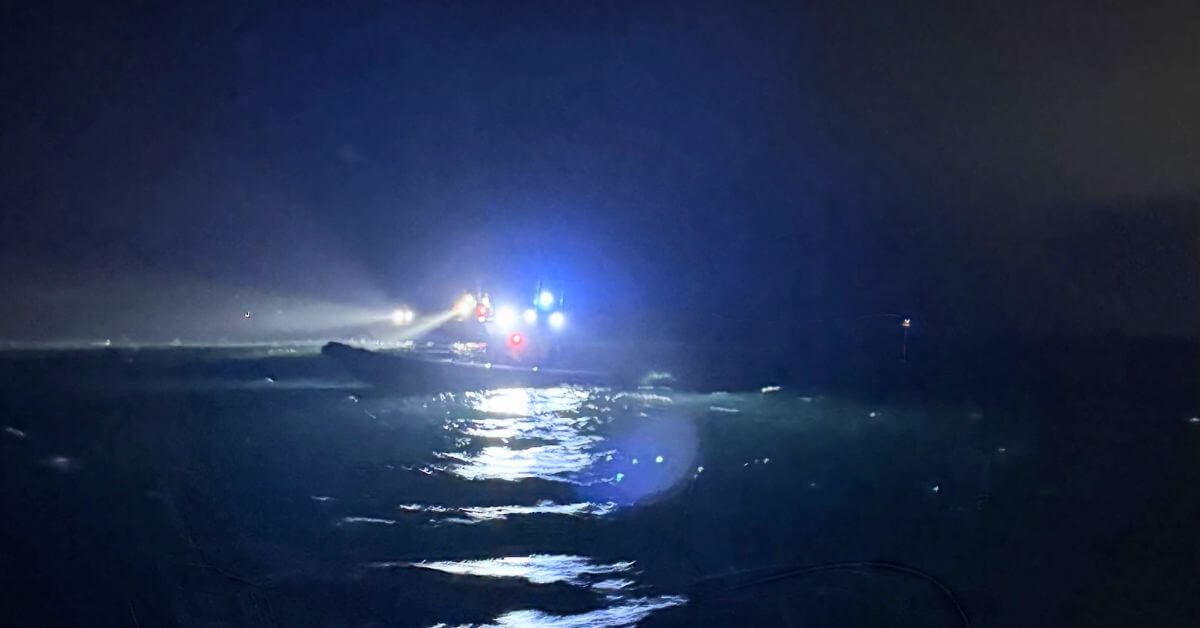
Collision in Hakefjord: Investigation Follows Fatal Loss of Life
The collision in Hakefjord, where a cargo ship overtook and struck a small pleasure boat, killing a mother and her daughter, demands more than a routine inquiry. This is a devastating reminder that maritime safety depends on vigilance in every encounter, regardless of a vessel's size. The investigation must be rigorous and transparent, as the waters we share leave no room for error. For broader context on recent incidents, our coverage of the bulk carrier grounding near Gladstone offers a parallel look at operational risks.
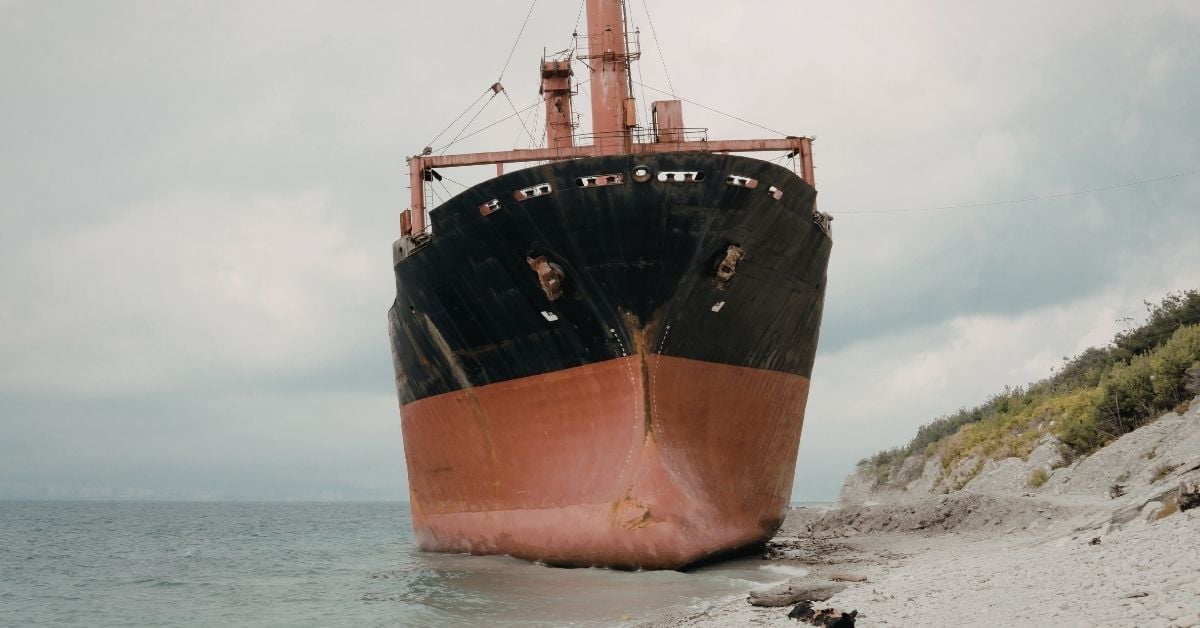
Damaged Cargo Ship, Linked to Russia, Grounds Near Istanbul
A Russian-flagged cargo ship has run aground on Alacalı Beach near Istanbul, grounding in Turkish waters. The incident adds another layer to the region's already complex maritime traffic, where every disruption carries weight. We've seen similar challenges recently, including the bulk carrier freed near Gladstone, Australia, after six days. Each grounding reminds us that navigation remains a test of precision, not just technology. Vessels push through crowded corridors daily; this one met the shore instead. The incident warrants close attention as assessments begin.
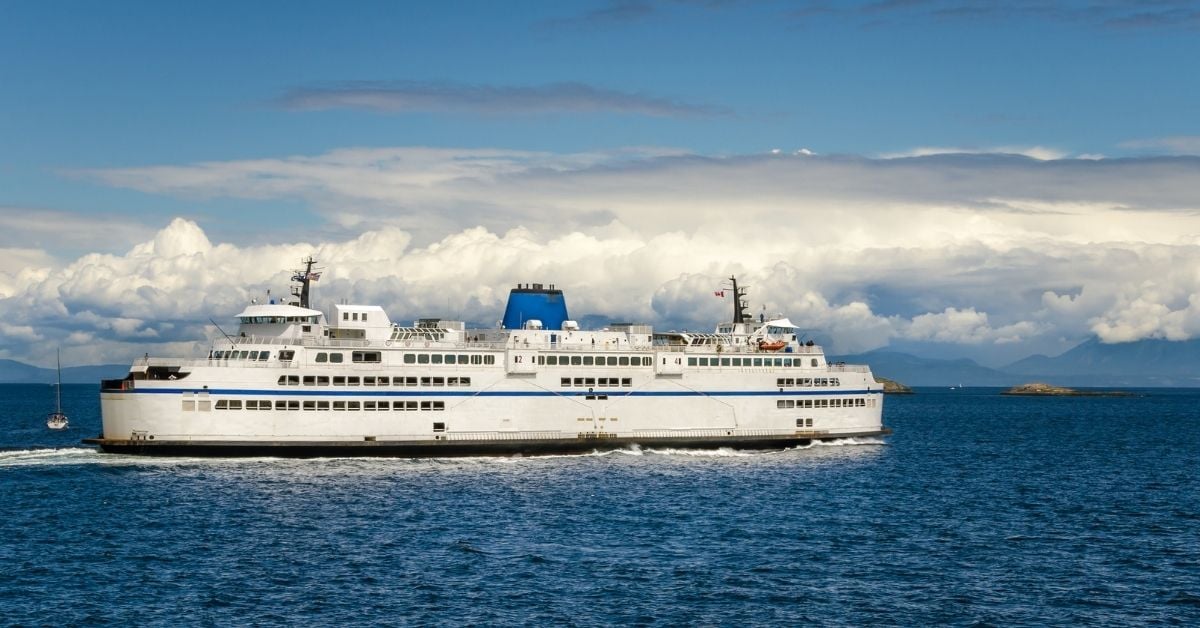
Loss of Life and Missing Persons Following Ferry Sinking in Eastern Mediterranean
A passenger ferry en route from Girne to Tasucu sank after taking on water in the Eastern Mediterranean, leaving authorities to investigate the cause as they account for missing persons. The loss of life demands rigorous, transparent inquiry. Maritime safety depends on validated, real-time reporting and shared lessons across jurisdictions. This incident echoes recent coverage, including the cargo ship fire near Mykonos, underscoring that vessel resilience remains a pressing concern. Understanding drives protection; we will follow the investigation closely.