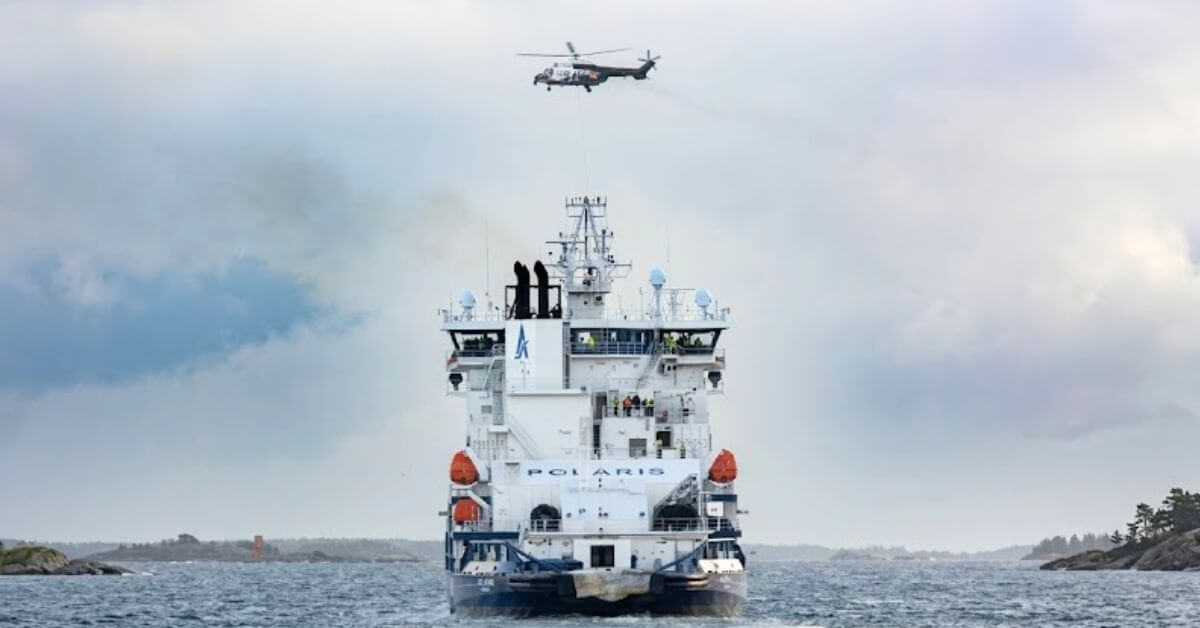
Finland's decision to strengthen its response to vessels suspected of damaging Baltic Sea cables is a measured, necessary step. It comes after a series of incidents that have made one thing clear: the infrastructure carrying nearly all transoceanic data is vulnerable, and the response to threats against it has been too reactive. This is not about alarmism; it is about the practical reality that a single anchor drag or suspected sabotage can disrupt connectivity for millions. The recent Cargo Ship Fire Prompts Evacuation Near Mykonos; Incident Under Investigation reminds us that maritime incidents often carry cascading consequences, but undersea cables occupy a unique space: they are critical, silent, and largely unguarded.
The Finnish approach, as reported, focuses on improving live response capabilities and boarding procedures. That is the right instinct. But our take goes further: this should be a catalyst for a broader, integrated data ecosystem strategy, not a standalone fix. The Baltic Sea is a microcosm of a global challenge. When we look at the Integrated Subsea Cables Enhance Data Transmission Across the Indian Ocean, we see the same principle: 99% of the world's data flows under the sea, yet the vessels and routes that sustain this are often under-regulated and under-monitored. Finland's move is a validation that maritime domain awareness must evolve from passive tracking to active, calibrated intervention. It is not about militarizing the ocean; it is about institutionalizing accountability.
For our readers, the practical implication is direct. If you operate in shipping, logistics, or coastal state enforcement, expect more rigorous inspections and faster legal protocols when a cable fault coincides with a vessel's path. This is not a hypothetical. The Bulk Carrier Freed After Prolonged Grounding Near Gladstone, Australia shows how quickly a single vessel can dominate response resources and international attention. But cable protection demands a different kind of vigilance: pre-emptive, intelligence-led, and cooperative. Finland's enhanced response is a step toward that, but it must be matched by regional agreements on data sharing and evidence standards. Otherwise, we risk a patchwork of national measures that savvy operators can exploit.
What would we tell a reader who asks about this? We would say: watch how Finland operationalizes this. Are they deploying more patrol assets, or are they improving forensic capabilities to secure evidence after a suspected incident? The latter matters more. A boarding is only useful if it leads to prosecutable findings. The open question is whether other Baltic states and NATO allies will follow with compatible protocols. The concrete point to watch is the next reported cable fault in the region: how quickly Finland's new procedures turn a suspected incident into a documented case will be the true measure of this policy. That is the metric that matters, not the press release.