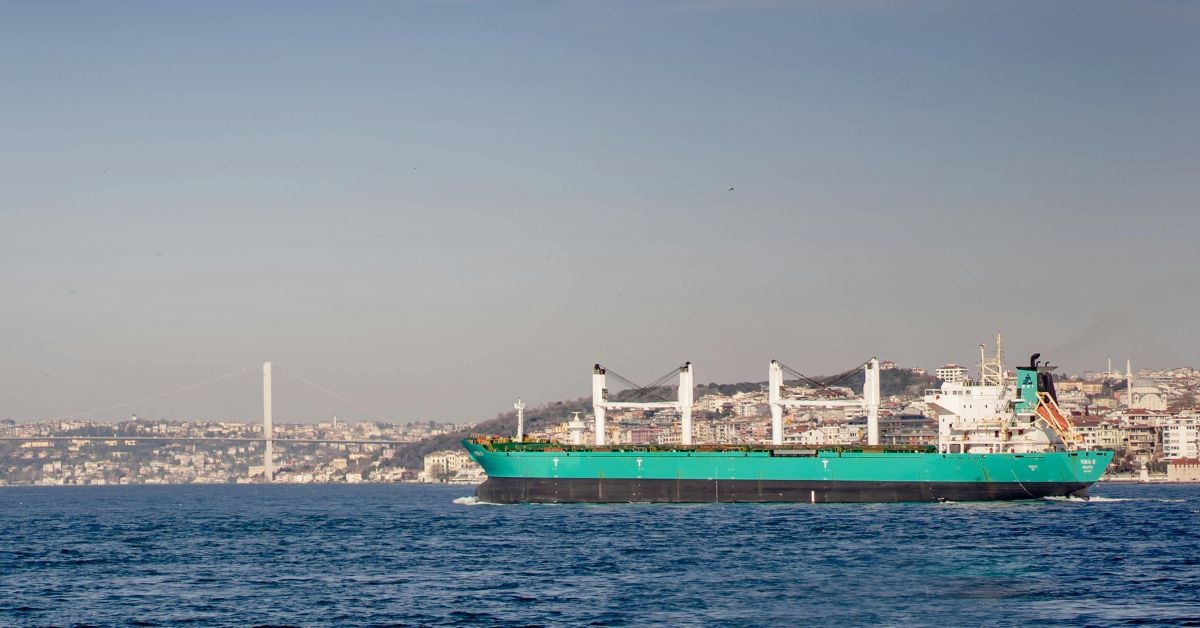
Two shipping companies have been found guilty in a U.S. court of illegally discharging oily water into the open ocean. This is not an isolated lapse in judgment; it is a systemic failure of accountability in an industry that operates largely beyond public view. The ruling arrives alongside news that the U.S. Coast Guard has seized more than 25,000 pounds of cocaine in recent maritime interdictions, underscoring the breadth of illegal activity at sea, from narcotics trafficking to environmental crime. Meanwhile, the discovery of human remains inside a fishing vessel that sank off Rhode Island in 2019 reminds us that the ocean does not easily surrender its secrets or its evidence. These stories, read together, form a single, sobering narrative: the ocean is monitored far less than it should be, and the consequences of that gap are measured in pollution, lost lives, and eroded trust.
Our take is direct: this conviction should not be treated as a victory lap for regulators, but as a baseline for what enforcement must become. The illegal discharge of oily waste is not a victimless act. It introduces hydrocarbons into marine ecosystems, disrupts food webs, and compounds the stress already placed on ocean health by warming waters and acidification. The shipping companies involved were caught, but the question that lingers is how many similar discharges go undetected. The Coast Guard's recent success in interdicting narcotics at sea demonstrates that surveillance and interdiction capacity exist, yet that same capability must be systematically applied to environmental compliance. We would tell any reader who asks: do not mistake a single court ruling for systemic reform. The real measure of progress will be whether this case leads to broader, data-driven monitoring of vessel discharges, using the same kind of integrated ocean intelligence that tracks climate indicators and illegal fishing.
What this means in practical terms is that the maritime industry needs a calibrated, measurable shift in how it reports and verifies waste handling. Peer-reviewed studies have long shown that a significant fraction of ships bypass legal disposal systems, often falsifying oil record books. The technology to detect illegal discharges from orbit, via satellite-based synthetic aperture radar, exists and is validated. Regulators and shipping companies alike must integrate these real-time observation tools into routine compliance frameworks. Without that integration, enforcement remains reactive, catching only the most careless offenders. The court's decision should accelerate investment in transparent, empirical tracking of ship waste streams, from engine room to port facility.
The specific consequence to watch is whether this ruling prompts the International Maritime Organization to tighten its own enforcement protocols, or whether it remains an outlier in a system that still relies heavily on self-reporting. For our readers, researchers, policymakers, and ocean advocates, the takeaway is clear: accountability at sea requires persistent, data-backed vigilance. A single conviction is a step, not a destination. The ocean's intelligence is waiting to be used.