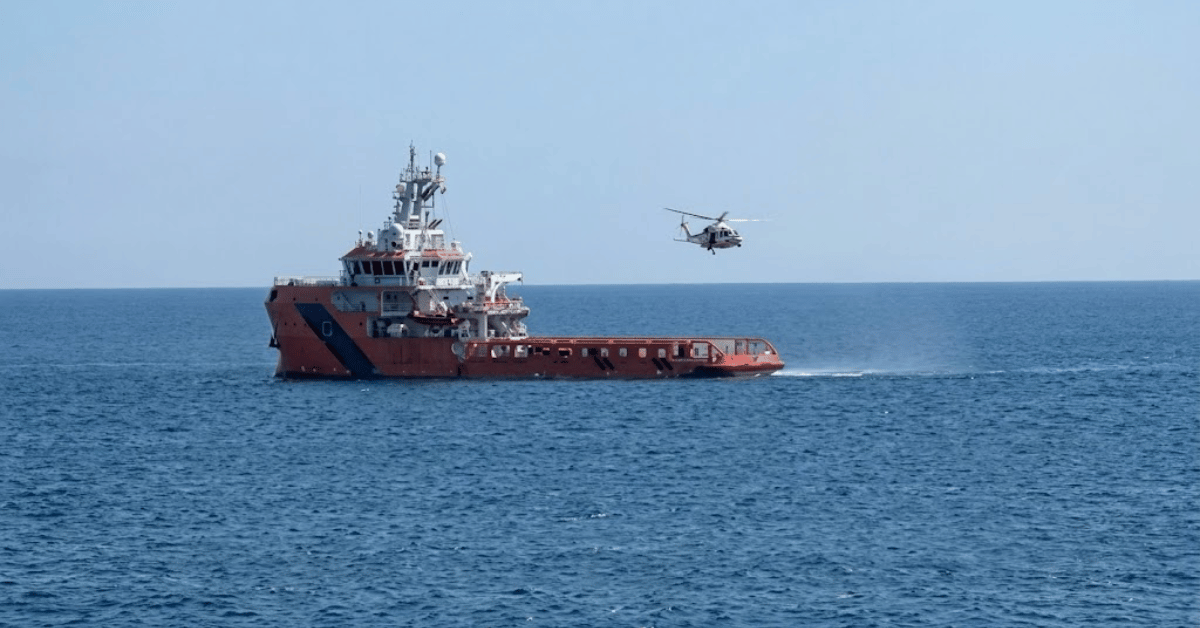
Coordinated ocean response is not a theoretical goal, it is a capability that must be tested, validated, and refined under pressure. Europe's COASTEX 2026 trial, conducted by EMSA and a coalition of partners off the coast of Sicily, demonstrated exactly that kind of rigorous, multi-agency validation. This is not merely a successful exercise; it is a calibrated proof point for how integrated data ecosystems and shared operational awareness can turn a cascade of maritime emergencies into a managed, measurable response. For readers who follow Bulgaria concludes search for missing crew after drone strike in its waters, the contrast is instructive: where a single, devastating incident tests the limits of national search and rescue, COASTEX 2026 shows what can be achieved when multiple nations and agencies rehearse the same kind of coordination before lives depend on it. The exercise also aligns with findings from Eleven data-driven innovations sharpen our ocean intelligence, as it relied on live satellite feeds, remotely piloted aircraft, and real-time information sharing to build a shared maritime picture that was both validated and actionable.
What makes COASTEX 2026 significant is its structure: one evolving scenario that forced participants to shift between fisheries control, law enforcement, search and rescue, pollution response, and maritime security without resetting the clock. That is not a drill; it is a simulation of reality, where a single vessel inspection can uncover unauthorised persons, trigger a distress call, and lead to a collision that threatens a marine protected area. EMSA's deployment of its oil spill response vessel *Adelia* alongside the *Ocean Sentinel*, combined with CleanSeaNet satellite monitoring and RPAS overflights, provided continuous, peer-reviewed data on the simulated slick's movement and eventual containment. This is the kind of integrated data ecosystem that turns ocean intelligence from a concept into a decision-support tool. The involvement of Frontex, EFCA, and national coast guards from Italy, Malta, Portugal, and Spain underscores that no single agency holds all the pieces; the value lies in the calibrated exchange of information across jurisdictions.
Our take is straightforward: exercises like COASTEX 2026 are the empirical foundation for building trust and interoperability before a real incident demands it. The workshops led by EMSA, EFCA, and Frontex on geopolitical shifts and capacity building suggest that the European Coast Guard Functions Forum is not just rehearsing tactics, it is validating the institutional frameworks that will underpin coordinated response for years to come. The handover of the ECGFF chairmanship from Italy to Spain signals continuity, not disruption. For policymakers and operational planners, the takeaway is specific and measurable: the next time a vessel behaves suspiciously near critical underwater infrastructure, the shared maritime awareness picture tested off Catania will be the same system called upon. The question that remains open is how quickly these validated protocols can be scaled to regions outside European waters, where multi-agency coordination is less rehearsed and the stakes are no lower.