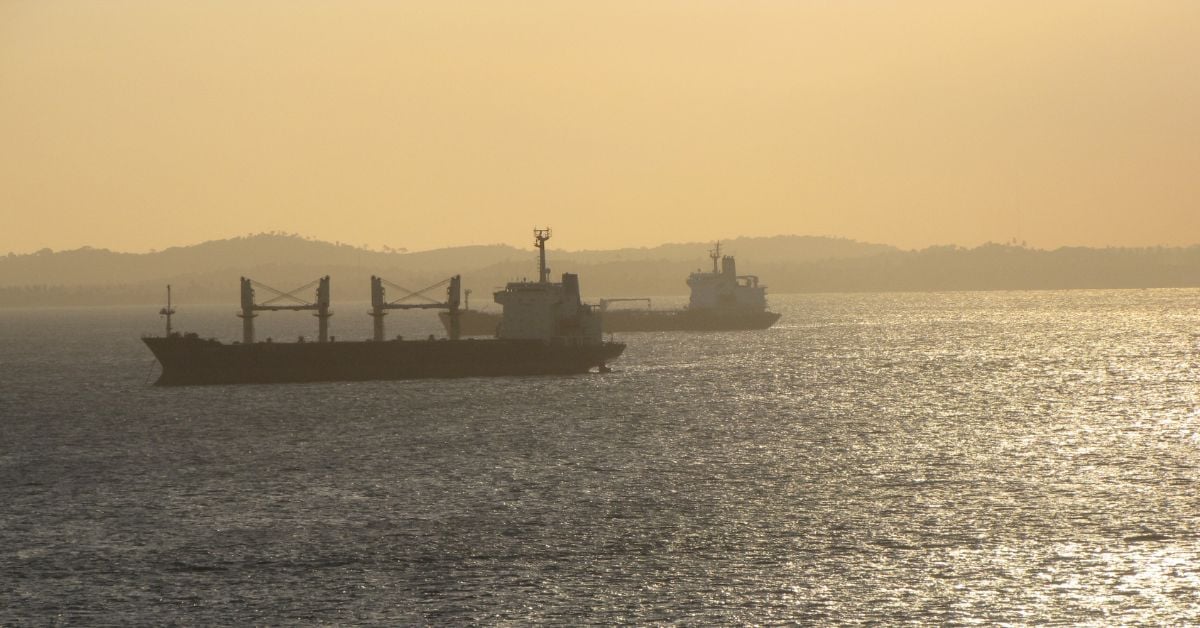
The U.S. Coast Guard's confirmation that it boarded two foreign-flagged vessels on August 21 following a cyber breach, with "foreign cyber actors" named but not identified, is a moment of unusual candor in a sector that often treats such incidents as operational noise. The boarding itself is a practical admission that maritime networks are now contested territory, and that the response to a digital intrusion now includes a physical presence on the water. This is not an abstract policy debate; it is a boarding crew walking onto a deck because someone else's code walked into a control system.
The Coast Guard's decision to disclose the incident, while withholding the actors' identities, signals a measured transparency. For the shipping industry, this is the most direct message yet that cyber resilience is not an IT department's side project. It is a safety-critical, mission-critical function with the same weight as hull integrity or navigation. The fact that the affected vessels were foreign-flagged and still triggered a U.S. Coast Guard boarding underscores how integrated global shipping has become, and how a vulnerability in one link of the chain can pull a state actor into your bridge. This connects directly to the wider strategic picture, where chokepoints and maritime routes are being renegotiated under pressure, as seen in the Phased Negotiations Aim to Ease Restrictions on Strait of Hormuz and the Eighty Nations Urge Reopening of Vital Strait of Hormuz Shipping Lane. Those talks are about keeping ships moving; this cyber incident is about who controls the systems that make them move.
Our read is that the Coast Guard's action is a template for what is to come. When a flag state's vessel is compromised, the port state's response is no longer limited to detention or inspection. It includes boarding to physically isolate systems, to trace the intrusion, and to ensure that the ship is not a vector for further attacks. For ship operators, the practical takeaway is direct: your cyber defenses are now part of your compliance regime. A breach that is not reported by you will be discovered by someone else, and the response will be out of your hands. The industry should expect more of these boardings, not fewer, as the distinction between cyber and physical security continues to erode. For a sector already adapting to new design and operational models, such as the expansion of shipyard capabilities noted in Cochin Shipyard Expands Design Capabilities with Conoship Equity Stake, the challenge is to build security into the keel rather than bolting it on after launch.
The specific takeaway to watch is the legal precedent this sets. The Coast Guard has not said what authority it used to board, nor what happens to the data and systems now under examination. The open question is whether this leads to a new international protocol for responding to maritime cyber intrusions, or whether it remains a unilateral action by a powerful port state. For now, the message is clear: if your ship's network is breached, do not expect to handle it quietly. Expect a knock on the door, and it will not be a phishing email.