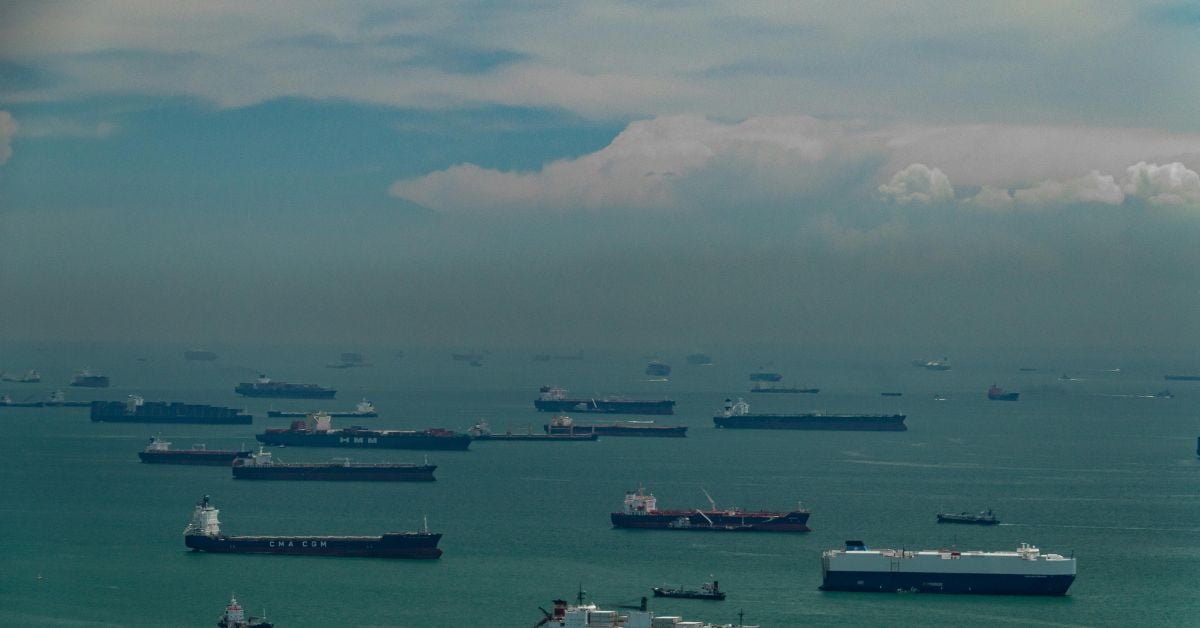
The sight of 150 vessels idling in the Gulf of Finland is not merely a logistical snag; it is a measurable signal of how geopolitical friction distorts the ocean's arterial flows. These ships, destined for Russian ports like Ust-Luga, Primorsk, and St. Petersburg, are stuck in a bottleneck that has immediate consequences for shipping schedules, insurance risk, and the real-time data we rely on to understand maritime activity. While the surface story is about congestion, the deeper truth is that this gridlock is a climate indicator in its own right, idle engines burning fuel, delayed cargo shifting supply chains, and a concentrated zone of emissions that should be empirically tracked.
This event does not exist in isolation. The same week we see a Captain of Russian-controlled bulker charged over 54,000 tonnes of Ukrainian grain, the legal and operational integrity of shipping in these waters is under calibrated scrutiny. Meanwhile, the Undersea Cable Integrity Questioned After Reported Location Falsification Incident reminds us that the Baltic is not just a transit lane but a corridor of critical infrastructure where data integrity and vessel tracking are increasingly contested. These are not separate stories; they are layers of the same integrated data ecosystem where one bottleneck can cascade into disputed cargo, damaged cables, and compromised ocean intelligence.
Our view is straightforward: this bottleneck is a stress test for the transparency of global maritime data. When 150 vessels go dark or stationary in a narrow sea, the gap between what is reported and what is happening widens. We need longitudinal datasets from AIS, satellite imagery, and port logs to validate whether these ships are truly waiting or being held for reasons beyond weather or traffic. The empirical question is whether the delay is a market signal or a strategic one. Without peer-reviewed tracking and open data sharing, the answer remains obscured by the fog of geopolitics.
The takeaway is specific: watch the emissions and insurance premiums tied to this idle fleet. If these vessels remain stationary for weeks, the environmental cost becomes a measurable data point, one that should be integrated into climate models and maritime policy. The Gulf of Finland is a small laboratory for how ocean intelligence must adapt when political boundaries disrupt natural flows. The vessels will eventually move, but the data this event generates will outlast their journey. That is the record we must calibrate.