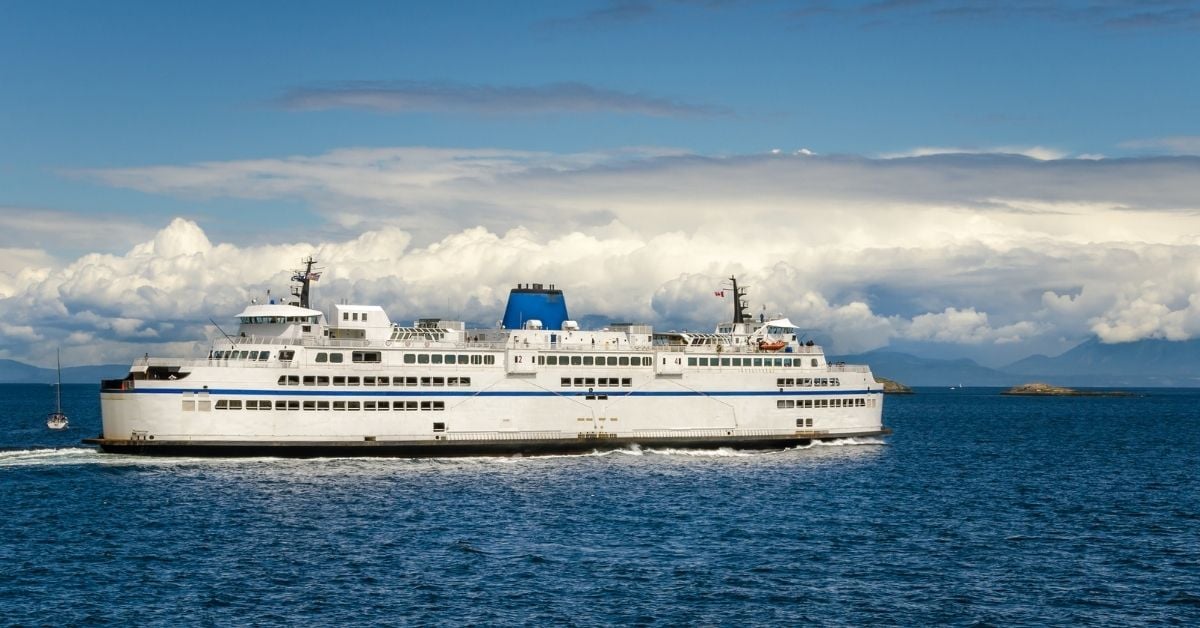
The sinking of the passenger ferry *Filo Jet* en route from Girne to Tasucu, with lives lost and passengers still missing, is not an isolated anomaly. It is a sharp reminder that the Eastern Mediterranean remains a high-risk corridor where the margin between routine passage and catastrophe is measured in minutes. The investigation into why the vessel took on water will take time, but the immediate human cost demands a response that moves beyond paperwork. This incident sits uncomfortably alongside the Cargo Ship Fire Prompts Evacuation Near Mykonos; Incident Under Investigation, where a fire forced 29 people to abandon ship on September 25. Two maritime emergencies in the same region, within weeks of each other, should not be filed away as separate misfortunes. They are data points.
We treat these events as isolated failures, but they are signals from an integrated system under stress. The ferry industry, like the cargo sector, operates on tight margins, aging fleets, and schedules that do not always account for the violence of the sea. The *Filo Jet* was a passenger vessel, which means the stakes are not measured in containers lost or cargo delays, but in lives interrupted mid-journey. This is where our voice must stay precise rather than alarmist. The question that matters is not whether the crew acted heroically, but whether the regulatory framework that certified this ship was calibrated to the actual conditions of the Eastern Mediterranean. We do not yet know the cause, and we should not speculate. But we can state with confidence that a ferry sinking in calm weather, if that is what occurred, points to a systemic vulnerability, not a random act of nature.
For our readers, the practical takeaway is uncomfortable: maritime safety is only as strong as the weakest link in the chain of oversight, maintenance, and crew training. This is not a call to panic, but a call for rigor. Consider the Submerged Fishing Vessel Located, Human Remains Identified, a case where a vessel sank off Rhode Island in 2019 and was only recently located. That investigation took years, and the closure it brought was partial at best. The families of those missing from the *Filo Jet* deserve better than a slow, fragmented response. We would tell a reader who asks us what this means: check the safety records of the ferries you board, ask about the age of the life rafts, and demand transparency from flag states. The ocean does not negotiate, and neither should our standards.
The specific detail to watch in the coming weeks is not just the cause of the sinking, but how quickly the flag state and the operators release the vessel's maintenance logs and stability calculations. If those records are slow to surface, that is an answer in itself. The sea leaves a trail of evidence, but only if we commit to reading it.