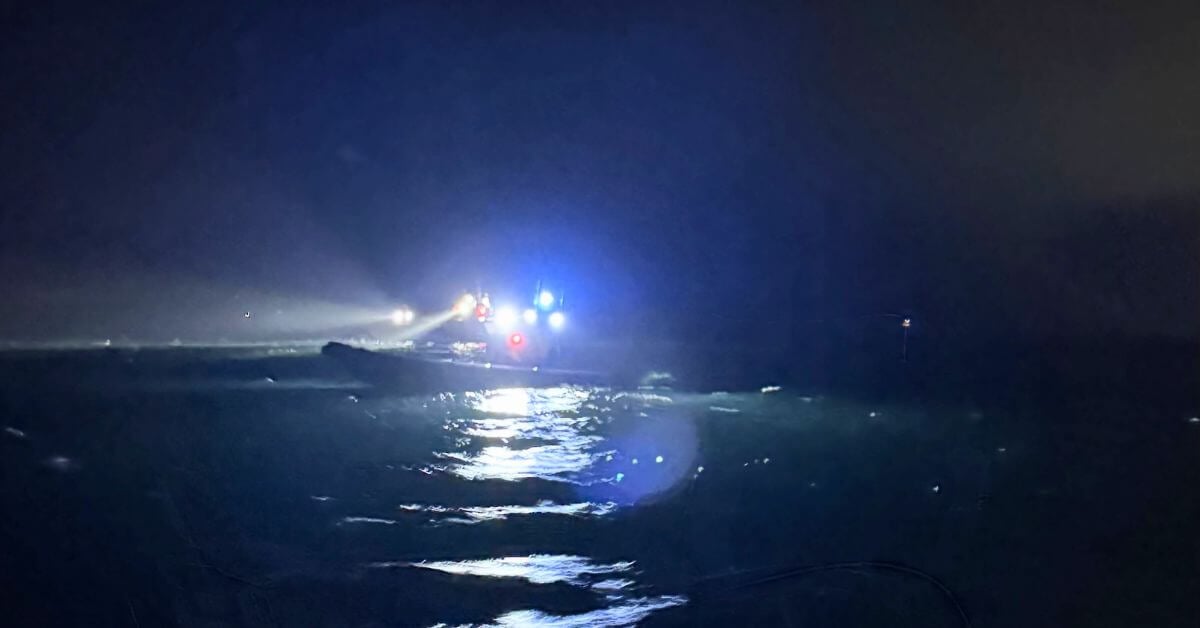
The collision in Hakefjord is not a random act of the sea. It is a failure of attention, a chain of decisions that ended with a mother and her daughter losing their lives when a cargo ship overtook their small pleasure boat. The investigation that follows will determine legal responsibility, but the maritime community already knows what this moment demands: a hard look at how large and small vessels share crowded waterways. This incident sits alongside other recent pressures on shipping, from the Cargo Ship Fire Prompts Evacuation Near Mykonos; Incident Under Investigation to the Bulk Carrier Freed After Prolonged Grounding Near Gladstone, Australia. Each event is a data point, and together they argue for a more integrated approach to maritime safety.
For our readers, the practical takeaway is not about assigning blame in a single case. It is about what the Hakefjord incident reveals about the limits of human vigilance in high-traffic zones. Cargo ships are massive, powerful, and constrained by their draft and maneuverability. Pleasure craft are small, low-lying, and often invisible on radar until they are directly ahead. When a commercial pilot and master face charges, the question that surfaces is whether better protocols, clearer separation schemes, or more reliable onboard detection systems could have altered the outcome. The ocean is not a forgiving environment, and the margin for error shrinks with every knot of speed and every meter of proximity. We would tell a reader who asks about this that the lesson is not to fear the sea, but to respect its operational demands. The same diligence that keeps a bulk carrier off a reef, as seen in the Gladstone grounding, must apply to every other vessel in the vicinity.
This is where the conversation moves beyond the individual tragedy to systemic accountability. We have seen the consequences of fire, grounding, and now collision. What we have not seen enough of is a unified response that treats these incidents as indicators of a broader pattern. The Fatal Attack on Cargo Ship Highlights Black Sea Shipping Risks reminds us that risk is often geopolitical, but the Hakefjord case is different. It is a domestic waterway, a familiar route, and yet the outcome was equally final. The difference is that this one could have been prevented by better situational awareness. The question we should all be asking is not whether charges are appropriate, but whether the industry is doing enough to make sure that no small vessel is ever invisible again. That means investing in real-time data sharing, clearer navigation marks, and training that emphasizes the unpredictability of recreational boaters.
The concrete point to watch is the investigation's findings on the overtaking maneuver itself. If the pilot and master are found to have misread the situation, it will reinforce the need for mandatory bridge team management protocols that go beyond standard watchkeeping. If the pleasure boat was difficult to see, then the focus shifts to technology. Either way, the outcome will shape how similar cases are handled in the future. We would tell a reader that the takeaway is this: in the ocean, every vessel is responsible for its own wake, but the larger vessel carries the heavier duty to look out for the smaller one. The sea does not negotiate, and neither should we when it comes to preventing the next collision. Watch for the investigation's report, because it will either expose a gap in current practice or confirm that even the best-laid rules are only as good as the people following them.