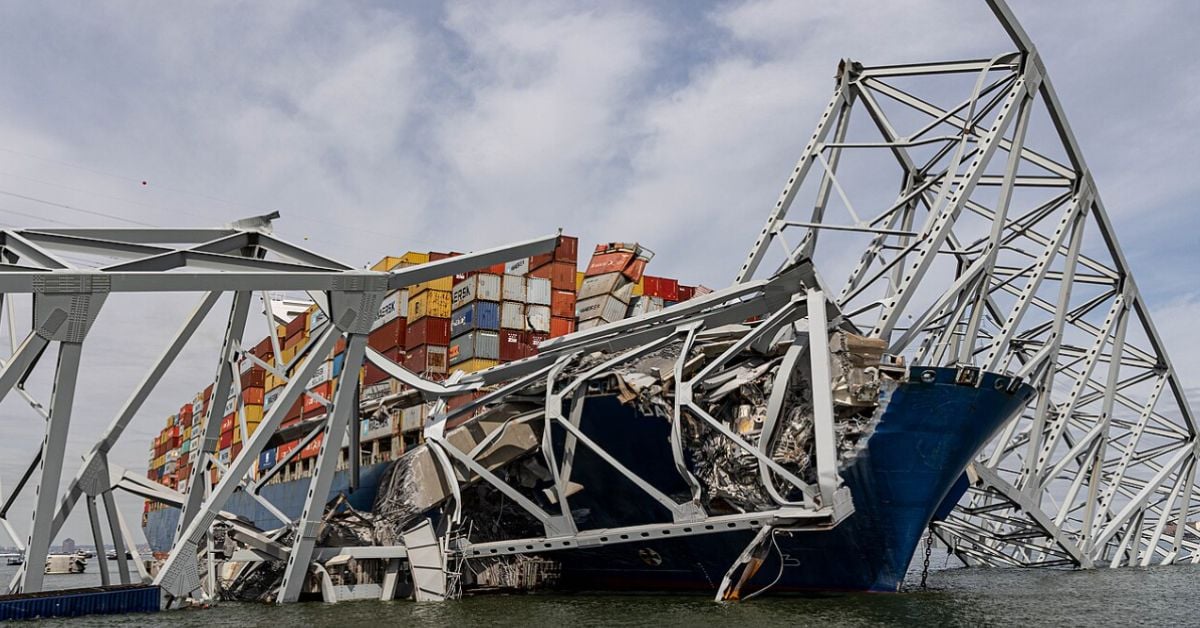
The final report on the Key Bridge collapse confirms what many in the maritime sector have long suspected: our port safety assessments are not keeping pace with the risks they are meant to measure. The underutilization of waterway risk assessment tools, as detailed in the findings, points to a systemic gap between available data and operational decision-making. This is not a failure of technology, but a failure of integration. We have the empirical tools to model vessel traffic, current loads, and structural vulnerabilities in real time. The question is why they were not applied before a bridge fell into the water.
This incident carries immediate practical consequences for port authorities and maritime operators worldwide. Consider the contrast with developments elsewhere. While Paradip Port Designated a Mega Port, Anchors Eastern India's Maritime Growth demonstrates how infrastructure expansion can proceed with clear regulatory benchmarks, the Key Bridge collapse shows what happens when existing frameworks for risk assessment are treated as optional rather than integral. Similarly, the recent identification of a Submerged Fishing Vessel Located, Human Remains Identified off Rhode Island underscores how long it can take to locate and understand maritime incidents when monitoring systems are fragmented. The common thread is clear: we are collecting ocean intelligence, but we are not yet weaving it into a cohesive, calibrated safety net.
For our readers, whether you are a port engineer, a policy analyst, or a student of maritime systems, the takeaway is measurable and direct. The report reveals that vulnerability is not a static condition. It evolves with vessel sizes, traffic density, and climate indicators such as rising sea levels and stronger currents. A port that passed a safety review five years ago may be exposed to risks that were not even modeled at that time. The solution is not more regulation in isolation, but an integrated data ecosystem that feeds validated, peer-reviewed risk models into daily operations. We would tell any reader who asks: demand that your port authority publish its use of waterway risk assessment tools as a matter of routine transparency. If the data exists but is not applied, the gap is not technical, it is institutional.
One detail from the report demands continued attention. The underutilization cited was not due to a lack of available tools, but a lack of mandatory application. This is an open question for regulators: will this incident force a shift from voluntary guidelines to enforceable standards? The answer will determine whether the next critical failure is prevented or simply documented in another report.