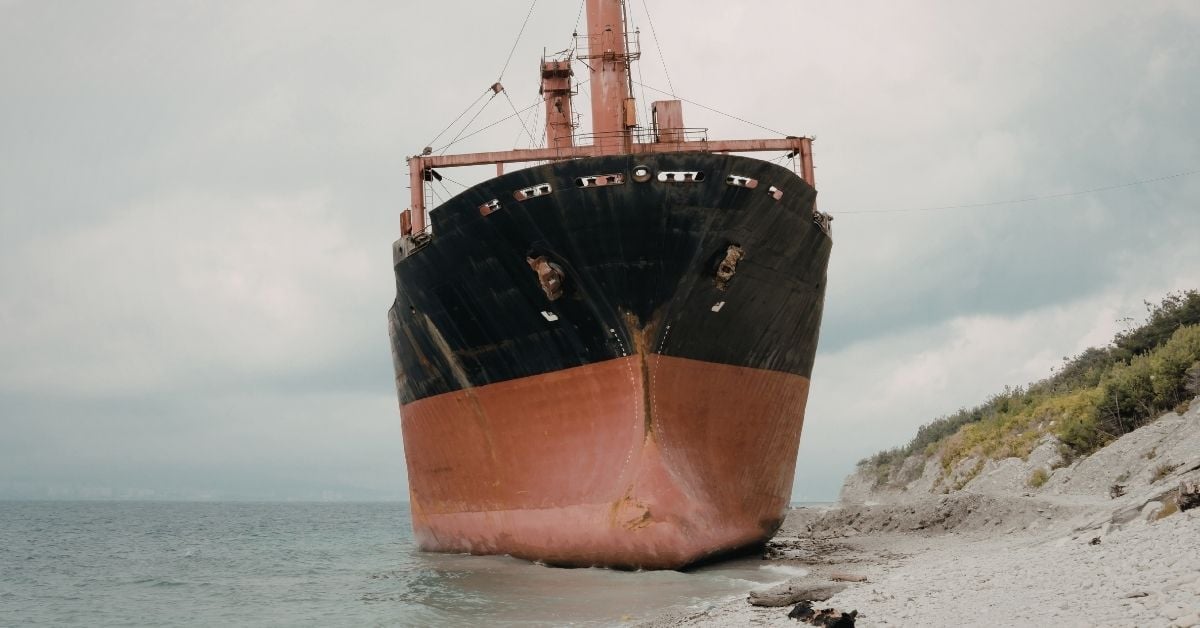
A damaged cargo ship flying the Russian flag ran aground near Istanbul's Alacali Beach this week, adding another data point to a season of maritime incidents that demand more than passive observation. The vessel's grounding follows a pattern we have tracked closely: a Cargo Ship Fire Prompts Evacuation Near Mykonos; Incident Under Investigation and a Bulk Carrier Freed After Prolonged Grounding Near Gladstone, Australia. Each event is isolated, but together they form a signal about the fragility of aging fleets and the geopolitical friction that complicates response efforts.
Our take is straightforward: this grounding is not merely a navigational failure. It is a live case study in how damaged vessels become floating liabilities, especially when their flagged state intersects with sanctioned trade routes. The ship's link to Russia matters because it forces us to ask whether existing maritime safety protocols can operate independently of diplomatic pressure. We are not speculating on intent; we are noting that operational transparency becomes murkier when a vessel's commercial context is entangled with state interests. For our readers, researchers, and policymakers, the practical question is whether insurance, port state control, and salvage frameworks are calibrated for this new reality.
The incident also underscores the value of longitudinal data. A single grounding can be dismissed as bad luck; a cluster of them, from the Eastern Mediterranean to Queensland, suggests systemic stress. The Vostok Project Launches Arctic Oil Exports Amid Geopolitical Shifts reminds us that Russian maritime activity is expanding into harder environments with less margin for error. If a damaged ship can run aground on a well-charted Turkish coast, what happens when similar vessels push through ice-infested waters with fewer monitoring assets? We would tell a reader who asked: do not wait for the next headline. Use this incident to pressure classification societies and flag states for real-time data sharing on hull integrity and voyage history. The technology exists; the will is the variable.
The concrete point to watch is the salvage operation's timeline. If the vessel remains stranded through the coming weeks, we will see how quickly regional authorities can coordinate spill response when the owner's ties to a sanctioned entity complicate payment and liability. That is the detail our readers should track. It will tell us more about the resilience of maritime governance than any policy statement. We are not alarmists. We are analysts, and the data here is unambiguous: every grounding, fire, or failed refloat carries a cost that extends beyond the hull. The question is who absorbs it, and what the answer reveals about the rules we are actually operating under.