World Data Ocean

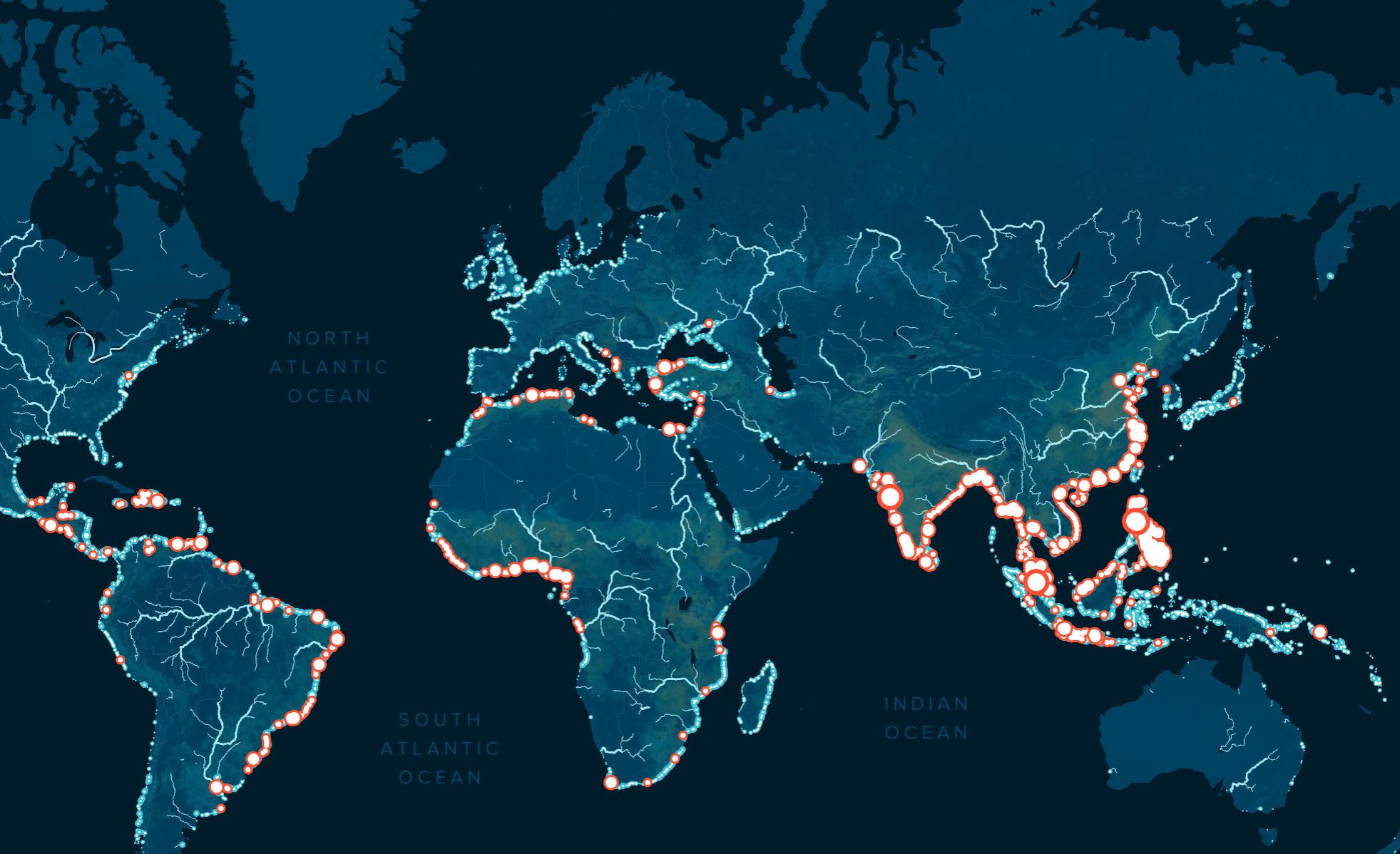
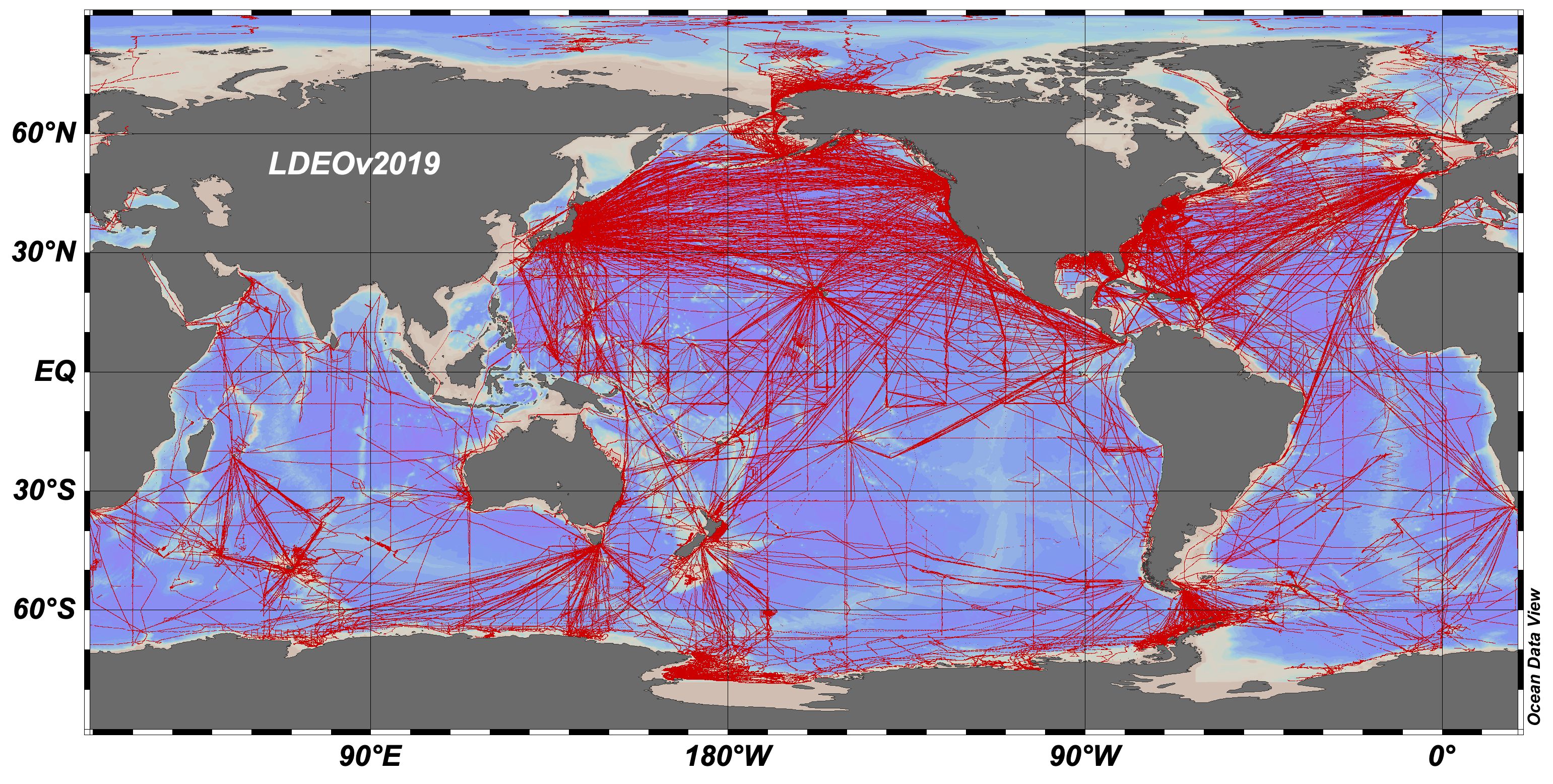
A Global Hub for Ocean Intelligence 4 World Data Ocean is a centralized digital platform where researchers, scientists, and ocean enthusiasts converge to explore, analyze, and share the latest data… Read more

Page 3

Different Parts Of A Ship Explained
Marine Insight

Different Parts Of A Ship Explained

Understanding a ship's structure is fundamental to appreciating maritime operations and ocean exploration. This article elucidates key components, from the vessel's bow and stern to its robust hull and expansive deck. We define essential terminology, providing a comprehensive overview of ship anatomy. Familiarizing yourself with these elements enhances comprehension of naval architecture and maritime incidents—such as the recent fire aboard Russia’s *Admiral Makarov* icebreaker, highlighting the critical importance of precise operational knowledge.
Iran Claims Strike On Unmanned U.S. Vessel In Strait Of Hormuz, U.S. Rejects Claim As ‘Total Lie’
Marine Insight

Iran Claims Strike On Unmanned U.S. Vessel In Strait Of Hormuz, U.S. Rejects Claim As ‘Total Lie’

Tensions escalated in the Strait of Hormuz after Iran asserted it successfully struck an unmanned U.S. Navy vessel, claiming the vessel was attempting to enter a restricted zone. The U.S. government has unequivocally refuted this claim, labeling it a “total lie.” This incident underscores the ongoing strategic complexities in a vital global waterway. Related maritime developments include advancements in naval technology, as highlighted in our recent article, "U.S.
From Terra Incognita to ocean sanctuary: a review of scientific insights into the marine diversity of the Crozet Basin and Crozet Plateau
Frontiers in Marine Science | New and Recent Articles

From Terra Incognita to ocean sanctuary: a review of scientific insights into the marine diversity of the Crozet Basin and Crozet Plateau

The Crozet Basin and Crozet Plateau, home to one of the world's largest marine protected areas, represent a critical zone for sub-Antarctic ocean conservation. A new review synthesizes historical and contemporary data, revealing a remarkable biodiversity—75 macroalgal and 755 faunal taxa—including 169 species originally described from this region. Despite its protected status, research remains limited, highlighting an urgent need for sustained biodiversity assessments to inform climate resilience strategies.
Turkish Navy Locates Sunken Cargo Ship After Collision Off Istanbul, Search For 10 Crew Continues
Marine Insight

Turkish Navy Locates Sunken Cargo Ship After Collision Off Istanbul, Search For 10 Crew Continues

Following a collision off Istanbul’s coast at approximately 3 a.m. local time on September 2nd, the Turkish Navy has located the sunken cargo ship, Alsu. The incident involved the Turkish-flagged Alsu and the tugboat Tugberk Imamoglu. Search and rescue operations are currently underway, focusing on the ten missing crew members. This event underscores the critical importance of maritime safety and navigational protocols.
Indian Navy Seeks Indigenous SATCOM Terminals To Improve Connectivity Between Warships
Marine Insight

Indian Navy Seeks Indigenous SATCOM Terminals To Improve Connectivity Between Warships

The Indian Navy is pursuing the development of indigenous SATCOM (satellite communication) terminals to bolster connectivity for its warships operating at extended ranges. These systems will facilitate secure voice, data, and video links, enhancing operational capabilities and situational awareness. This strategic move underscores the growing importance of resilient communication infrastructure for naval forces. For further insight into the challenges of data acquisition in marine environments, see our related article, "An open-source quality control pipeline for SeaExplorer glider data."
U.S Navy’s Robotic System Refuels Drone Boats At Sea To Support Longer Missions
Marine Insight

U.S Navy’s Robotic System Refuels Drone Boats At Sea To Support Longer Missions

The U.S. Navy has achieved a significant advancement in maritime operational capability: successful at-sea refueling of unmanned surface vessels (USVs). Developed and implemented in a rapid seven-month timeframe, this robotic system extends mission endurance without reliance on port visits, bolstering naval presence and responsiveness. This breakthrough directly addresses the increasing need for sustained maritime surveillance and support. For context on regional security considerations, see our related article, "Iran Threatens To Set Up ‘Exclusion Zone’ Near War-Torn Strait Of Hormuz Following Tanker Attacks.”
Iran Threatens To Set Up ‘Exclusion Zone’ Near War-Torn Strait Of Hormuz Following Tanker Attacks
Marine Insight

Iran Threatens To Set Up ‘Exclusion Zone’ Near War-Torn Strait Of Hormuz Following Tanker Attacks

Escalating tensions in the Persian Gulf have prompted Iran to announce its intention to establish an “exclusion zone” within the Strait of Hormuz, a critical waterway for global maritime trade. This action follows recent tanker attacks and represents a significant development with potential implications for regional stability. The proposed zone would require vessels to seek permission before transiting, raising concerns about freedom of navigation. For further context on maritime security challenges, see our report on India’s efforts to monitor seafarers in high-risk regions.
Elevated temperature alters swimming behavior in Caribbean king crab larvae
Frontiers in Marine Science | New and Recent Articles

Elevated temperature alters swimming behavior in Caribbean king crab larvae

Ocean warming presents a critical challenge to marine invertebrate populations, particularly during vulnerable larval stages. New research reveals that elevated temperatures (32°C) significantly reduce survival and alter swimming behavior in Caribbean king crab ( *Maguimithrax spinosissimus*) larvae – a species vital for coral reef restoration. Specifically, larvae exposed to warmer conditions exhibited decreased survival rates and a reversed geotactic response, potentially limiting reef connectivity.
datamuseum: an R package for managing and refining biological specimen data
Frontiers in Marine Science | New and Recent Articles

datamuseum: an R package for managing and refining biological specimen data

Introducing *datamuseum* (R package v0.1.0), a newly published R package designed to streamline the management and refinement of biological specimen data. This innovative tool provides accessible taxonomic and spatial utilities, supporting researchers across all coding and taxonomic skill levels. *datamuseum* integrates robust validation through GBIF and ITIS, offering a customizable framework for data set manipulation. A recent workflow demonstrates spatial refinement of Octopodoidea specimens from multiple repositories, showcasing a recursive validation process that reduced an initial 180,000 data points to 5,118 validated specimens.
Russia’s 20,000-Ton Icebreaker Admiral Makarov Catches Fire During Repairs At Kronstadt Shipyard
Marine Insight

Russia’s 20,000-Ton Icebreaker Admiral Makarov Catches Fire During Repairs At Kronstadt Shipyard

A significant incident has impacted Russia’s naval capabilities: the 20,000-ton icebreaker Admiral Makarov sustained a fire during repairs at the Kronstadt Shipyard on September 5th. Initial reports indicate the blaze originated in the steering-gear compartment. The Admiral Makarov is a critical asset for year-round operations in the Arctic. This event follows a concerning trend of maritime incidents, including a recent cargo ship fire potentially linked to drone activity, as detailed in our report on the MV BARYON.
Video: U.S. Strikes 3 Iranian Oil Tankers After IRGC Targets 2 Navy Warships With Ballistic Missiles
Marine Insight

Video: U.S. Strikes 3 Iranian Oil Tankers After IRGC Targets 2 Navy Warships With Ballistic Missiles

Recent escalations in the Persian Gulf have resulted in U.S. military action following Iranian attacks on U.S. Navy warships. Reports indicate U.S. forces struck three Iranian oil tankers in response to ballistic missile attacks. A U.S. aircraft carrier and guided-missile destroyer successfully avoided multiple Iranian assaults, with no American personnel injured, according to U.S. Central Command. These events highlight ongoing geopolitical tensions and maritime security concerns within a critical global waterway. For further context on naval innovation supporting these operations, see our article, "U.S.
Pilot Of Smuggling Boat That Capsized Off Imperial Beach Killing 5 Migrants Gets 57 Months In Prison
Marine Insight

Pilot Of Smuggling Boat That Capsized Off Imperial Beach Killing 5 Migrants Gets 57 Months In Prison

A human smuggler responsible for the tragic capsizing of a vessel off the coast of Imperial Beach, California, resulting in the loss of five lives, has been sentenced to 57 months in federal prison. This incident underscores the inherent dangers of maritime smuggling operations and the devastating consequences for those attempting to reach safety. The case highlights a broader pattern of illicit maritime activity, as evidenced by recent discoveries such as a mysterious 18th-century shipwreck off Mexico potentially linked to Caribbean smuggling.
Indo-German Maritime Pact To Boost Construction Of Specialised Container, Passenger & Research Vessels
Marine Insight

Indo-German Maritime Pact To Boost Construction Of Specialised Container, Passenger & Research Vessels

India's maritime sector is poised for significant advancement through a new Indo-German partnership. Buoyancy Consultants has entered a maritime pact with Neptune Ship Design GmbH, facilitating the construction of specialized container, passenger, and research vessels. This collaboration leverages German engineering expertise to bolster India’s shipbuilding capabilities and address evolving maritime needs. The agreement underscores a commitment to innovation within the sector, potentially impacting ocean research and commercial shipping.
RSADAF: a Rayleigh scattering-adaptive anisotropic diffusion filter for underwater image restoration in marine ecosystems
Frontiers in Marine Science | New and Recent Articles

RSADAF: a Rayleigh scattering-adaptive anisotropic diffusion filter for underwater image restoration in marine ecosystems

Underwater imaging presents a significant challenge for marine ecosystem monitoring due to pervasive degradation from haze, scattering, and noise. Addressing these limitations, researchers have developed RSADAF, a Rayleigh scattering-adaptive anisotropic diffusion filter. This physics-based framework leverages a second-order partial differential equation and atmospheric scattering models to achieve superior image restoration, preserving structural details and enhancing color fidelity. Experimental results demonstrate a PSNR of 42.85 dB and SSIM of 0.
An open-source quality control pipeline for SeaExplorer glider data: a case study in La Palma, Canary Islands
Frontiers in Marine Science | New and Recent Articles

An open-source quality control pipeline for SeaExplorer glider data: a case study in La Palma, Canary Islands

Autonomous underwater gliders provide critical, sustained ocean observations, yet effective data utilization hinges on standardized processing workflows. Addressing this need, we present an open-source, Python-based quality control pipeline specifically designed for SeaExplorer glider data. Demonstrated with data from La Palma, Canary Islands, this framework automates processing from raw files to CF-compliant outputs, employing fourteen QC tests while prioritizing data preservation for future re-evaluation.
Normative conflicts and collaborative governance of environmental damage in modern naval armed conflicts: an original analysis based on legal mapping and composite security
Frontiers in Marine Science | New and Recent Articles

Normative conflicts and collaborative governance of environmental damage in modern naval armed conflicts: an original analysis based on legal mapping and composite security

Modern naval armed conflicts frequently generate transboundary marine pollution, exposing a critical gap in international law’s ability to regulate such harm. This analysis employs legal mapping and a composite security framework to examine the interaction between International Humanitarian Law (IHL) and the law of the sea, revealing a misalignment between military necessity and ecological protection. The "widespread, long-term, and severe" evidentiary threshold proves difficult to meet, creating an accountability void.
Comparative effects of 405 nm and 450 nm blue light on Halomonas pacifica biofilms: implications for marine antifouling
Frontiers in Marine Science | New and Recent Articles

Comparative effects of 405 nm and 450 nm blue light on Halomonas pacifica biofilms: implications for marine antifouling

Marine biofouling presents a critical challenge to ocean engineering, driving the urgent need for eco-friendly antifouling solutions. Recent research has systematically compared the wavelength-dependent effects of 405 nm and 450 nm blue light on *Halomonas pacifica* biofilms, revealing distinct regulatory mechanisms. While 450 nm significantly reduced total biomass, 405 nm effectively suppressed vertical growth and minimized attachment sites. These findings highlight the potential of these wavelengths as complementary, environmentally responsible alternatives to traditional chemical treatments.
Dynamic thermal tensioning for welding distortion control of thin-walled T-beam structures in large PCTC shipbuilding
Frontiers in Marine Science | New and Recent Articles

Dynamic thermal tensioning for welding distortion control of thin-walled T-beam structures in large PCTC shipbuilding

Longitudinal bending distortion presents a significant challenge in the manufacture of thin-walled T-beam stiffened structures common in large Pure Car and Truck Carrier (PCTC) shipbuilding. This study addresses this issue through the development and validation of an innovative dynamic thermal tensioning method. Employing thermo-elasto-plastic finite element models and a validated, temperature-dependent constitutive model, researchers investigated the formation mechanisms of distortion under varying welding speeds. Full-scale experiments demonstrated a reduction of up to 66.
Polychlorinated biphenyl exposure and impacts on reproduction and health parameters that affect mortality risk in bottlenose dolphins
Frontiers in Marine Science | New and Recent Articles

Polychlorinated biphenyl exposure and impacts on reproduction and health parameters that affect mortality risk in bottlenose dolphins

Polychlorinated biphenyls (PCBs), persistent legacy pollutants, pose a significant threat to bottlenose dolphin health and reproductive success. A comprehensive, multi-decadal analysis of six populations—including a heavily impacted population near Brunswick, Georgia—revealed concerning trends. While PCB concentrations have declined over time, levels remain exceptionally high near the LCP Chemicals Site, correlating with delayed reproductive timing and reduced health indicators like alkaline phosphatase and albumin, both linked to increased mortality risk.
15-year shift in protist communities and a decline of heterotrophic dinoflagellates in the Oslofjord and Skagerrak
Frontiers in Marine Science | New and Recent Articles

15-year shift in protist communities and a decline of heterotrophic dinoflagellates in the Oslofjord and Skagerrak

Recent longitudinal analysis of the Oslofjord and Skagerrak reveals a significant 15-year shift in planktonic protist communities. Utilizing 18S rRNA gene metabarcoding, researchers documented a marked decline in heterotrophic dinoflagellates—a 3.1-fold decrease in their ratio to phototrophic dinoflagellates— alongside a shift in diatom abundance. Contrary to projections of climate-change-induced benefits for heterotrophic taxa, these findings suggest nuanced ecosystem responses. Further investigation of Arctic coastal transformations, as explored in "Paraglacial lagoons of Svalbard," highlights the complexity of these shifts within changing oceanic conditions.
Assessment of gonadal development in large yellow croaker (Larimichthys crocea) cultured in saline-alkali water of Ningxia
Frontiers in Marine Science | New and Recent Articles

Assessment of gonadal development in large yellow croaker (Larimichthys crocea) cultured in saline-alkali water of Ningxia

The large yellow croaker (*Larimichthys crocea*), a vital species in Chinese aquaculture, demonstrates surprising resilience when cultivated in inland saline-alkali water. This study, comparing growth and gonadal development in Ningde (seawater) and Ningxia (saline-alkali) environments, revealed no significant impairment in overall development up to 14 months. While hormonal profiles shifted—specifically reduced estradiol and testosterone in females—transcriptomic analysis indicated extensive, sex-specific reprogramming in females, impacting energy metabolism and steroidogenesis.
New Ship-Mounted Weapon System Passes 48 Tests To Protect Naval Vessels From Drone Attacks
Marine Insight

New Ship-Mounted Weapon System Passes 48 Tests To Protect Naval Vessels From Drone Attacks

A newly validated ship-mounted weapon system demonstrates robust protection against drone threats, completing over 48 rigorous trials. Developed by Mehler Production in just 18 months, this integrated counter-drone solution can be readily deployed on naval vessels, enhancing maritime security. The system’s performance underscores the increasing importance of layered defense strategies. For a deeper dive into related maritime detection technology, see our article, "Data-augmented vision system for maritime object detection," which explores challenges in aerial vessel identification.
CMA CGM, Bureau Veritas & SDARI Partner On AI-Powered Container Vessel Concept
Marine Insight

CMA CGM, Bureau Veritas & SDARI Partner On AI-Powered Container Vessel Concept

A significant advancement in maritime technology emerged from SMM 2026 in Hamburg, Germany, with the signing of a partnership agreement between Shanghai Merchant Ship Design (SDARI), CMA CGM, and Bureau Veritas. This collaboration focuses on developing an AI-powered concept for container vessels, leveraging integrated data ecosystems to optimize performance and sustainability. The initiative underscores a commitment to innovation within the shipping industry, addressing evolving operational and environmental challenges.
EON wants to move the data superhighway from ocean fiber to space lasers - TechCrunch
"World Data Ocean" - Google News

EON wants to move the data superhighway from ocean fiber to space lasers - TechCrunch

EON proposes a paradigm shift in oceanic data transmission, envisioning a future where space lasers replace underwater fiber optic cables as the primary data superhighway. As detailed in a recent *TechCrunch* article, this innovative approach aims to dramatically increase bandwidth and reduce infrastructure costs for global ocean data collection.
Captain & 3rd Officer Of Oil Tanker Arrested On Charges Of Negligent Homicide
Marine Insight

Captain & 3rd Officer Of Oil Tanker Arrested On Charges Of Negligent Homicide

Following a recent collision with a cargo ship, authorities have arrested the Captain and 3rd Officer of the oil tanker *ALSU* on charges of negligent homicide. This development underscores the escalating risks within global maritime transport, as evidenced by recent incidents. Notably, the loss of 46 containers overboard from a cargo ship near the Philippines highlights ongoing challenges in maintaining vessel stability and cargo security. Investigations are underway to determine the precise factors contributing to the *ALSU* incident and ensure accountability.
World’s First Ethanol-Capable Engine Passes R&D Testing For Very Large Ore Carrier
Marine Insight

World’s First Ethanol-Capable Engine Passes R&D Testing For Very Large Ore Carrier

World Data Ocean reports a significant advancement in maritime decarbonization: the world’s first ethanol-capable engine has successfully completed rigorous research and development testing. This innovative engine is destined for the *Shandong Shipping’s* third Very Large Ore Carrier in a series of ten, chartered to Vale. This milestone represents a validated step towards lower-emission shipping, demonstrating the potential of alternative fuels. For broader context on evolving fuel technologies in shipping, see our article on DP World’s methanol dual-fuel vessel, *DP World London*.
COSCO Denies U.S. Allegations That Its Ships Used Concealed Equipment To Spy For Beijing
Marine Insight

COSCO Denies U.S. Allegations That Its Ships Used Concealed Equipment To Spy For Beijing

COSCO, China's state-owned shipping giant, has categorically denied U.S. allegations that its vessels utilized concealed equipment for military intelligence gathering on behalf of Beijing. The denial follows claims of sophisticated surveillance technology aboard COSCO ships, raising concerns regarding maritime security and potential espionage. This incident underscores the complex interplay of global trade, geopolitical tensions, and maritime operations. For further context on international maritime disputes, see our related article, "Russia Demands ‘Immediate Release’ Of Vessel Seized By Norway.”
Indian Navy May Retire Up To Three Kilo-Class Submarines Within 5 Years
Marine Insight

Indian Navy May Retire Up To Three Kilo-Class Submarines Within 5 Years

The Indian Navy is reportedly considering retiring up to three of its Kilo-class submarines within the next five years, a decision potentially influenced by Russia’s recent offer of three refurbished vessels equipped with upgraded weaponry. This strategic shift reflects ongoing assessments of India's submarine fleet modernization. The move highlights the complexities of international defense procurement and the evolving dynamics of naval power in the Indo-Pacific region.
India Launches New System To Monitor Seafarers In High-Risk Maritime Regions
Marine Insight

India Launches New System To Monitor Seafarers In High-Risk Maritime Regions

India has launched a new maritime monitoring system designed to enhance seafarer safety in high-risk regions. The Directorate mandates that all vessels transporting Indian crew operating within these designated areas be promptly updated within the system. This initiative underscores a commitment to proactive ocean intelligence and improved crew protection. The move follows increasing concerns regarding maritime security, as highlighted by recent events, including allegations against COSCO, demonstrating the complexities of international shipping operations.
Japan Plans Submarine-Launched Mach 5 Hypersonic Missile To Strengthen Long-Range Strike Capability
Marine Insight

Japan Plans Submarine-Launched Mach 5 Hypersonic Missile To Strengthen Long-Range Strike Capability

Japan's Ministry of Defense has formally requested funding within its FY2027 budget for the development of a submarine-launched hypersonic missile, projected to achieve Mach 5 speeds. This initiative signifies a substantial strengthening of Japan’s long-range strike capabilities, reflecting a strategic shift toward enhanced defense preparedness. The validated missile program underscores a commitment to technological innovation and integrated data ecosystem utilization. For context regarding broader logistical considerations, see our report on Japan’s selection of a cruise ship to host athletes for the 2026 Asian Games.
46 Containers Fall Overboard From Cargo Ship Off Philippines, Coast Guard Warns Ships
Marine Insight

46 Containers Fall Overboard From Cargo Ship Off Philippines, Coast Guard Warns Ships

A significant maritime incident occurred near Hamilo Point, Nasugbu, Batangas, Philippines, as 46 shipping containers fell overboard from an unidentified cargo vessel. The Philippine Coast Guard has issued a warning to vessels in the area and initiated recovery operations. This event underscores the ongoing risks inherent in global maritime transport, as highlighted by recent incidents like the tug-name mix-up that resulted in a tanker striking a pier, demonstrating the potential for cascading consequences. Further analysis and recovery efforts are underway.
💪oceanography: things about the sea
oceanography: things about the sea

Ripple Effects | Marine Matters | One Planet Academy

Ripple Effects, Marine Matters, and One Planet Academy converge to champion ocean stewardship through data-driven insights and collaborative action. We provide validated ocean intelligence, fostering a global network dedicated to measurable impact. Our integrated data ecosystem supports research, informs policy, and empowers informed decision-making for a healthier planet. Understanding drives protection; recent events, like the tug-name incident detailed in "Real Life Incident: Tug Name Mix-Up Causes Tanker To Strike Pier During Departure," underscore the critical need for precise data and robust systems.
Dubai’s Jebel Ali Port Falls Out Of Global Top 30 As Strait Of Hormuz Disruption Cuts Gulf Traffic
Marine Insight

Dubai’s Jebel Ali Port Falls Out Of Global Top 30 As Strait Of Hormuz Disruption Cuts Gulf Traffic

Jebel Ali Port, a historically prominent hub, has fallen out of the global top 30 container ports, experiencing a dramatic 60% decline in throughput during the first half of 2026. Handling just 3.14 million TEU compared to 7.77 million TEU a year prior, the shift reflects significant disruption to traffic through the Strait of Hormuz. This constriction impacts vital Gulf trade routes, as evidenced by recent convoys of oil tankers requiring U.S.
Russia Demands ‘Immediate Release’ Of Vessel Seized By Norway Over Naftogaz’s $4.2 Billion Claim
Marine Insight

Russia Demands ‘Immediate Release’ Of Vessel Seized By Norway Over Naftogaz’s $4.2 Billion Claim

Russia has formally demanded the “immediate release” of a vessel seized by Norwegian authorities, a move directly linked to a $4.2 billion compensation claim filed by Ukraine’s Naftogaz. The claim concerns assets previously taken by Russia. This legal action introduces a significant geopolitical dimension to maritime operations in the Arctic region, highlighting complex international disputes over energy resources. For further context on rapidly changing Arctic landscapes, see our article, "Paraglacial lagoons of Svalbard: emerging ecosystems at the Arctic Land-Sea interface.”
DP World To Invest €48 Million In New Cold Chain Hub At Antwerp Port
Marine Insight

DP World To Invest €48 Million In New Cold Chain Hub At Antwerp Port

DP World is significantly expanding its cold chain capabilities with a €48 million investment in a new logistics hub at the Port of Antwerp, part of a broader commitment potentially reaching €100 million. This development underscores DP World’s focus on integrated data ecosystems and optimized supply chain solutions within critical European trade routes. The hub will provide validated, temperature-controlled storage and handling, supporting the secure movement of perishable goods.
What Is a ConRo Ship? ConRo Vessel vs. Container Ships Explained
Marine Insight

What Is a ConRo Ship? ConRo Vessel vs. Container Ships Explained

ConRo ships, formally known as RoRo container ships, represent a specialized segment of maritime transport, uniquely designed for the integrated movement of vehicles and standard shipping containers. These vessels offer logistical flexibility by combining Roll-on/Roll-off (RoRo) capabilities for wheeled cargo with container ship functionality. Unlike dedicated container ships which solely transport containers, ConRo vessels provide a calibrated solution for industries requiring both types of freight, demonstrating an efficient, integrated data ecosystem within global shipping operations.
Keel Laid For First Royal Navy Fleet Solid Support Ship As Assembly Begins At Appledore
Marine Insight

Keel Laid For First Royal Navy Fleet Solid Support Ship As Assembly Begins At Appledore

A significant milestone has been achieved in the Royal Navy’s fleet support program: the keel laying for the first of three Fleet Solid Support Ships (FSS). Assembly commenced at Appledore with the lowering of the first block, a section of RFA Resurgent’s bow, onto the Seahorse barge. This marks a crucial step toward bolstering the Navy’s logistical capabilities. The project underscores a commitment to modernizing maritime infrastructure, a priority also reflected in considerations of international shipbuilding partnerships, as detailed in our analysis of the U.S.
Data-augmented vision system for maritime object detection
Frontiers in Marine Science | New and Recent Articles

Data-augmented vision system for maritime object detection

Accurate maritime vessel detection from aerial imagery remains a significant challenge, despite advances in convolutional neural networks. Our research addresses this by introducing a novel data-augmented vision system, demonstrating over a 10% improvement in cross-sensor vessel detection precision. This system integrates multiple sensors, advanced data augmentation techniques, and diverse CNN architectures to enhance resilience. Composed of six key subsystems—from image acquisition to system validation—it establishes a foundation for robust maritime applications.
Giant Greenland iceberg slams into Joe Island and survives
Oceanography News -- ScienceDaily

Giant Greenland iceberg slams into Joe Island and survives

A significant calving event occurred in August 2026 when a 76-square-kilometer iceberg detached from Greenland’s Petermann Glacier – the Arctic’s largest since 2020. Satellite data now tracks this colossal berg as it traverses Nares Strait after impacting Joe Island, remarkably surviving the collision intact. This event underscores the accelerating rate of glacial ice loss and its implications for Arctic sea ice dynamics. For further context on the broader scientific scrutiny of climate change research, see our related article, "Strange Peer review request."
Paraglacial lagoons of Svalbard: emerging ecosystems at the Arctic Land-Sea interface
Frontiers in Marine Science | New and Recent Articles

Paraglacial lagoons of Svalbard: emerging ecosystems at the Arctic Land-Sea interface

Rapid Arctic glacier retreat is fundamentally reshaping coastal landscapes, creating novel aquatic habitats, particularly paraglacial lagoons. In Svalbard, these systems are expanding, yet remain understudied despite their growing ecological and biogeochemical significance. This synthesis integrates geomorphological, hydrological, ecological, and biogeochemical perspectives, revealing a developmental continuum from glacier-influenced basins to more stable lagoons exhibiting dynamic conditions and diverse communities.
Ocean-aware deep learning for civilian maritime object detection and tracking in complex ocean environments: a comprehensive review
Frontiers in Marine Science | New and Recent Articles

Ocean-aware deep learning for civilian maritime object detection and tracking in complex ocean environments: a comprehensive review

Reliable maritime object detection and tracking are paramount for civilian ocean engineering, supporting applications from vessel traffic monitoring to environmental risk assessment. However, dynamic ocean conditions—including sea clutter and limited data—present significant challenges. This review synthesizes recent advances in ocean-aware deep learning, examining techniques utilizing optical, radar, and other sensor data alongside AIS information. Addressing limitations in annotation and real-time deployment, future research should prioritize physics-informed learning and data fusion.
Was the ‘American cheetah’ a cheetah at all?
Science News

Was the ‘American cheetah’ a cheetah at all?

Recent genomic analysis has definitively reshaped our understanding of *Miracinonyx trumani*, commonly known as the “American cheetah.” Ancient DNA confirms this extinct North American cat was not a cheetah relative, but instead demonstrates a closer evolutionary link to modern pumas. This groundbreaking research, published recently, reveals *M. trumani* possessed a more diverse diet than previously hypothesized, challenging existing paleontological interpretations. The findings underscore the power of ancient DNA in refining our knowledge of past ecosystems and evolutionary relationships.
Watch: U.S. Sinks Vessel Used As ‘Floating Refueling Station’ For Drug Trafficking Operations
Marine Insight

Watch: U.S. Sinks Vessel Used As ‘Floating Refueling Station’ For Drug Trafficking Operations

U.S. authorities have successfully sunk a vessel utilized as a “floating refueling station” for illicit drug trafficking operations in the Eastern Pacific. Intercepted September 2nd in international waters by U.S. Southern Command (SOUTHCOM), the vessel represented a significant disruption to transnational criminal networks. This action underscores the ongoing commitment to maritime security and combating illegal activities at sea. For deeper insights into maritime object detection technologies supporting such operations, explore our review of "Ocean-aware deep learning."
Port Strikes Disrupt Operations At Hamburg, Rotterdam And Other Major European Shipping Hubs
Marine Insight

Port Strikes Disrupt Operations At Hamburg, Rotterdam And Other Major European Shipping Hubs

Recent port strikes across major European shipping hubs, including Hamburg and Rotterdam, are significantly disrupting maritime operations. Hapag-Lloyd reports impacts to vessel schedules, terminal productivity, and inland cargo movement, creating logistical challenges for global supply chains. These actions underscore the fragility of critical infrastructure and the potential for labor disputes to cascade through the maritime sector. For a contrasting perspective on port efficiency, see our article, "Small Ports Don’t Need Rotterdam’s Budget To Automate."
Japan Selects Cruise Ship To Host 4000 Atheletes For 2026 Asian Games Opening In Nagoya
Marine Insight

Japan Selects Cruise Ship To Host 4000 Atheletes For 2026 Asian Games Opening In Nagoya

Japan has selected a cruise ship to serve as athlete accommodations for the 2026 Asian Games, commencing September 19, 2026, in Nagoya. This innovative approach will house approximately 4,000 athletes participating in the multi-sport event. The decision reflects a logistical strategy prioritizing scale and accessibility. This development highlights the increasing integration of maritime assets into large-scale event infrastructure. For further context on global maritime operations and security, see our recent report on tankers crossing the Strait of Hormuz.
Using semi-supervised learning to detect beluga whales from aerial image sequences
Frontiers in Marine Science | New and Recent Articles

Using semi-supervised learning to detect beluga whales from aerial image sequences

Precise beluga whale population monitoring is essential for Arctic conservation, yet manual annotation of aerial imagery presents significant logistical and cost barriers. This study investigates a solution: semi-supervised learning. We systematically evaluated SEMI-DETR, a novel detection transformer, against supervised methods, demonstrating a 20% mean Average Precision improvement with just 1% of labeled data. Notably, calf detection—critical for assessing reproductive health—benefited most. These findings establish an empirical benchmark and offer practical guidance for resource-constrained conservation programs, mirroring approaches explored in our related work on plankton monitoring.
State identity and political orientation in climate-ocean governance: a comparative analysis of written statements on the ITLOS Advisory Opinion No.31
Frontiers in Marine Science | New and Recent Articles

State identity and political orientation in climate-ocean governance: a comparative analysis of written statements on the ITLOS Advisory Opinion No.31

Climate change presents a critical challenge, particularly for small island states facing limitations within existing multilateral frameworks. This study comparatively analyzes written statements submitted to the International Tribunal for the Law of the Sea (ITLOS) regarding Advisory Opinion No. 31, examining state positions on climate-related marine obligations. Focusing on China, Indonesia, and the EU, the analysis reveals distinct approaches—textualism, scientific interpretation, and historical argumentation—highlighting the interplay of legal strategy, state identity, and political orientation in shaping ocean governance.
Small Ports Don’t Need Rotterdam’s Budget To Automate – Here’s What They’re Doing Instead
Marine Insight

Small Ports Don’t Need Rotterdam’s Budget To Automate – Here’s What They’re Doing Instead

Small ports demonstrate a pragmatic approach to automation, recognizing that replicating Rotterdam’s extensive infrastructure isn’t necessary. Instead, a phased implementation—starting with a single gate, system, or targeted problem—yields measurable improvements. This iterative strategy prioritizes efficiency gains without requiring substantial capital investment. Recent disruptions, as highlighted by the sharp decline in global vessel reliability reported in "Asian Port Delays Cause Sharpest Drop In Global Vessel Reliability Since 2021," underscore the urgency of optimizing port operations, regardless of scale.
40 Oil Tankers Loaded With 18 Million Barrels Of Oil For Asia Cross Hormuz Under U.S Naval Escort
Marine Insight

40 Oil Tankers Loaded With 18 Million Barrels Of Oil For Asia Cross Hormuz Under U.S Naval Escort

A significant maritime event unfolded Tuesday as 40 oil tankers, collectively carrying approximately 18 million barrels of crude oil, transited the Strait of Hormuz en route to Asia. This movement occurred under the protective escort of U.S. Navy vessels, highlighting ongoing geopolitical considerations in vital shipping lanes. The incident underscores the complexities of global energy transport and maritime security. For further context on related maritime incidents, see our analysis of the MV BARYON and its recent encounter.
Effects of wave-powered water pump upwelling on kelp mariculture: a case study for Gulf of Maine
Frontiers in Marine Science | New and Recent Articles

Effects of wave-powered water pump upwelling on kelp mariculture: a case study for Gulf of Maine

This study investigates the feasibility of wave-powered upwelling to enhance kelp mariculture productivity in the Gulf of Maine, a region experiencing nutrient limitation and seasonal warming. Through a coupled physical-biogeochemical model calibrated with empirical oceanographic data, researchers estimate that wave-powered upwelling can reduce water temperatures by 1.0 ± 0.15 °C and increase nitrate concentrations by 0.1−1.1 µmol L−1, potentially yielding an additional 9.5%–10%+1.6% kelp biomass annually. This framework highlights wave-powered upwelling as a promising, scalable strategy for sustainable aquaculture, as further explored