climate change impact
climate change impact at World Data Ocean is a file of 55 stories. The newest of them: “Protest Halts Offshore Gas Project as Ocean Stewardship Faces Test”, “2025 Global Temperature Data Confirms Measurable Warming Trends”, and “2025 joins the warmest years on record as ocean heat persists without pause”. Two Greenpeace activists were arrested and charged with interfering with offshore petroleum operations, placing ocean stewardship at a critical juncture. The 2025 global temperature data from Berkeley Earth confirms what empirical climate indicators have long signaled: warming trends are measurable and persistent. A Global Hub for Ocean Intelligence 4 World Data Ocean is a centralized digital platform where researchers, scientists, and ocean enthusiasts converge to… The list below is every climate change impact story on World Data Ocean, newest first.
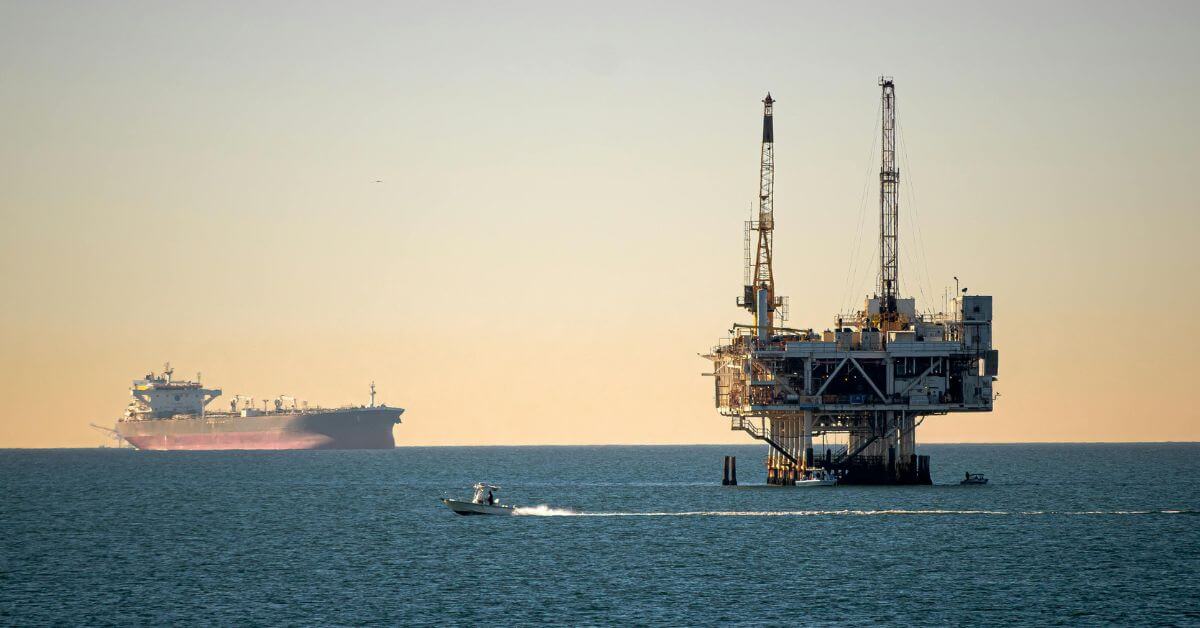
Protest Halts Offshore Gas Project as Ocean Stewardship Faces Test
Two Greenpeace activists were arrested and charged with interfering with offshore petroleum operations, placing ocean stewardship at a critical juncture. This protest halts a gas project, testing how we balance energy demands with measurable ecological responsibility. Understanding drives protection, yet real-time accountability remains elusive. For deeper context on environmental shifts, see our coverage of the Alaska landslide and glacier retreat that produced a measured tsunami 1,580 feet high. The ocean demands our integrated vigilance, not just our reactions.
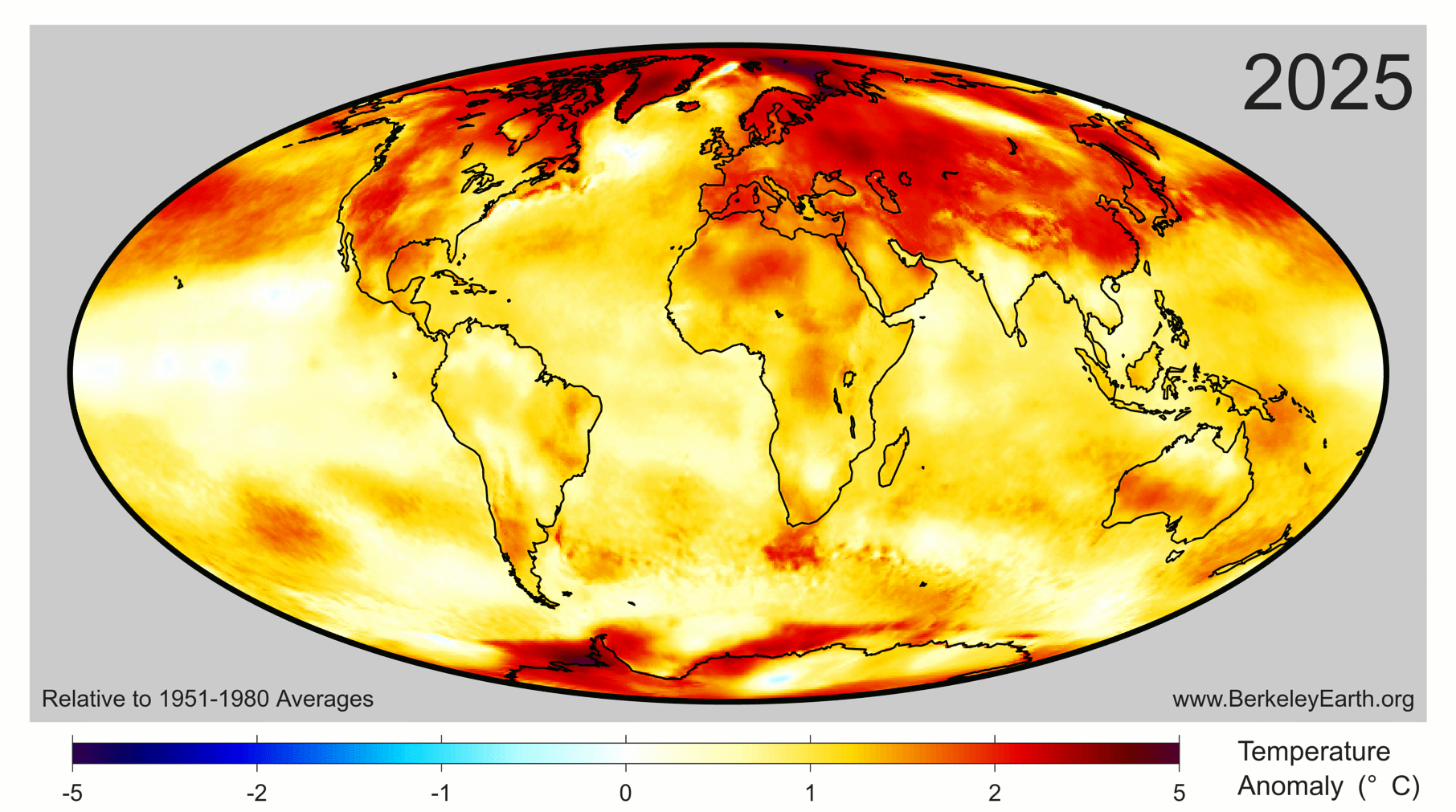
2025 Global Temperature Data Confirms Measurable Warming Trends
The 2025 global temperature data from Berkeley Earth confirms what empirical climate indicators have long signaled: warming trends are measurable and persistent. Since 2013, this independent non-profit has provided validated, peer-reviewed analyses of mean temperature changes. The findings are clear, and they demand purposeful attention. Understanding drives protection, and for deeper context on related pressures facing our oceans, see our piece "From waste to wave: measuring ocean plastic's true share."

2025 joins the warmest years on record as ocean heat persists without pause
2025 has been confirmed as one of the three warmest years on record, a stark validation of a persistent trend. The World Meteorological Organization reports that ocean heating continues without pause, and the past 11 years now constitute the 11 warmest ever measured. This is not a spike but a calibrated, measurable signal. Understanding drives protection. For deeper context on the ocean's role in this system, explore our related coverage of "From waste to wave: measuring ocean plastic's true share."

Calibrating port resilience against measurable cyclone-driven economic loss
Shanghai Port emerges as the most vulnerable among five key Chinese ports when resilience is calibrated against measurable cyclone-driven economic loss. This is no surprise for a mega-hub whose efficiency and network importance may mask fragility. The study's integrated index, built from expert surveys, AHP, and TOPSIS, reveals that high importance does not guarantee lower losses. Cargo-handling fees bear the heaviest seasonal damage. Better berth planning and staff training offer clear, empirical paths to protection. Understanding drives protection.

Seismic data reveals warming oceans are intensifying global wave energy
Seismic data is giving us a measurable, real-time look at how warming oceans are intensifying global wave energy. Richard Aster, a geophysics professor at Colorado State University, presents empirical evidence that connects rising ocean temperatures directly to increasing wave power. This is not speculation; it is a validated, peer-reviewed finding that underscores the urgency of ocean stewardship. For deeper context, readers may explore "A Shared Data Ecosystem to Deepen Global Ocean Understanding."
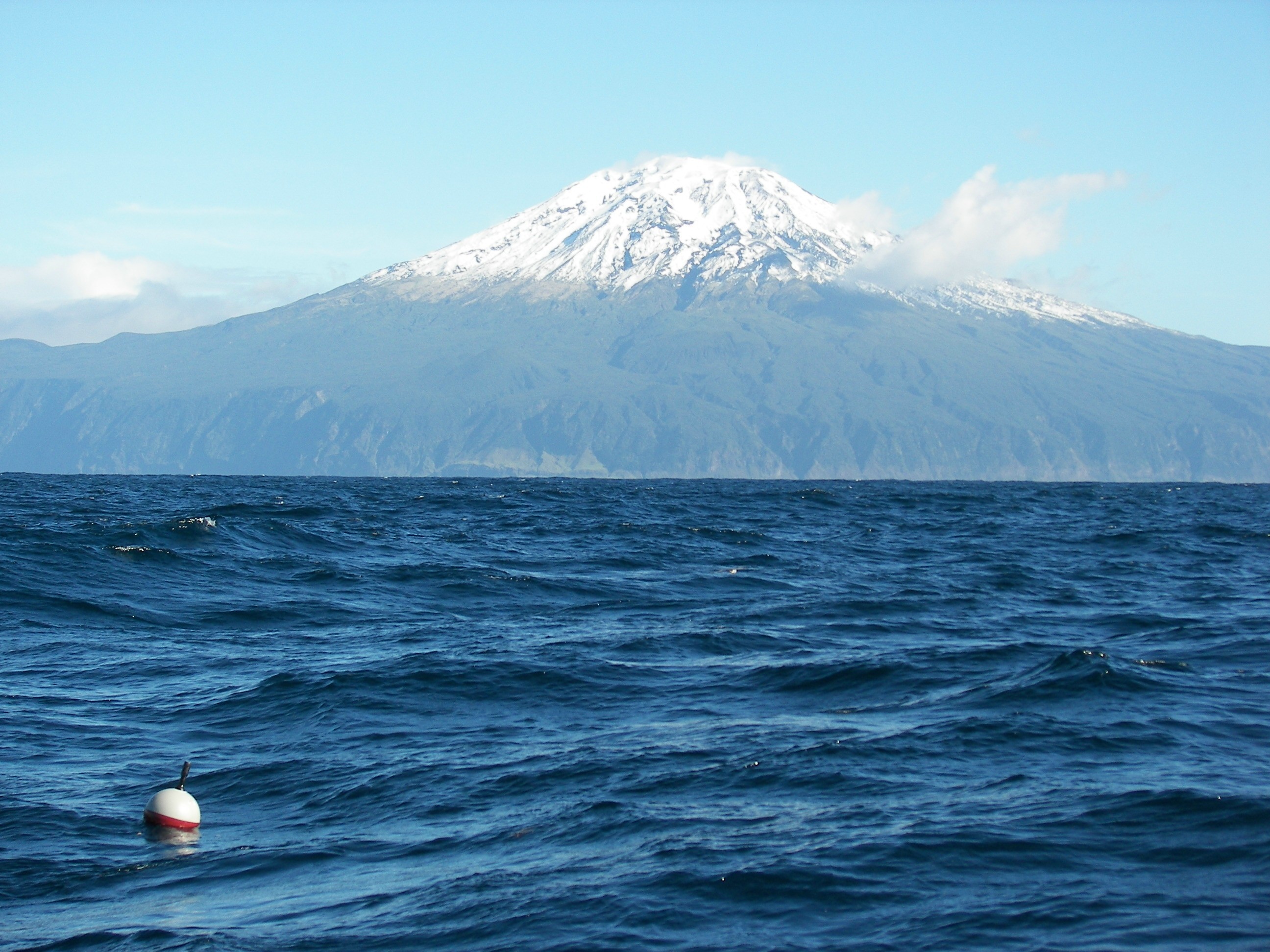
Global Drifter Network Delivers Real-Time Ocean Data to Sharpen Forecasts and Coastal Safety
Every twelve hours, a network of thousands of drifting buoys reports ocean temperature, currents, and barometric pressure from the most remote waters on Earth. NOAA's Global Drifter Program turns that distributed data into a single, calibrated view of the planet's climate system. These instruments verify weather models, sharpen satellite observations, and reveal inter-annual signals like ENSO. Understanding drives protection. For a deeper look at how shared ocean data standards support such systems, see our coverage of integrating fragmented bathymetric data.

2024 Follows 2023, a Second Record Year of Rising Climate Indicators
2024 has followed 2023 as a second consecutive record-breaking year for climate indicators, a pattern that demands our attention. The data is measurable and validated, confirming the oceans are sending us early warnings that are growing more urgent. Our related coverage on the accelerating ocean signals is a natural next step. This is not an anomaly; it is a trend that empirically links warming seas to rising atmospheric CO₂. Scientific clarity, not alarm, will guide the response.
Agulhas Leakage reveals intensifying compound ocean extremes
The Agulhas Leakage is revealing intensifying compound ocean extremes, and the findings demand our attention. Marine heatwaves and ocean acidity extremes are co-occurring more frequently after the 2000s, with cumulative MHW intensity rising from approximately 29.95 to 109.51 °C-year in the original data. Detrending confirms that long-term warming and acidification trends drive most of this increase, while anticyclonic eddies trap warm, high-[H+] waters in the dynamically active Agulhas Retroflexion. This is empirical, measurable evidence that baseline choice critically shapes compound-extreme risk assessment.
Integrated Ocean Governance: Addressing Transboundary Pollution and Climate Risks
Marine pollution does not respect borders, and neither should governance. Plastic waste, ALPS-treated water, and ship-source pollution drift across jurisdictions, colliding with climate pressures to create compound risks. The Ecological and Environmental Code, while foundational, remains too fragmented to meet this challenge. Its principle-oriented provisions leave jurisdiction ambiguous, liability regimes incomplete, and cooperation largely aspirational. Strong governance demands more than intention. It requires operational mechanisms for transboundary harm. This paper outlines that institutional shift.
Copepod Life Cycles Shift with Marine Heatwaves: A New Ocean Indicator
Copepods are the ocean's canaries, and their response to marine heatwaves is proving more nuanced than expected. Using the Helgoland Roads time series, researchers found that blooms often contract when heatwaves strike during their peak, though most species show no consistent shift in timing beforehand. That distinction matters. It suggests selective pressure is intensifying within blooms themselves. As heatwaves grow stronger, these small disruptions could cascade through food webs, ultimately reshaping fish recruitment.
Tracking Wetland Change: A Satellite Framework for Coastal Resilience
The Coastal Bend of Texas has lost 193 square kilometers of wetlands since 1984, a 17% decline that accelerated sharply between 2008 and 2016. That is not a distant problem; it is a measurable transformation happening now. The study's tools, WET-MUD and WHAMS, turn satellite records into actionable intelligence, distinguishing wetland extent from wetland health with 93% overall accuracy. This framework matters because it makes long-term monitoring reproducible elsewhere, turning raw data into a practical defense for vulnerable coastlines. Understanding drives protection.
Climate Change and Overfishing Threaten Caribbean Queen Conch Populations
The queen conch's decline is not a distant warning, it is a measurable reality. Overfishing has already pushed this keystone Caribbean species to Threatened status, yet climate impacts remain poorly understood. Our integrated models reveal stark divergence: benthic habitats may remain stable under optimistic scenarios, but surface-level projections warn of abrupt suitability losses across all pathways by 2040. Anticipating where suitable habitat persists is now essential for conservation.
Concurrent Heatwaves Threaten Arabian Sea Coral and Productivity
The Arabian Sea's coral reefs are not just facing warmer waters; they are facing a compounding threat. Our new research shows that when marine and atmospheric heatwaves strike together, the thermal stress on ecosystems intensifies dramatically. These concurrent events now drive 70-80% of severe coral bleaching in the region, and they cut chlorophyll-a levels by over 20%. This is not a distant risk; it is a measurable shift.

Drought Reveals Century-Old Shipwreck on Serbia’s Sava River
The rusty hull of a Slovenian vessel, exposed by receding waters, now rests on the Sava River's riverbed near Sremska Mitrovica. This is not a spectacle, but a physical artifact of a century-old journey, laid bare by drought. Such discoveries remind us that our waterways hold hidden chronicles, waiting for the right conditions to surface. For deeper context on how shifting aquatic systems reveal such secrets, explore our coverage on *Copepod Life Cycles Shift with Marine Heatwaves*.
Water-Saving Irrigation: A Meta-Analysis of Greenhouse Gas Impacts Across China
Irrigation choices are not neutral acts in the field; they are biogeochemical switches. Our meta-analysis of 76 studies across China confirms this, showing water-saving regimes trigger a distinct divergence: methane is suppressed, nitrous oxide is promoted, and carbon dioxide sees minor mitigation. Intermittent irrigation drives these effects most intensely. The real insight is that soil pH and regional hydroclimate, not just the technology, dictate the outcome. This coupling demands we move beyond one-size-fits-all policy.
Changing NAO-Gulf Stream Link Highlights Ocean Variability
The North Atlantic Oscillation has long been treated as a steady hand on the Gulf Stream, but new research shows this relationship is anything but fixed. Using satellite altimetry and wind-driven modeling across three decades, scientists found the NAO's influence on the Gulf Stream's path shifts dramatically, sometimes reversing entirely. The key isn't just forcing strength but its spatial structure. This is a reminder that ocean variability resists simple narratives.
Climate Stressors Reshape Salmon Gill Microbiome, Threatening Aquaculture.
Rising ocean temperatures and oxygen depletion are not distant threats; they are reshaping the gill microbiome of farmed Atlantic salmon, and the industry is catching up slowly. This study's identification of Streptococcus and Staphylococcus as biomarkers under heat stress, alongside transcriptomic shifts in immune and tissue-integrity pathways, offers a measurable, peer-reviewed foundation for adaptive management. The findings underscore that climate stressors act in concert, not isolation.
Small Estuaries, Big Impact: Exploring a Hidden Coastal Ecosystem.
Small estuaries are easy to overlook. A new study identifies 243 micro-estuaries across the Mediterranean, and roughly half remain undocumented and unmanaged. These systems, though small at one to seven kilometers long, exhibit stratification strong enough to control oxygenation and denitrification. Sandbars and freshwater inflow dictate their function, with residence times ranging from days to months. This research validates that size does not determine ecological significance.

Arctic Shipping Route Emerges as Climate-Driven Alternative.
A scheduled Arctic route now links Ningbo to Felixstowe, with Sea Legend running the weekly service. This is not a distant proposal; it is a working commercial response to receding ice and shifting trade realities. The passage shortens transit times, yet it also demands calibrated investment in icebreaker support and polar infrastructure. Climate change is redrawing maritime maps, and carriers are adapting. For context on how nations are financing these northern lanes, see our coverage of Russia's icebreaker export revenue plans.
Integrating Climate AI for Informed Ocean Impact Assessments
Climate change is redrawing the map of ocean governance, and environmental impact assessments are being pushed toward sharper, more structured standards. From UNCLOS to the BBNJ Agreement, the regulatory bar is rising. Climate AI can meet that moment, not as an add-on, but as a core engine for forecasting, monitoring, and scenario modelling. A standards-driven framework turns complex climate data into reviewable evidence. That is the path to decisions that hold up under pressure.

Strait of Hormuz Ship Lay-up Risks Major Marine Bioinvasion Event
Idle ships are not neutral ships. A recent study warns that the mass lay-up of vessels in the Strait of Hormuz could trigger a marine bioinvasion "super-spreader" event once maritime trade resumes. The risk is measurable, and the window for calibrated action is now. This is the kind of integrated risk that demands empirical attention before the ballast water moves. For broader context on regional marine traffic pressures, our coverage of Gulf of Oman STS transfers maxing out offers a relevant parallel.
Data-Driven Ocean Stewardship: Balancing Fisheries, Aquaculture, and Future Resources.
The science of ocean stewardship is only as strong as the data beneath it. Marine fisheries, aquaculture, and living resources demand frank, unbiased evidence to navigate climate adaptation, shifting species, and food security pressures. Artificial reefs and sustainable feed systems offer measurable pathways forward, yet fragmented governance and regulatory uncertainty remain stubborn barriers. We need integrated, peer-reviewed approaches to translate complexity into actionable policy. As we explore the next decade, the work must be transparent and reproducible.
Cold Seeps: Unlocking Climate Insights and Assessing Human Impact.
Cold seeps quietly move methane from deep geologic stores into the ocean, yet their role in climate regulation remains underappreciated. This new perspective reframes them through a blue carbon lens, detailing how chemosynthetic communities recycle carbon, store it as biomass, and even block vent emissions. The stakes are clear: bottom trawling and warming waters could turn these reservoirs into methane sources. Understanding drives protection. For broader context on climate-driven ocean change, our coverage of Atlantic Circulation Weakens: Global Climate Reshaping Predicted complements this work.
Mediterranean Sea Temperature and Salinity Trends: A Longitudinal Data Assessment
The Mediterranean Sea is warming, not uniformly, but measurably. This longitudinal assessment of temperature and salinity trends from 2012 to 2025, based on Argo float profiles and reanalysis products, reveals surface warming of 0.8 to 0.9 °C per decade in the Western Mediterranean and Ionian basins. The signal is consistent, yet it is not singular. Freshening in the upper 100 meters contrasts with salinification in Levantine Intermediate Water, underscoring a complex thermohaline shift that demands continued, spatially dense monitoring.