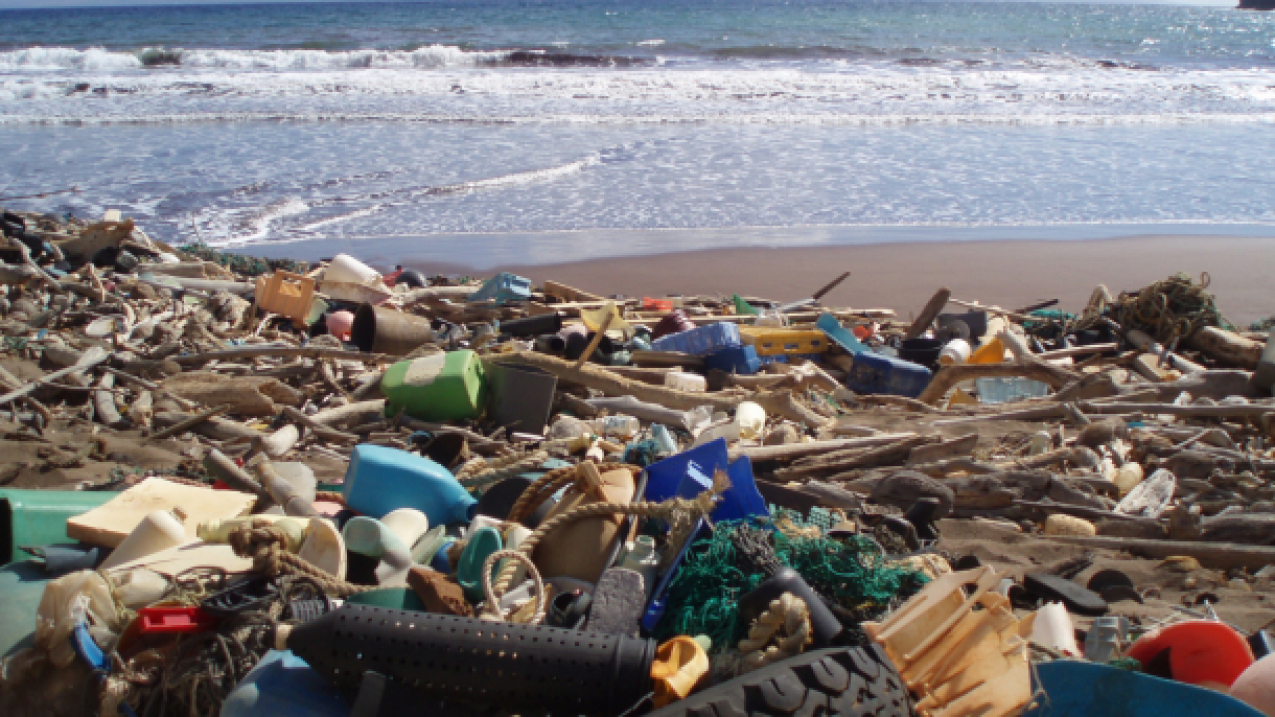
Understanding drives protection. The story of billions of pounds of waste entering our ocean each year is not new, but the act of measuring and mapping it is a step toward actionable ocean intelligence. We now have empirical data that traces this pollution from its nonpoint sources, runoff from farms, septic tanks, and urban landscapes, to its accumulation in the five major gyres and on the ocean floor. This is not an abstraction; it is a calibrated, real-time picture of a problem we can no longer ignore. Our recent exploration of how digital twins reshape ocean data sharing and test new legal frameworks shows that such integrated data ecosystems are precisely what we need to move from documentation to intervention. Similarly, the work on validating native copepod traits to advance marine larviculture reminds us that the same waters absorbing our waste also sustain the foundational species of the marine food web, species that are now ingesting microplastics smaller than 5 mm.
What this measured and mapped data means for our readers is practical. For policymakers, it shifts the conversation from alarmist rhetoric to targeted action: point source pollution from oil spills and factory discharge, while dramatic, occurs less often than the diffuse, chronic runoff that fuels harmful algal blooms and creates dead zones. NOAA's ecological forecasting, which predicts how ecosystems respond to these blooms, is a tool that directly informs beach closures and public health decisions. For researchers and students, the resource database linked in this story is a validated repository, not a collection of headlines, but peer-reviewed findings on how PFAS compounds affect larval grass shrimp or how marine debris infiltrates songbird nests. This is the kind of longitudinal, measurable evidence that should guide curriculum and fieldwork. The 2018 Save Our Seas Act is a legislative response, but legislation only works when backed by the integrated data that tracks debris from a plastic bottle on a Hawaiian beach back to its source.
The critical detail to watch is the fate of microplastics in the seafood supply chain. With more than one-third of U.S. shellfish-growing waters adversely affected by coastal pollution, the research on contaminant accumulation in fish and filter-feeders is not academic. It is a direct line to human health. As we continue to build digital twins of the ocean and validate the biological impacts of our waste, the question is no longer whether the problem exists, it is whether we have the political and scientific will to act on what we have already measured. The gyres are not islands of trash; they are rotating databases of our consumption, and the data is unambiguous.