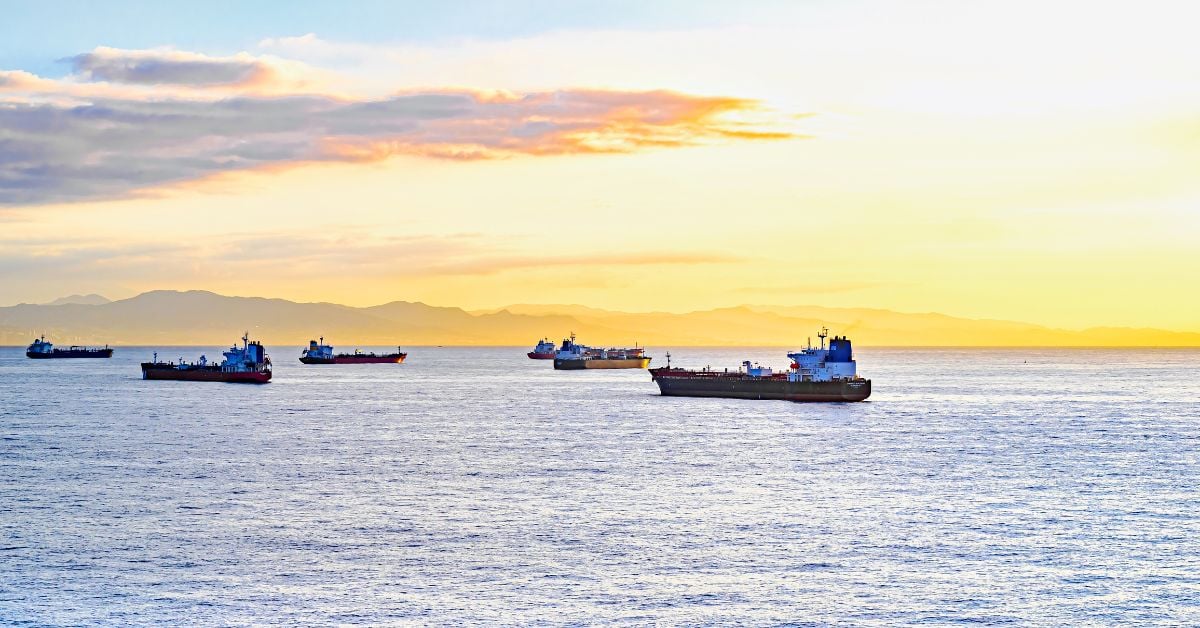
The Strait of Hormuz has become a proving ground for a new kind of maritime warfare, one where the civilian seafarer is both the target and the tool. The situation is not merely a geopolitical standoff; it is a systemic failure to protect the people who keep global trade moving. With approximately 6,000 seafarers stranded on ships in the waterway and 24 vessels attacked in the last two weeks alone, the empirical evidence points to a crisis that demands immediate, measurable intervention. The UN International Maritime Organisation's Secretary-General has called the situation critical, and we agree: the data validates the urgency.
This is not an isolated escalation. It exists within a broader pattern of threats to maritime security, from the use of shadow fleets to the weaponization of communication channels. Our recent reporting on New Sanctions Target Law Firm Behind Iran's Shadow Fleet Operations highlights the financial infrastructure enabling these operations, while the Projectile Strike on Tanker in Strait of Hormuz Endangers 21 Seafarers demonstrates the direct, lethal consequences for crews. The integrated data ecosystem of ship registries and incident reports compiled by the IMO shows 113 attacks or attempts since February, with 24 seafarers killed. These are not abstract statistics; they are calibrated, real-time indicators of a system under duress.
The tactical shift is particularly alarming. Iran's envoy claims the U.S. Navy is using VHF Channel 16, a distress frequency, to threaten and psychologically pressure crews. The U.S. Military, in turn, directs ships to use that same channel for assistance. The result is a communications environment where a seafarer cannot distinguish between a distress call and a military warning. This is a profound breach of maritime protocol, and it places every vessel in the region in an untenable position. The sinking of the GFS Pride and the damage to the GFS Giselle are not collateral damage; they are direct outcomes of this degraded security environment.
The practical takeaway for our readers is stark: the Strait of Hormuz is no longer a predictable transit corridor. Shipping companies must treat every passage as a high-risk operation, with crew safety protocols that assume communication channels are compromised. The U.S. Navy's own assessment of the threat as 'severe' should be taken at face value. The question that remains unanswered is how the international community will enforce the basic principle that civilian seafarers are not legitimate targets in a military contest. Iran's foreign minister has offered to reopen the strait within a week if the U.S. meets its demands, a specific condition that will test whether diplomatic channels can produce a verifiable, measurable outcome. The clock is running for 6,000 stranded crew members.