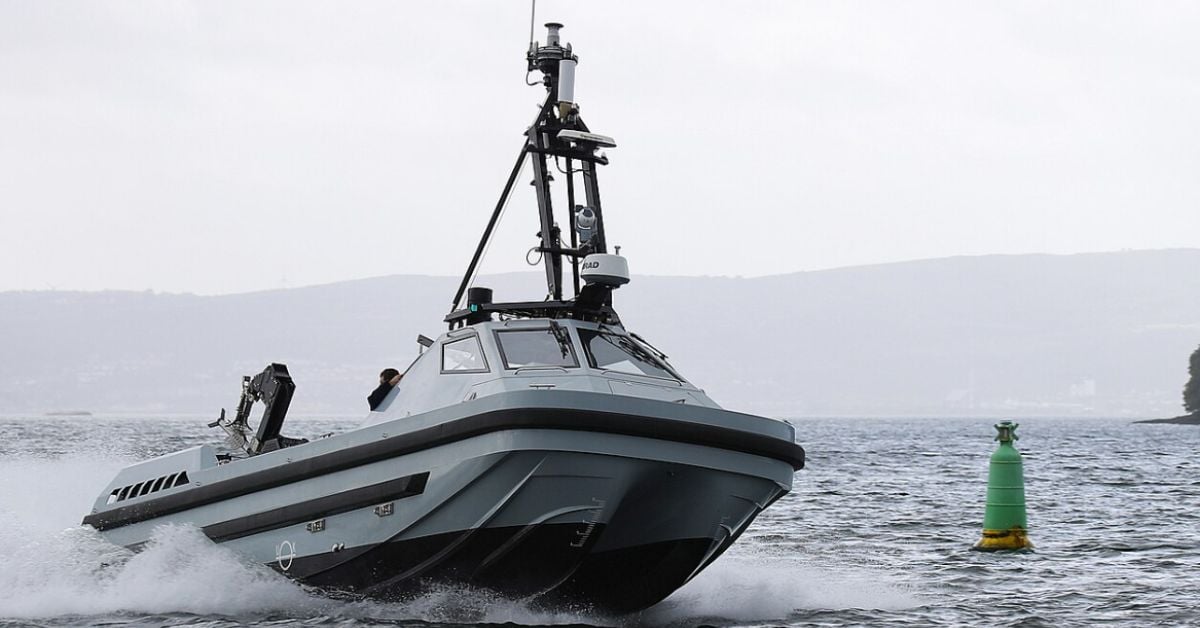
The Strait of Hormuz is not a theater for ambiguity, and the latest incident proves why precision matters more than posturing. Iran announced on Sunday that it had attacked an unmanned U.S. vessel attempting to enter a zone it claims as restricted. The United States rejected the account outright, calling it a "total lie." Two navies, two narratives, and a waterway that moves a fifth of global oil consumption hanging in the balance. For our readers, the immediate question is not who fired first, but how this incident interacts with the fragile diplomatic and commercial currents already straining the region. This episode lands directly alongside Phased Negotiations Aim to Ease Restrictions on Strait of Hormuz, where the U.S. and Iran are reportedly discussing a phased deal to reopen the strait. A single disputed attack, whether real or fabricated, does not just threaten a vessel; it threatens the credibility of those talks before they fully surface.
We should be clear-eyed about what is happening here. This is not a random skirmish but a calibrated signal in an ongoing negotiation. The related reporting on Gulf of Oman STS Transfers Max Out Amid Rising Saudi Oil Exports shows that ship-to-ship transfers in the nearby Gulf of Oman have already hit maximum capacity. That is the practical, measurable context our audience cares about. When commercial operators are running at full tilt and diplomatic channels are open, a single incident in a contested zone carries outsized weight. The Iranian claim is not just about the vessel; it is about testing the boundaries of what is acceptable while talks are supposedly progressing. And the U.S. rejection is equally purposeful: concede nothing, clarify the red line, and keep the pressure on. For shipping companies, insurers, and maritime security teams, the takeaway is uncomfortable but unavoidable: the risk premium on transiting Hormuz is no longer a theoretical model, but a daily operational reality.
What would we tell a reader who asks, "Should I be worried?" Not in the alarmist sense, no. But we would tell them to watch the data, not the headlines. The Eighty Nations Urge Reopening of Vital Strait of Hormuz Shipping Lane report underscores that 80 member states have already called for the strait to be reopened. That is diplomatic consensus, and it is on the record. So this incident is a stress test for that consensus. The concrete point to watch is whether the U.S. and Iran allow this dispute to derail the phased negotiations or use it as a bargaining chip to extract concessions. For our readers, the specific consequence is this: if the talks collapse over a disputed incident with no casualties, the risk of miscalculation rises precisely because both sides have invested in incompatible narratives. The next vessel that transits Hormuz may be tracked more closely, but the real signal will be whether the negotiators return to the table. That is the number to watch, not the next claim.