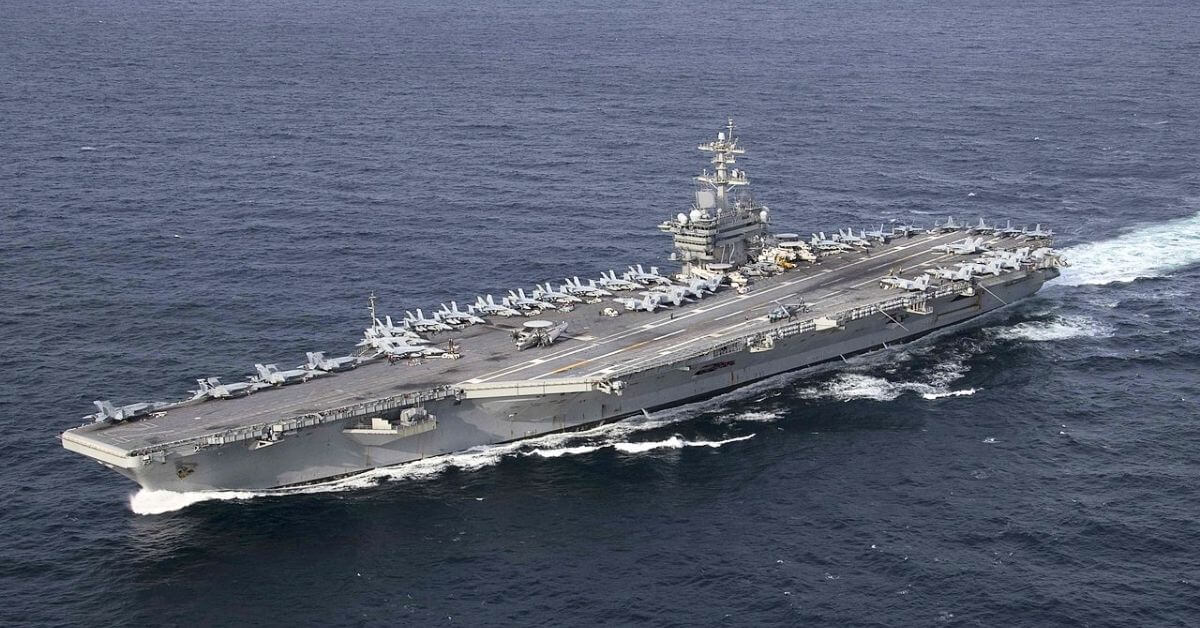
A sailor's rescue from the USS Abraham Lincoln after going overboard during a mental health crisis is not a story about naval operations. It is a story about the human factor inside a machine we often describe only in terms of tonnage, readiness, and strategic reach. The family's description of the incident as a mental health crisis is the detail that matters most. We can debate readiness metrics and deployment schedules, but the moment a person in uniform becomes a casualty of their own mind, the system's real fragility is exposed. This is not an isolated human-interest aside; it is a data point in the same ocean of operational stress that shapes every other headline we cover, from Navy Accelerates Autonomous Systems Integration for Enhanced Maritime Operations to the strategic calculus of China’s New Nuclear Carrier Signals Extended Naval Operations Capability.
Our readers, whether they track ship-to-ship transfers in the Gulf of Oman or the integration of robotic systems, understand that a carrier strike group is a closed ecosystem. What happens in the Gulf of Oman STS Transfers Max Out Amid Rising Saudi Oil Exports is governed by the same physical and psychological limits that govern a sailor on a 12-hour watch. The Navy's push toward autonomous systems is often framed as a way to reduce human risk, but this incident is a reminder that the human element remains the least predictable variable. No algorithm can anticipate a crisis that is invisible until it is not. The service can invest in new centers and new platforms, but those investments do not address the strain of prolonged deployments, isolation, and the pressure to perform under the eyes of a peer competitor. The sailor was rescued, and that is the outcome we can measure. But the incident itself should prompt a different kind of audit, one that looks at morale support, mental health screening, and the culture that determines whether a sailor feels safe asking for help before they are overboard.
This is where the brand voice of World Data Ocean asks for clarity over comfort. We are not going to speculate on the specifics of this sailor's case or the command's response; the material does not give us that. What we can say is that the rescue is a success, but the crisis is a signal. In an era where we are pushing the limits of maritime operations, from maxing out STS transfer capacity to fielding nuclear-powered carriers that can outlast U.S. vessels, we cannot afford to treat mental health as a secondary consideration. The same integrated data ecosystem that tracks climate indicators and ocean intelligence must include human performance metrics. If the Navy is serious about extending operational capability, it must measure the cost of that extension on the people who make it possible.
The concrete point to watch is not the next headline about a rescue, but the follow-up. Does the service release a study on behavioral health incidents during extended deployments? Do we see changes in watch schedules or the introduction of peer-support programs that are actually resourced? The sailor survived. The question is whether the system learns to prevent the next crisis or simply waits to respond to it. For our readers, the takeaway is direct: the same discipline we apply to calibrating sensors and validating data must be applied to the humans inside the operations. If we can measure the strain on a bearing, we can measure the strain on a crew. The data exists. The question is whether anyone is willing to read it before the next overboard report is filed.