Russia
95 stories filed under Russia on World Data Ocean. The newest of them: “Shifting Cargo: Russian Terminals Adapt for Grain Export Surge”, “Protecting Baltic Cables: Finland Enhances Response to Underwater Infrastructure Threats”, and “Baltic Sea Incident: Russian Warship’s Flares Prompt International Concern”. The Baltic and Arctic terminals that once moved fertiliser and coal are now turning to grain, a pragmatic response to shifting export demands. Finland's response to suspected underwater infrastructure damage is tightening, and rightly so. A Global Hub for Ocean Intelligence 4 World Data Ocean is a centralized digital platform where researchers, scientists, and ocean enthusiasts converge to… The list below is every Russia story on World Data Ocean, newest first.

Shifting Cargo: Russian Terminals Adapt for Grain Export Surge
The Baltic and Arctic terminals that once moved fertiliser and coal are now turning to grain, a pragmatic response to shifting export demands. It is a quiet recalibration of infrastructure, and one that speaks to how quickly trade flows can redirect. Russia is adapting its logistics to stay competitive, and that flexibility is worth watching. For broader context on how export routes are evolving, our piece on Russia Calibrates Export Revenue for the Northern Sea Route Icebreaker Fleet offers a useful parallel.
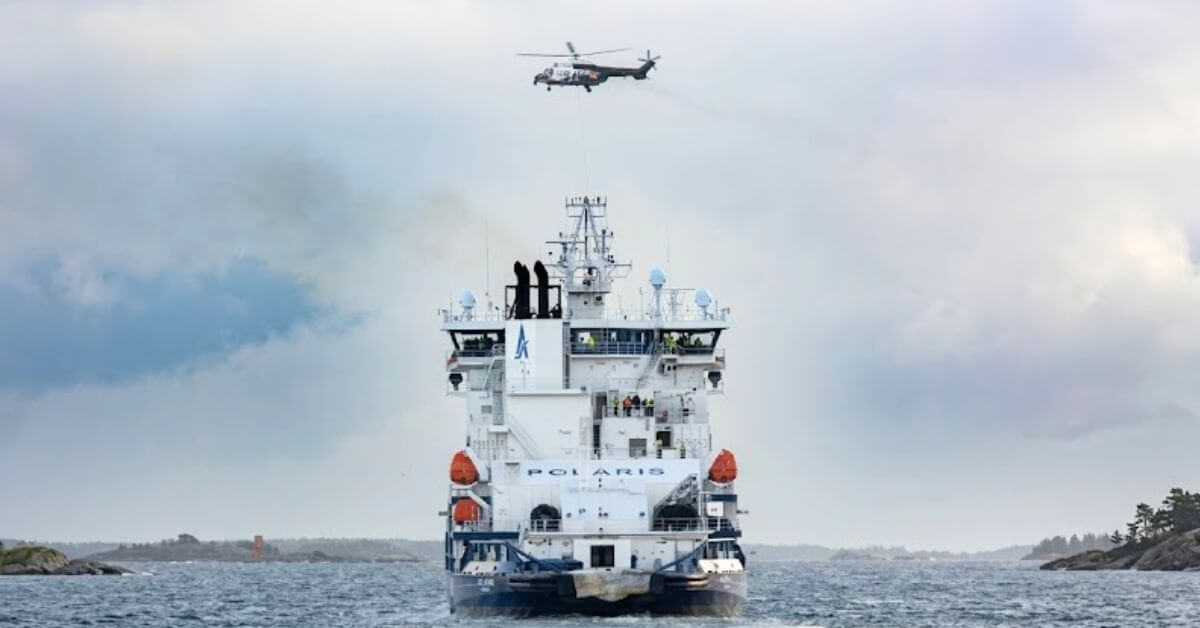
Protecting Baltic Cables: Finland Enhances Response to Underwater Infrastructure Threats
Finland's response to suspected underwater infrastructure damage is tightening, and rightly so. The incidents involving Baltic cables have pushed officials to sharpen their procedures for assessing vessels that may pose a threat. This is measured, practical progress. Protecting the data routes that carry nearly all transoceanic traffic is not optional. For readers tracking related risks, our coverage of the bulk carrier grounding near Gladstone offers another reminder of how vulnerable maritime chokepoints remain.
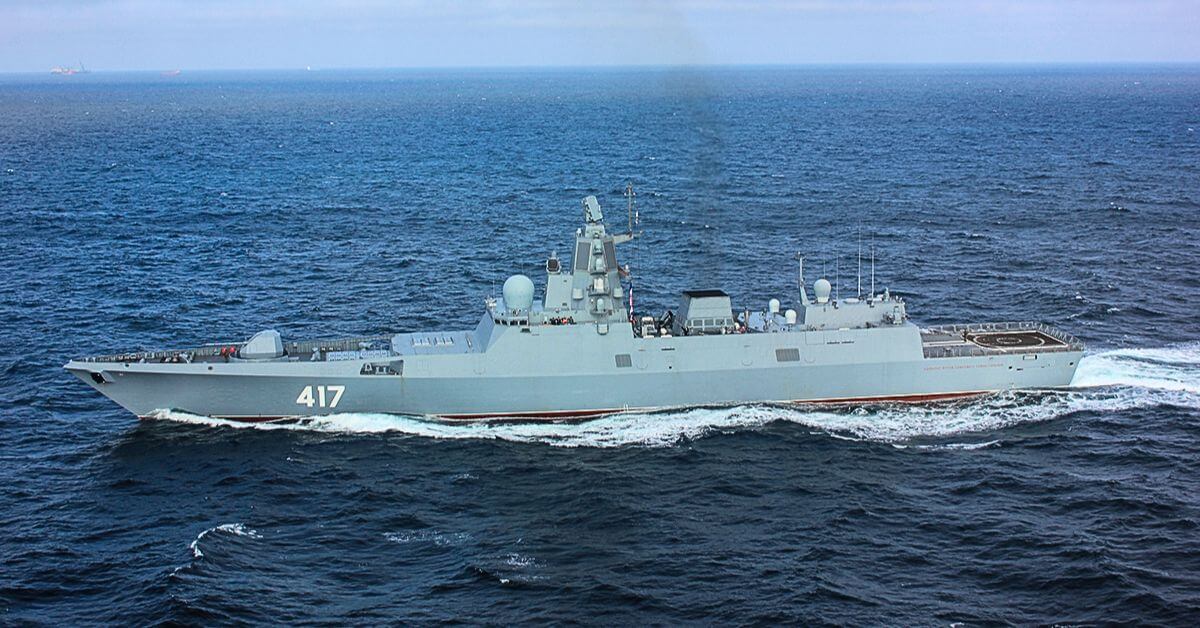
Baltic Sea Incident: Russian Warship’s Flares Prompt International Concern
The Baltic Sea's status as a corridor of strategic tension sharpened this week after a Russian warship fired flares, a move the European Union swiftly labeled "reckless and dangerous." The incident underscores how routine naval operations can escalate into international incidents with little warning. Such provocation demands measured, empirical scrutiny rather than alarm. For context on Moscow's broader maritime ambitions, our related coverage on Russia's icebreaker export revenue scheme offers useful grounding.
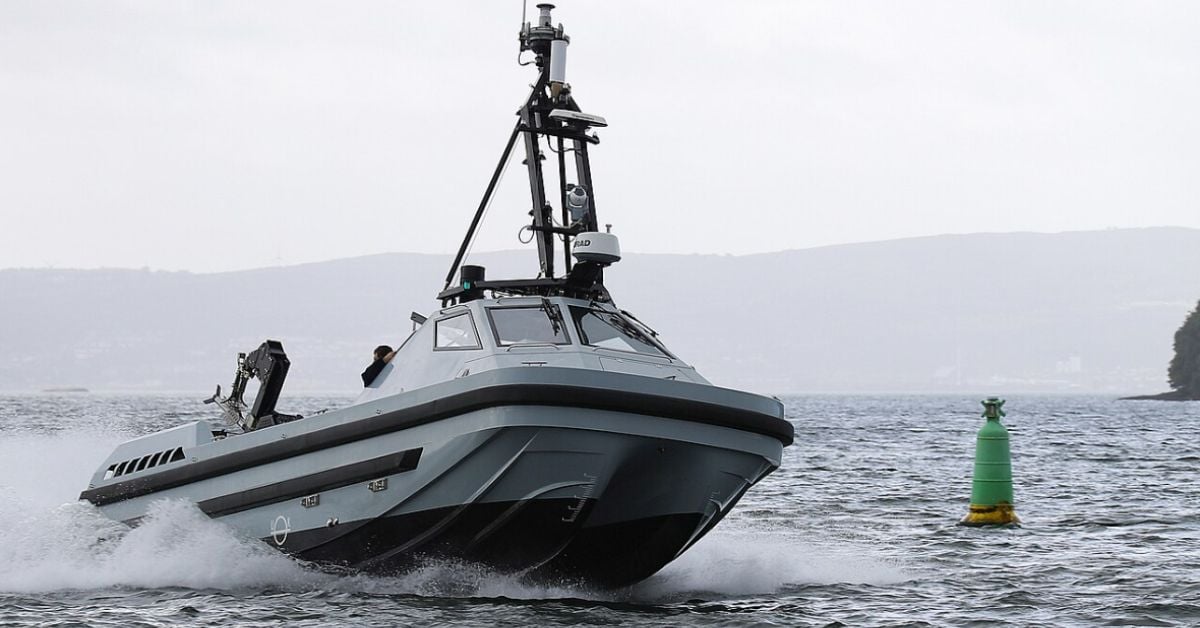
Black Sea Showdown: Naval Drones Engage in Real-Time Conflict.
A 12.7 mm machine gun, mounted on a protected remote weapon station, defines the latest chapter in Black Sea naval warfare. This is not abstract theory; it is real-time conflict where drone crews operate under direct threat. The weapon's precision offers a measurable advantage, though the tactical picture remains fluid. The engagement underscores a broader pattern of Russian maritime aggression, a thread explored in our related piece on Russian Maritime Activity Raises Concerns of Drone Operations in Mediterranean.

NATO Intervenes to Prevent Russian Subsea Cable Disruption Exercise
NATO intervened to prevent a Russian exercise aimed at disrupting subsea cables, a direct challenge to the global data networks we rely on. Two Western officials confirmed the vessels were stopped and later departed. This is not an isolated provocation. Our related coverage of *Russian Maritime Activity Raises Concerns of Drone Operations in Mediterranean* suggests a pattern of calibrated, high-risk behavior. Protecting ocean intelligence infrastructure is no longer theoretical; it is an operational necessity. Understanding drives protection.

Black Sea Attack Damages Tugboat, Claims Lives of Two Seafarers
A Black Sea attack has damaged the tugboat *Tedy* and claimed the lives of two seafarers, Ukraine's Ministry of Recovery, Infrastructure and Transport confirmed. This is a grim reminder that maritime conflict exacts a human toll beyond geopolitical headlines. Each casualty is a preventable failure of ocean stewardship. For broader context on Russia's maritime strategy, see our coverage of the Vostok Project's Arctic oil exports. Understanding these interconnected dynamics demands empirical, not emotional, analysis.

Sea Drones Strike Sochi, Demonstrating Extended Reach and Impact.
A Ukrainian sea drone strike reached Sochi, a Russian resort roughly 700 kilometers from the border, demonstrating an extended range that redefines maritime conflict. This is not alarmism; it is a measurable shift in operational reach. The attack underscores how uncrewed systems can project force far from traditional front lines. For deeper context on maritime infrastructure and strategic chokepoints, see our coverage of *Paradip Port Designated a Mega Port*. Understanding these dynamics is essential for assessing global security.
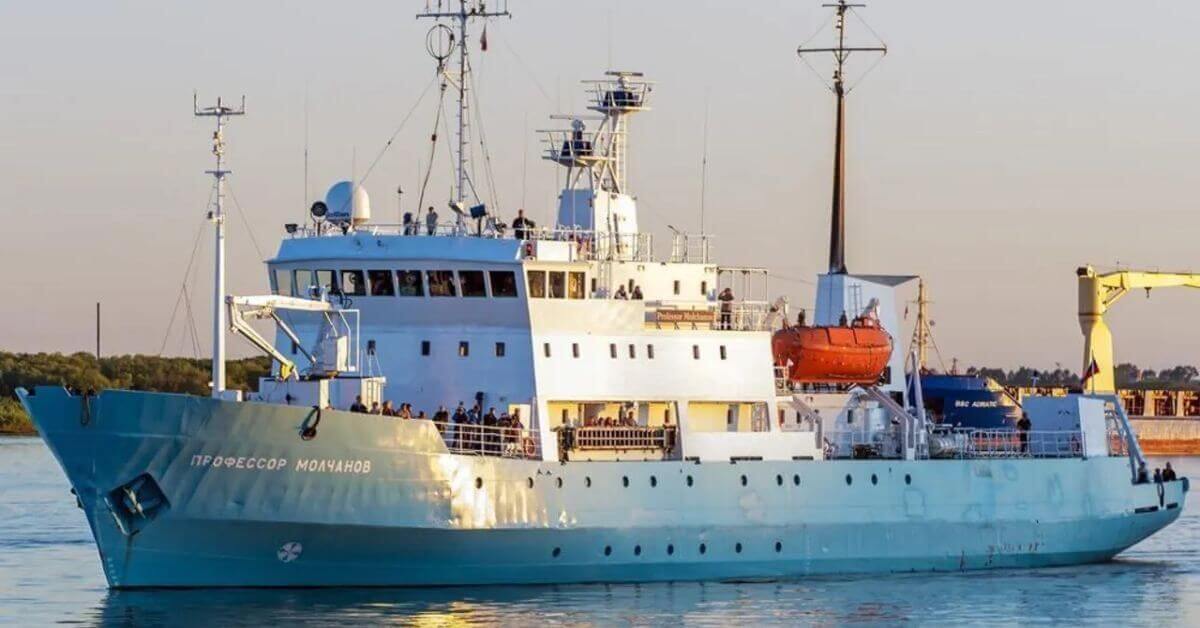
Arctic Stranding: Norway Assists 69 Russians Amid Maritime Dispute.
A Norwegian court ordered the seizure of a Russian vessel, and then Oslo assisted the 69 stranded crew members. This is pragmatic diplomacy during a maritime dispute driven by Ukraine's Naftogaz. Arctic operations cannot afford political standstills; they require calibrated cooperation. The incident highlights how commercial shipping becomes entangled in geopolitical currents. For deeper context on Russia's Arctic ambitions, see our coverage of the Vostok Project's oil exports amid shifting sanctions.
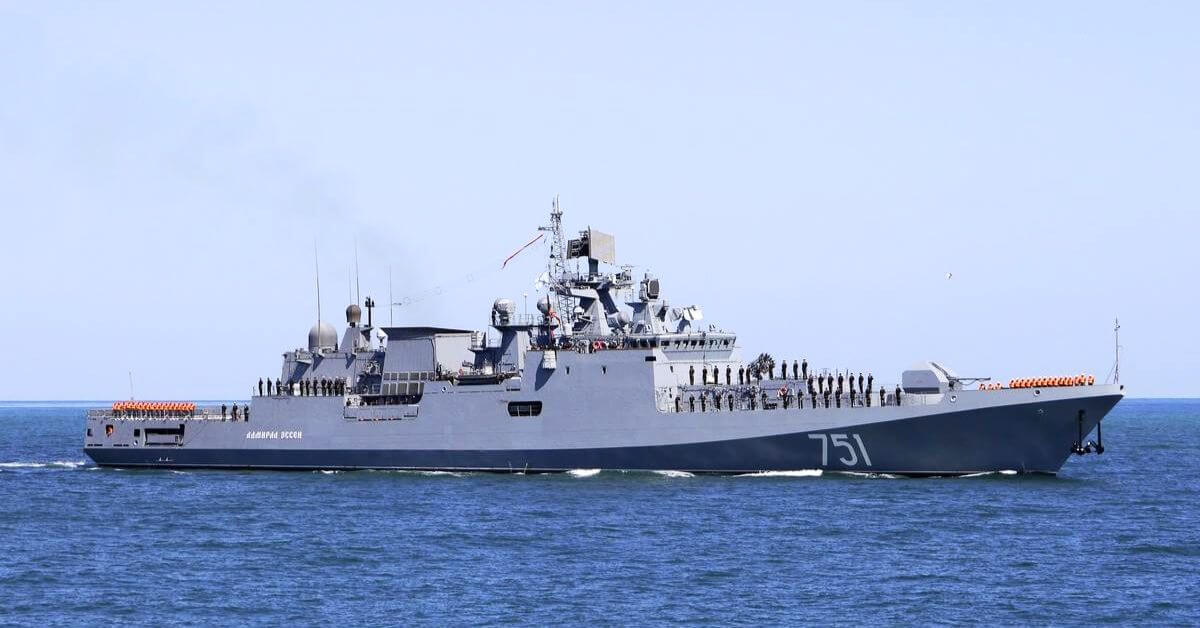
Ukraine Strikes Key Russian Warship in Black Sea Port
Ukraine's strike on a key Russian warship at Novorossiysk, Russia's largest Black Sea port, demonstrates a calibrated shift in maritime conflict. This operation targets not just a vessel but the logistical backbone sustaining naval power in the region. Measurable impacts on Russian export capacity and fleet readiness merit close observation. For deeper context on how Russia is recalibrating its maritime economic strategy, see our related coverage on the Northern Sea Route icebreaker fleet. Understanding these integrated dynamics is essential.
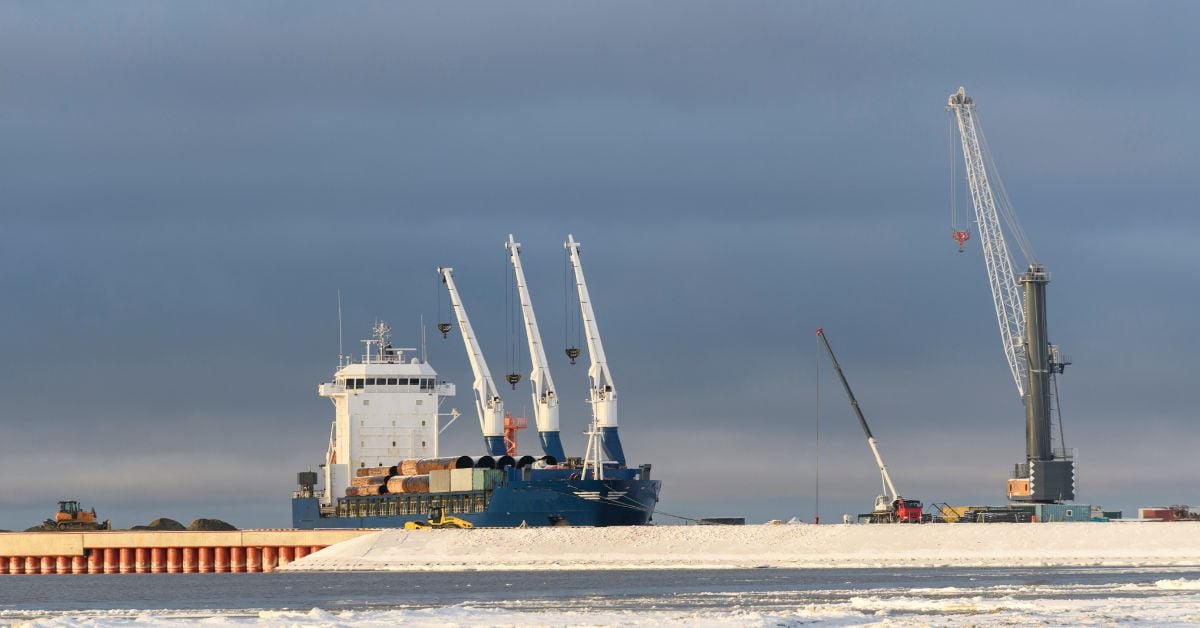
Arctic Passage Time Cut: Container Ship Charts New Route.
A Chinese container vessel has completed the Northern Sea Route in just 25 days, validating the Arctic's potential as a viable commercial passage. This is not an experiment; it is a measurable step in global shipping's realignment. The voyage demonstrates how climate indicators and integrated data ecosystems are reshaping trade logistics. For deeper context on shifting maritime corridors, see our coverage of "Russia Calibrates Export Revenue for Northern Sea Route Icebreaker Fleet." Understanding these routes drives smarter stewardship of our ocean intelligence.
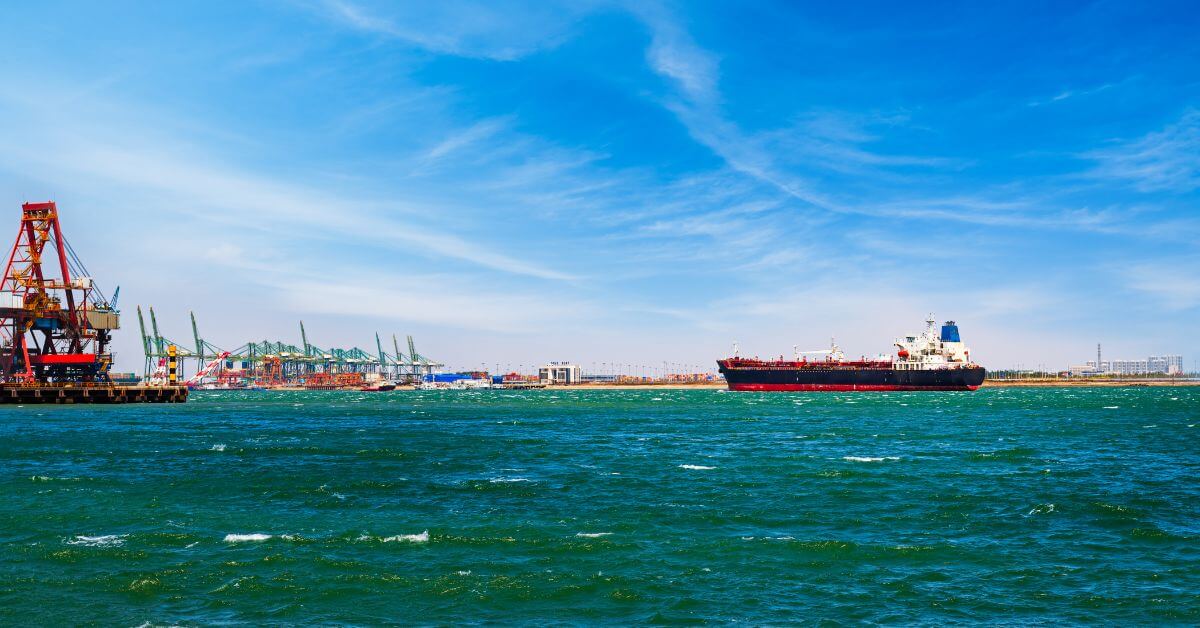
Albania Intercepts Tanker Linked to Russian Shadow Fleet Operations.
Albania has intercepted the Sierra Leone-flagged tanker HANUMAN, a vessel long tracked by Ukraine's Main Directorate of Intelligence for its role in Russian shadow fleet operations. This action underscores the measurable impact of coordinated maritime surveillance. Understanding these networks drives protection of global shipping integrity. For deeper context on how Russia is recalibrating its maritime revenue streams, see our analysis of the Northern Sea Route icebreaker fleet.

Arctic LNG 2 Seeks $1 Billion in Arbitration Against Hanwha Ocean
Arctic LNG 2 has filed a $1 billion arbitration claim against Hanwha Ocean in Singapore, a direct consequence of a terminated shipbuilding contract. This legal action underscores the high stakes of Arctic infrastructure development amid mounting geopolitical friction. The claim is a calibrated move, reflecting the measurable financial impact of disrupted supply chains. For deeper context on Russia's Arctic maritime strategy, see our coverage of the Northern Sea Route icebreaker fleet financing.
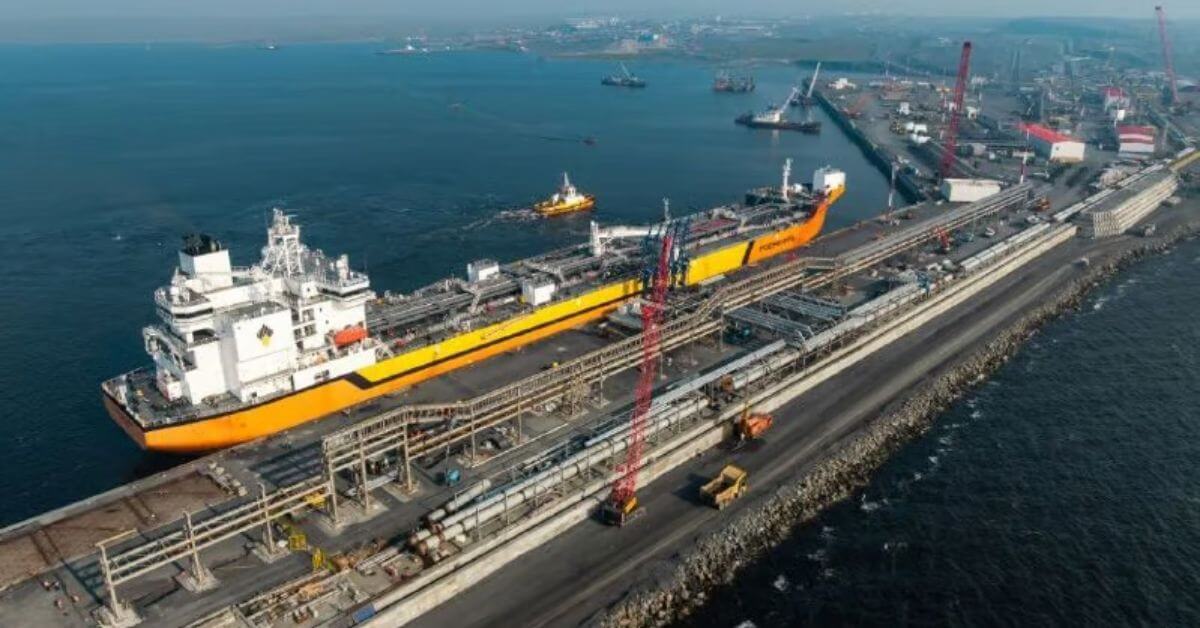
Arctic Route Gains New Supply: Vostok Oil Flows to Northern Sea Route
The first crude oil from Russia's Vostok Oil project has moved through the Arctic, adding a new supply line to the Northern Sea Route. It's a logistical step forward, but one that carries real strategic weight. The route's expansion is worth watching closely, especially as export revenues get recalibrated to fund new icebreakers. For a deeper look at that financial balancing act, our related coverage on Russia's export revenue plans is a useful next stop.
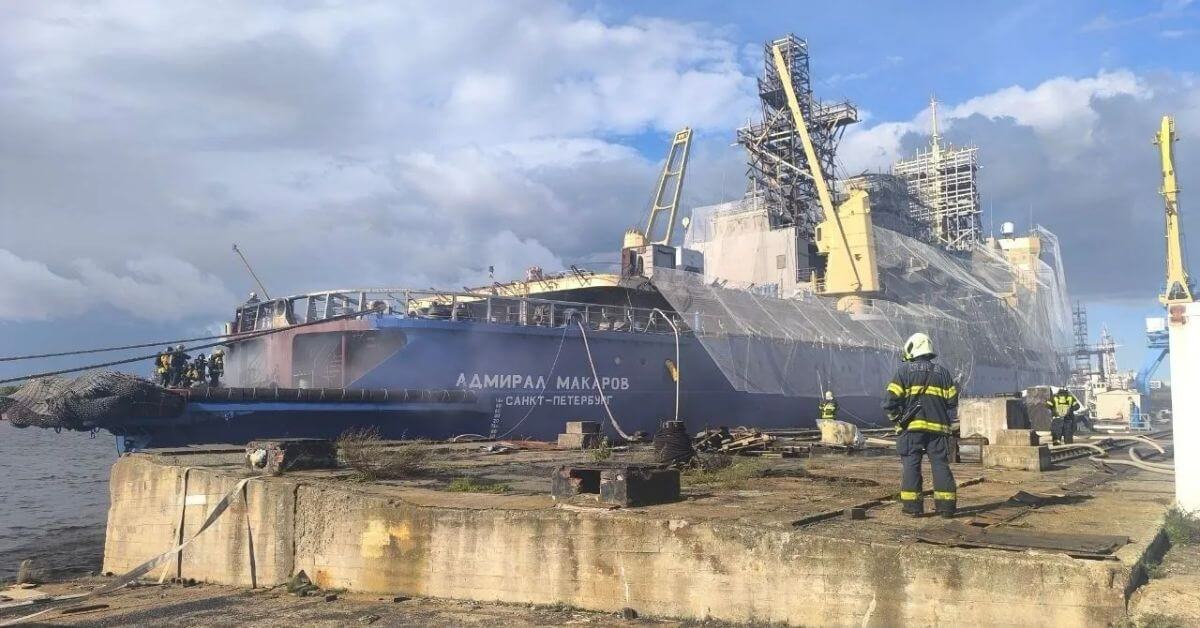
Damage Assessment Underway on Russia’s Admiral Makarov Icebreaker
A fire broke out September 5 in the steering-gear compartment of Russia's Admiral Makarov icebreaker, according to Telegram channel 112, with damage assessment now underway. The incident underscores the operational vulnerabilities facing Moscow's Arctic fleet, even as it invests heavily in expanding its Northern Sea Route capabilities. For a vessel central to strategic ambitions, this is a measured but pointed reminder that readiness demands more than new builds.
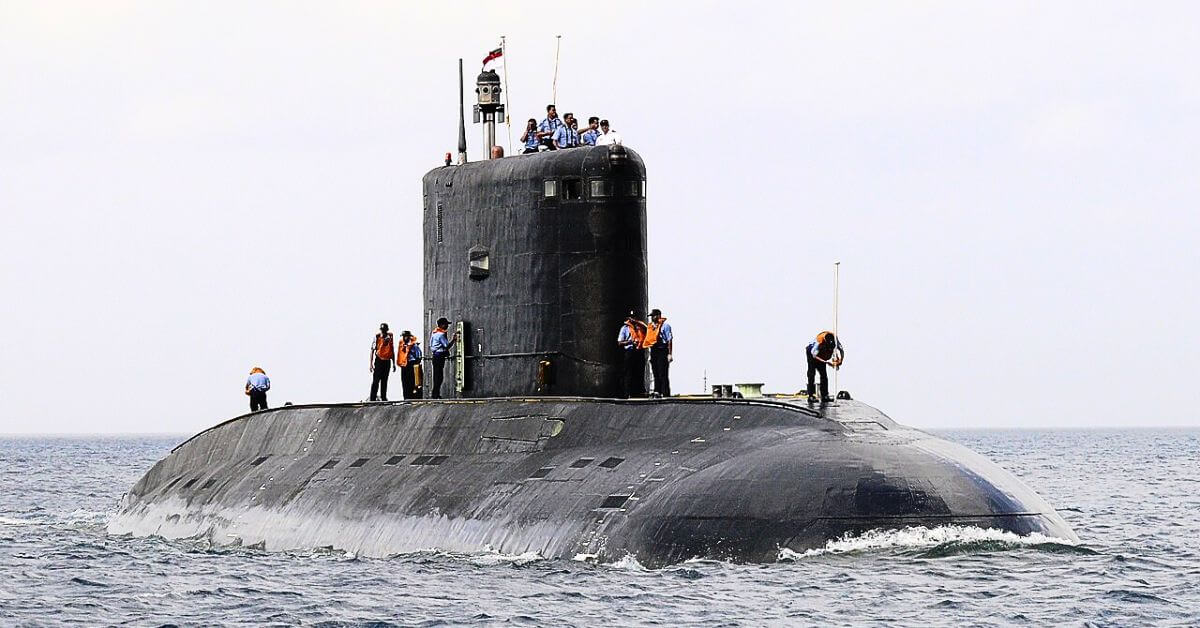
India Considers Refurbished Kilo Submarines Amidst Fleet Modernization
Russia's offer of three refurbished Kilo-class submarines to India arrives at a moment when fleet modernization is no longer optional. The boats, fitted with newer weapons, extend a practical path to capacity without the timelines of new construction. It is a measured proposal, and one worth examining closely. For readers tracking regional naval momentum, our coverage of India's projected 230-ship fleet in "India Projects Expanded Naval Fleet to Navigate Evolving Maritime Landscape" provides useful context. Pragmatism, not sentiment, should guide this decision.
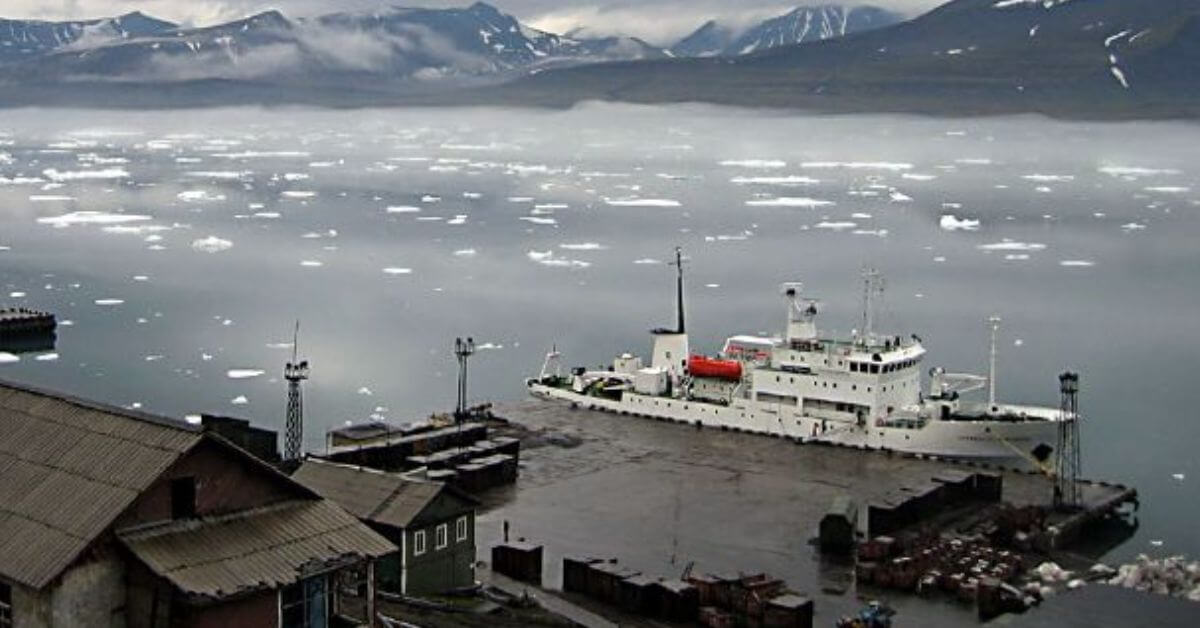
Dispute Escalates: Vessel Seized Amid Ukraine’s Energy Claim Against Russia
A vessel has been seized in escalating legal conflict. Ukraine's state energy company, Naftogaz, pursues a $4.2 billion compensation claim for assets taken by Russia. This is not merely a financial dispute, it is a calibrated test of international maritime law and the boundaries of energy sovereignty. The claim invites scrutiny of how state-sponsored seizures intersect with broader geopolitical pressures. For deeper context on Russia's evolving maritime strategy, see our coverage of the Northern Sea Route icebreaker revenue plan.
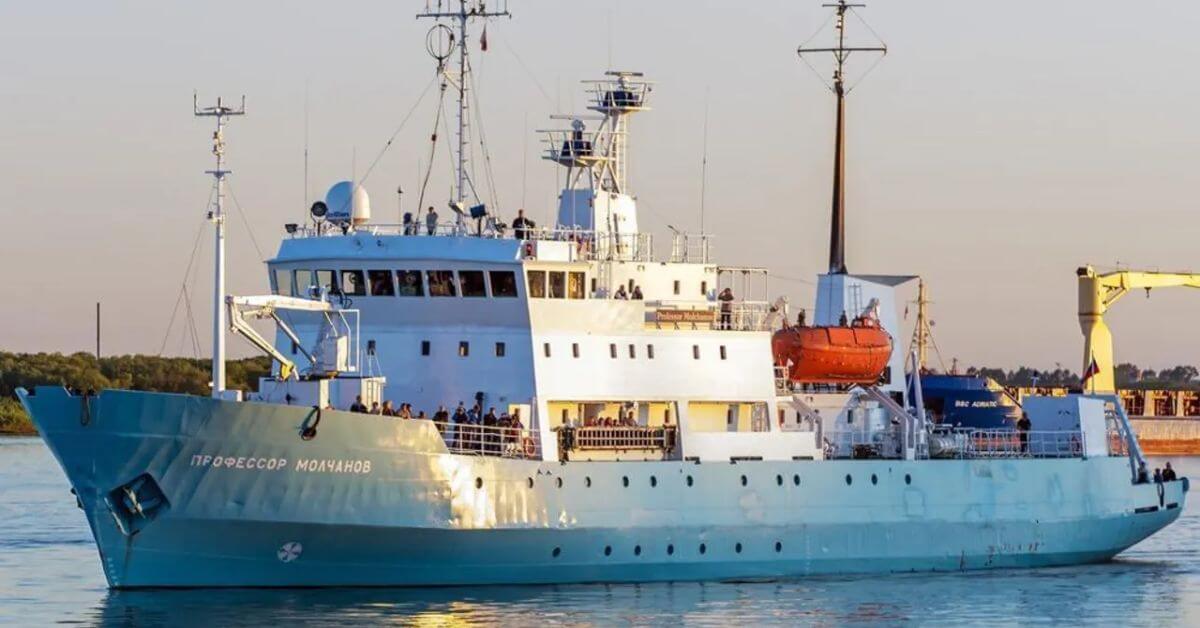
Norway Enforces International Ruling, Seizes Russian Vessel Linked to Svalbard Cruises
Norway's seizure of a Russian vessel linked to Svalbard cruises marks a decisive step in enforcing international maritime rulings. The ship, operated by the Russian Federation for commercial expedition voyages, now sits at the center of a legal and geopolitical test. This action underscores that ocean governance carries weight beyond rhetoric. It also echoes broader patterns in Arctic shipping, where Russia's strategic ambitions, from icebreaker funding to Arctic oil exports, increasingly collide with international law. We'll be watching how this precedent shapes future compliance.
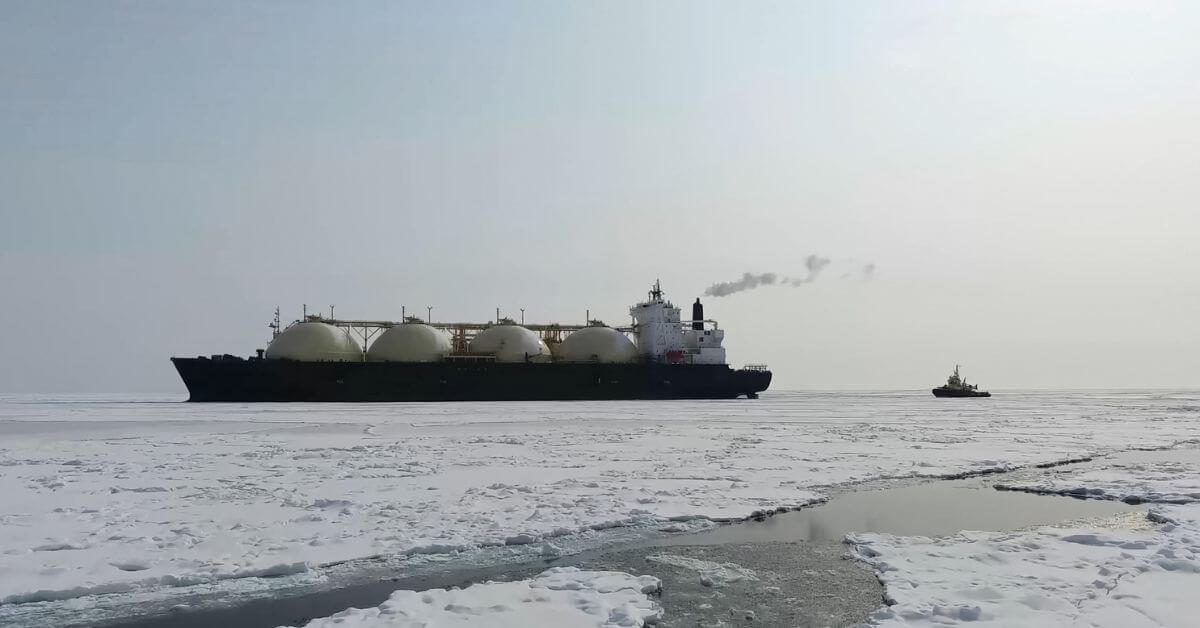
Arctic LNG 2 Capacity Expands with New Ice-Class Carrier Fleet.
The Arctic's harshest routes just became more navigable. A Russian-built, advanced ice-class LNG carrier has joined the fleet serving Arctic LNG 2, enabling year-round operations in waters that once dictated seasonal limits. This is practical ocean intelligence: the capacity to move gas reliably through extreme conditions strengthens the entire maritime energy chain. For readers tracking parallel shifts in global shipping, our coverage of Paradip Port's new mega port status offers another example of infrastructure evolving to meet demand.
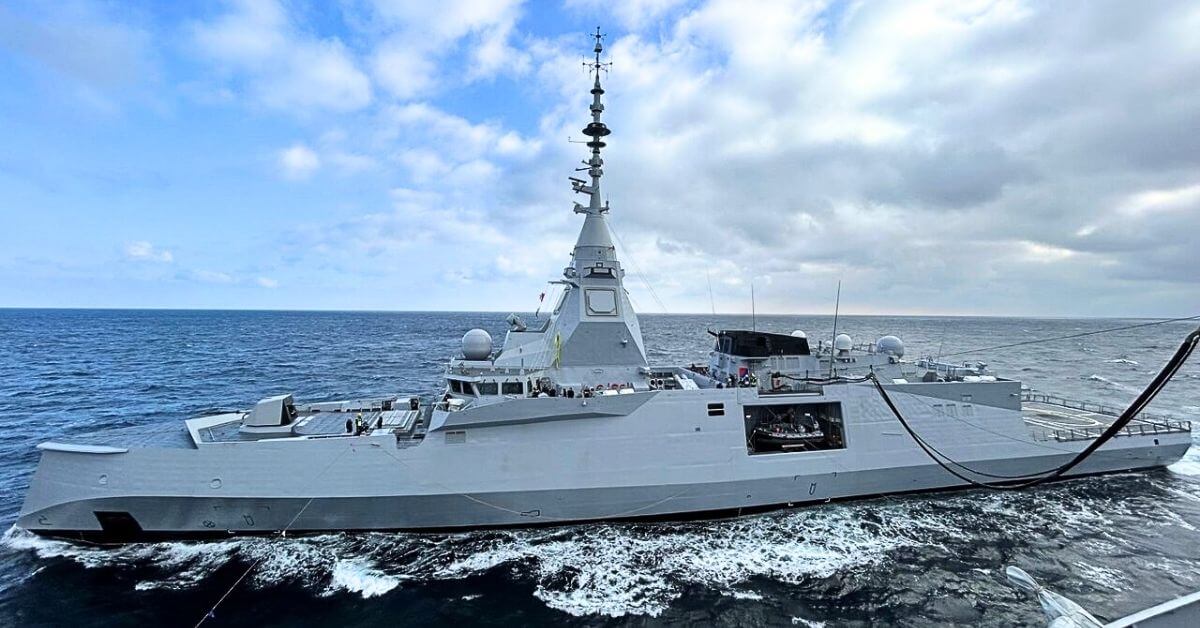
Sweden Bolsters Naval Capabilities with Acquisition of Four Advanced Frigates
Sweden's decision to acquire four advanced frigates marks a measured step toward a stronger naval presence, with the first delivery slated for 2030. These vessels will become the largest in the Swedish fleet, a practical response to shifting maritime realities. The investment signals patience and precision, not panic. For readers tracking parallel developments in naval strategy, our coverage of Russia's Northern Sea Route icebreaker plans offers useful context. Sweden is building capacity deliberately, and that intent is worth watching.
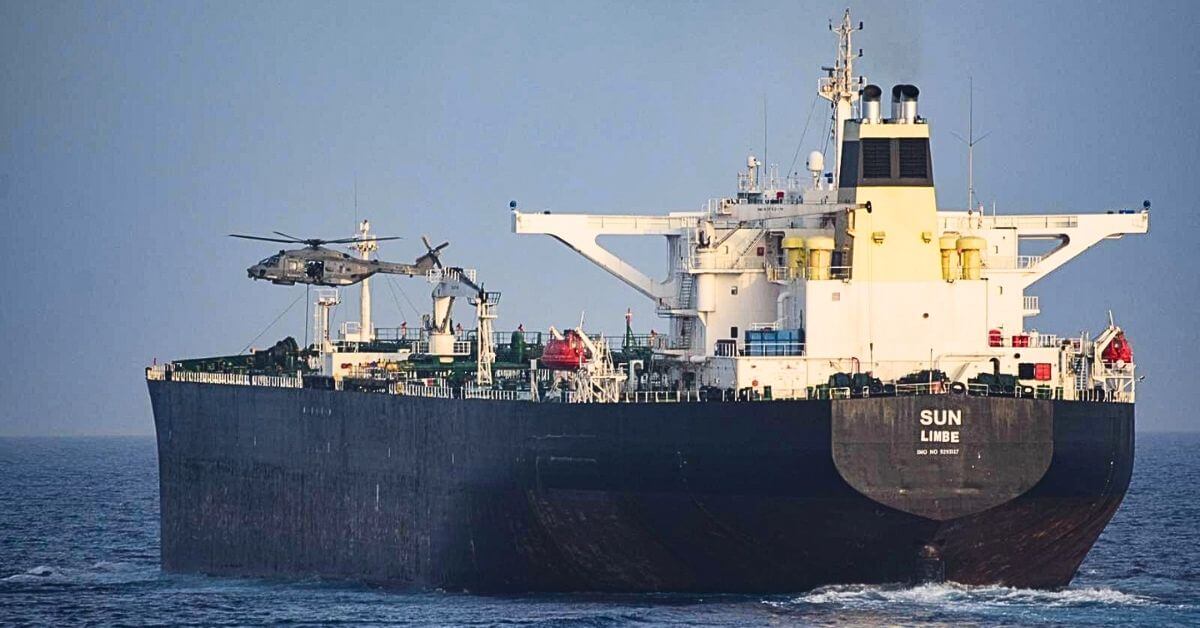
Maritime Security: Inspections Target Vessels Suspected of Shadow Fleet Activity
Maritime authorities from France, Sweden, Belgium, and Britain have boarded or seized vessels suspected of shadow fleet activity, tightening the net on opaque operations in European waters. These inspections signal a calibrated, intelligence-led response to a threat that hides in plain sight. Enforcement like this is how rules endure. For a closer look at how maritime incidents unfold under pressure, see our coverage of the cargo ship fire near Mykonos. Vigilance, measured and consistent, remains the anchor of ocean security.
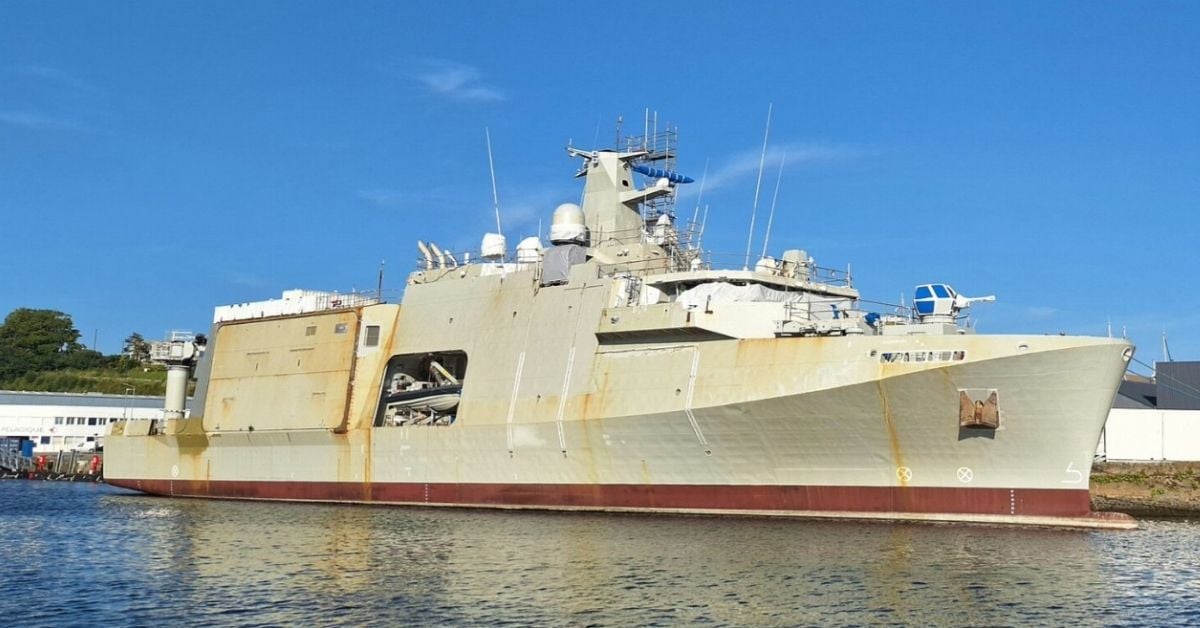
Bolstering Black Sea Security: Bulgaria Acquires Minehunters for Maritime Protection
Bulgaria is adding seven minehunters from Belgium and the Netherlands to its naval arsenal, a measured step toward securing Black Sea shipping lanes against naval mines. This acquisition is less about spectacle and more about practical defense, addressing a real and present hazard to commercial traffic. It is a sensible move, though one that also signals how tense the region has become. For broader context on Moscow's maritime ambitions, our piece on Russia's Arctic export plans offers a useful counterpoint.
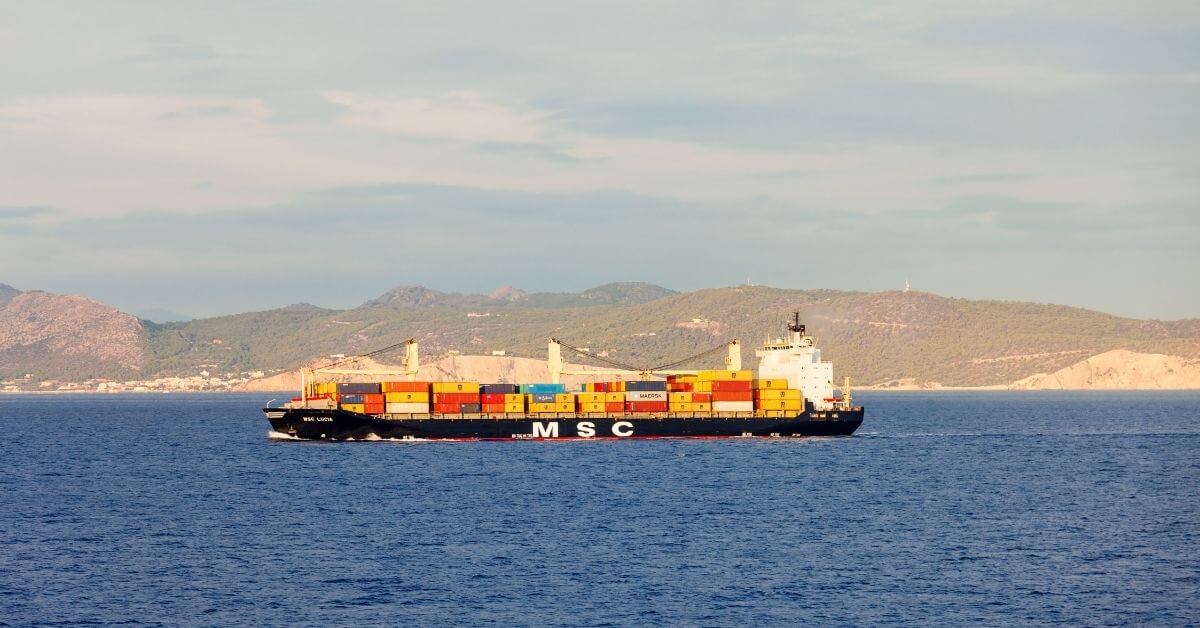
Shipping Giant Pauses Bookings at Russian Port Following Vessel Attack
The MSC Ulsan III, a Panama-flagged vessel built in 2004, now sits at the center of a commercial pause. Shipping Giant has halted bookings at Russian ports following the attack on the ship, a decisive move that prioritizes operational safety over market reach. The vessel's capacity of roughly 2,700 TEUs underscores the logistical weight behind this decision. It is a measured response to a volatile situation, reinforcing that maritime security is non-negotiable.
Targeted Strikes Disrupt Ukrainian Grain and Energy Infrastructure.
Russia's latest assault on Ukrainian ports, grain silos, and energy hubs is a deliberate escalation against both civilian resilience and global food security. These coordinated strikes are not collateral damage; they are the target. We should read this as a calculated attempt to degrade infrastructure that sustains both Ukraine's economy and its people's daily lives. The pattern is measurable, and the intent is clear.

Attacks Target Key Ukrainian Black Sea Port Infrastructure.
Russia's latest strikes on Ukrainian Black Sea port infrastructure, including Pivdennyi and Odesa, along with fuel storage at Chornomorsk, underscore a deliberate strategy to disrupt maritime export capacity. These are not incidental hits; they are calibrated pressure on a critical economic artery. The pattern echoes broader efforts to constrain Ukraine's access to global markets, as seen in our related piece, "Russia Calibrates Export Revenue for Northern Sea Route Icebreaker Fleet." For now, the resilience of these ports remains the counterweight to Moscow's campaign.