Russia
95 stories filed under Russia on World Data Ocean. The newest of them: “EU Sanctions Mumbai Ship Manager Over Russian Crude Transfers”, “Drone Attacks Ignite Russian Tankers Off Romania's Black Sea Coast”, and “Black Sea Tanker Fire Prompts Investigation After Romanian Drone Reports”. A ship manager in Mumbai has become the target of new EU sanctions for orchestrating transfers of Russian crude. Two tankers of Russian origin were struck by drones off Romania's Black Sea coast, igniting fires that underscore the growing intersection of geopolitical conflict and maritime risk. A Global Hub for Ocean Intelligence 4 World Data Ocean is a centralized digital platform where researchers, scientists, and ocean enthusiasts converge to… The list below is every Russia story on World Data Ocean, newest first.
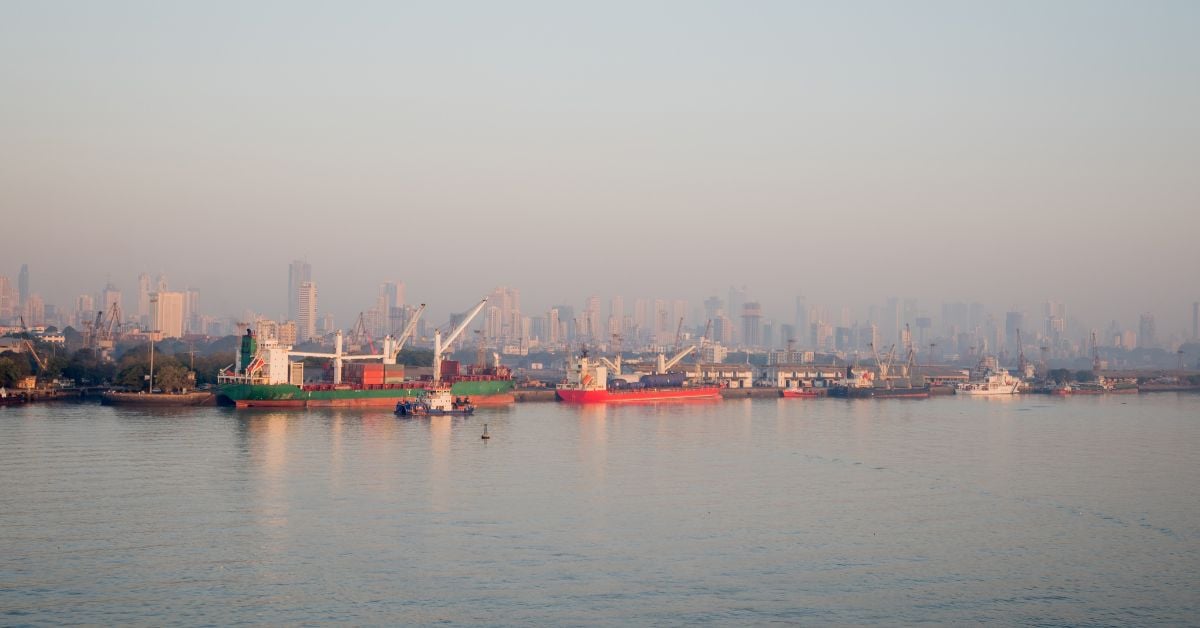
EU Sanctions Mumbai Ship Manager Over Russian Crude Transfers
A ship manager in Mumbai has become the target of new EU sanctions for orchestrating transfers of Russian crude. This action underscores a growing pattern: shadow fleet operators are pushing maritime corridors further from traditional choke points. Our recent coverage of ship-to-ship transfers shifting congestion toward India's western maritime corridor documents the mechanics behind this geographic shift. Sanctions are tightening, but the operational response evolves just as quickly.
Drone Attacks Ignite Russian Tankers Off Romania's Black Sea Coast
Two tankers of Russian origin were struck by drones off Romania's Black Sea coast, igniting fires that underscore the growing intersection of geopolitical conflict and maritime risk. This incident demands empirical attention: such attacks disrupt trade routes and threaten marine ecosystems in a region already under environmental stress. For deeper context on how shifting trade dynamics and climate pressures are reshaping shipping, see our related coverage on maritime fees signaling friction in trade amid climate and shipping integration.
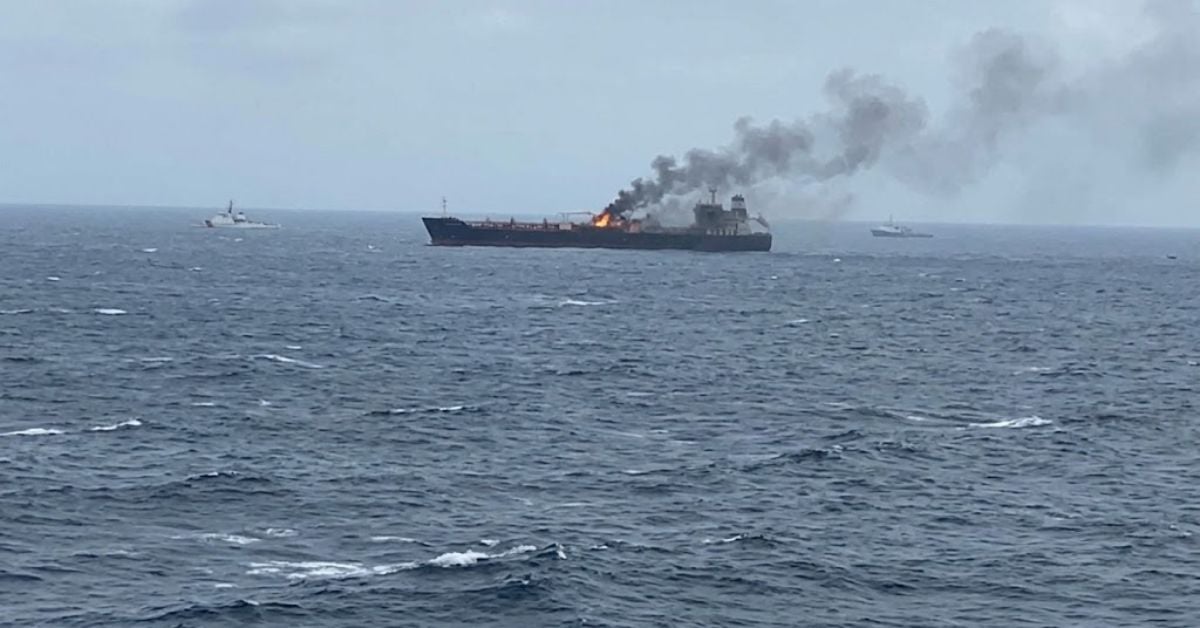
Black Sea Tanker Fire Prompts Investigation After Romanian Drone Reports
A chemical tanker anchored off Romania's coast is now the subject of an investigation after a fire broke out aboard the Yara J, 8-10 nautical miles southeast of the Sulina Canal. The Black Sea remains a theater of compounding threats, where environmental risk from aging vessels meets geopolitical instability. For readers tracking these converging maritime crises, our coverage of the *Three-drone strike sinks Maltese-flagged vessel near Bulgarian coast* documents an equally sobering intersection of commerce and conflict.
Black Sea cargo vessel lost in attack leaves 11 seafarers missing
A cargo vessel lost in an attack on the Black Sea has left 11 seafarers missing. Five crew members were rescued from the sunken ship, identified by the Bulgarian President as the Guinea-Bissau-flagged *HS Dignity*. This incident follows a troubling pattern of escalating risk to commercial shipping in the region, as detailed in our coverage of the drone strike that sank the Maltese-flagged *Chelsea 3*. The human cost is a sobering, empirical indicator of maritime vulnerability.
Strikes on Ukrainian ports disrupt data infrastructure and maritime logistics
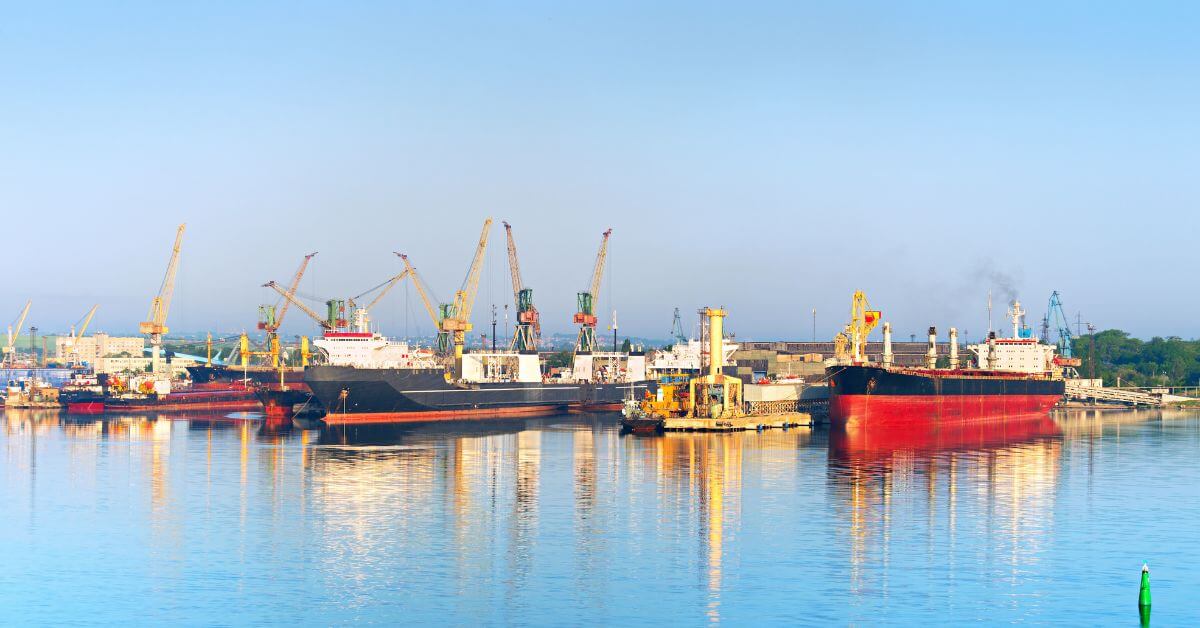
Strikes on Ukrainian ports are now disrupting more than grain shipments. Russia stated it targeted data centres, port facilities, and ships it claims supported the Ukrainian military. Targeting data infrastructure introduces a new dimension to maritime conflict, where the line between military and civilian logistics blurs. These attacks threaten the integrated data ecosystems that modern ports rely on. For context on the broader cost of conflict, see our related coverage in "Tracking the nations with the largest share of historical CO₂ emissions."
Tracking the nations with the largest share of historical CO₂ emissions
A small number of nations account for the vast majority of historical CO₂ emissions. The United States leads, followed by the broader European Union and China, yet cumulative responsibility looks very different from annual rankings. This distinction matters for climate equity. Understanding these validated, empirical differences in contribution is essential for calibrating global action. For a complementary perspective on how economic pressures reshape regions, see our related piece on uneven house price surges across EU member states.
Case Mounts Against Royal Navy Sailor in Suspected Security Breach
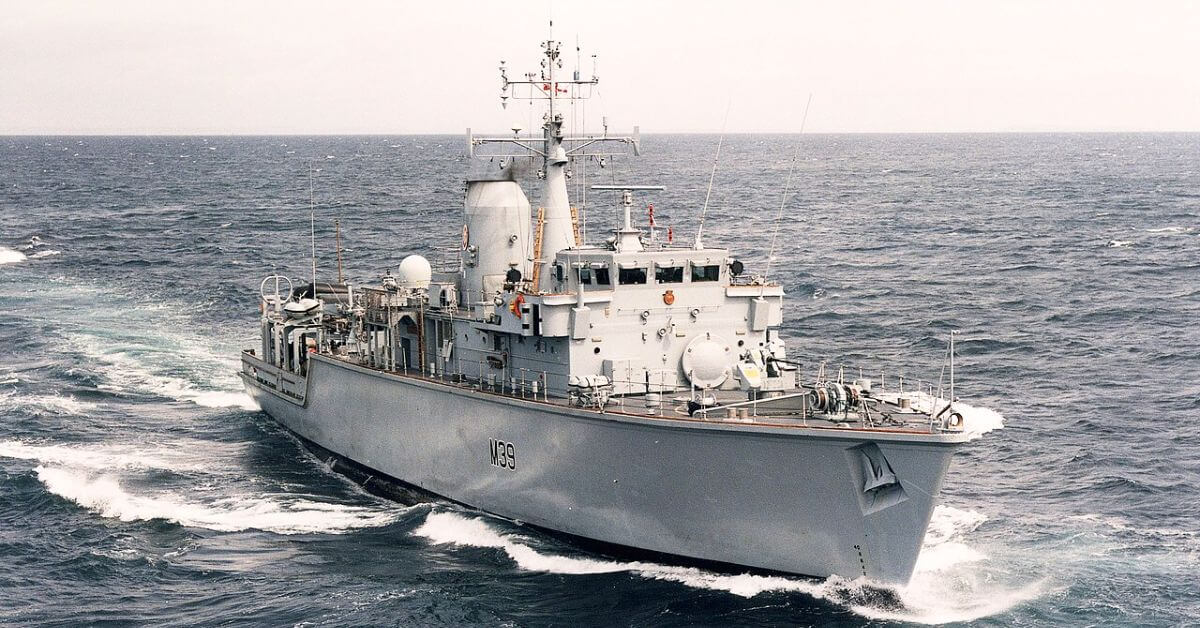
A 24-year-old Royal Navy sailor appeared in a London court this week, accused of attempting to pass classified British military information to Russia. The case underscores a sobering reality: national security vulnerabilities persist even within trusted ranks. This is not an isolated incident of global maritime risk. Our related coverage of the *Black Sea Maritime Attacks Injure Two Indian Seafarers* highlights how threats to vessels and personnel remain dangerously active across multiple theaters.
Black Sea Maritime Attacks Injure Two Indian Seafarers, Urge Immediate Action
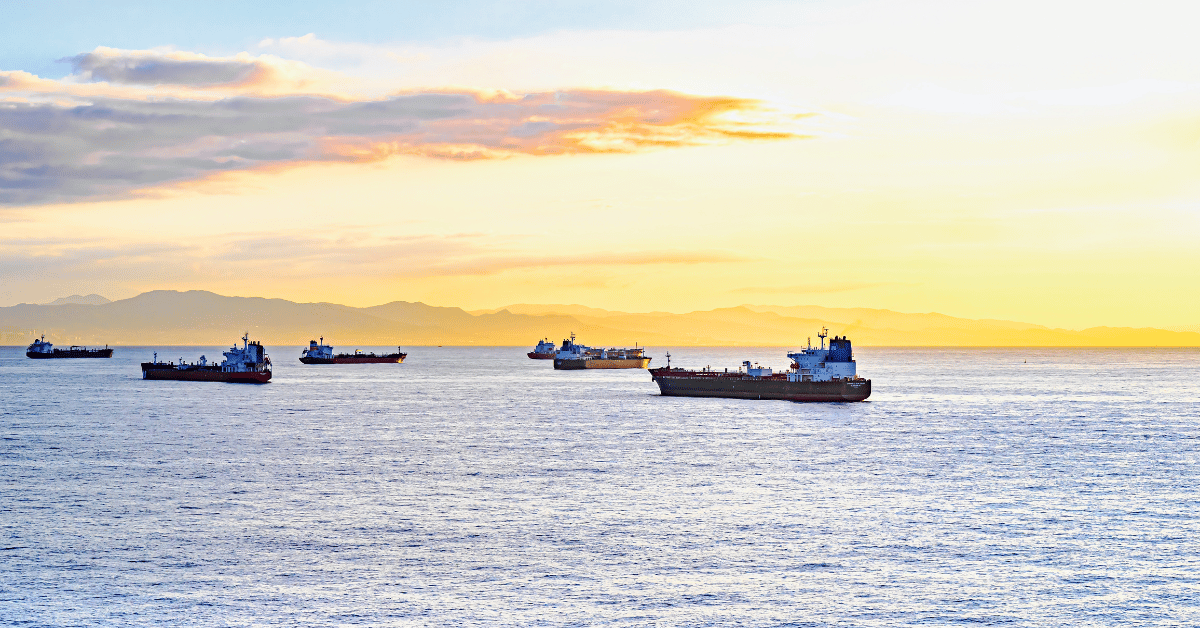
Two Indian seafarers were injured in separate attacks on commercial vessels in the Black Sea, prompting India's Ministry of External Affairs to demand an immediate halt to hostilities. The MEA flagged a sharp escalation: four ships came under fire within 48 hours, a pattern that threatens the crew, cargo, and the region's fragile maritime order. This is not abstract geopolitics; it is measured, real-world harm. For deeper context on regional response, see our related piece on India's proposed maritime truce.
Bulgaria concludes search for missing crew after drone strike in its waters
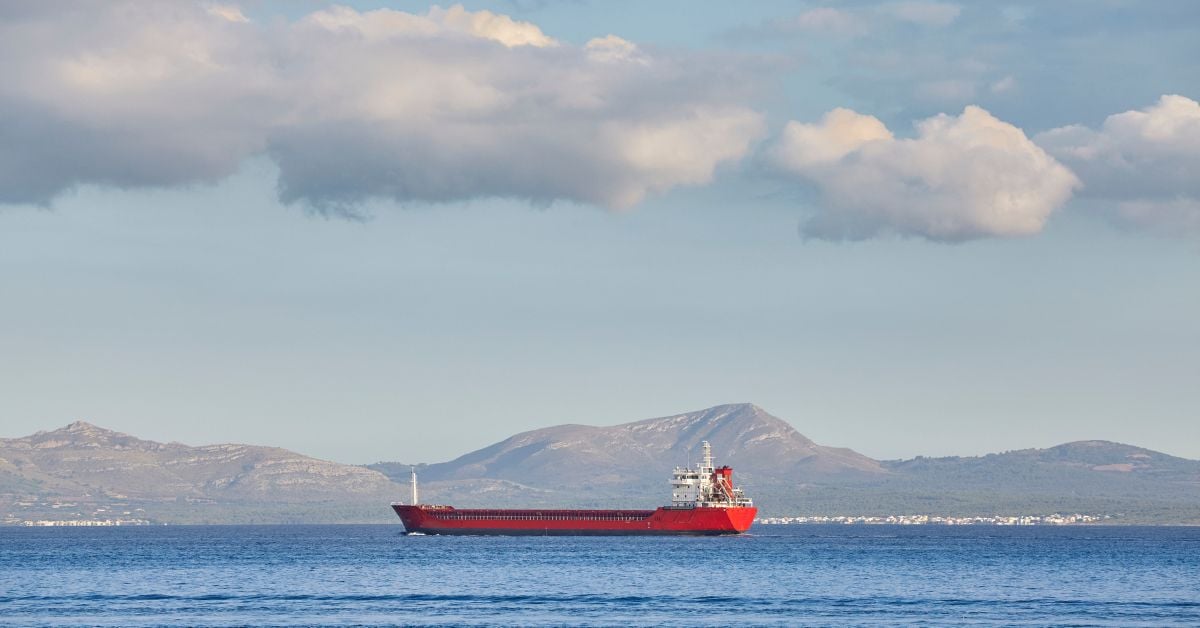
Bulgaria has ended the search for missing crew members of a cargo vessel that sank 70 nautical miles off its coast after a drone strike. This measured decision reflects the grim realities of escalating maritime threats. The incident is not isolated; as our coverage notes, "Black Sea Maritime Attacks Injure Two Indian Seafarers, Urge Immediate Action" documents four vessels attacked in just 48 hours. These empirical data points demand integrated, real-time monitoring to protect seafarers and global supply chains.
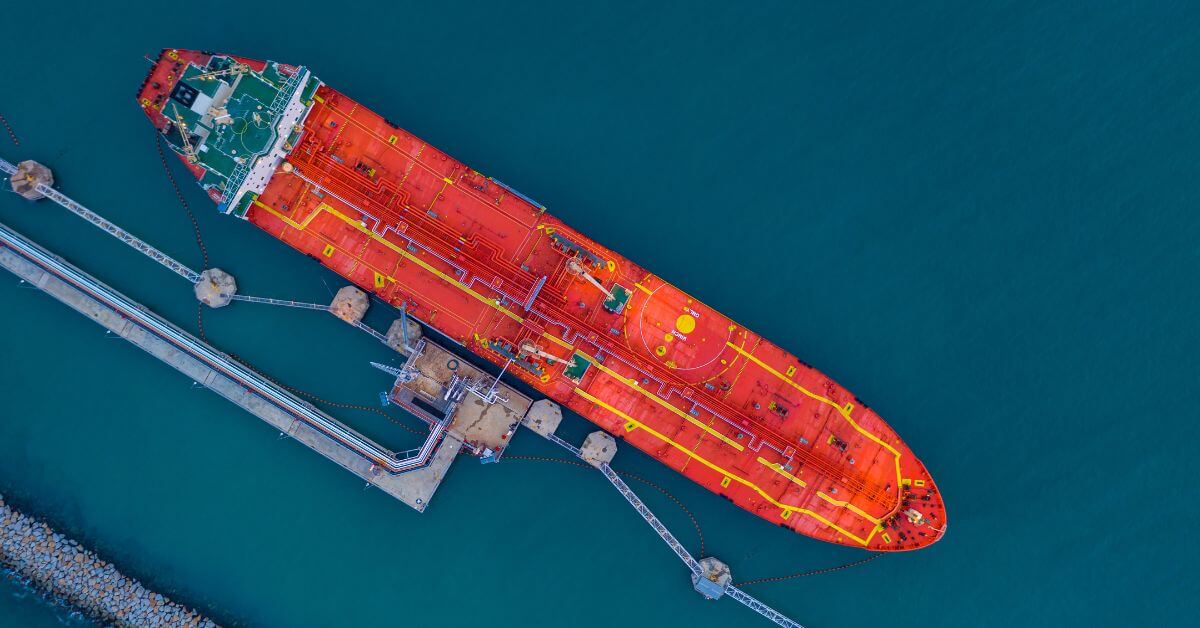
Seoul Disputes Ukrainian Data on Fuel Shipments to Russia
Seoul disputes the numbers, but Ukraine's claim stands unresolved: over 176,000 tonnes of petroleum products reportedly moved from South Korean ports to Russia across July and August. If accurate, the flow raises hard questions about how sanctioned goods continue moving through allied supply chains. The data matters, and so does the transparency gap. For broader context on maritime risk, our coverage of the Black Sea incident offers a parallel look at how quickly commercial shipping can turn volatile.
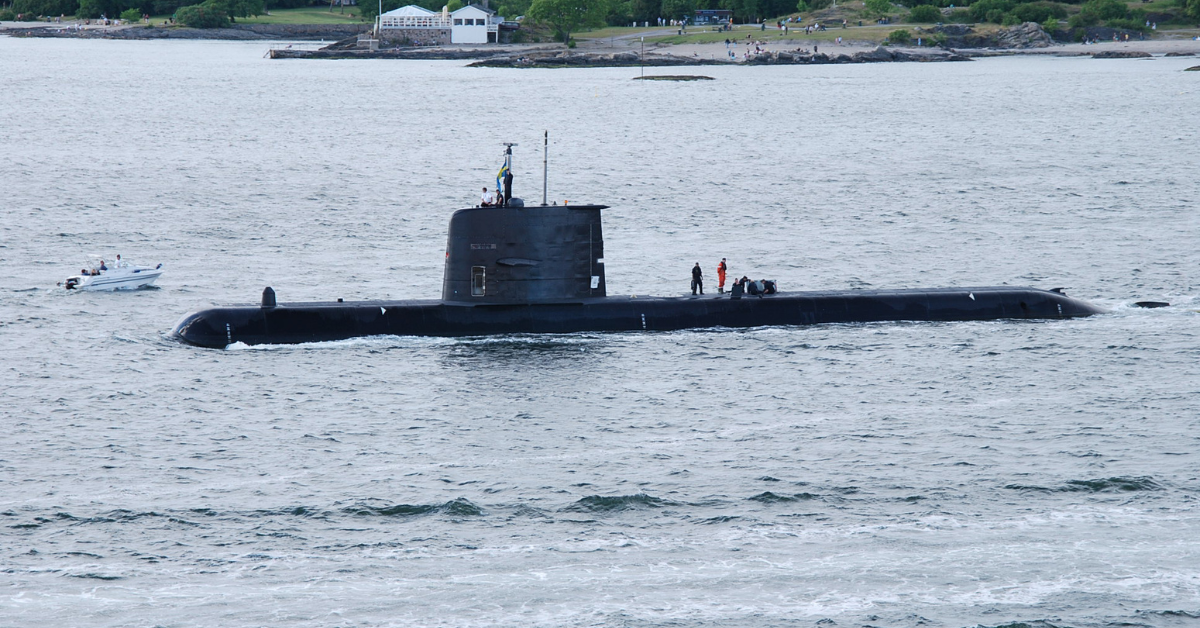
France Validates M51.3 Ballistic Missile in Submarine Test Launch
France's successful test launch of the M51.3 ballistic missile from a submarine off Brittany is a calibrated demonstration of strategic deterrence, weeks after President Macron pledged to counter Russia's hybrid attacks. This validated, peer-reviewed capability underscores the measurable role of naval power in global security. For context on maritime vulnerabilities, see our coverage of the Black Sea incident raising urgent questions on safety and climate risk.
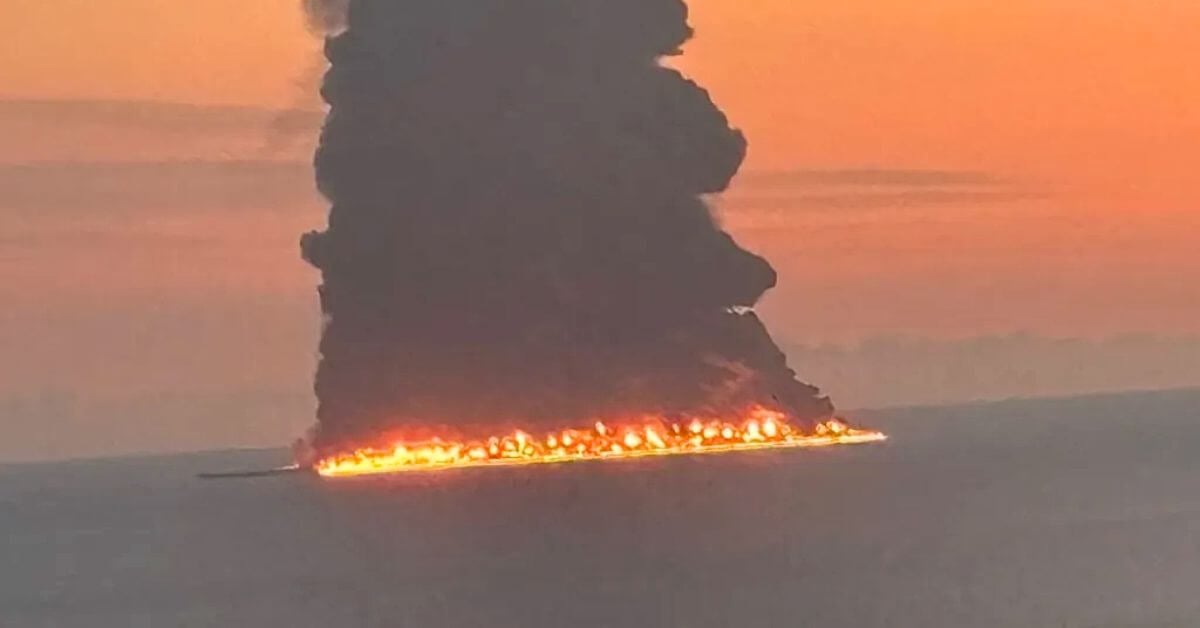
Black Sea incident raises urgent questions on maritime safety and climate risk
A fire aboard a Liberian-flagged oil tanker off Sochi this week is more than a maritime incident, it is a measurable climate indicator. Twenty-three Indian crew members faced immediate danger in the Black Sea, a region already strained by geopolitical tensions and environmental stress. We connect this event to our coverage of the *Two Killed as Corn Freighter Sinks in Black Sea After Drone Strike*, reinforcing that safety at sea now requires integrated risk assessment. Validated data, not alarm, must guide our response.
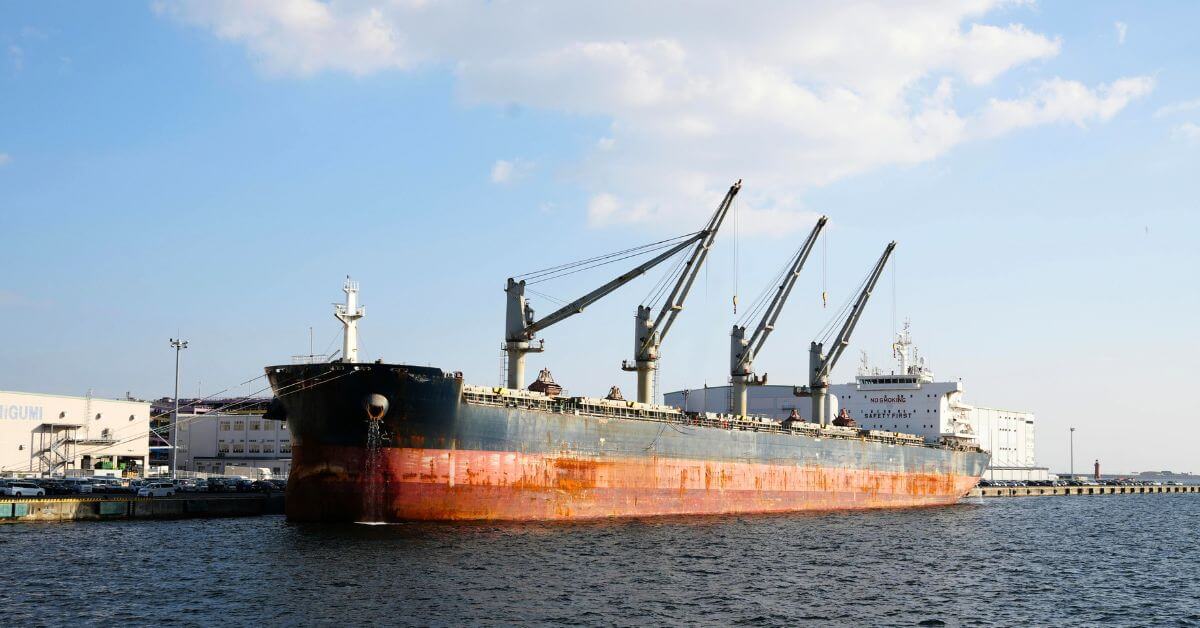
Attack on civilian cargo ship at Odesa port claims one crew member
A motorman sailor has been killed in an attack on a civilian cargo ship at the Odesa port. Three other crew members were injured and received emergency medical treatment. This loss is a grim reminder that maritime security remains fragile, even as we work to build integrated data ecosystems for ocean intelligence. For deeper context on disrupted shipping routes, read our coverage on the Baltic Cargo Route Disrupted as Gulf of Finland Vessel Detained.
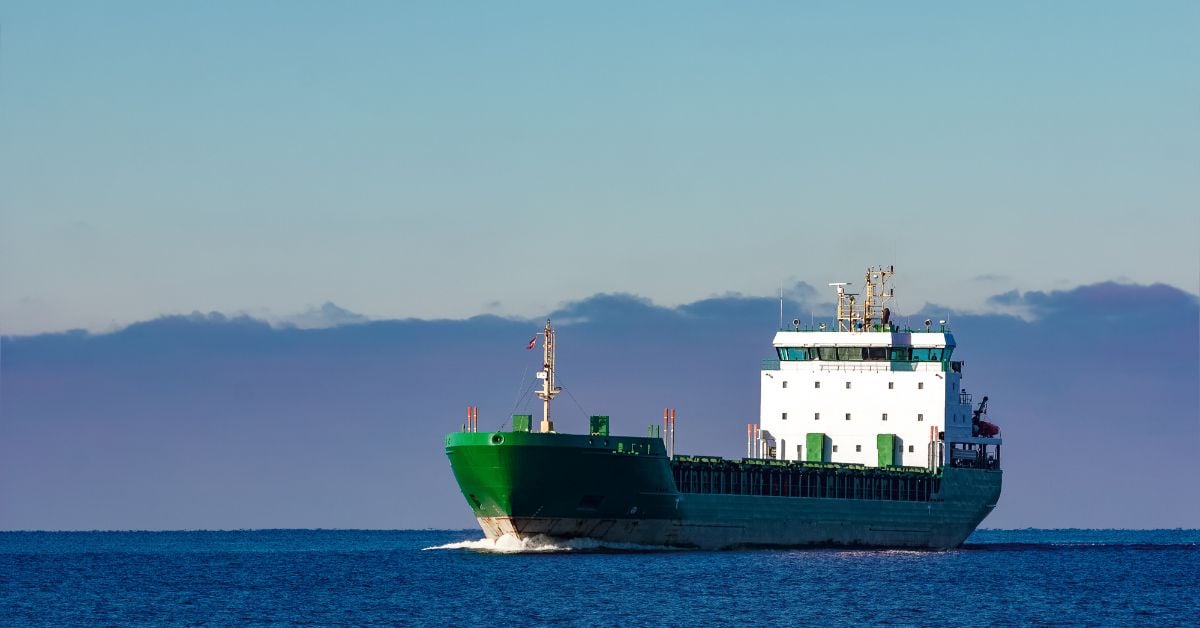
Baltic Cargo Route Disrupted as Gulf of Finland Vessel Detained
A cargo vessel, the *Vasterbotten*, has been detained by Russian border guards in the Gulf of Finland while en route to Estonia's Port of Sillamae, disrupting a key Baltic cargo route. This incident adds tension to a region already under maritime strain. For a broader view of these pressures, see our coverage of the 150 vessels idled in the same waterway. Such enforcement actions demand measured, empirical scrutiny.
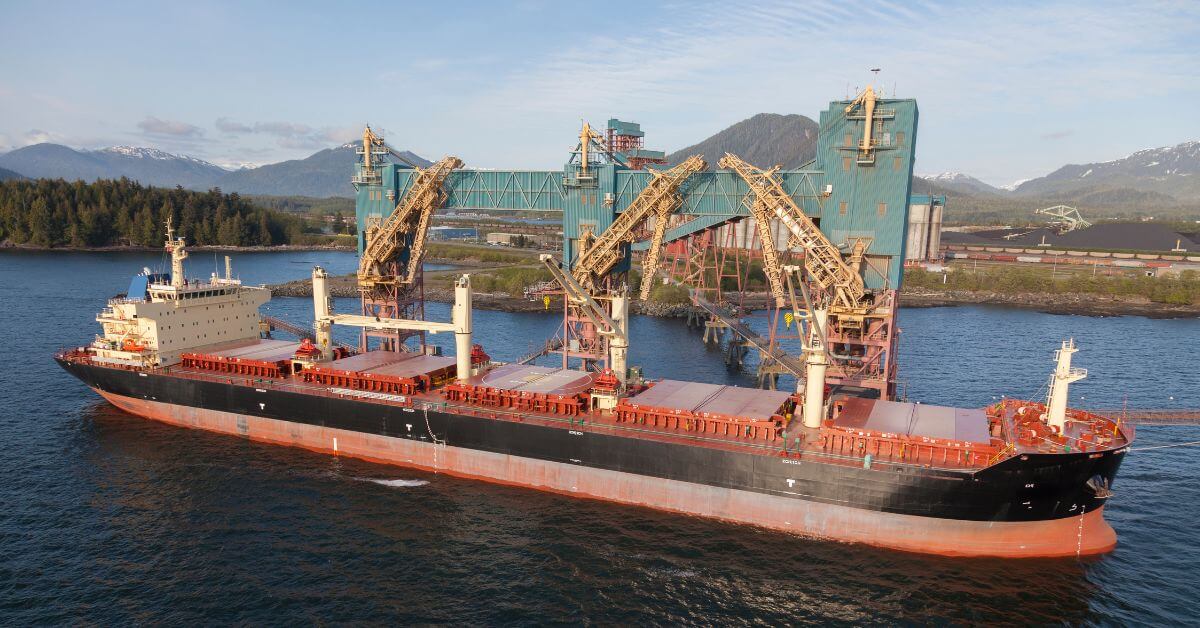
Captain of Russian-controlled bulker charged over 54,000 tonnes of Ukrainian grain
The captain of a Russian-controlled bulker now faces charges in Ukraine over the alleged transport of 54,000 tonnes of Ukrainian grain. This is not merely a shipping dispute; it is a measurable act within a larger pattern of resource exploitation. Accountability must be calibrated to the scale of the crime. For broader context on maritime accountability, see our coverage of the *June Aster* ferry fire tragedy, where a captain also faces criminal charges.
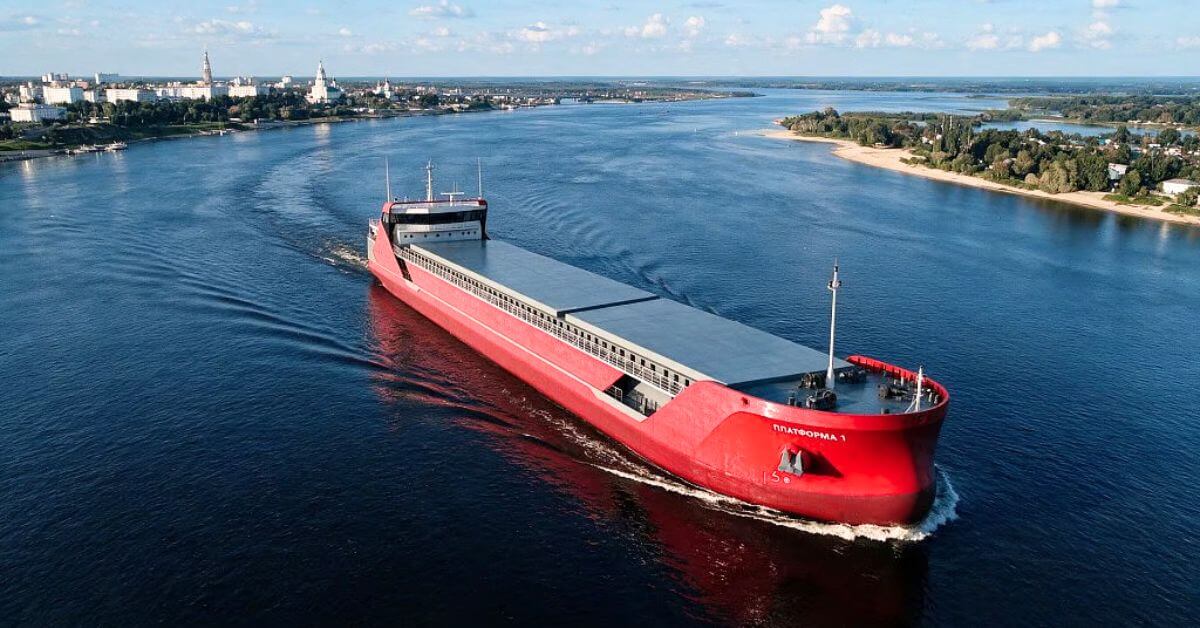
Steel cut for first unified dry cargo vessel in Russia's new fleet platform
Steel has been cut for the lead KSD1 dry cargo vessel at the Krasnoye Sormovo shipyard, marking the first unified hull in Russia's new fleet platform. This is a measured step in industrial continuity, not a headline grabber. The vessel's construction proceeds alongside broader maritime tensions. Readers tracking disruption in the Black Sea may find our coverage of the captain charged over Ukrainian grain instructive, the two stories belong to the same complex seascape. Understanding drives protection.
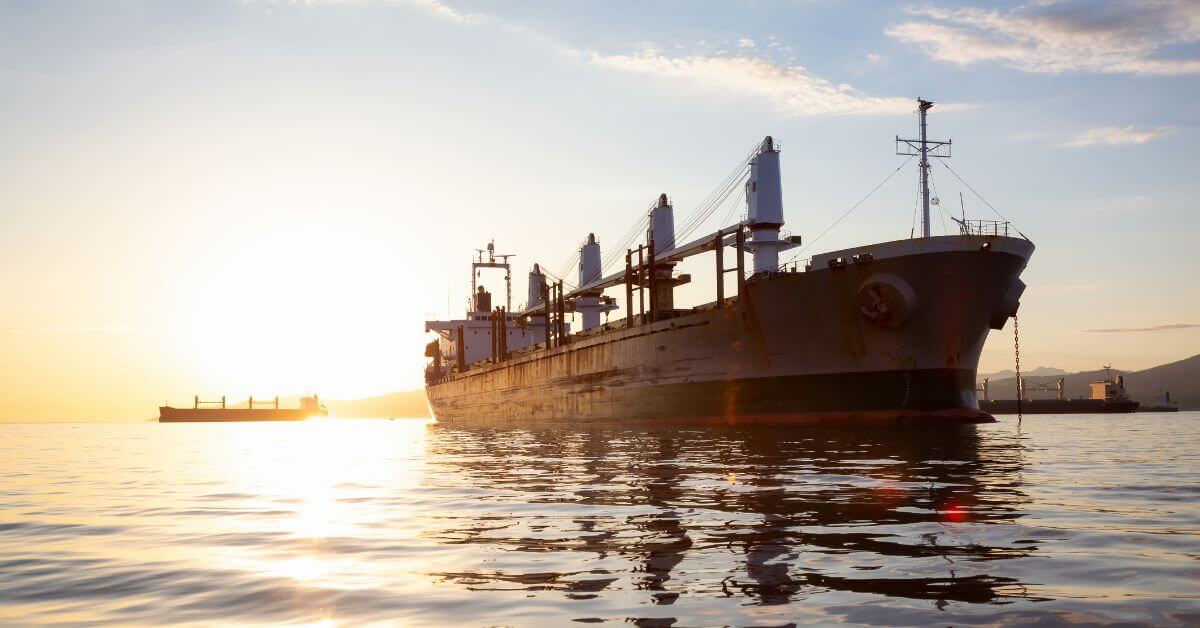
Strikes on Odesa Port Underscore Broader Maritime Security Risks
Russian forces claim to have struck four military storage sites and a cargo ship carrying military and dual-use goods to Odesa. These strikes on a major Ukrainian port are not isolated incidents; they signal escalating risks to maritime security in the region. Measurable threats to commercial shipping demand empirical monitoring. Our related report, "Strikes Target Ports and Vessels in Confirmed Military Action," offers deeper coverage. Understanding these patterns drives protection of global trade routes.
Strikes Target Ports and Vessels in Confirmed Military Action
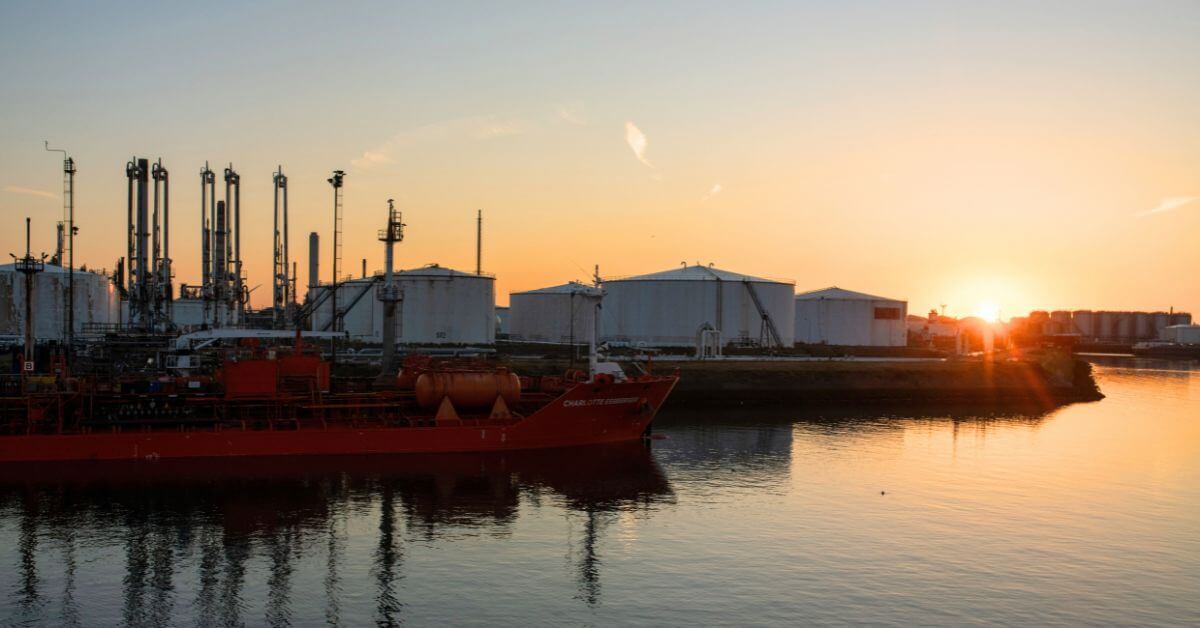
Russia's Thursday strikes on Ukrainian military facilities, cargo ships, and port infrastructure mark a deliberate escalation in its maritime campaign. The targeting of commercial vessels extends the conflict's reach into global shipping lanes, a move we assess as strategically calculated. Such actions complicate maritime security and demand calibrated responses. For broader context on Russia's maritime strategy, our coverage of the Vostok Project's Arctic oil exports offers a parallel view of how Moscow leverages sea routes amid geopolitical pressure.
Russia Calibrates Export Revenue for Northern Sea Route Icebreaker Fleet
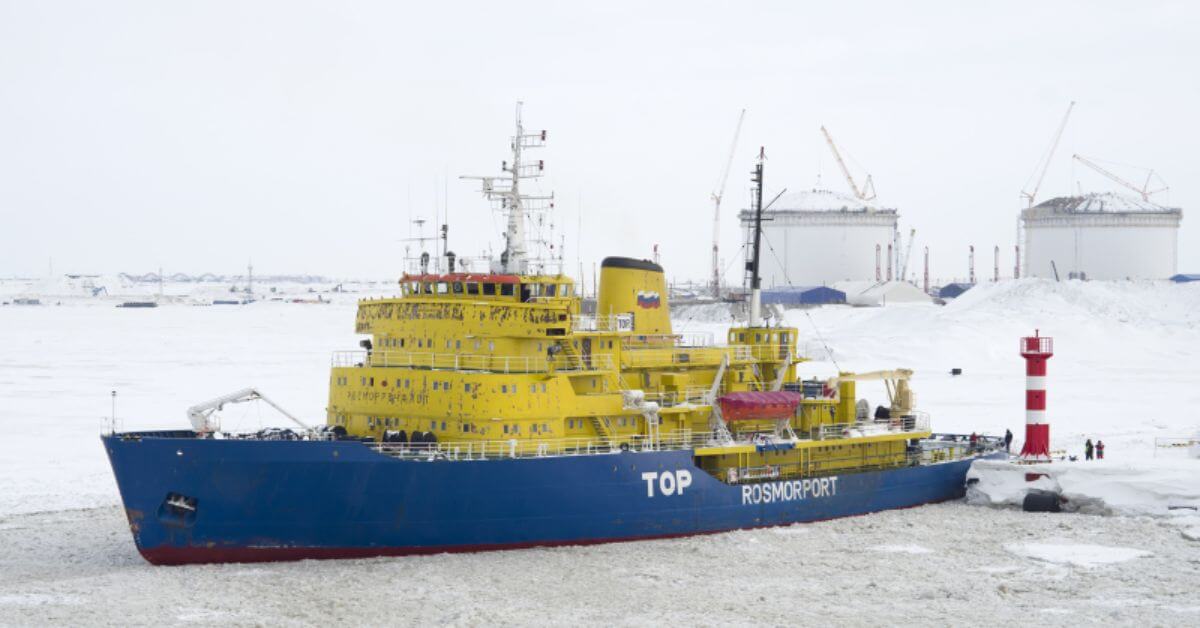
Russia plans to collect more than 200 billion roubles from exporters to fund two new icebreakers for the Northern Sea Route, a move that ties Arctic access directly to fiscal strategy. It is a calibrated bet: revenue marshaled now for extended navigation later. The sums are substantial, and the intent is clear. For context on how maritime infrastructure continues to shape regional ambitions, see our coverage of the Vostok project's Arctic oil exports.
Russian Maritime Activity Raises Concerns of Drone Operations in Mediterranean
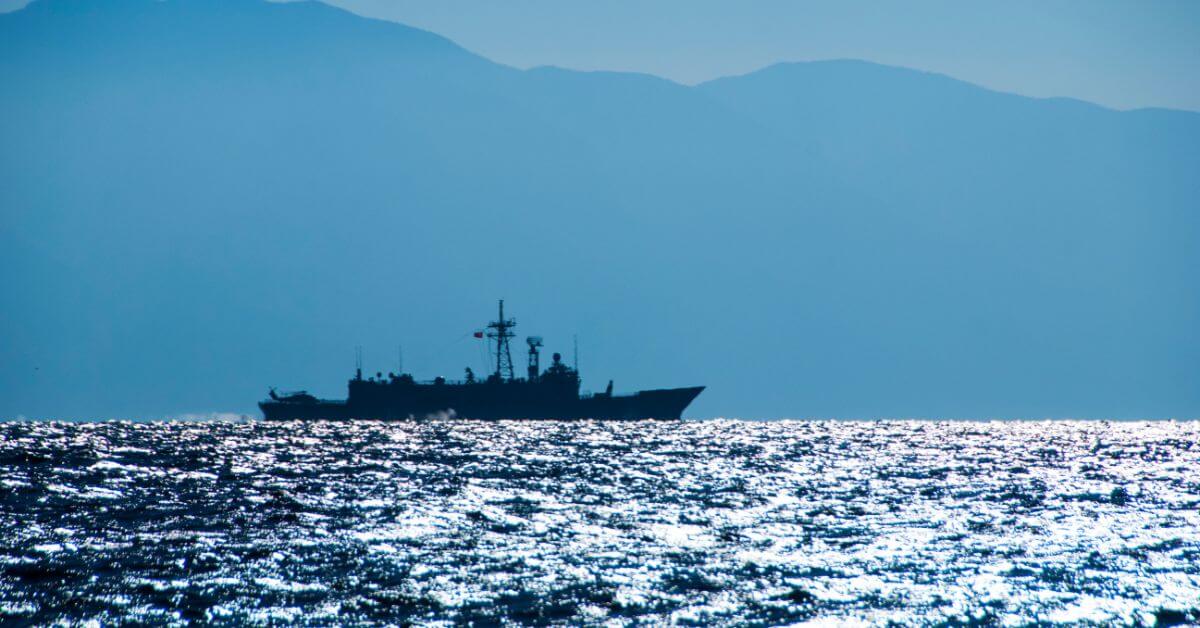
A CIA warning to European allies points to a suspected Russian plan to launch drones from commercial ships in the Mediterranean. The move signals a calibrated escalation, one that turns civilian vessels into potential platforms for covert operations. It is a reminder that maritime security now extends beyond traditional naval threats. For context on Russia's broader maritime strategy, our related coverage of the Northern Sea Route icebreaker fleet offers useful background.
Vostok Project Launches Arctic Oil Exports Amid Geopolitical Shifts
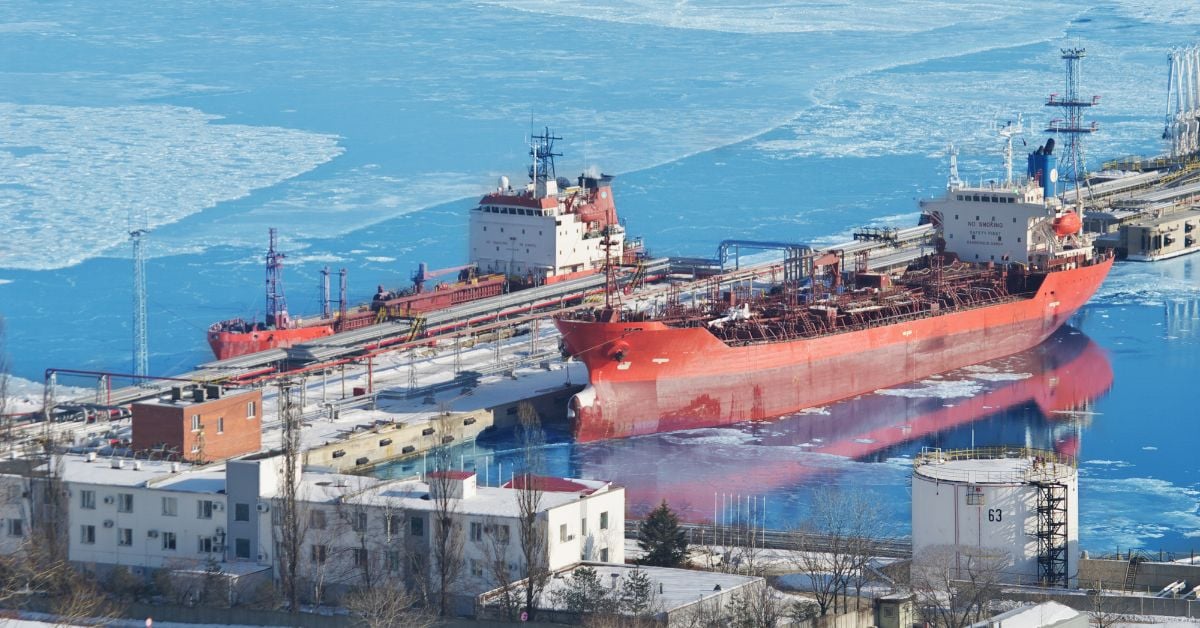
The Vostok project has finally begun producing oil, a long-delayed step for Rosneft's Arctic ambitions after Western sanctions ground progress to a halt. This is not just a commercial milestone; it is a signal of how energy strategy and geopolitics remain deeply intertwined. The Arctic's potential is vast, but so are its logistical and environmental demands. As Russia recalibrates its export revenue to fund icebreaker fleets, the Northern Sea Route's viability grows clearer.
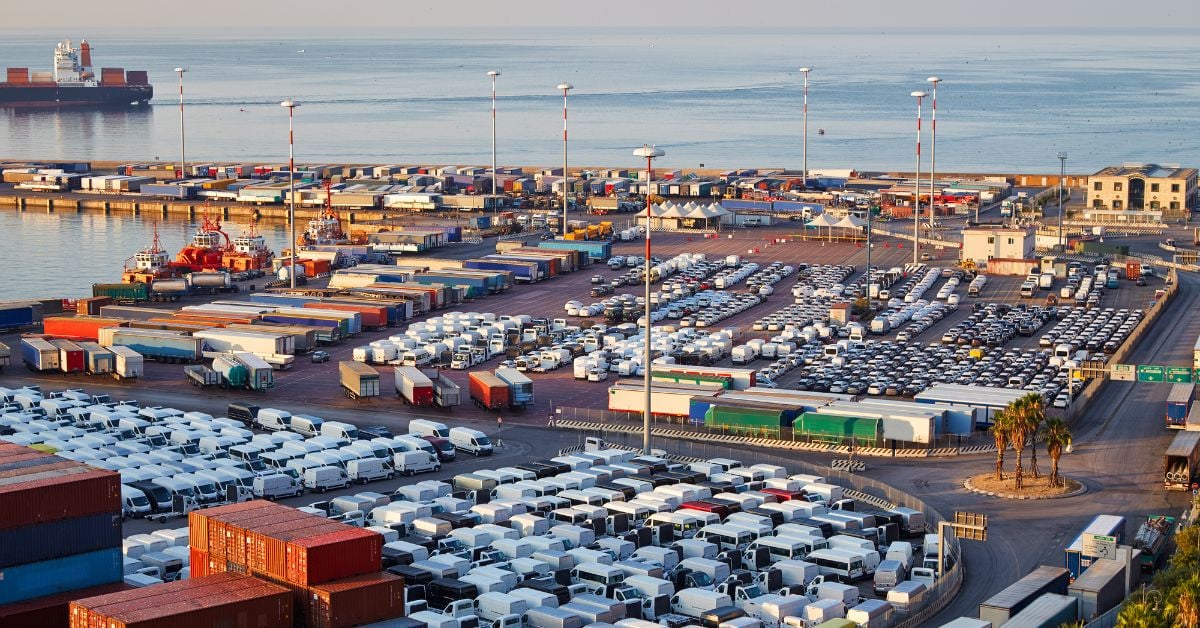
Ukraine Supports India’s Initiative for Black Sea Shipping Routes
Ukraine's consideration of India's proposal to restore safe navigation in the Black Sea signals a practical step toward maritime stability. Reopening these routes is not merely a regional matter; it supports global supply chains and the exchange of ocean intelligence. The move reflects measured diplomacy, grounded in shared interests rather than rhetoric. For readers tracking how nations recalibrate maritime strategy, our related coverage on integrated subsea cables across the Indian Ocean offers useful context on how connectivity and shipping increasingly intersect.
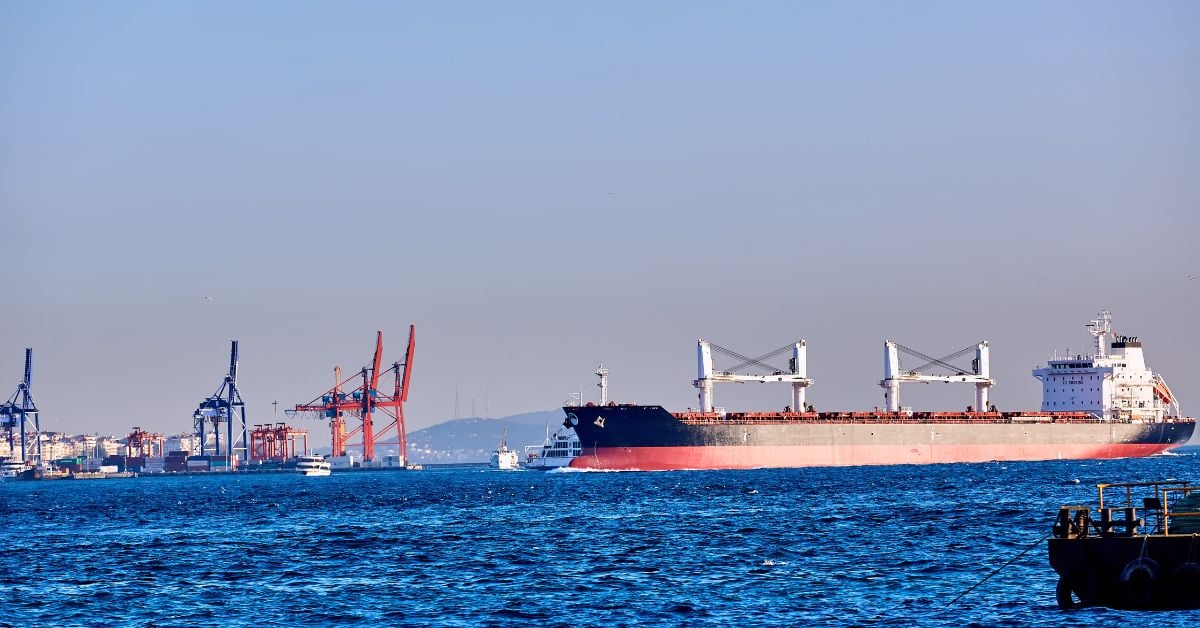
Zelensky Proposes Black Sea Maritime Truce Amidst UN General Assembly
In his address to the UN General Assembly, President Volodymyr Zelensky proposed a maritime truce with Russia in the Black Sea. The offer is a practical step toward de-escalation, one measured not by promises but by calmer waters. A functional truce could restore vital shipping lanes and reduce regional risk. For deeper context on Russia's maritime strategies, our coverage of the Northern Sea Route icebreaker funding offers a relevant look at its naval ambitions.
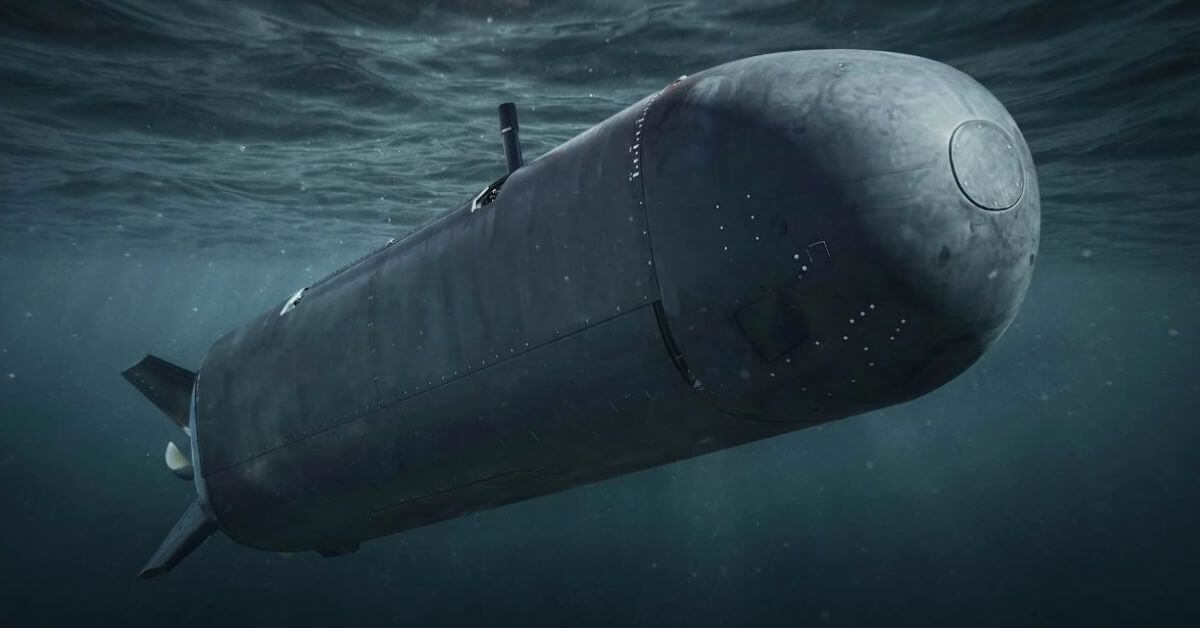
Autonomous Vessel Demonstrates Advanced Torpedo Deployment Capability
For the first time, Britain and the United States have test-fired a torpedo from an uncrewed underwater vessel, marking a calibrated step in maritime defense. The demonstration validates the integration of autonomous systems into complex operational roles, shifting the focus from concept to empirical capability. This is not about spectacle; it is about measurable progress in how we deploy ocean intelligence.