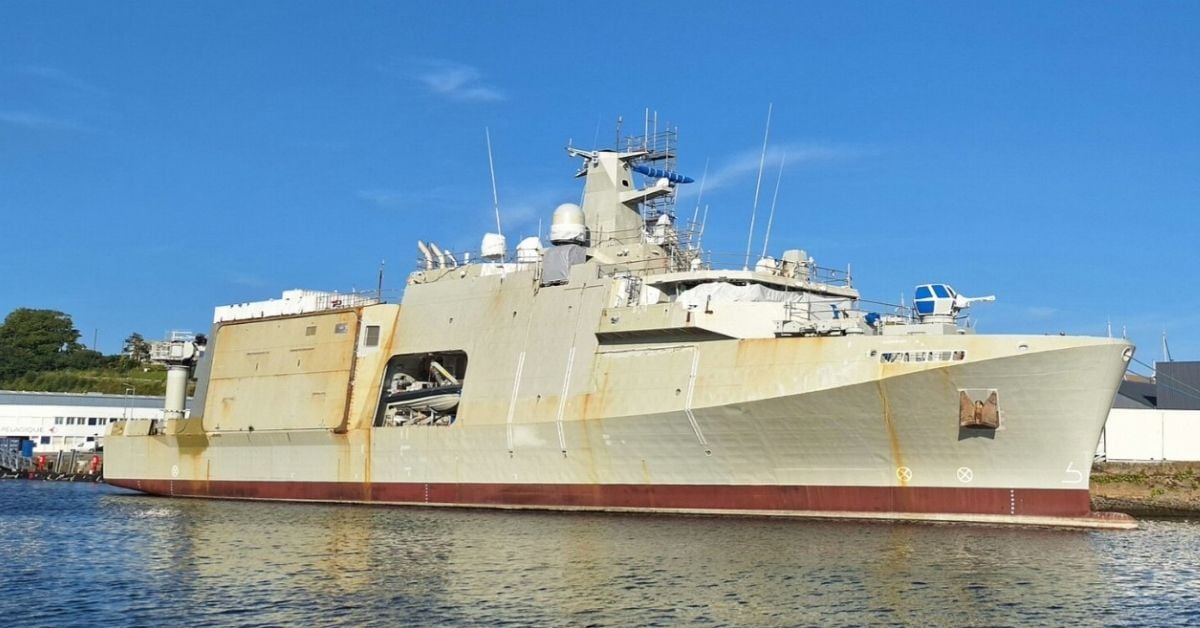
The Black Sea has become a laboratory for a specific kind of modern warfare, one where the most persistent threat is not always the visible fleet but the dormant device floating beneath the surface. Bulgaria's acquisition of seven minehunter vessels from Belgium and the Netherlands is a measured, practical response to that reality. This is not about projecting power; it is about restoring the basic premise of maritime safety in a region where commercial shipping has been weaponized by proximity. For our readers tracking the intersection of security and ocean intelligence, this deal is a clear acknowledgment that protecting sea lanes is now a data problem as much as a naval one.
The strategic logic here is quiet and deliberate. Bulgaria is not seeking to match the tonnage of any adversary; it is building a capacity to clear a path, to reopen corridors that have become uncertain. The minehunters are, in effect, a tool for de-risking the maritime environment. This move draws a direct line to the broader pattern of Russian Maritime Activity Raises Concerns of Drone Operations in Mediterranean, where the concern is not just state-on-state conflict but hybrid tactics that exploit civilian infrastructure. Similarly, the economic calculus behind Russia Calibrates Export Revenue for Northern Sea Route Icebreaker Fleet shows a state willing to fund military expansion through commercial leverage. In that context, Bulgaria's investment is a defensive counterweight, a way to ensure that the Black Sea does not become a closed or too-dangerous transit zone for the grain and goods that depend on its waters.
What makes this acquisition noteworthy is not the hardware alone but the signal it sends about interoperability and shared burden. These are not newly built ships; they are proven assets transferred from allied navies, which means they come with a maintenance ecosystem and a history of operational use. That is a practical advantage. For our readers, the takeaway is that mine countermeasures are not an afterthought in maritime defense; they are the front line of economic stability. A single undetected mine can halt a port's operations for weeks, and in a region already tense, that is a risk no nation can afford to ignore. The related Vostok Project Launches Arctic Oil Exports Amid Geopolitical Shifts reminds us that energy routes are being redrawn by politics, and the Black Sea is no different. Protecting the sea lanes is protecting the supply chain.
Our honest take is that this is a necessary, if incremental, step. It does not solve the broader strategic problem of Russian aggression, but it does address a specific vulnerability that has been largely overlooked in public discourse. The practical consequence for Bulgaria and its allies is a measurable increase in the safety of commercial traffic, which translates directly into lower insurance premiums and more predictable shipping schedules. The open question is whether these seven vessels will be enough, or whether they will serve as a pilot program for a larger, more integrated NATO approach to mine warfare in the region. The detail to watch is the timeline for full operational capability, because in the world of naval mines, a ship in the yard is not a defense; it is only a promise.