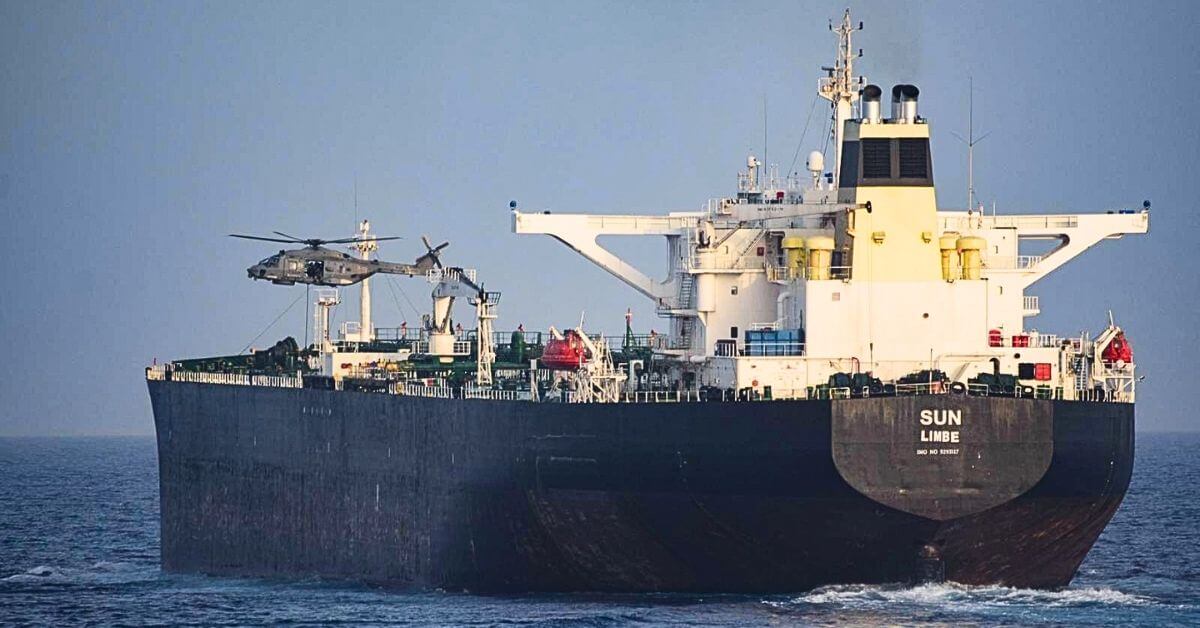
The coordinated boardings and seizures of shadow fleet vessels by France, Sweden, Belgium, and Britain mark a decisive turn in maritime governance. For years, the shadow fleet has operated in plain sight, exploiting flags of convenience and opaque ownership structures to move sanctioned cargo while evading scrutiny. These recent inspections are not symbolic gestures; they are calibrated enforcement actions targeting the operational backbone of sanctions evasion. This is the kind of measurable, peer-reviewed deterrence that actually shifts behavior, because it raises the cost of doing business in the dark.
Our readers, whether researchers tracking climate indicators or policymakers navigating marine insurance risks, understand that the shadow fleet is not a niche problem. It is an integrated data ecosystem problem, one that overlaps with the same vessels implicated in grounding, fire, and piracy incidents we have covered before. Consider the Puntland Forces Intercept Hijacked, US-Sanctioned Oil Tanker After 48 Hours, where a US-sanctioned tanker became a pirate target, or the Bulk Carrier Freed After Prolonged Grounding Near Gladstone, Australia, which showed how quickly a single mishap can expose a vessel's hidden history. These are not isolated events; they are data points in a pattern. The same opaque fleets that dodge sanctions also tend to cut corners on maintenance, crew training, and navigation, increasing the risk of a catastrophic spill or a deadly fire, as seen in the Cargo Ship Fire Prompts Evacuation Near Mykonos; Incident Under Investigation.
Our take is straightforward: this is a welcome escalation, but it is not a solution on its own. Boarding a handful of tankers in European waters is a strong signal, yet the shadow fleet is a global network that adapts quickly. It will reflag, reroute, and re-document. What these inspections do validate is the need for persistent, shared intelligence across jurisdictions. The practical takeaway for our readers, particularly those in shipping insurance, chartering, or coastal state management, is that diligence is no longer optional. If you are not cross-checking a vessel's AIS history against sanctions lists, port state control records, and ownership databases, you are exposed to legal and operational risk. The vessels that bypass scrutiny today are the ones that will be seized tomorrow.
The open question is whether this coordination extends beyond Europe. Will the United States, the UK, and Asian allies join this inspection regime with the same consistency? If they do, the shadow fleet's days are numbered. If they do not, we will see a two-tier system where savvy operators simply divert to less vigilant ports. What we would tell a reader who asks is this: watch the next quarter's port state control reports. The real test is not how many ships are boarded, but whether the data from these seizures is shared quickly enough to close the loopholes in real time. That is the metric that matters.