Red Sea
79 stories filed under Red Sea on World Data Ocean. The newest of them: “The silent fiber-optic highways shaping global connectivity beneath the waves”, “French Defense Vessel Neutralizes Airborne Threat in Bab el-Mandeb Strait”, and “HMS Dragon's return narrows Royal Navy presence in the Gulf to one vessel”. The silent fiber-optic highways beneath the waves carry our emails, video calls, and banking transactions every second, yet we rarely acknowledge their existence. A French frigate made a calibrated, real-time decision in the Bab el-Mandeb Strait, using its gun to destroy an airborne drone it judged to be a threat. A Global Hub for Ocean Intelligence 4 World Data Ocean is a centralized digital platform where researchers, scientists, and ocean enthusiasts converge to… The list below is every Red Sea story on World Data Ocean, newest first.
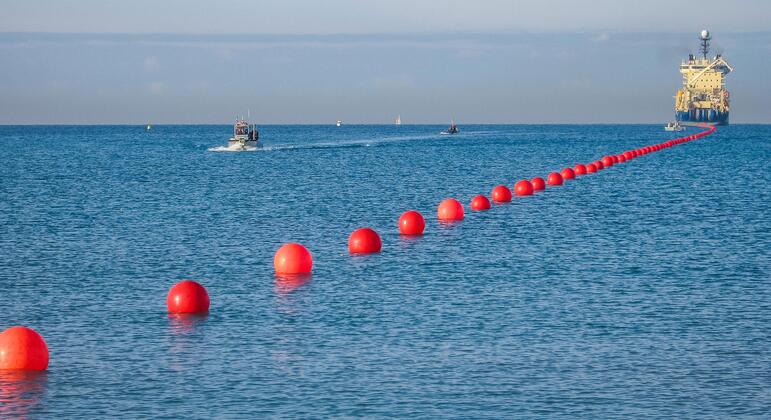
The silent fiber-optic highways shaping global connectivity beneath the waves
The silent fiber-optic highways beneath the waves carry our emails, video calls, and banking transactions every second, yet we rarely acknowledge their existence. This invisible infrastructure demands the same rigorous attention we give to climate indicators above the surface. Understanding drives protection. Our recent analysis of Berkeley Earth's empirical data on 2025 global temperature trends confirms measurable warming that directly impacts these submarine networks. The ocean's health is our connectivity's health.
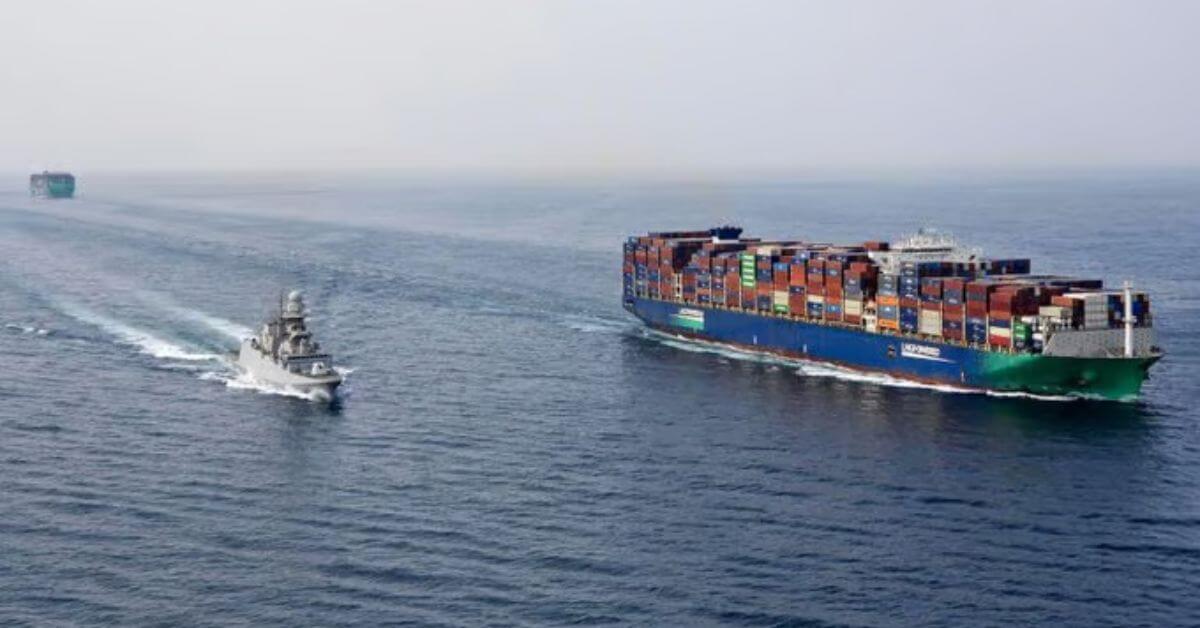
French Defense Vessel Neutralizes Airborne Threat in Bab el-Mandeb Strait
A French frigate made a calibrated, real-time decision in the Bab el-Mandeb Strait, using its gun to destroy an airborne drone it judged to be a threat. This measured use of force underscores the growing need for integrated naval defense in critical shipping lanes. For deeper context on maritime security and the vessels involved, see our coverage of "India's Private Shipyard Delivers First Multipurpose Naval Vessel INS Samarthak."
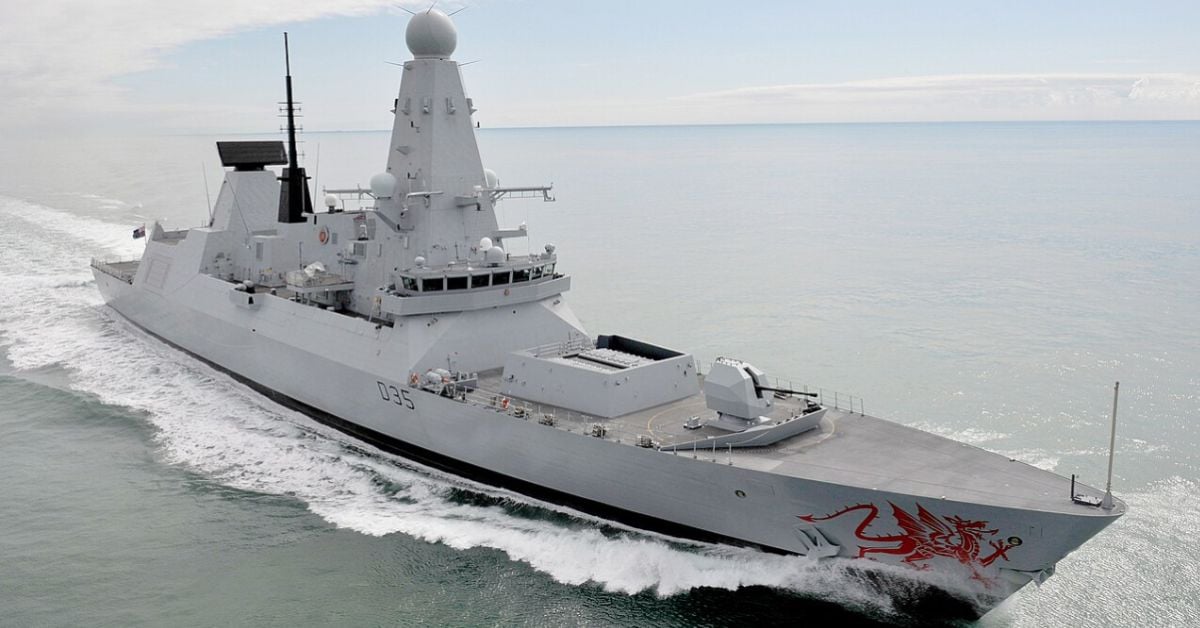
HMS Dragon's return narrows Royal Navy presence in the Gulf to one vessel
HMS Dragon's return to Portsmouth after seven months in the Gulf leaves just one Royal Navy vessel in the region, a narrow presence that demands scrutiny. This reduction comes as maritime threats persist, evidenced by recent drone and fire attacks targeting tankers near the Strait of Hormuz. For deeper context on those escalating risks, see our coverage of the strikes on three tankers. Measured vigilance, not alarm, is the appropriate response.
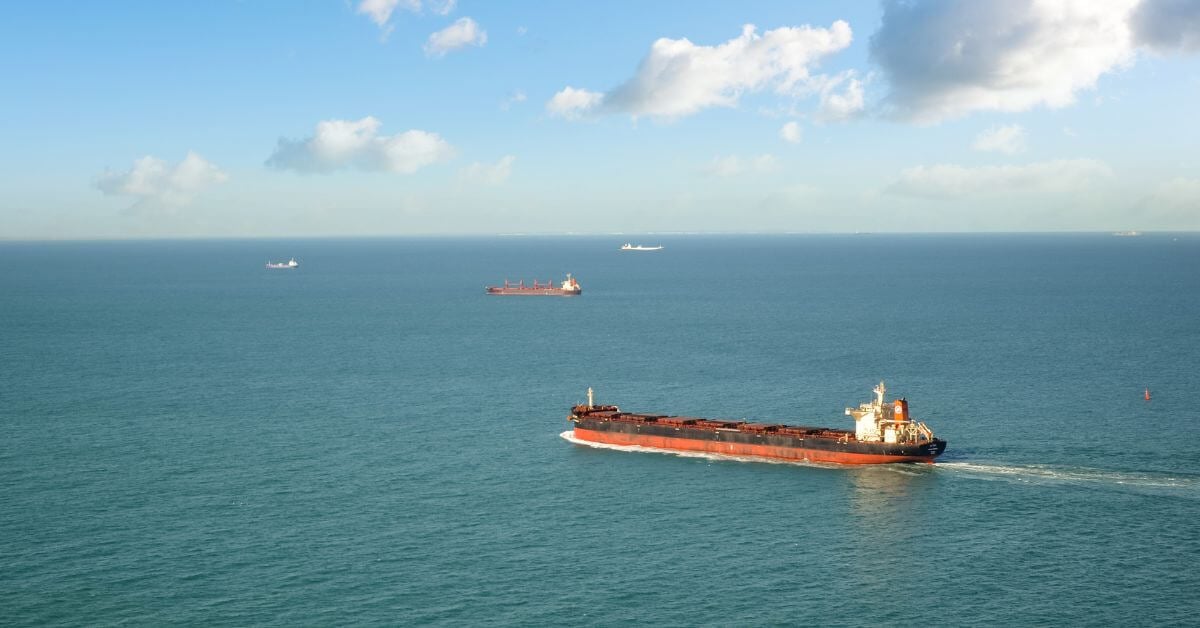
Strait of Hormuz tensions rise as Iran signals new maritime restrictions
The Strait of Hormuz is once again a flashpoint, with Iran signaling new maritime restrictions even as Gulf oil exports rise. Tanker attacks and logistical disruptions continue to plague shipments, a reality reflected in risk premiums exceeding $100,000 per month for captains. These are not abstract tensions; they are measured, empirical challenges to global energy flow. Our related coverage on those soaring risk premiums offers a deeper look at the human and economic cost. Understanding these dynamics is the first step toward protecting maritime stability.
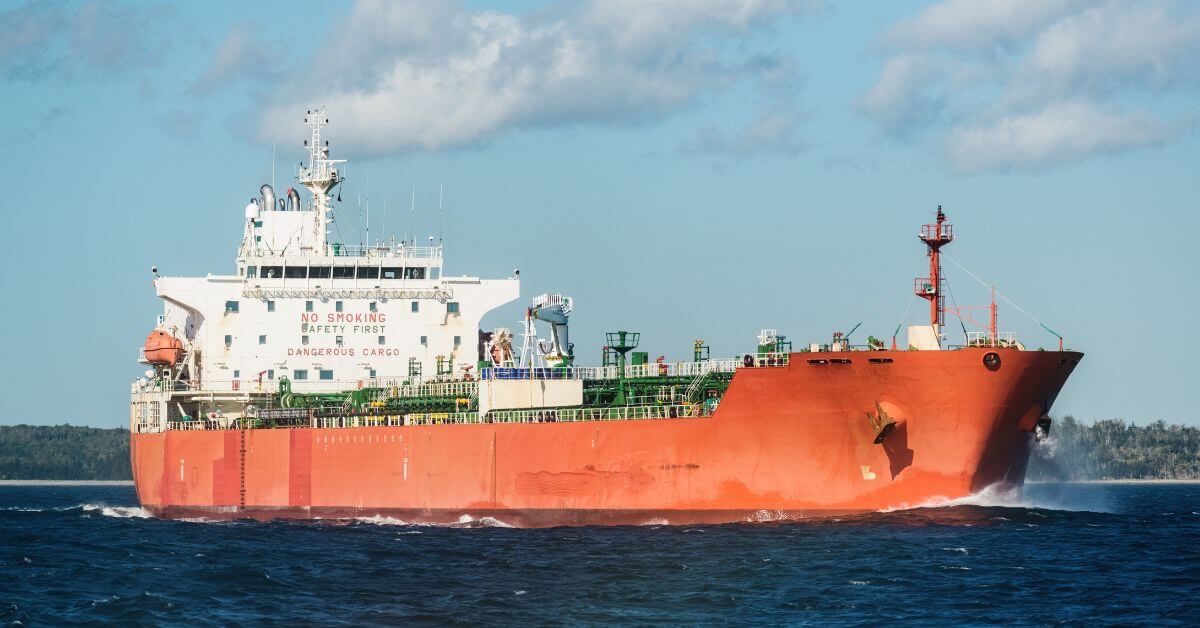
Risk premiums on global shipping lanes exceed $100,000 per month
Risk premiums on global shipping lanes now exceed $100,000 per month. Oil tanker captains sailing the Strait of Hormuz are offered up to that sum, plus a $50,000 bonus per crossing. These figures quantify a dangerous new reality for maritime commerce. Our related report, "Weekly tanker strikes near Strait of Hormuz reach highest count in years," documents at least 12 recent attacks. This is not abstract risk; it is a measurable, empirical cost of instability in a critical chokepoint.
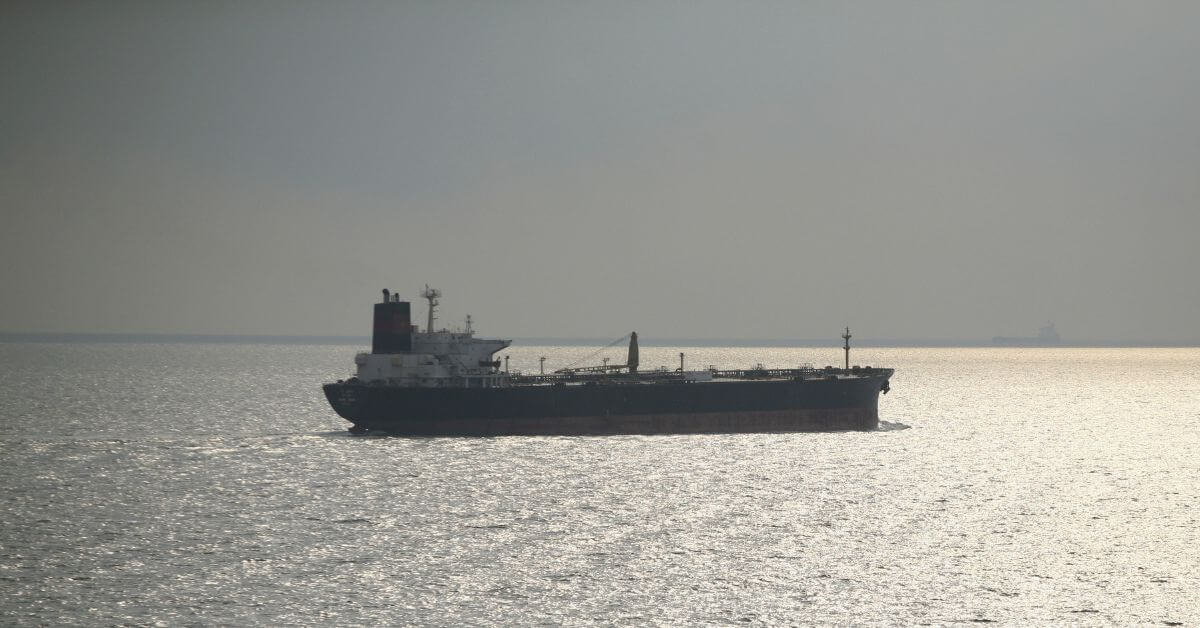
Explosions Reported Near Tanker Transiting Regional Waters, Crew Unharmed
A crew witnessed explosions while their tanker transited regional waters today. The company security officer reported the incident; all personnel remain unharmed. Maritime safety demands vigilance, and this event underscores the need for reliable reporting networks. No injuries, but the pattern is concerning. For deeper context on how geopolitical shocks are reshaping shipping routes, see our related analysis, "Geopolitical shocks reshape shipping routes with measurable regional divergence."

Geopolitical shocks reshape shipping routes with measurable regional divergence
Geopolitical shocks are not uniform in their effects, they reshape shipping routes with measurable regional divergence. A new two-scale framework, built from historical AIS data, reveals how maritime activity redistributed rapidly through the Red Sea-Suez Canal corridor versus the Cape of Good Hope, while Arctic shipping showed stronger temporal fluctuations tied to geopolitics, infrastructure, and environmental variability. This data-driven approach illuminates vulnerable corridors and network resilience.

6,000-nautical-mile delivery signals a new chapter for ocean-going vessel
A 6,000-nautical-mile delivery is not merely a transit; it is a statement of capability. Azurine's completion of this voyage with a 909 GT catamaran from Thailand to Turkey, now entering a major transformation, validates the growing reach of efficient ocean transport. This measured achievement aligns with the urgent need for safer global shipping, readers may find our coverage of the *New Coalition Charts Measurable Course for Safer Global Shipping* a timely companion to this story.
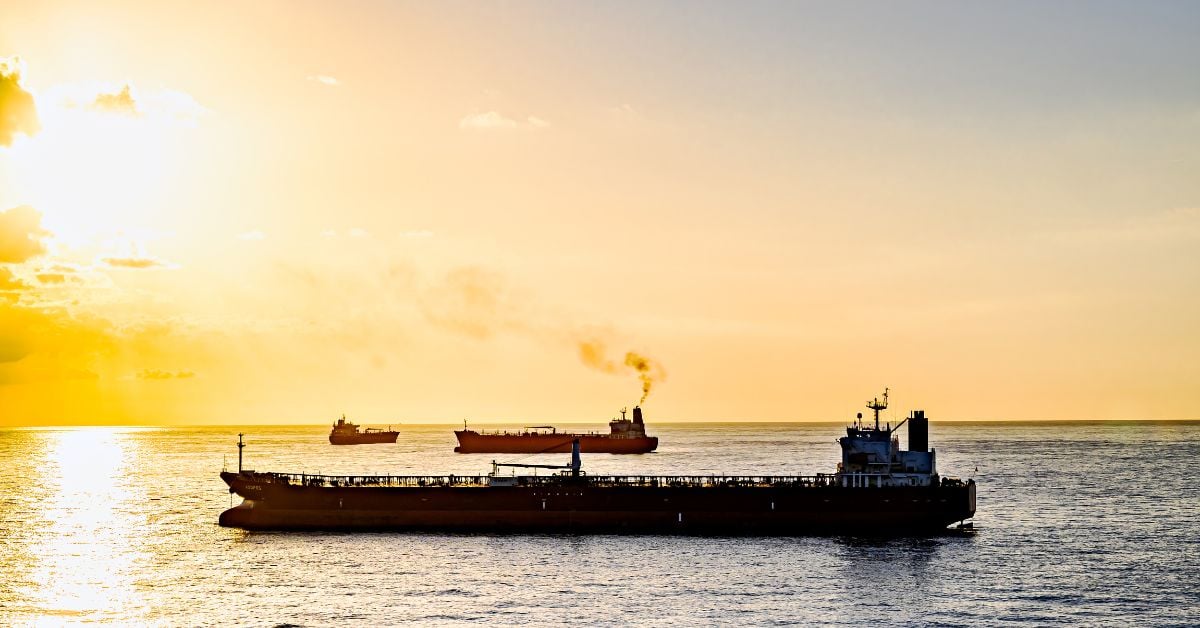
Projectiles strike crude and LNG tankers in the Strait of Hormuz
Three vessels, a crude oil tanker, an LNG tanker, and another ship, were struck by projectiles in the Strait of Hormuz, UKMTO reports. This is not a random escalation. It is a calibrated disruption to one of the world's most measured energy corridors. For those tracking ocean intelligence, the pattern is clear: these strikes test supply chains already under pressure. Our coverage of how Indian refiners are chartering tankers through Hormuz connects directly to this story's implications.
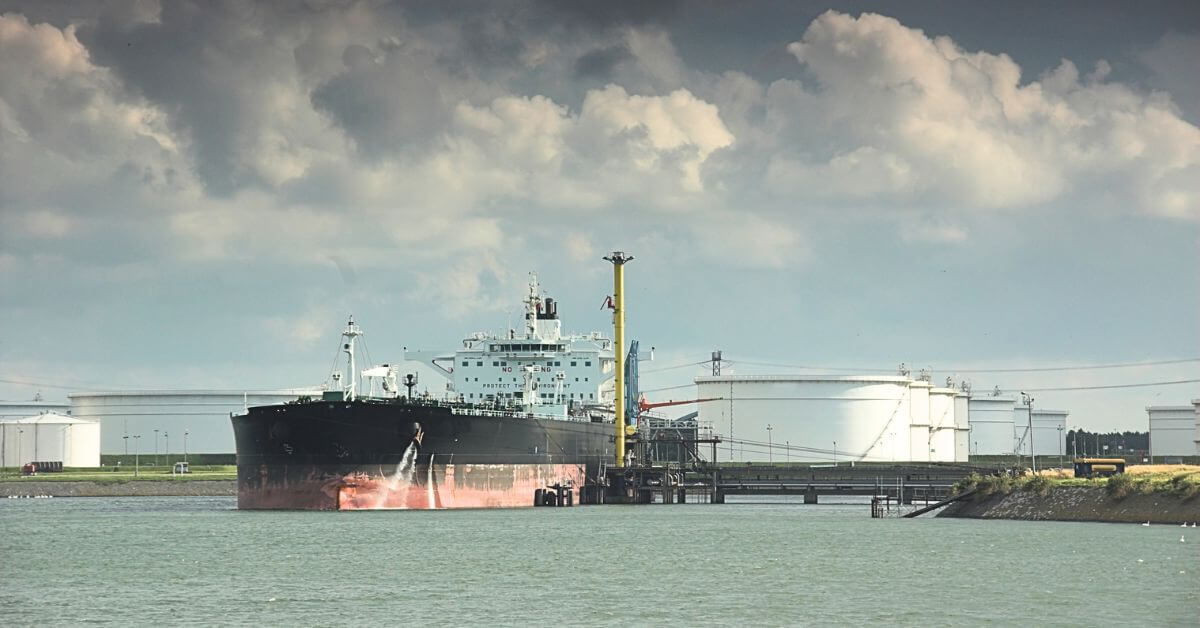
Red Sea crude flows rise as Strait of Hormuz disruptions reshape global routes
Crude loadings at Yanbu have held at roughly 2 million barrels per day since last week, according to trade estimates. This surge in Red Sea flows signals a tangible recalibration of global routes as Strait of Hormuz disruptions force new calculations. The shift is measurable and consequential for energy security. For deeper context on maritime risk, see our coverage of the vessel struck by an unknown projectile in the Strait of Hormuz. Understanding these patterns is essential, because where oil moves, ocean intelligence follows.
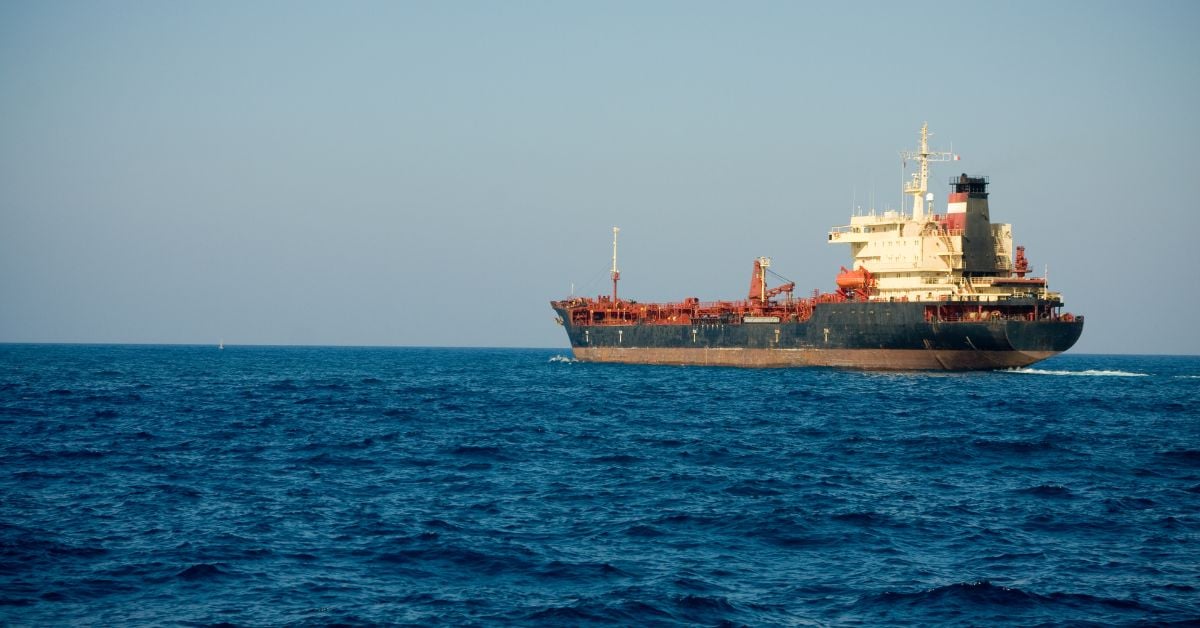
Five seafarers killed as pirates open fire on hijacked tanker during rescue
Five seafarers killed as pirates opened fire on a hijacked tanker during a rescue operation. The vessel carried 17 crew members; five were shot. Among the deceased: three from Pakistan, one from Myanmar, one from India. This is not an abstract risk, it is the human cost of failing to secure global shipping lanes. Our related coverage, "New Coalition Charts Measurable Course for Safer Global Shipping," examines one emerging framework for change. Measurable action, not rhetoric, is what these crews deserve.
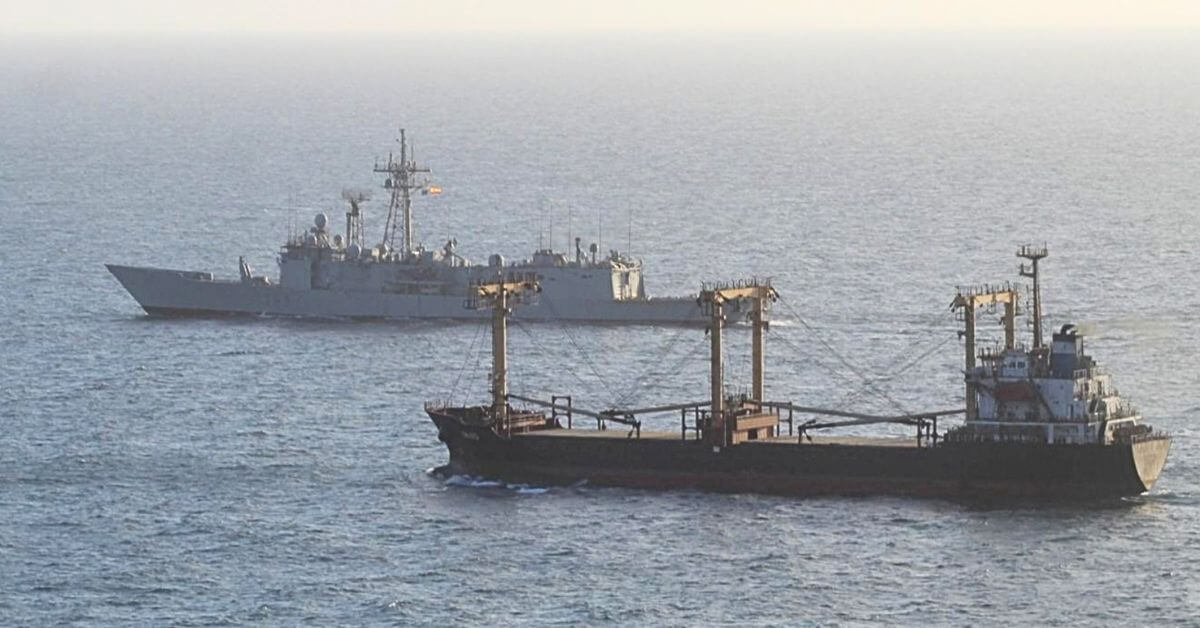
EU Urges Naval Reinforcements as Red Sea Escort Demand Escalates
Merchant ships in the Red Sea are now queuing for naval escorts as Houthi attacks renew, and the EU's call for more warships is a measured response to a measurable threat. This is not alarmism, it is operational reality. For those tracking maritime security, our coverage of the *Gulf of Trieste cross-border SAR simulation* illustrates how validated, integrated protocols strengthen readiness. When demand escalates, calibrated action matters.
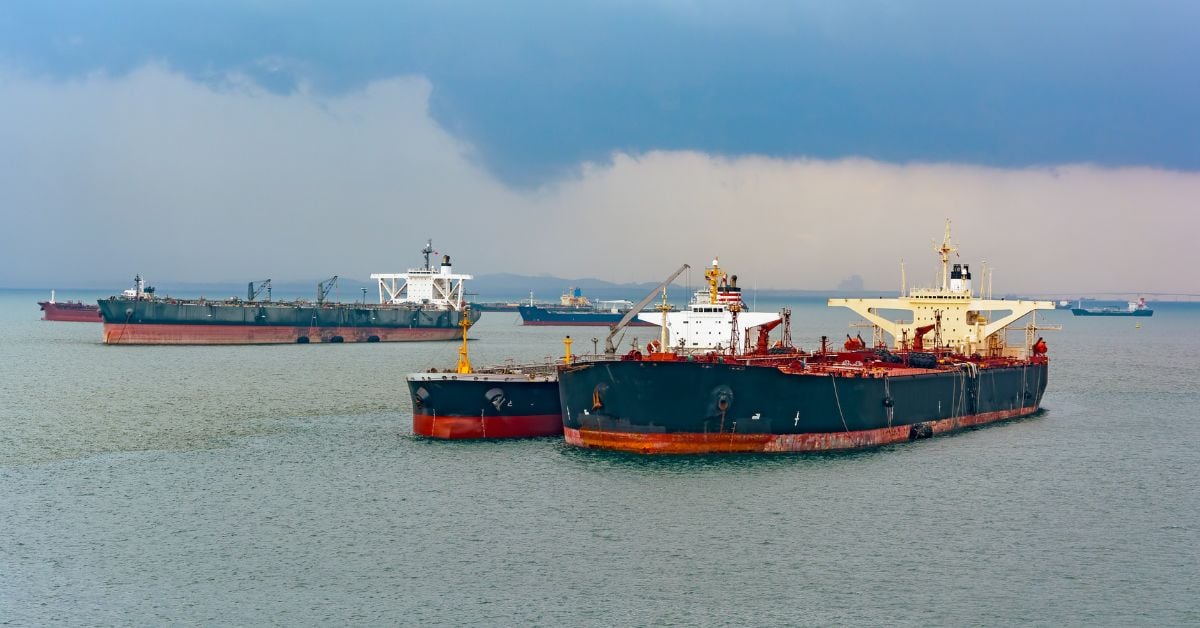
Gulf of Oman STS Transfers Max Out Amid Rising Saudi Oil Exports
Ship-to-ship transfers in the Gulf of Oman have reached maximum capacity, with traders and analysts pointing to surging Saudi crude exports as the driving force. This operational ceiling underscores how swiftly regional logistics can tighten when cargo volumes climb. The strain is a measurable signal of shifting energy flows, one that demands calibrated attention from those tracking maritime trade. For context on broader infrastructure pressures, our piece on integrated subsea systems in the Indian Ocean offers a useful parallel.
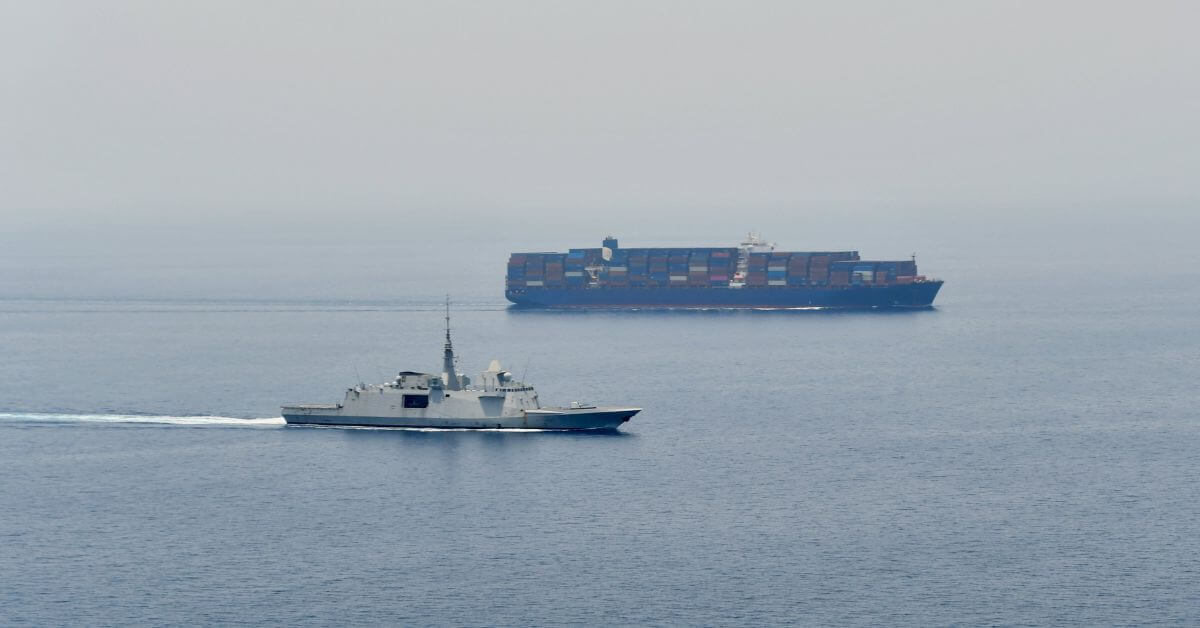
Expanded Naval Presence Calibrated for Red Sea Shipping Security
The European Union's call for more than ten warships to secure Red Sea shipping marks a calibrated response to a persistent threat. Kaja Kallas, the bloc's foreign policy chief, made the case on Monday, framing the expanded naval presence as a necessary measure for maritime stability. The numbers are telling: this is not a symbolic gesture but a concrete commitment.
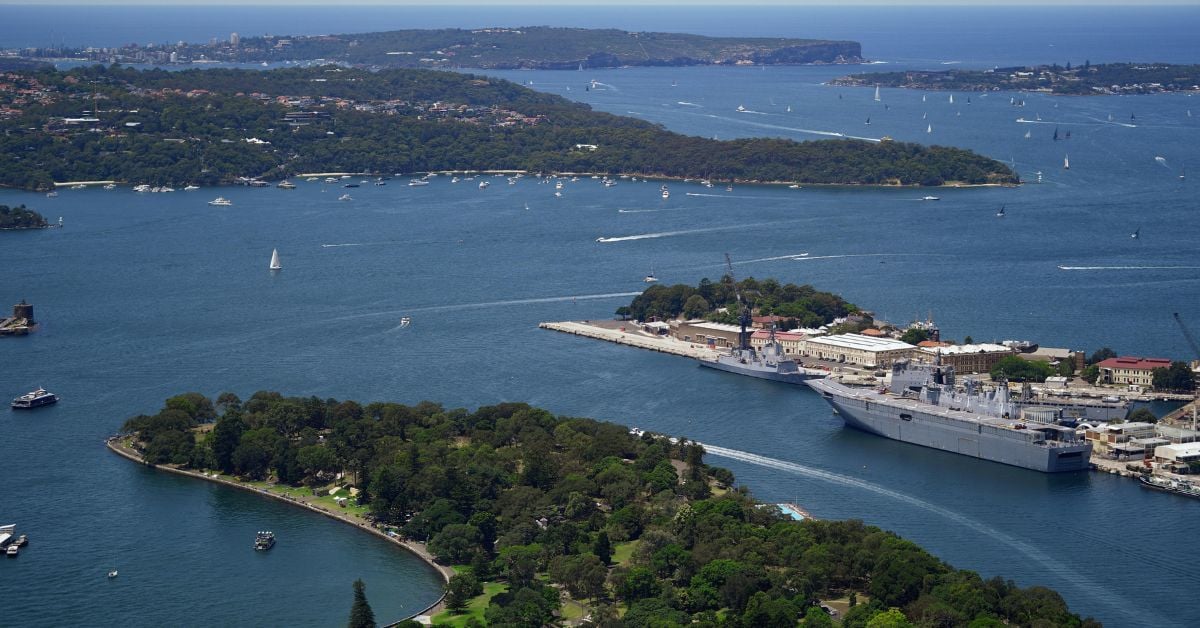
Enhanced Monitoring: China Expands Djibouti Base Near Key Shipping Lanes
Satellite imagery shows Beijing has expanded its Djibouti base with new radars, antennas, and naval assets, sharpening its watch over one of the world's busiest maritime corridors. The move is measured, deliberate, and strategically clear. It is not about alarm; it is about presence. For readers tracking how naval power reshapes trade routes, this pairs naturally with our report on Gulf of Oman STS transfers maxing out.
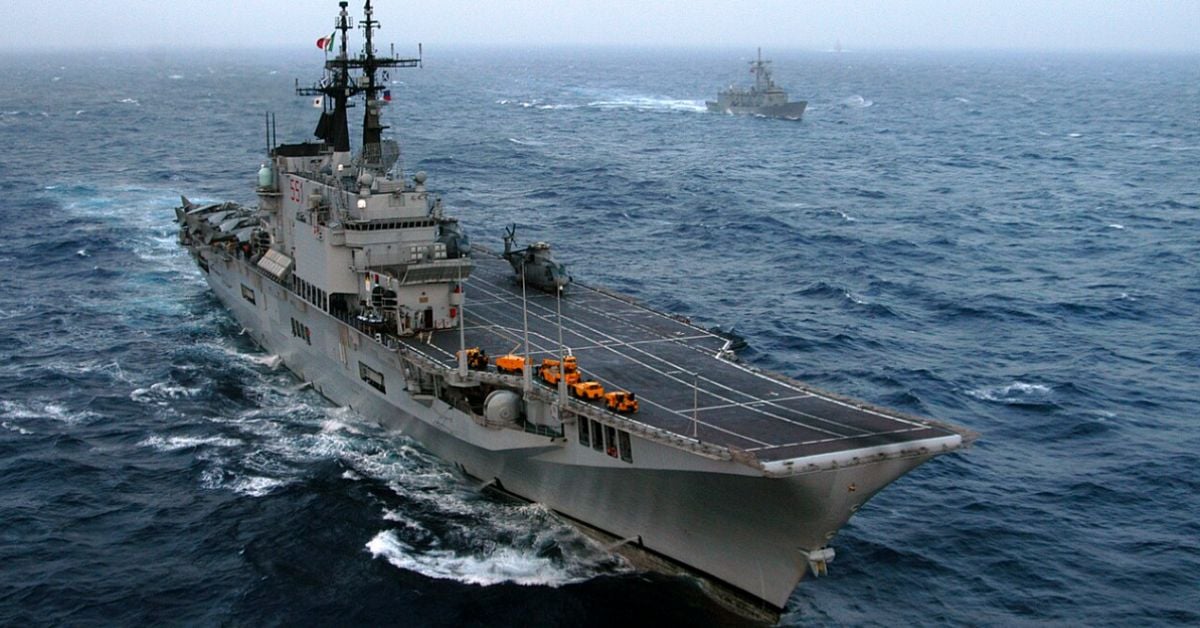
Indonesia Launches First Aircraft Carrier, Signaling Naval Expansion
Indonesia's acquisition of the Giuseppe Garibaldi marks a deliberate step into a more capable maritime posture, transforming a retired Italian carrier into its first aircraft carrier. This is not merely a hardware purchase; it is a statement of regional intent, validated by the ship's proven design. The move aligns with broader naval ambitions seen across Asia, from India's projected fleet growth to Russia's icebreaker investments. For Indonesia, the Garibaldi offers measurable power projection, yet its real value will depend on integrated operations and crew readiness.
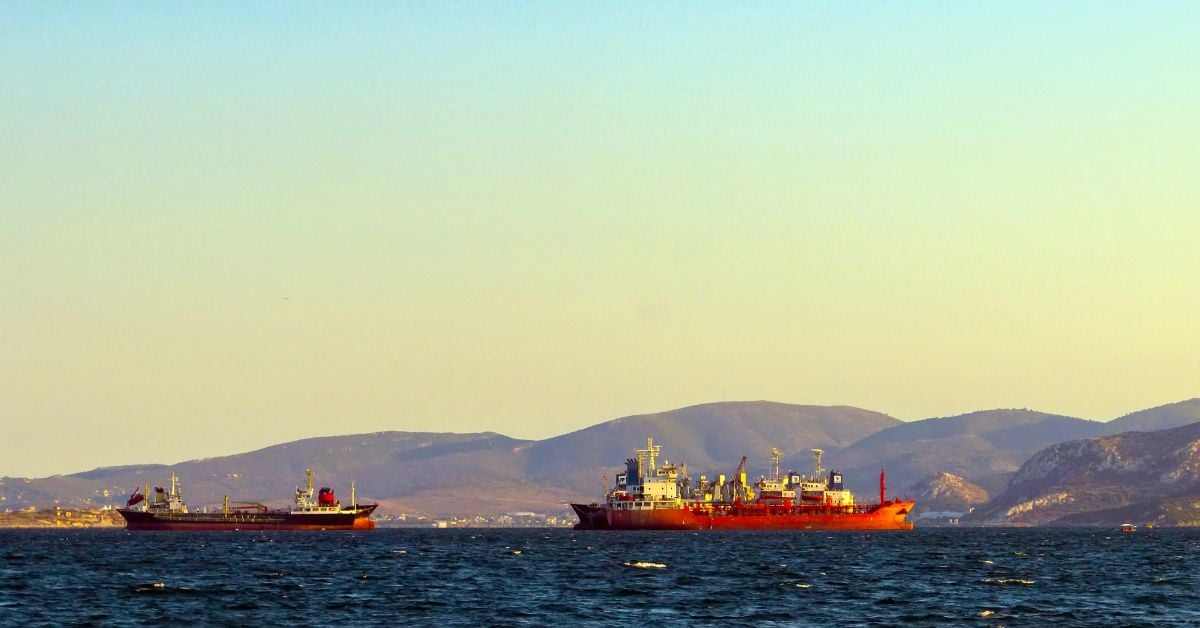
Oman Mediates Talks Between U.S. and Houthi Representatives Amid Red Sea Tensions
Diplomatic channels remain open even as tensions escalate along Yemen's Red Sea coast. Omani officials hosted U.S. Embassy personnel and Houthi representatives in Muscat, days after the group seized additional shoreline. This meeting signals a pragmatic attempt to manage a volatile situation, though concrete outcomes stay unclear. For context on regional maritime stress, our piece on Gulf of Oman STS transfers maxing out offers useful perspective. Dialogue is a start; sustained, verifiable commitments will determine whether this track produces stability.
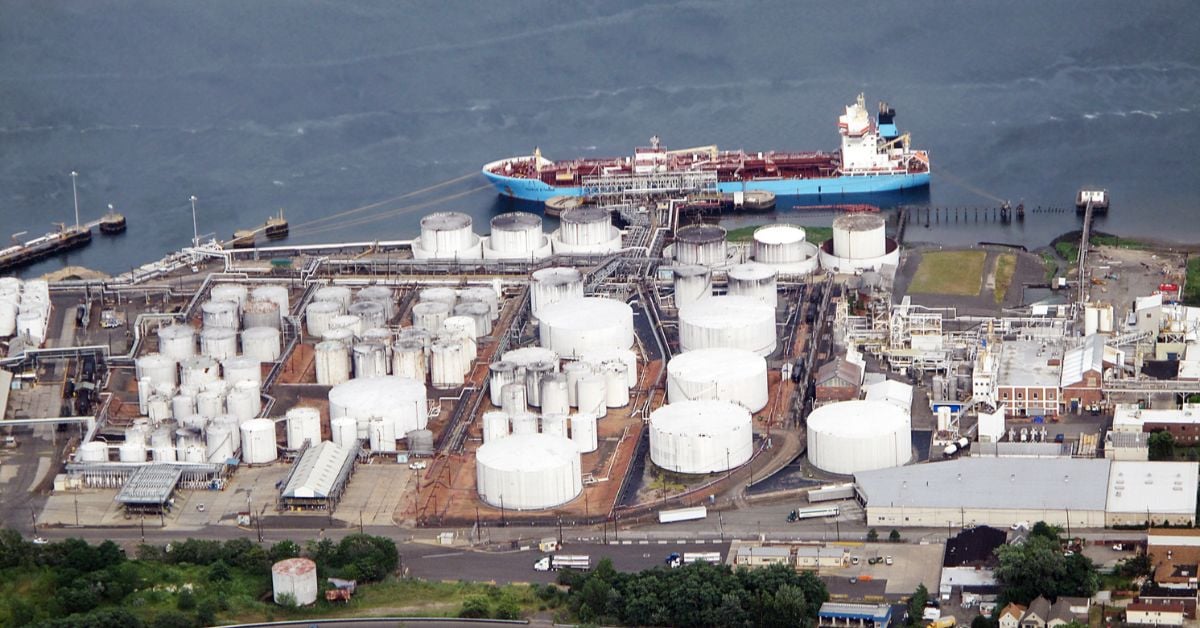
Saudi Arabia Redirects Oil Exports; Global Supply Concerns Ease.
Saudi Arabia's decision to reroute crude through Oman has already trimmed oil prices by 1.2%, a measured market response to reduced supply fears. The move does not erase the Strait of Hormuz's fragility, but it buys time for diplomacy. This is pragmatic recalibration, not panic. For those tracking the mechanics, our related piece on Gulf of Oman STS transfers shows how strained these alternative routes have become. The pressure has not lifted; it has simply shifted.
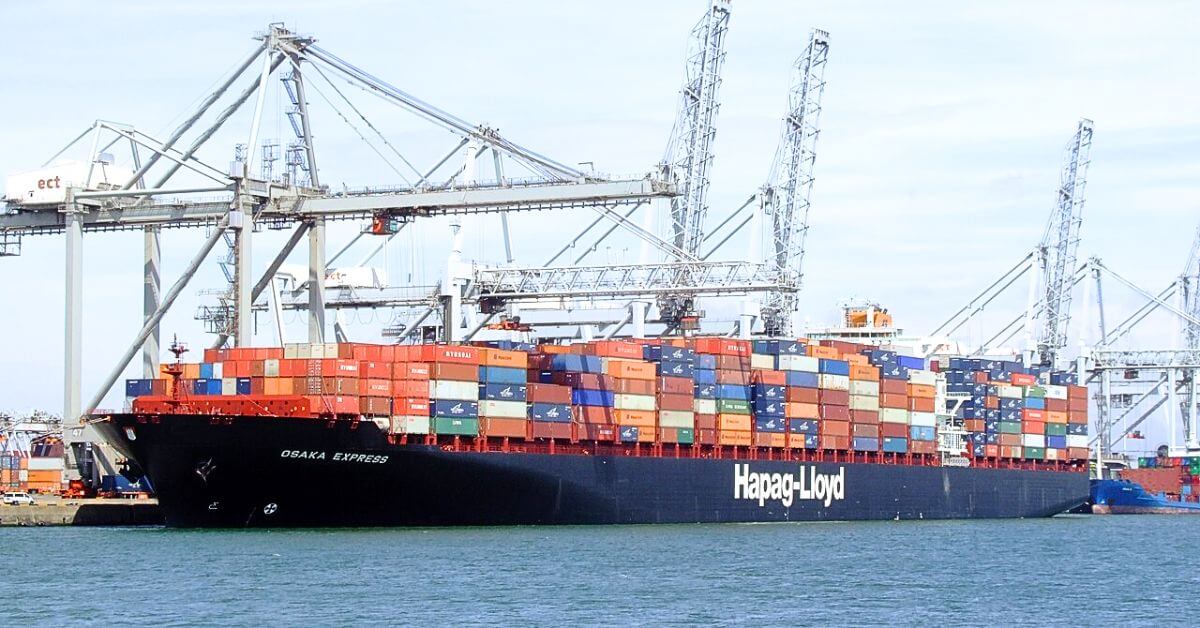
Shipping Services Return to Suez Canal Amid Ongoing Risk Assessments
Maersk's decision to reroute four services, AE5, AE11, AE12, and ME2, back through the Suez Canal marks a calculated return, not a careless one. The shift from the Cape of Good Hope reflects ongoing risk assessments that remain unresolved, a measured step rather than a full retreat to normalcy. It is a pragmatic move, grounded in operational data, and we respect that caution.
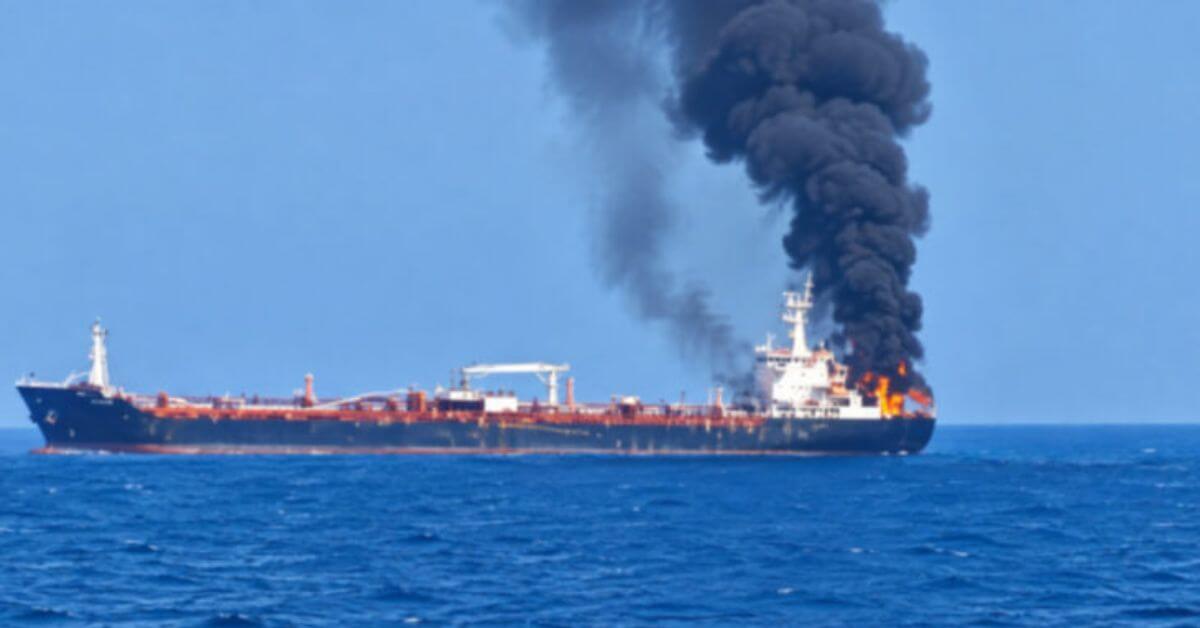
Seafarer Missing After Ship Attack Near Oman Coast; Thirteen Rescued
One Indian seafarer remains missing after an attack on a vessel near the Oman coast, while thirteen crew members have been rescued, India's Ministry of External Affairs confirmed. The incident underscores the persistent volatility of regional waters, where commercial traffic proceeds under tangible risk. Search efforts continue, though the outcome remains uncertain. For broader context on maritime pressure points, our related coverage of Gulf of Oman STS transfers offers useful perspective on the strategic strains shaping this corridor.

Disruption on East-West Pipeline Impacts Saudi Oil Export Routes.
A 1,200-kilometer artery of Saudi crude has been disrupted. The East-West Pipeline, which bypasses the Strait of Hormuz to deliver oil to Red Sea terminals, now faces operational impacts. This is not merely a logistical snag; it is a stress test for alternative export routes. When a calibrated system falters, the ripple effects are measurable. For deeper context on regional bottlenecks, see our coverage of "Gulf of Oman STS Transfers Max Out Amid Rising Saudi Oil Exports."
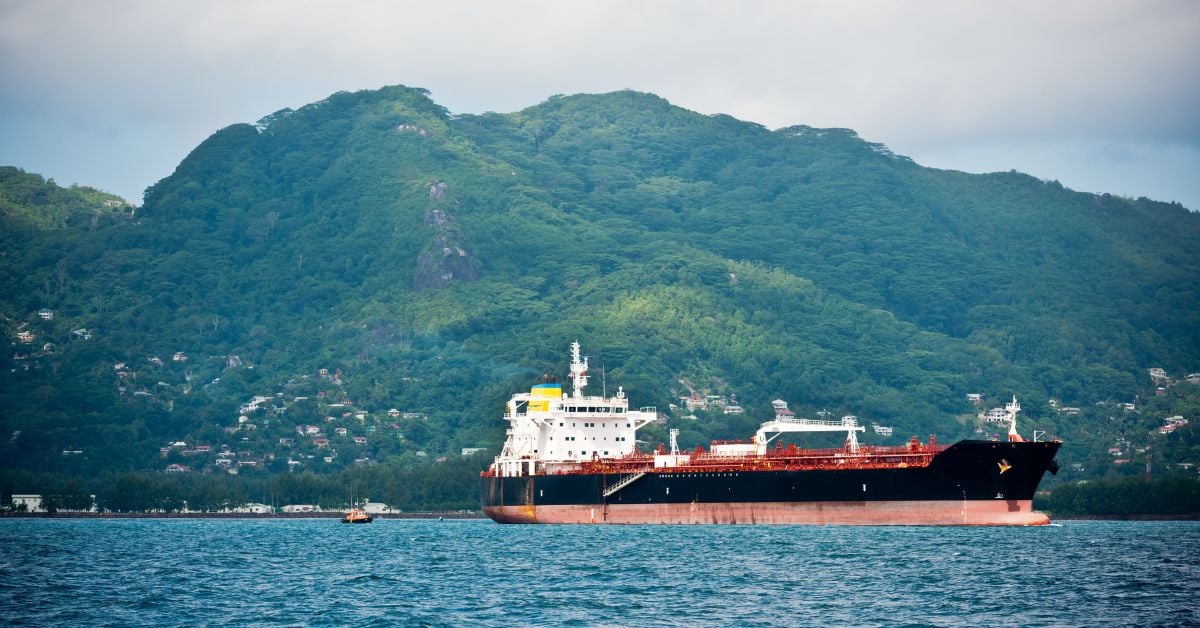
Heightened Tensions: Houthi Control of Perim Island Impacts Shipping Route
The Houthi seizure of Perim Island places a validated chokepoint under direct threat. Control of this island means the Bab El-Mandeb Strait, a corridor for global commerce, is now within range of Iran-backed forces. This is not speculation; it is a measurable escalation in regional instability. For readers tracking these disruptions, our report on "Puntland Forces Intercept Hijacked, US-Sanctioned Oil Tanker After 48 Hours" shows how quickly maritime security unravels. Understanding these links drives protection of vital sea lanes.

Houthi Control Expands Near Vital Bab el-Mandeb Strait.
The Houthis have seized new territory near the Bab el-Mandeb Strait, tightening their grip on a chokepoint that connects the Red Sea to the Gulf of Aden. This expansion is a measured but significant shift in regional leverage. Validated by empirical observation, their increased control raises calibrated concerns for maritime security and global trade flows. For deeper context on regional maritime pressures, our related coverage on Gulf of Oman STS transfers offers an integrated perspective. Understanding drives protection, this development demands attention.
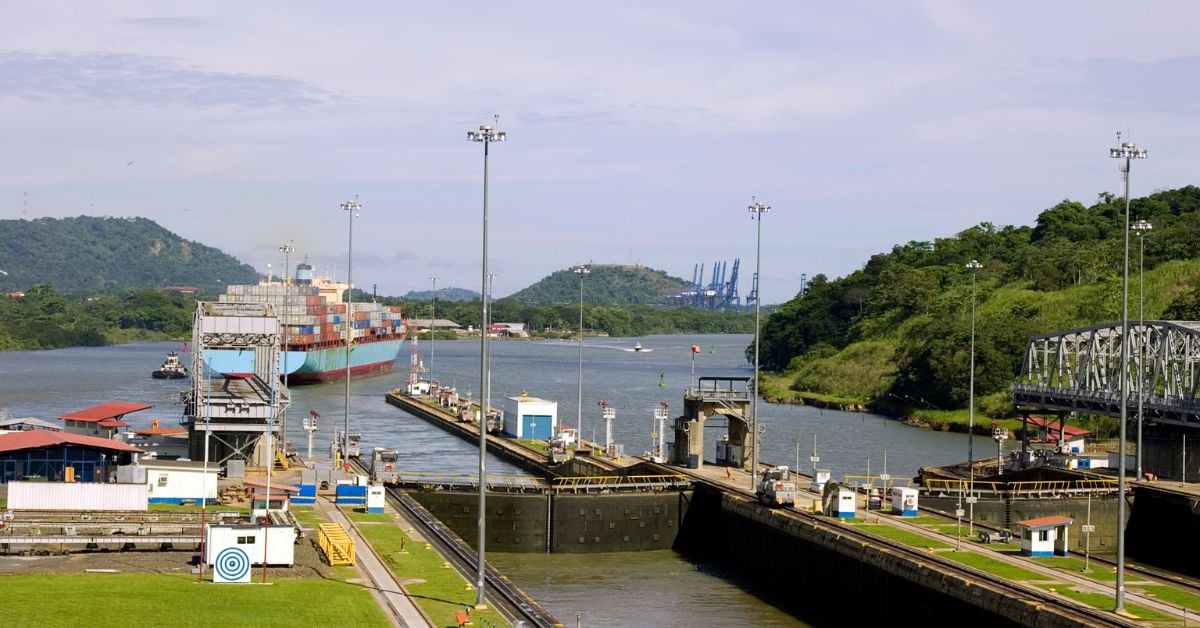
Reduced Canal Crossings: Climate Impacts Threaten Global Trade Flows
Reduced canal crossings now stand at just 29 per day. Drought and low rainfall are tightening the Panama Canal's capacity, a measurable strain on global trade flows that demands empirical attention. This is not an isolated pressure point. Our coverage of "Russia Calibrates Export Revenue for Northern Sea Route Icebreaker Fleet" shows how nations are already recalibrating infrastructure in response. Climate indicators are reshaping maritime logistics. Understanding these integrated disruptions is the first step toward protecting the systems we depend on.