Red Sea
79 stories filed under Red Sea on World Data Ocean. The newest of them: “Enhanced Maritime Safety: India's New System Monitors High-Risk Regions”, “Integrated Maritime Security: Red Sea Nations Enhance Ocean Intelligence Efforts”, and “Heightened Threat: Iran’s IRGC Targets Key East Asian Shipping Routes.”. India's Directorate has issued a direct mandate: every vessel carrying Indian crew in designated high-risk regions must be registered in the new monitoring system without delay. The Red Sea's security perimeter is tightening as Ethiopia, Yemen, Djibouti, and Somalia move to align their maritime strategies against rising piracy, trafficking, and regional friction. A Global Hub for Ocean Intelligence 4 World Data Ocean is a centralized digital platform where researchers, scientists, and ocean enthusiasts converge to… The list below is every Red Sea story on World Data Ocean, newest first.

Enhanced Maritime Safety: India's New System Monitors High-Risk Regions
India's Directorate has issued a direct mandate: every vessel carrying Indian crew in designated high-risk regions must be registered in the new monitoring system without delay. That is not bureaucratic noise; it is a calibrated safety net. The move follows intense pressure on maritime routes, from Gulf of Oman STS transfers maxing out to pirate interventions off Somalia. This system is about prevention, not reaction. For crews operating where risk is highest, this is validation that their safety is measurable and prioritized.
Integrated Maritime Security: Red Sea Nations Enhance Ocean Intelligence Efforts
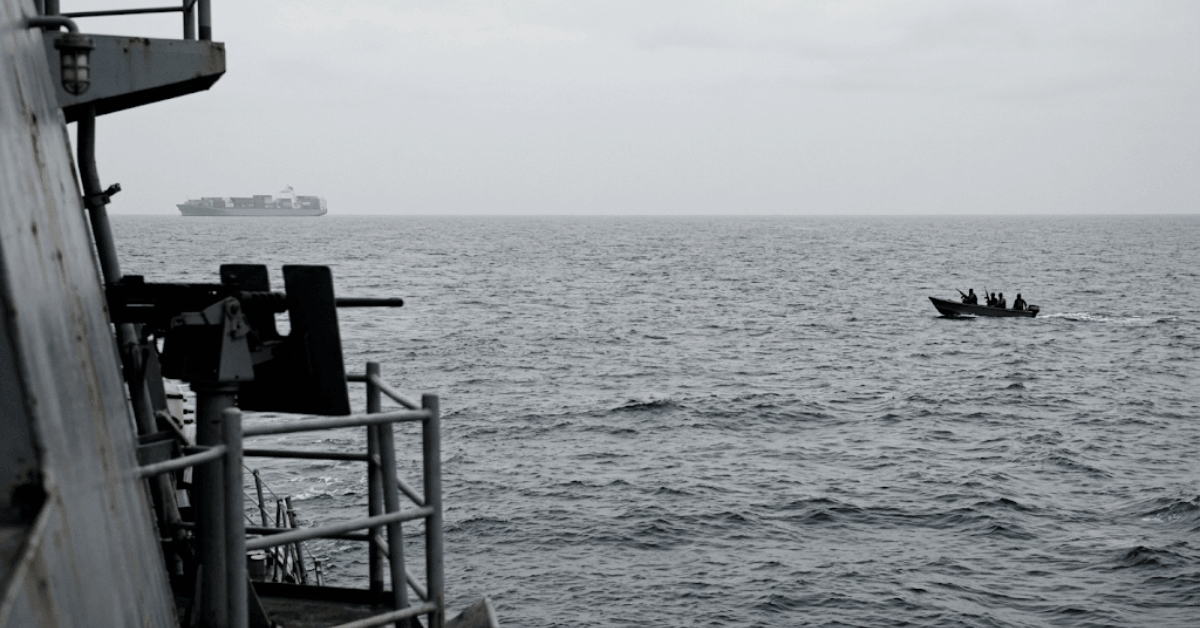
The Red Sea's security perimeter is tightening as Ethiopia, Yemen, Djibouti, and Somalia move to align their maritime strategies against rising piracy, trafficking, and regional friction. This is not abstract policy; it is the practical work of building an integrated data ecosystem where ocean intelligence becomes a shared asset. For readers tracking how these dynamics unfold, our related coverage on Gulf of Oman STS transfers offers useful context on the region's commercial pressures. Cooperation here is measured, deliberate, and long overdue.
Heightened Threat: Iran’s IRGC Targets Key East Asian Shipping Routes.
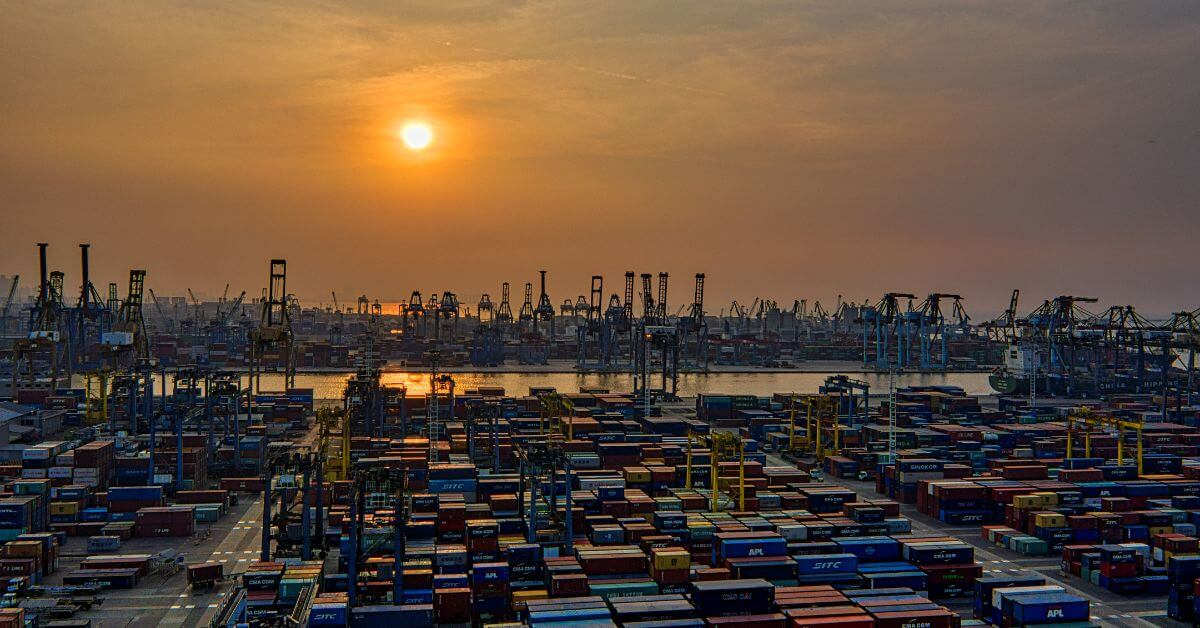
Iran's Islamic Revolutionary Guard Corps has set its sights on some of Asia's busiest maritime arteries, including China's Ningbo-Zhoushan and Shanghai ports and Indonesia's Tanjung Priok. That is not posturing; it is a calibrated escalation with measurable consequences for global trade. The threat is specific, and it demands precise, empirical attention. Vessels and port operators should treat this as a real-time risk, not a hypothetical.
Yemen Oil Spill: Integrated Data Reveals Impact on Marine Ecosystems
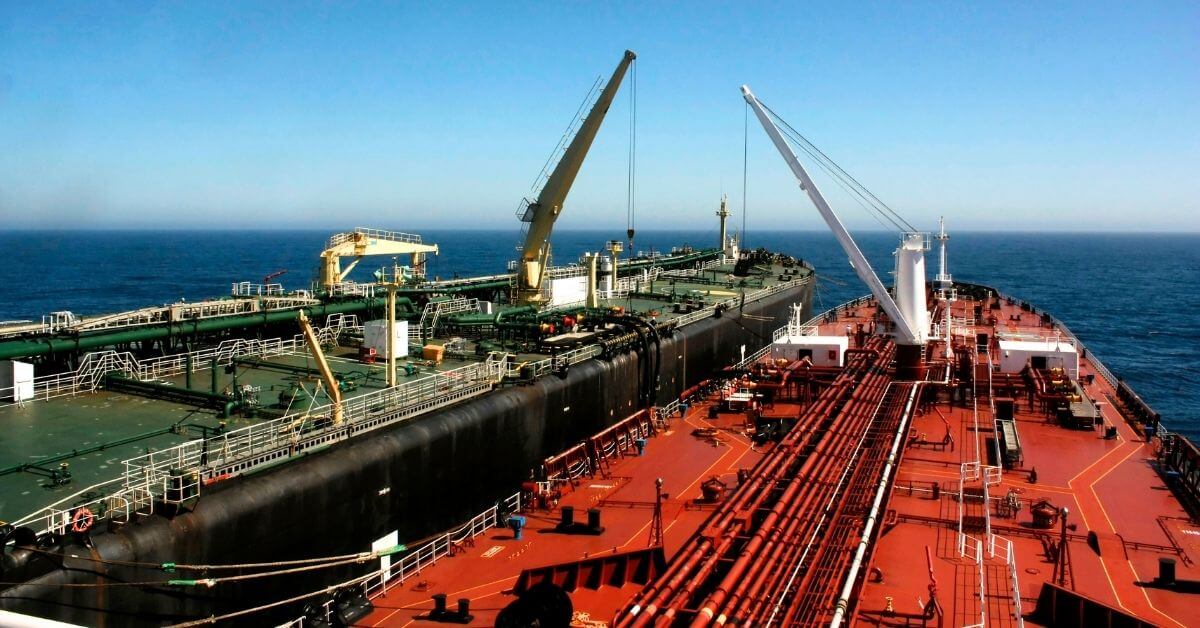
The validated data emerging from the Yemen oil spill paints a precise picture of ecological disruption, one that reaches beyond the immediate slick to the coastal economies and fisheries that depend on these waters. Integrated monitoring confirms the pollution's reach, yet the focus remains on measurable recovery pathways. For those tracking regional maritime risk, our related coverage on the Gulf of Oman STS transfers offers useful context on the pressures shaping these waters. Understanding these impacts is the first step toward calibrating an effective response.
Joint Forces Intervene: Maritime Security Operation Frees Hijacked Vessel
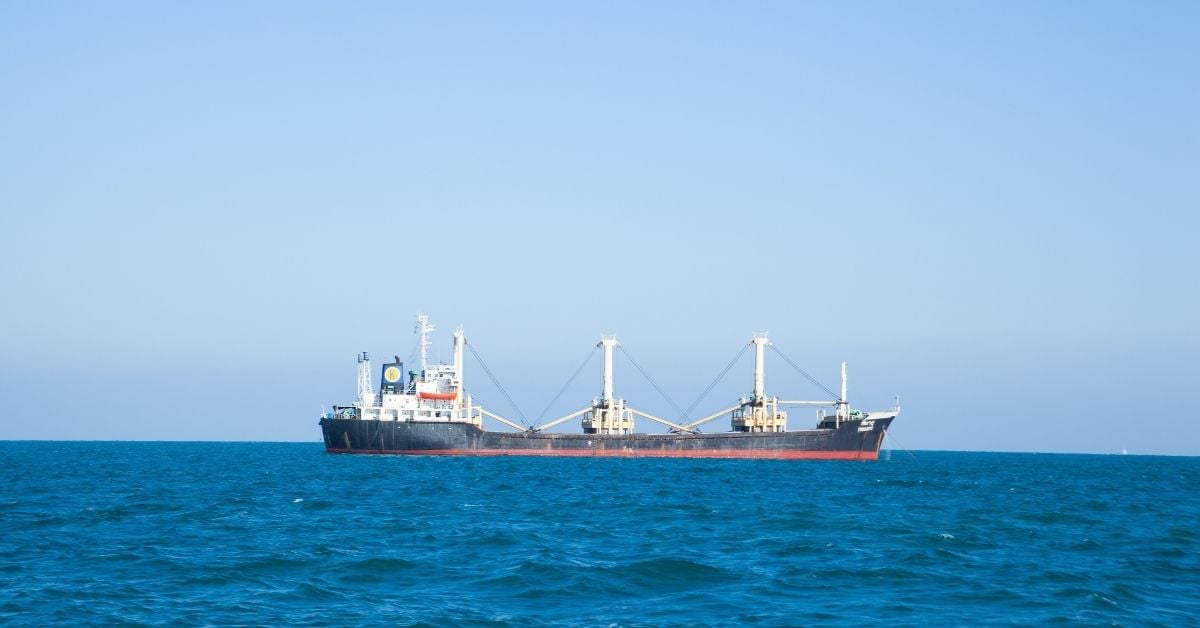
The Turkish Navy and Somalia's Armed Forces concluded a decisive 10-day operation, neutralizing 14 pirates and freeing a hijacked vessel. This is what coordinated maritime security looks like when measured action meets clear objectives. The operation underscores a practical truth: effective ocean stewardship requires persistent, joint commitment, not just policy. For broader context on regional maritime pressures, our related coverage on Gulf of Oman STS transfers offers valuable perspective. This success signals a calibrated, reliable approach to protecting vital sea lanes.
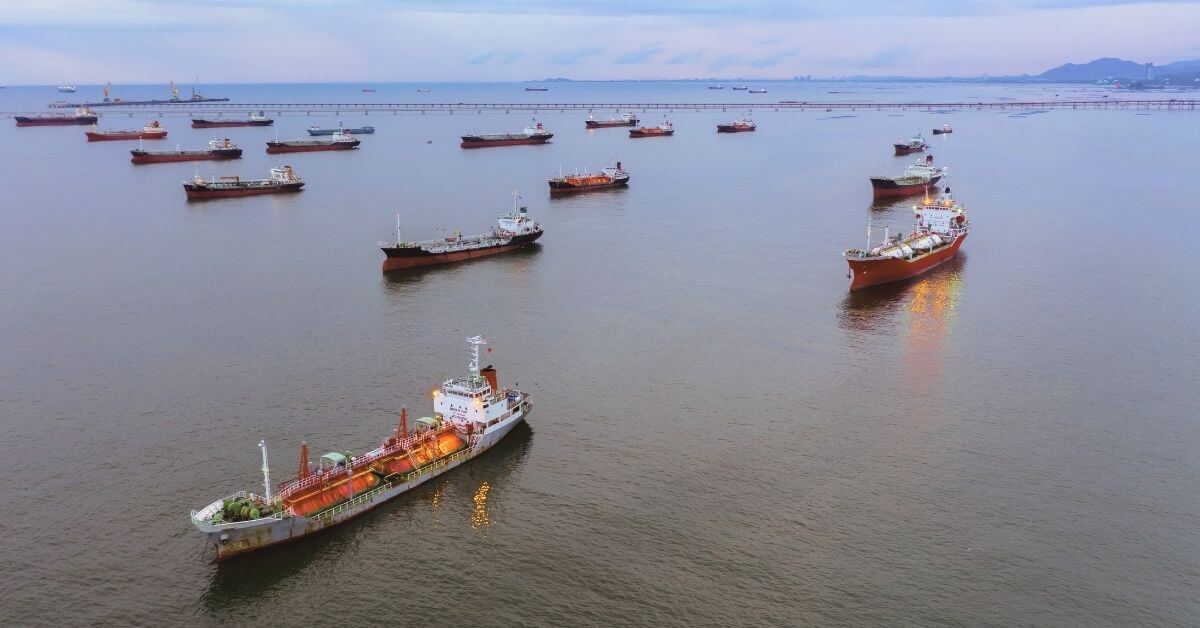
Strait of Hormuz Impasse: Uncertainty Impacts Thousands of Seafarers.
Since late February, the Strait of Hormuz has become a holding pattern for thousands of seafarers. The impasse leaves crews in limbo, their movements frozen by geopolitical friction that shows no sign of easing. It is a precarious position for the people who keep global energy moving. For context on how regional dynamics are straining maritime operations, our coverage of the Gulf of Oman STS transfers offers a related look at the pressure points.
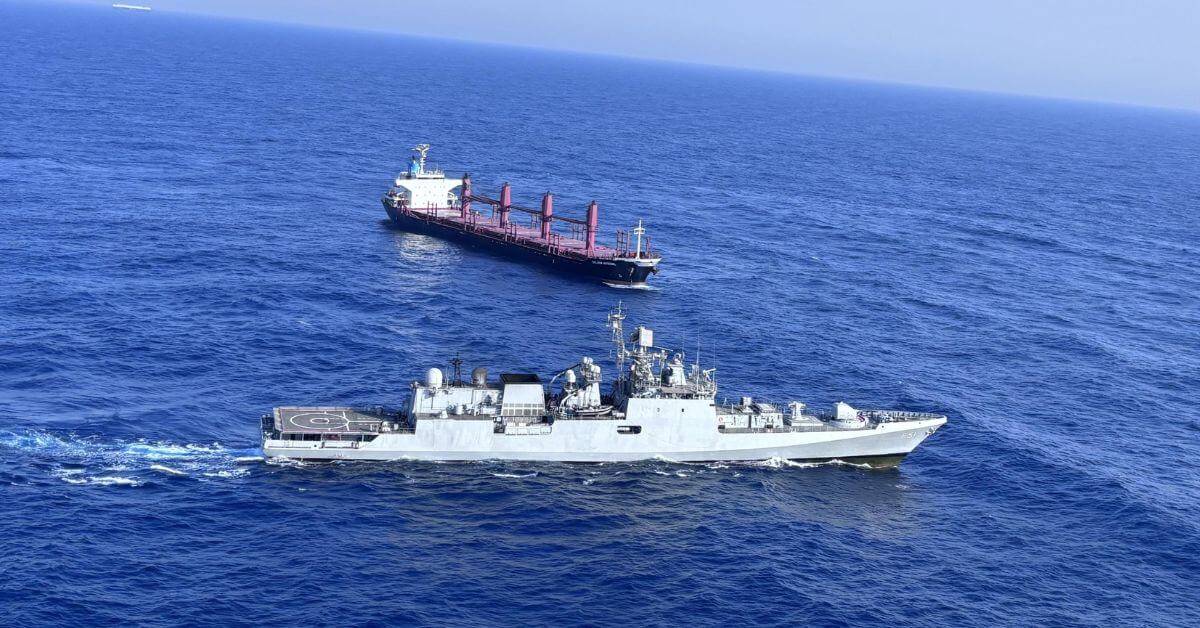
Securing Trade Routes: Indian Navy Ensures Safe Passage Through Bab-el-Mandeb
The Indian Navy's deployment through the Bab-el-Mandeb is a calibrated exercise in maritime security, ensuring that essential cargo continues moving to and from India without disruption. This is not abstract strategy; it is the practical work of keeping trade lanes open where geopolitical friction runs high. The operation reflects a measured commitment to stability, one that aligns with broader shifts in regional logistics, such as the Gulf of Oman STS transfers reaching capacity. Reliable passage here is not optional; it is the backbone of commerce.

Concurrent Heatwaves Threaten Arabian Sea Coral and Productivity
The Arabian Sea's coral reefs are not just facing warmer waters; they are facing a compounding threat. Our new research shows that when marine and atmospheric heatwaves strike together, the thermal stress on ecosystems intensifies dramatically. These concurrent events now drive 70-80% of severe coral bleaching in the region, and they cut chlorophyll-a levels by over 20%. This is not a distant risk; it is a measurable shift.

Red Sea Shipping Disrupted: Missile Strike Impacts Oil Tanker Near Yanbu
A ballistic missile strike has disrupted shipping near Yanbu, with the Houthis reporting that the tanker Amzan, operated by Bahri, was hit. The incident underscores how fragile Red Sea transit has become for energy flows. This is not an isolated disruption; it follows reports of Gulf of Oman STS transfers maxing out amid rising Saudi exports. The interconnected pressure on these routes demands attention.

Safer Red Sea Route Calibrates Oil Exports Amid Geopolitical Shifts
Shipowners are rerouting Saudi crude through the safer northern Red Sea corridor, a calibrated response to persistent Houthi threats that recalibrates export flows without disrupting global supply. The move reflects pragmatic maritime adaptation, not alarm. It is a measured shift, one that keeps oil moving while reducing risk to tankers and crews. For context on how regional pressures are reshaping tanker operations, our related piece on Gulf of Oman STS transfers maxing out offers a useful counterpoint.

Red Sea Attack: Seafarers' Remains Transferred for Repatriation.
The transfer of four seafarers' remains from Yemen to Saudi Arabia marks a somber step toward closure for families awaiting repatriation after the Houthi missile attack. This is the human cost beneath the headlines, and it underscores why maritime security cannot be treated as a sidebar issue. The Gulf of Oman STS Transfers Max Out Amid Rising Saudi Oil Exports shows how regional pressures ripple through shipping networks, but today we focus on the lives lost and the dignity of their final journey.

Red Sea Incident: Unmanned Cargo Vessel Sustains Total Loss.
The loss of an unmanned cargo vessel to unknown projectiles in the southern Red Sea marks a stark instance of maritime vulnerability. The UKMTO's declaration of a total loss is a measurable outcome, yet the incident underscores a broader fragility in a region already defined by complex logistics. We view this not with alarm, but as a calibrated data point. It validates why integrated, real-time ocean intelligence is essential for understanding risk.

Yemen Conflict: Houthis Report Attack on Saudi Naval Vessel in Red Sea
The Houthis claim they struck a Saudi military landing ship and four escort vessels near the Red Sea port of Mocha, a direct escalation in a waterway already strained by regional tensions. The attack, if confirmed, underscores how fragile maritime security has become. We treat such reports with caution, but the pattern is clear: the Red Sea is now a flashpoint.

Somali Hijacking: Status of Crew on Cargo Ship Lutuf Unconfirmed
The confirmed hijacking of the cargo ship *Lutuf* off Somalia's coast, as reported by the UKMTO, leaves the crew's status unresolved. For those of us tracking maritime security, this silence is the most pressing detail. The uncertainty underscores how fragile safe passage remains in these waters. While diplomatic efforts focus on chokepoints like the Strait of Hormuz, as our coverage of the phased negotiations suggests, the Indian Ocean's own risks demand equal attention. We will keep a close watch on developments.

Vessel Attack in Bab El-Mandeb: Egypt Denies Link to Damaged Ship
A Houthi missile strike on a commercial vessel in the Bab El-Mandeb Strait has left six dead and ten injured, with Egypt denying any link to the damaged ship. The attack underscores the fragile calculus of maritime security, where a single launch can ripple across trade routes and diplomatic lines. Egypt's response is measured, but the incident sharpens the question of who truly polices these waters.
Red Sea Macroalgae: Essential Ecosystem Builders and Food Web Support
Red Sea macroalgae are far more than background structure; they are the benthic engines driving primary production and food web stability across this extreme basin. Their role as ecosystem engineers, providing shelter and nursery grounds, is as critical as their trophic contributions through herbivory and detrital pathways. What stands out is how these organisms thrive where high temperatures and salinity would challenge most marine life. This review rightly identifies a significant knowledge gap, particularly in long-term monitoring and physiological data.

Red Sea Tensions Rise: Houthis Report Strike on Saudi Vessel
The latest Houthi claim of a strike on a Saudi vessel lands with familiar weight, arriving just days after a missile attack killed six crew members aboard the cargo ship *Tihamah* in the Bab al-Mandeb Strait. Each incident tightens the knot on maritime security, and the pattern is measurable. These are not isolated provocations; they are pressure points on a route that sustains global trade.

Red Sea Attack Highlights Risks to Maritime Trade and Seafarer Safety
The latest attack in the Red Sea and Gulf of Aden is a pointed reminder that maritime trade routes remain dangerously exposed. As Mr. Arsenio Dominguez noted, the location is particularly troubling, and we agree. These waters are not abstract lines on a chart; they are arteries for global commerce, and each incident endangers lives and supply chains. This follows the Gulf of Oman STS transfers maxing out, a clear signal of mounting pressure. The pattern is measurable, and it demands calibrated, not reactive, responses.

Arctic Shipping Route Emerges as Climate-Driven Alternative.
A scheduled Arctic route now links Ningbo to Felixstowe, with Sea Legend running the weekly service. This is not a distant proposal; it is a working commercial response to receding ice and shifting trade realities. The passage shortens transit times, yet it also demands calibrated investment in icebreaker support and polar infrastructure. Climate change is redrawing maritime maps, and carriers are adapting. For context on how nations are financing these northern lanes, see our coverage of Russia's icebreaker export revenue plans.

Red Sea Attack Disrupts Shipping, Impacts Yemeni Communities.
A four-troop and three-civilian death toll in Mokha marks a grim escalation, as the Red Sea attack disrupts shipping and deepens the hardship for Yemeni communities already navigating conflict. This is not a distant maritime statistic; it is a direct blow to local stability and a clear signal that the security of these waters remains fragile. The human cost is immediate, even as the broader economic ripples extend far beyond the shore.

Maritime Coalition Deployed to Safeguard Red Sea Trade Routes.
A coalition of member states has deployed to safeguard Red Sea trade routes, with the alliance focused on protecting freedom of navigation, international commerce, and energy supply lines. The move reflects a measured commitment to maritime stability in a region where disruption carries global consequences. Protecting these waters is not optional; it is foundational to the interconnected systems that sustain economies.

Uncrewed Vessel Incident Leads to Ship Sinking Near Yemen
A ship sank off the Yemeni coast after an unknown uncrewed surface vessel targeted it, the United Kingdom Maritime Trade Operations confirmed. The incident underscores a troubling escalation in maritime threats that now extend beyond crewed attacks. Our coverage of Gulf of Oman STS transfers maxing out amid rising Saudi exports shows how regional instability and shifting trade patterns are forcing vessels into riskier operational territory. This sinking is a stark reminder that ocean intelligence must now account for autonomous threats.

Protecting Indian Shipping: Union Calls for Naval Presence in Red Sea
The Forward Seamen's Union of India has called on the Modi Government to deploy Navy warships in the Red Sea, a direct response to mounting threats against Indian vessels and the seafarers who crew them. The request is measured and necessary. Protecting commercial routes is not an act of aggression; it is the baseline for stable trade and safer transit. This aligns with broader strategic discussions, including India's planned naval expansion toward a more contested maritime future.

Red Sea Attacks Disrupt Oil Flow, Raising Regional Tensions.
Two more Saudi oil tankers came under attack in the Red Sea, pushing the total since the blockade began to nine. That is not a rounding error; it is a direct strain on a vital shipping lane. Each incident raises the cost of moving crude and tightens an already stretched market. The pattern is clear: regional tensions are now a measurable factor in global oil flow.