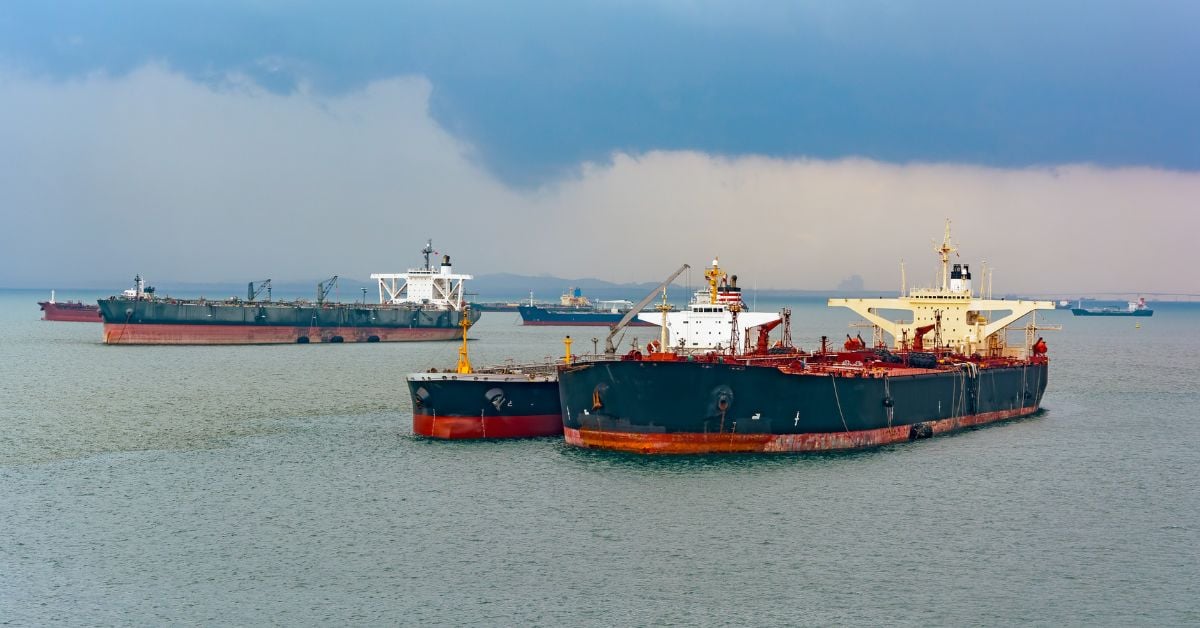
The Gulf of Oman has reached a limit that few ports ever see, and it has nothing to do with berths or cranes. Ship-to-ship oil transfers in this waterway are now running at maximum capacity, according to traders and analysts tracking the region's export surge. Saudi Arabia is pushing more crude through these waters, and the floating infrastructure that enables quick STS transfers simply cannot absorb another barrel. This is not a bottleneck born of bad planning; it is a structural ceiling, and it changes the math for every shipper, insurer, and charterer watching the region.
The pressure here is measurable. When a transfer lane maxes out, the queue does not disappear; it moves elsewhere, often toward longer waits or riskier anchorage choices. For our readers who track maritime logistics, this signals a practical shift: the premium is no longer on securing cargo, but on securing transfer windows. We would tell a charterer to recalibrate their scheduling models now, because the slack that once absorbed delays in the Gulf of Oman has been fully consumed. The related reports in our publication reinforce this theme of constrained maritime infrastructure. The Cargo Ship Fire Prompts Evacuation Near Mykonos; Incident Under Investigation reminds us that when vessels cluster and operations accelerate, the margin for error narrows dangerously. Meanwhile, Integrated Subsea Infrastructure Shifts to Enhance Indian Ocean Connectivity shows how the same regional chokepoints are being re-routed for data, not just oil, suggesting that these waters are becoming more complex, not less.
Our take is straightforward: this is a sign of systemic rigidity, not a temporary blip. The article does not mention new tanker orders or alternative STS anchorages coming online, so we assume the capacity ceiling is a hard one. For policymakers and fleet operators, the question is not whether the Gulf of Oman can handle more; it is what breaks first when the next seasonal demand spike hits. We would caution against reading this as a bullish signal for oil prices. It is, instead, a bearish signal for operational flexibility. Every day that Saudi exports hold at current levels, the risk of a delayed transfer cascading into demurrage costs or missed loading windows grows. The specific takeaway we would offer to any reader is this: the Gulf of Oman STS market has shifted from a service to a rationed resource, and the next contract you sign should account for that scarcity in writing.
The concrete point to watch is how quickly ancillary services respond. If bunker suppliers, tug operators, or surveyors in the region do not report a corresponding increase in activity, then the bottleneck is not just physical but procedural. That would point to a coordination failure, not a tonnage problem. For now, the data tells us the lane is full. What it does not tell us is who will blink first when the next storm system or equipment failure hits. That is the open question we are watching, and it is the one that will define the next quarter of operations in this corridor.