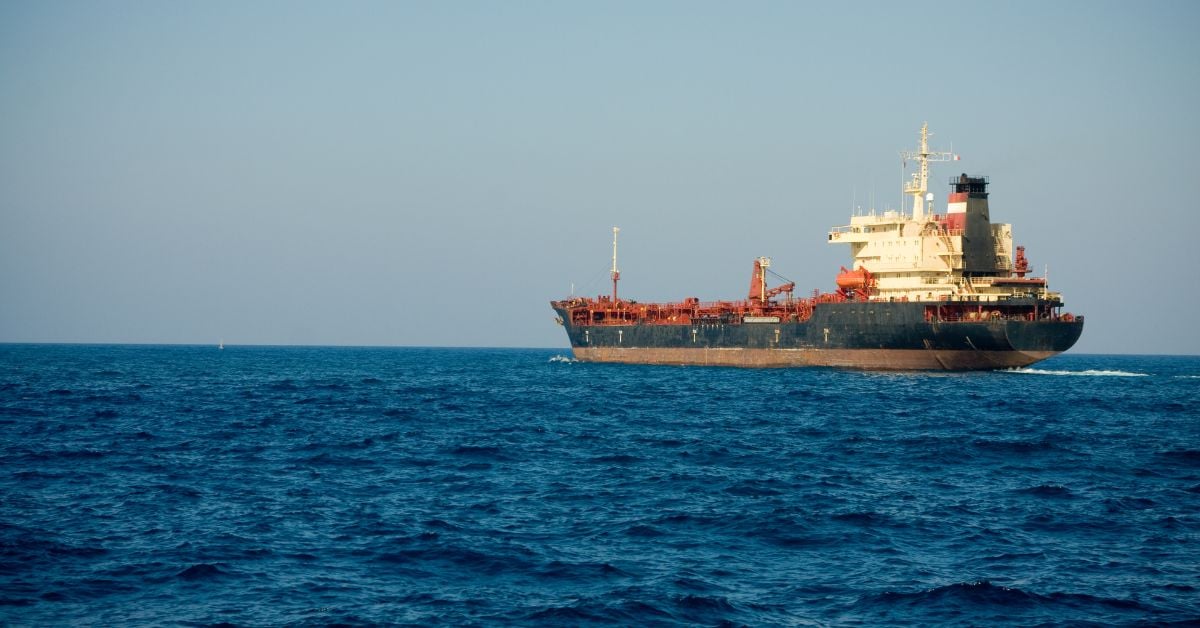
The murder of five seafarers aboard a hijacked tanker is not an abstract security statistic, it is a direct failure of the international system we rely on to keep global trade moving and crews safe. When pirates opened fire during a rescue operation, they killed three Pakistani nationals, one Myanmar national, and one Indian national, leaving families without breadwinners and the maritime industry without a clear answer for how this was allowed to happen. This tragedy demands that we stop treating seafarer safety as a secondary concern and start measuring our response against outcomes that matter: lives saved, not vessels recovered.
The timing of this attack is especially troubling when you consider the broader operational context. EU Urges Naval Reinforcements as Red Sea Escort Demand Escalates highlights how warship availability is already stretched thin in high-risk corridors, with merchant vessels queuing for protection. Meanwhile, New Coalition Charts Measurable Course for Safer Global Shipping outlines a diplomatic framework at the UN aimed at exactly this kind of crisis, yet the gap between policy ambition and on-water reality remains lethal. These five deaths are the price of that gap, and they will not be the last unless we calibrate our interventions to what actually deters armed boarding, not what looks good in a press release.
What this means for our readers, whether you are a fleet operator, a policymaker, or a researcher tracking maritime risk, is that the current data on pirate activity and naval response is not being integrated fast enough. We have real-time vessel tracking, satellite imagery, and intelligence-sharing platforms, but the empirical evidence from this incident suggests that the information did not translate into a rescue that preserved life. A measurable, peer-reviewed approach to security protocols is overdue: we need longitudinal data on which escort patterns reduce fatalities, which boarding scenarios justify armed intervention, and how crew training correlates with survival rates. Without that empirical baseline, every rescue becomes a gamble.
The concrete takeaway is this: the maritime security community must now treat every hijacking as a climate indicator for systemic failure. If naval reinforcements are too slow to arrive, and if diplomatic coalitions produce frameworks faster than they produce safety, then the burden falls on ship operators to validate their own emergency procedures against real-world outcomes. Watch how the industry responds to these five deaths, whether it demands binding crew-protection standards or settles for another round of voluntary guidelines. That choice will tell us everything about whether we have learned anything at all.