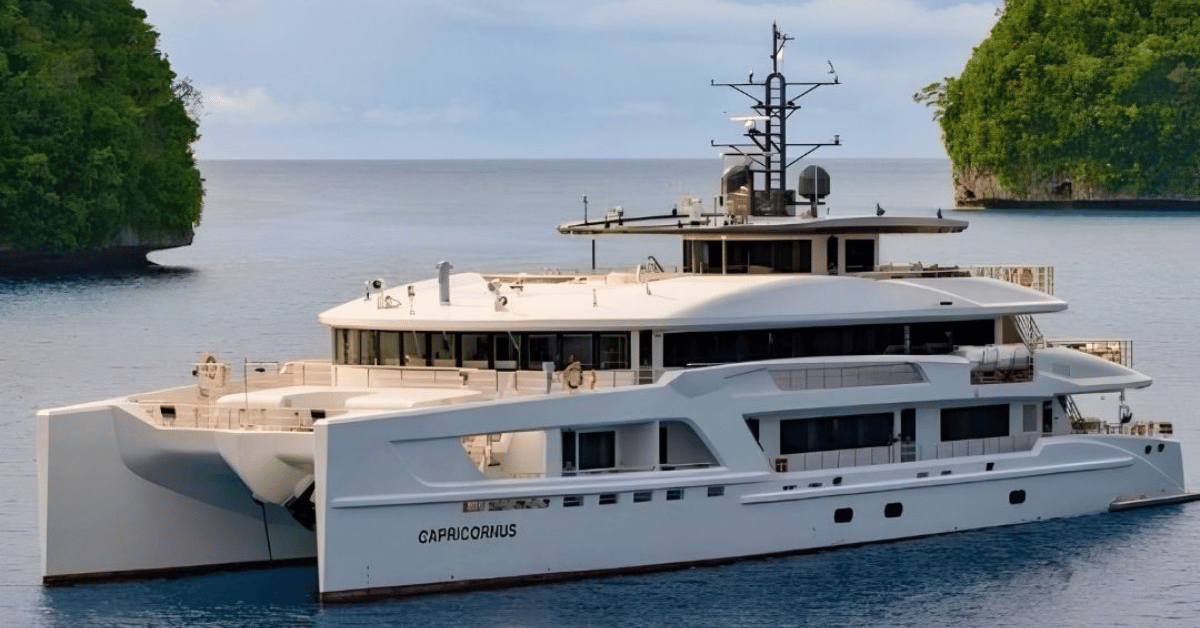
The 6,000-nautical-mile delivery of a 909 GT catamaran from Thailand to Turkey is not merely a logistical feat, it is a signal that the maritime industry is willing to invest in transformation rather than replacement. Azurine's decision to move this vessel across two oceans for a major refit tells us something practical: the global fleet is entering a phase where retrofitting and repurposing will become as important as newbuilds. This matters to our readers because it shifts the conversation from capacity alone to capability, and from disposal to durability.
We see this against a troubling backdrop. In the same week this catamaran completed its voyage, our coverage of Five seafarers killed as pirates open fire on hijacked tanker during rescue reminded us that the human cost of moving vessels remains brutally high. Meanwhile, the EU Urges Naval Reinforcements as Red Sea Escort Demand Escalates, a story that underscores how geopolitical instability is reshaping shipping routes and risk calculations. Azurine's delivery, by contrast, is a story of deliberate, peacetime engineering. It highlights a different kind of maritime challenge: not how to survive a voyage, but how to make a vessel worth its next life.
What is our take? The practical lesson here is that vessel longevity is now a measurable strategic asset. The catamaran's journey was not an emergency reroute; it was a planned repositioning for a major upgrade. This suggests that owners and operators are beginning to treat ships as integrated data ecosystems rather than disposable hardware. For researchers and policymakers tracking climate indicators, this trend matters. A vessel that can be reconfigured for new propulsion systems, updated sensors, or lower emissions profiles is a vessel that can be calibrated to meet evolving regulatory and environmental standards. The alternative, scrapping and building anew, carries a carbon cost that the industry can no longer ignore.
We should watch one specific detail: the nature of the transformation this catamaran will undergo in Turkey. If the refit includes measurable improvements in fuel efficiency, emissions monitoring, or real-time ocean intelligence collection, it will set a precedent. The question is whether the industry can repeat this model at scale. The New Coalition Charts Measurable Course for Safer Global Shipping suggests that institutional frameworks for safety and sustainability are being built in parallel. Azurine's delivery is a practical test of whether the vessels themselves can keep pace with those frameworks. The answer will not come from a press release. It will come from the data the refitted ship produces on its first voyage.