Persian Gulf
43 stories filed under Persian Gulf on World Data Ocean. The newest of them: “Ship-to-ship transfers shift Gulf congestion toward India's western maritime corridor”, “Oman coordinates engine room fire rescue 44 nautical miles offshore”, and “2 million barrels of crude move beyond the Strait of Hormuz in a calibrated shift”. Ship-to-ship transfers once clustered near the Strait of Hormuz are now stretching toward India's western maritime corridor. A fire in the engine room of a merchant ship 44 nautical miles off Oman's coast demanded a coordinated rescue. A Global Hub for Ocean Intelligence 4 World Data Ocean is a centralized digital platform where researchers, scientists, and ocean enthusiasts converge to… The list below is every Persian Gulf story on World Data Ocean, newest first.
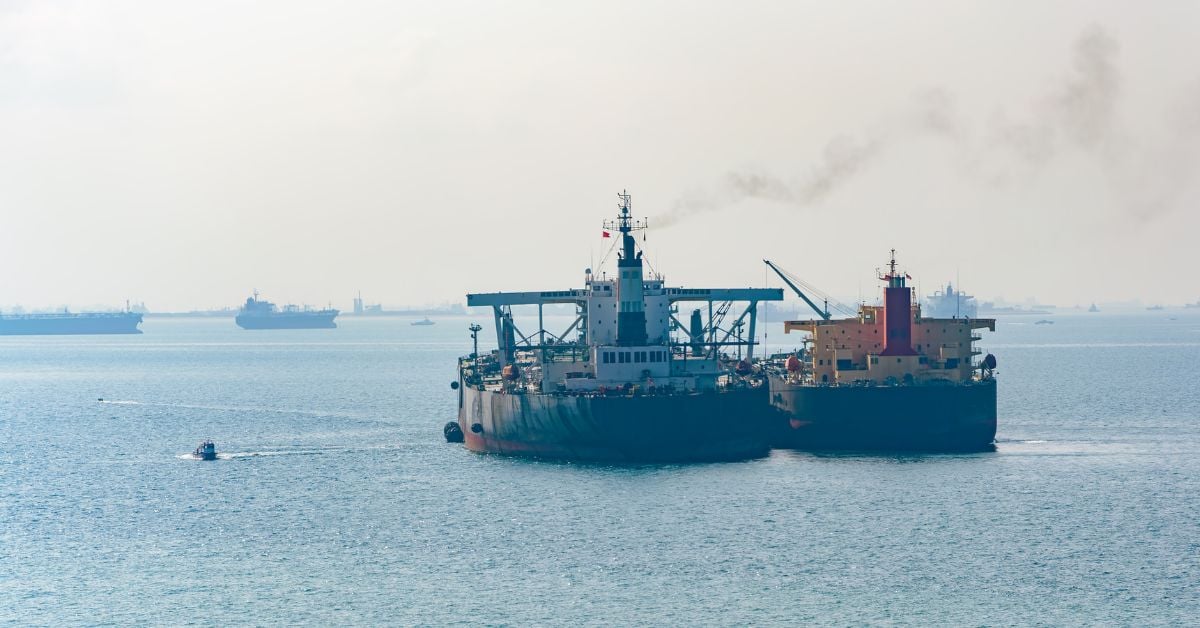
Ship-to-ship transfers shift Gulf congestion toward India's western maritime corridor
Ship-to-ship transfers once clustered near the Strait of Hormuz are now stretching toward India's western maritime corridor. Oil producers are shifting these operations outside Gulf waters, redistributing congestion along a new axis. This measured logistical adaptation carries measurable implications for regional maritime security and data verification. Our recent coverage of the Strait of Hormuz posture highlights why validated, real-time ocean intelligence has never been more urgent. Understanding these patterns is essential for those tracking the integrated data ecosystem of global trade.
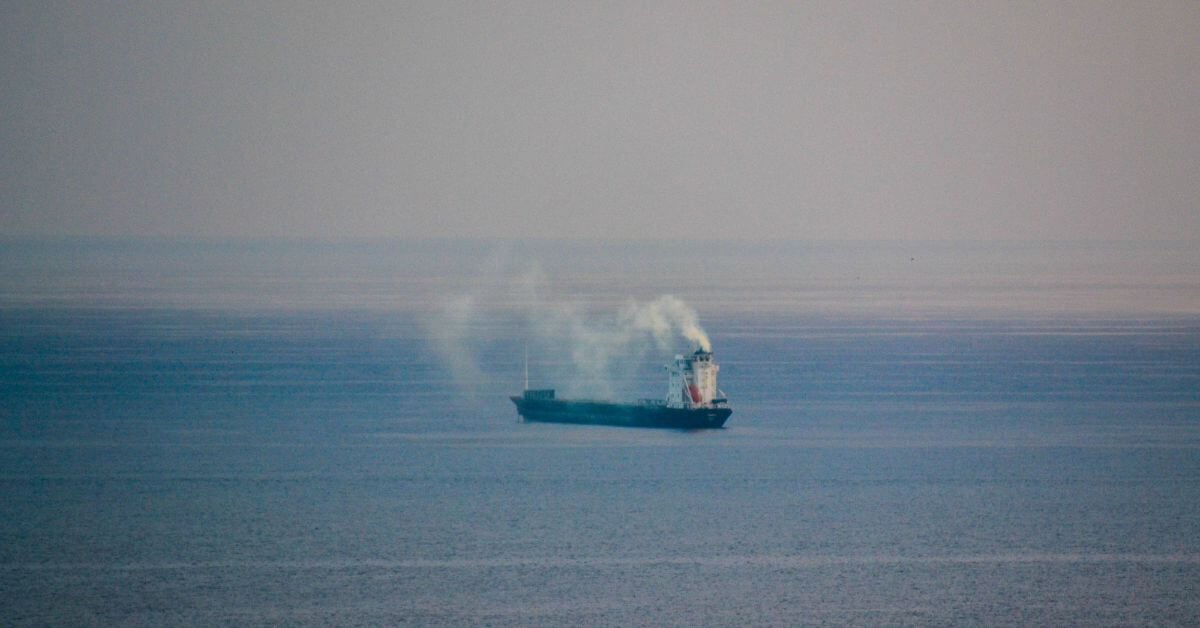
Oman coordinates engine room fire rescue 44 nautical miles offshore
A fire in the engine room of a merchant ship 44 nautical miles off Oman's coast demanded a coordinated rescue. Oman evacuated an injured crew member, demonstrating the precision required for maritime emergencies. These incidents do not occur in isolation. For context on regional naval pressures, see our coverage of HMS Dragon's return, which narrows the Royal Navy's Gulf presence to a single vessel. Understanding these interconnected risks sharpens our ocean intelligence.
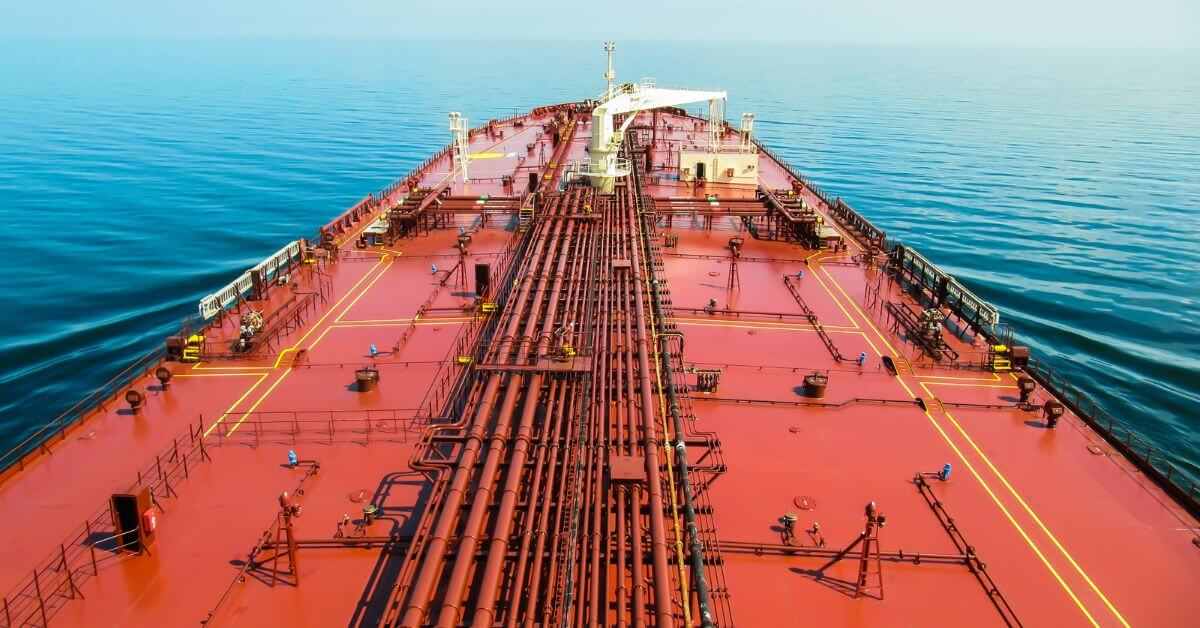
2 million barrels of crude move beyond the Strait of Hormuz in a calibrated shift
A calibrated movement of two million barrels of Iraqi crude has cleared the Strait of Hormuz, executed by the state-owned Iraqi Oil Tanker Company aboard a very large crude carrier. This is not a routine shipment; it is a measured exercise in strategic logistics. As naval defense evolves in the region, covered in our related reporting on laser deterrence, these shifts in energy transit demand the same empirical attention. Understanding drives protection.
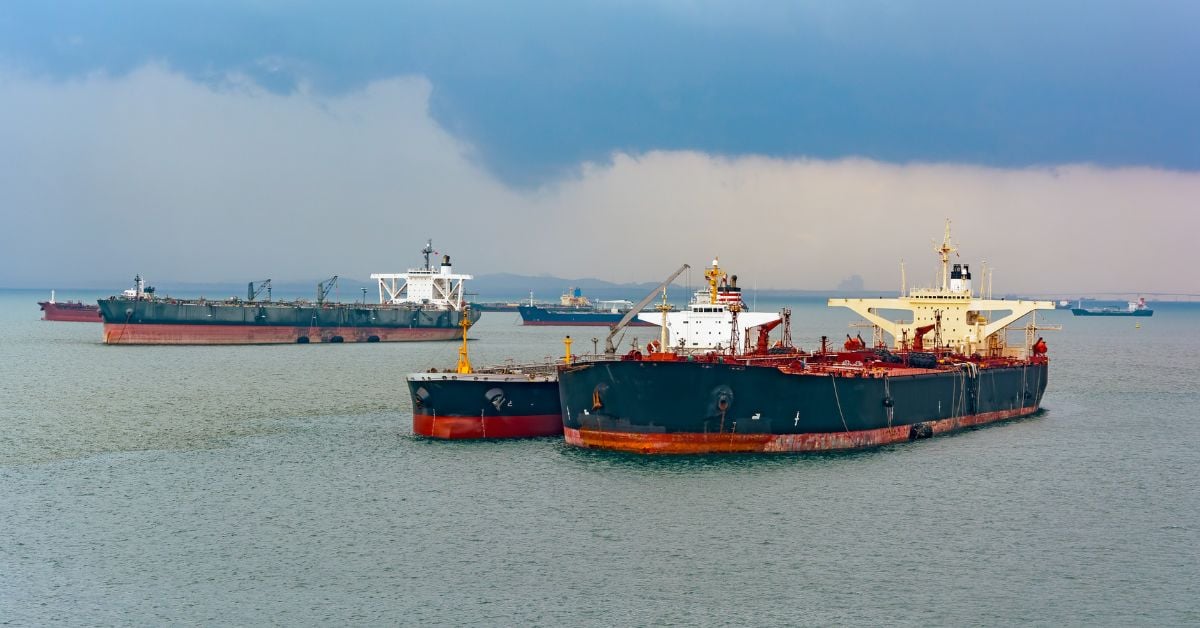
Gulf of Oman STS Transfers Max Out Amid Rising Saudi Oil Exports
Ship-to-ship transfers in the Gulf of Oman have reached maximum capacity, with traders and analysts pointing to surging Saudi crude exports as the driving force. This operational ceiling underscores how swiftly regional logistics can tighten when cargo volumes climb. The strain is a measurable signal of shifting energy flows, one that demands calibrated attention from those tracking maritime trade. For context on broader infrastructure pressures, our piece on integrated subsea systems in the Indian Ocean offers a useful parallel.
Vitol Acquires Substantial Iraqi Crude Volume Amid Price Discrepancies
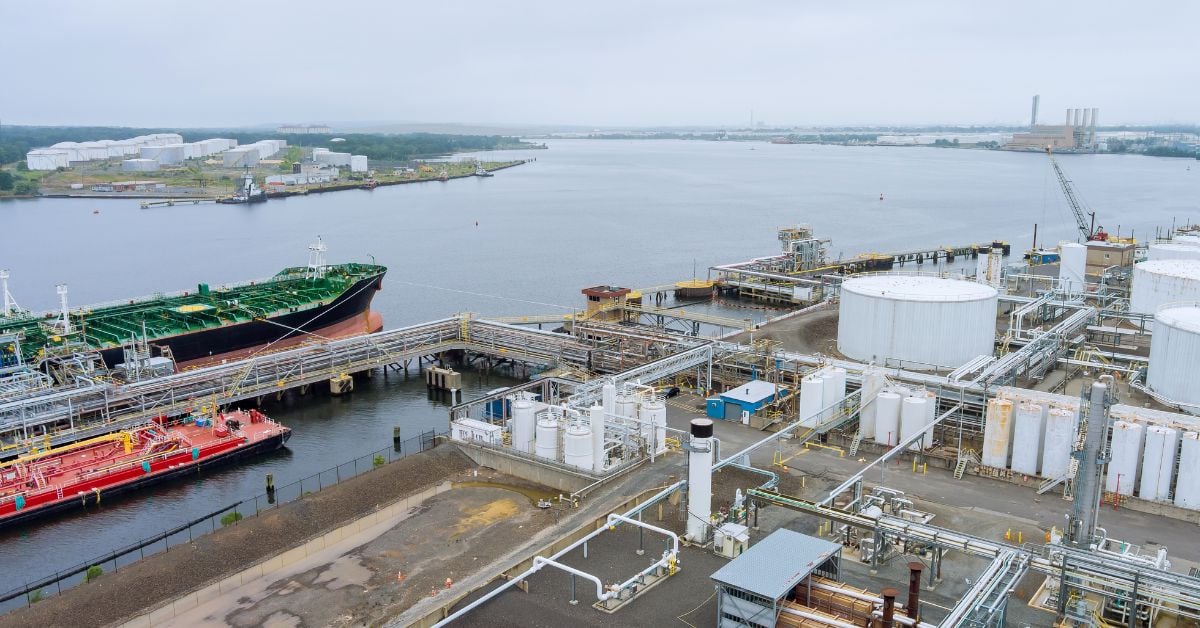
Vitol's move to secure 25 to 30 million barrels of discounted Iraqi crude this month signals a sharp reading of market imbalances, and it's a calculated bet worth watching. Price discrepancies like these reward those who can move swiftly, and Vitol is leveraging its scale to lock in margin where others might hesitate. This kind of volume isn't opportunistic noise; it's a deliberate positioning play.
Drone Strike Impacts LPG Tanker Near Strait of Hormuz.
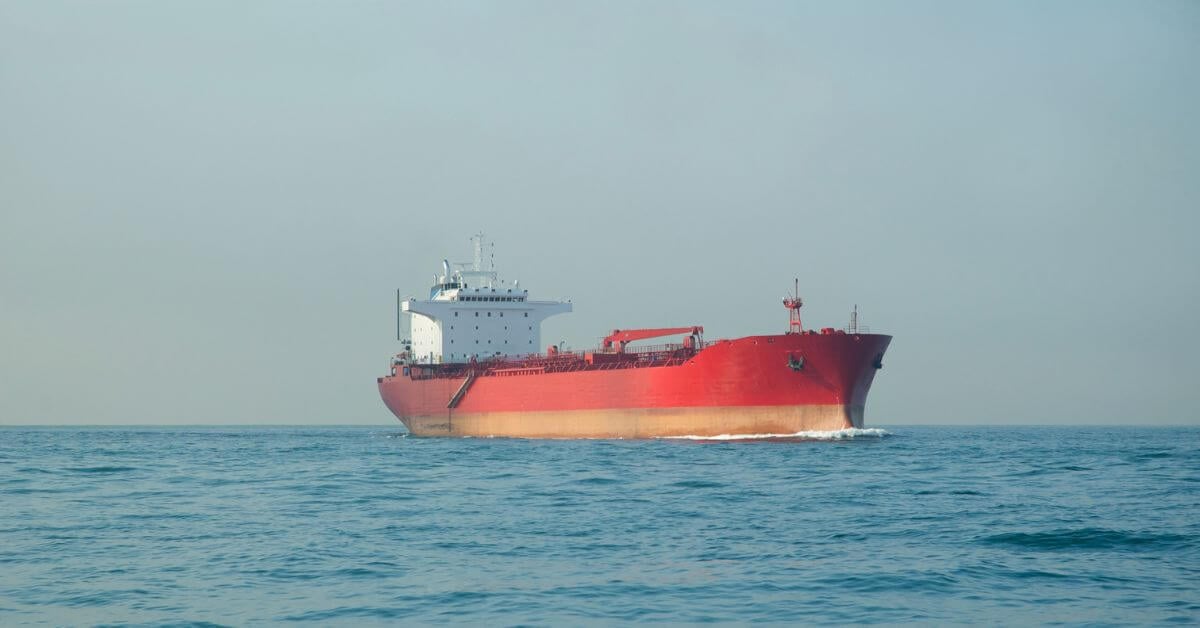
A Liberia-flagged LPG tanker carrying nine Indian seafarers was struck by a drone while sailing eastbound outside the Strait of Hormuz. The incident underscores how vulnerable commercial shipping remains in a waterway that carries a third of the world's liquefied gas. Precision matters here: every attack raises the cost of transit, and the ripple effects are measurable. For context on the region's mounting pressure, our related coverage in "Phased Negotiations Aim to Ease Restrictions on Strait of Hormuz" outlines the diplomatic stakes.
US Navy Responds to Iranian Attempt to Intercept Autonomous Saildrone.
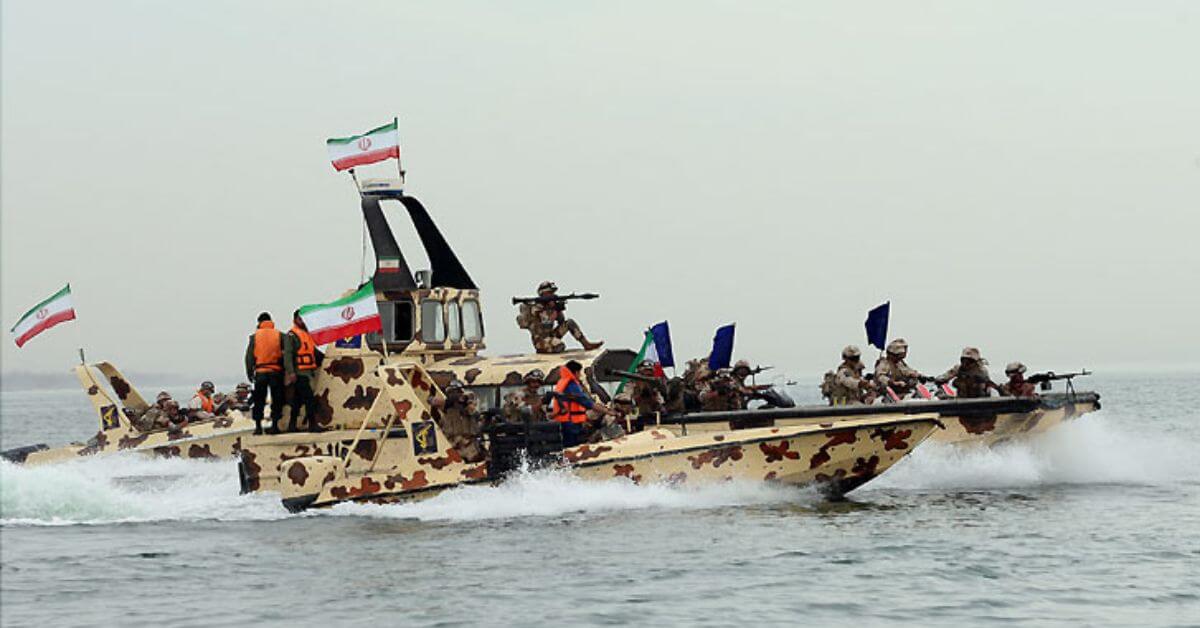
The US Navy's response to an Iranian attempt to intercept one of its autonomous Saildrone vessels underscores a quiet but firm escalation in maritime competition. At roughly 25 feet, this uncrewed craft operates alone, yet its presence clearly signals strategic intent. This is measured deterrence, not provocation. The Navy's growing reliance on such platforms aligns with its broader push to integrate robotic systems, a move that also echoes in the Indian Navy's fleet projections.
Disputed Incident: U.S. Challenges Iran's Account of Tanker Attack
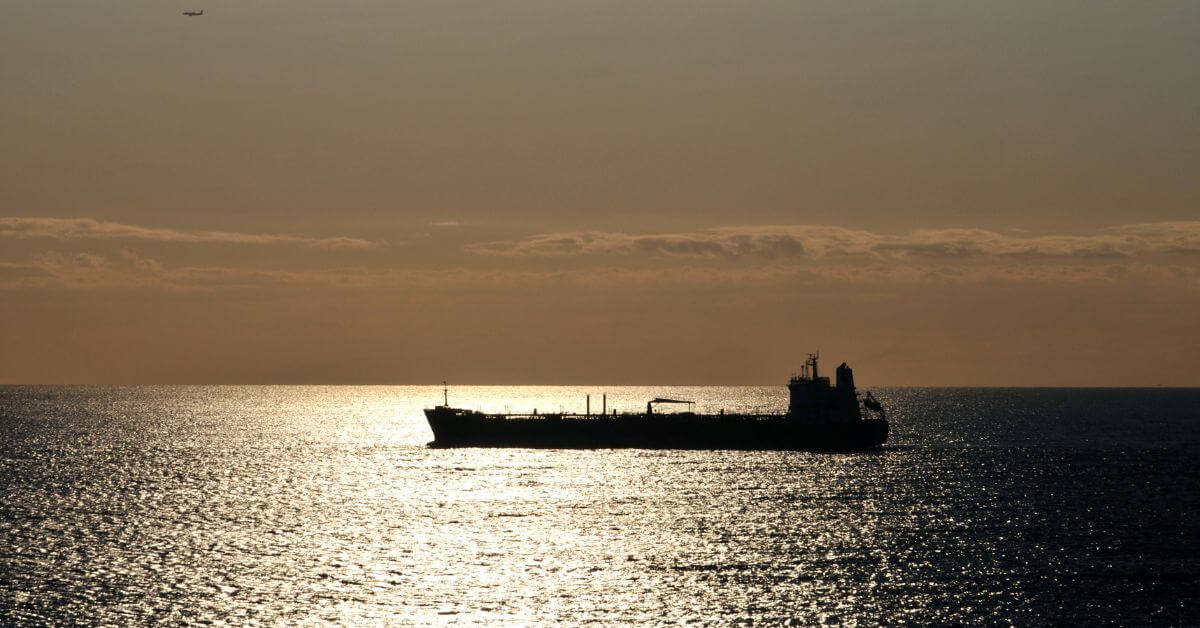
The United States has rejected Iran's account that the Panama-flagged oil tanker El Gaia struck a naval mine in the Strait of Hormuz, casting further doubt on a waterway already strained by diplomatic friction. Attribution matters here, and so does verification. Disputed incidents like this one do not clarify; they complicate. The stakes are measurable, and the margin for error is thin.
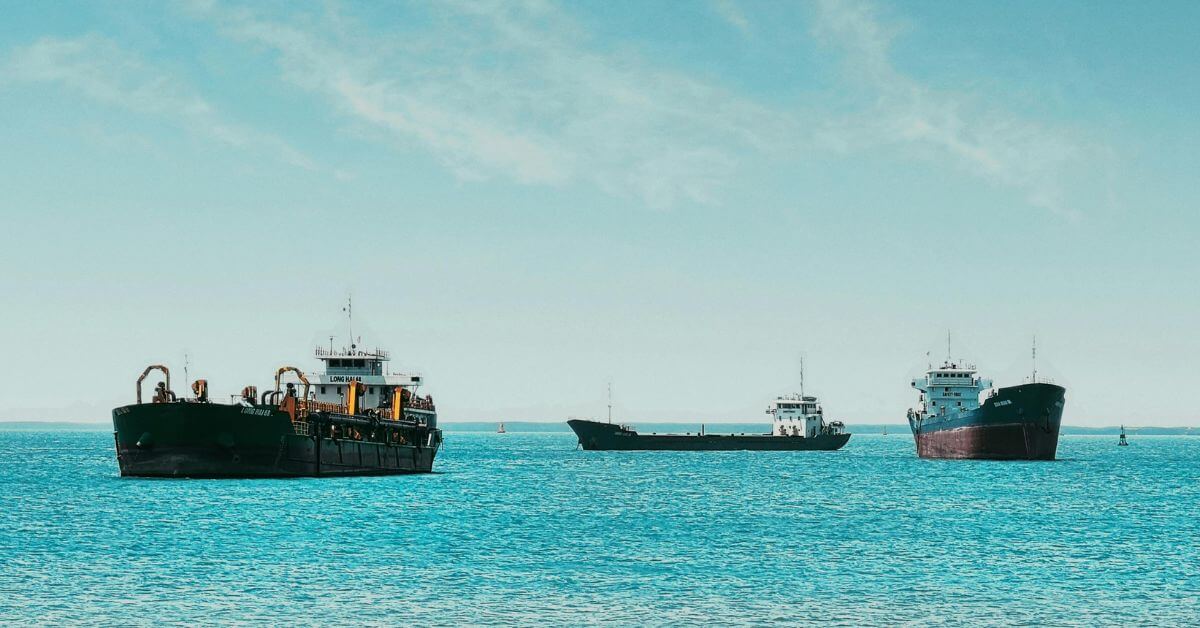
Shipping Lanes Under Scrutiny: Indian Crews Affected by Gulf Region Attacks
Three foreign-flagged vessels with Indian crew members were struck on September 8 and 9 as West Asia conflict escalates into shipping lanes. These attacks validate what we have long measured: maritime corridors are becoming direct targets. The crews are not combatants, they are professionals navigating volatile waters. Understanding drives protection, and this incident demands calibrated, empirical scrutiny. For deeper context on regional shipping pressures, our coverage of the Strait of Hormuz negotiations offers integrated analysis.
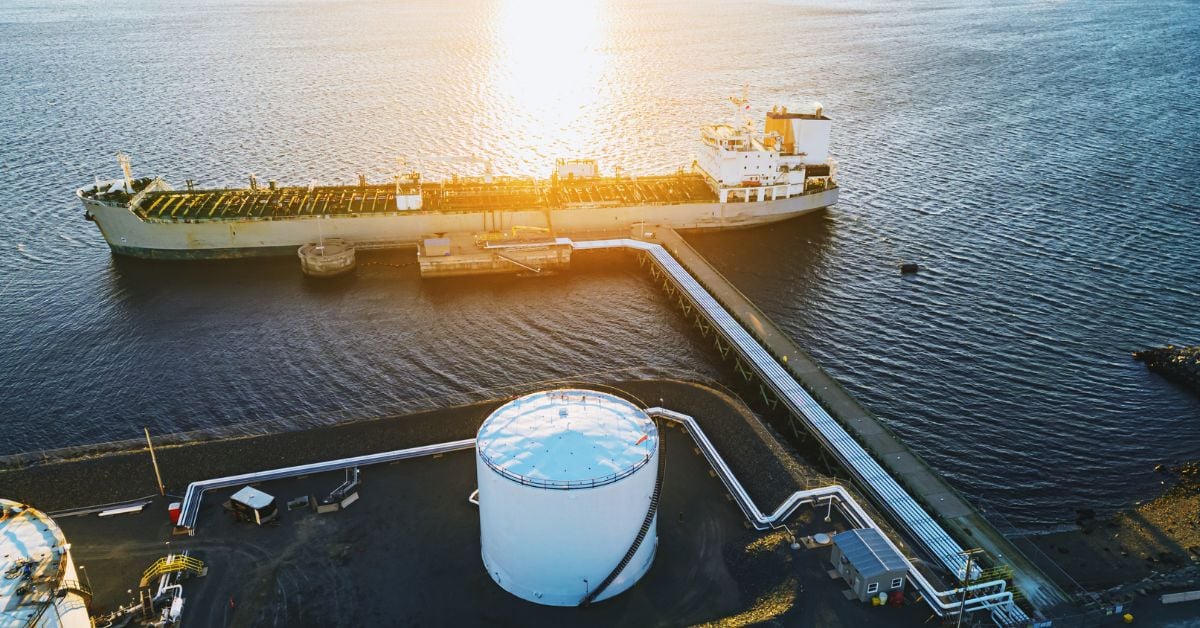
Escalating Tensions: Iran Issues Warnings to Tanker Crews in Persian Gulf
Iran's Islamic Revolutionary Guard Corps Navy has warned tanker crews near Kuwaiti and Bahraini ports to abandon their vessels. This escalation injects measurable risk into an already volatile Persian Gulf. Regional maritime stability is not a theoretical concern, it is a climate indicator of geopolitical friction. For deeper context on how such tensions intersect with energy routes, see our related coverage on "Phased Negotiations Aim to Ease Restrictions on Strait of Hormuz." Understanding these pressures is essential for calibrating both security and environmental responses.
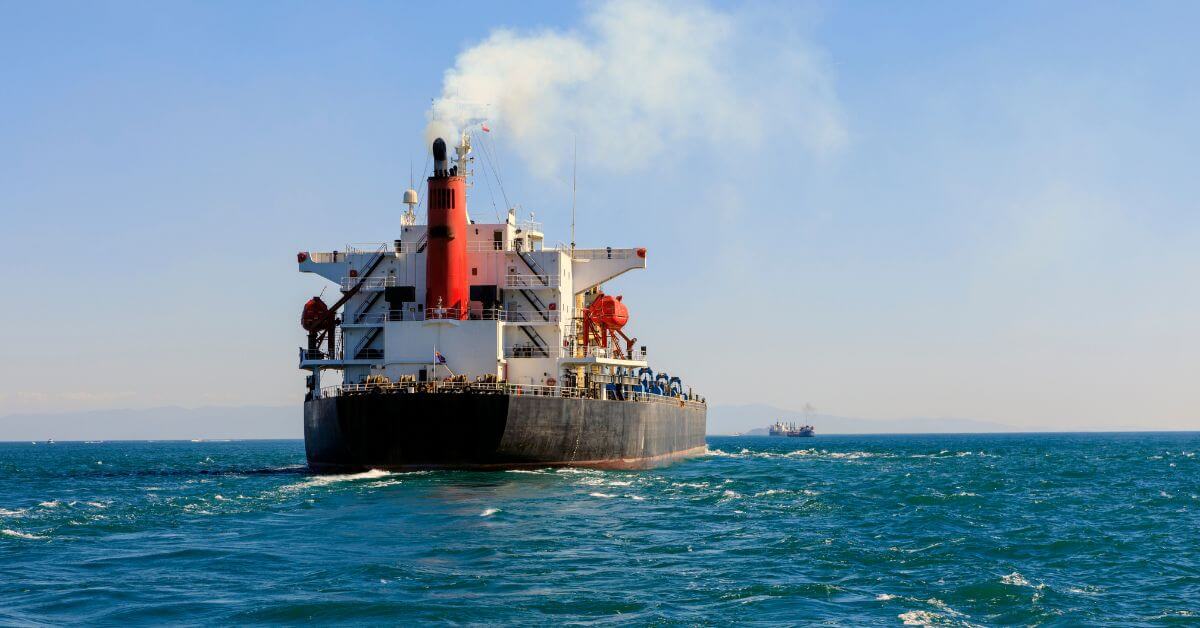
Freight Dispute Impacts Hunter’s Financial Performance, Reporting Significant Shortfalls
A six-month freight dispute has cost Hunter a measurable $19.59 million in just two months, $9.22 million in April and $10.37 million in May. These are not projected losses; they are validated shortfalls that reveal how prolonged commercial conflict directly undermines financial performance. When supply chains seize, the cost to operations becomes empirically clear. For deeper context on regional shipping pressures, see our related coverage of "Gulf of Oman STS Transfers Max Out Amid Rising Saudi Oil Exports."
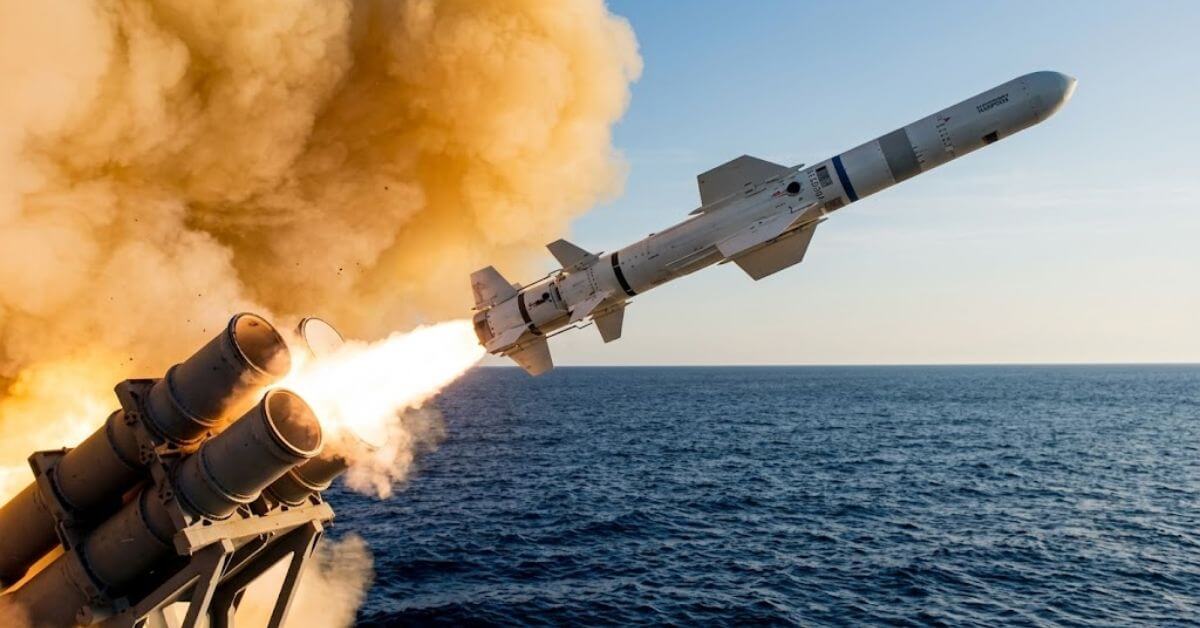
Escalation in Strait of Hormuz: Iran Tests Missile Near U.S. Navy.
Iran's IRGC announced a missile test near a U.S. aircraft carrier and destroyer in the Strait of Hormuz, a calibrated escalation that demands measured analysis. This is not alarmism; it is a real-time indicator of strategic friction in a waterway that carries a fifth of global oil. Such actions validate the urgency of integrated maritime monitoring. For deeper context on regional oil flows, see our related article on Gulf of Oman STS transfers operating at maximum capacity. Understanding drives protection.
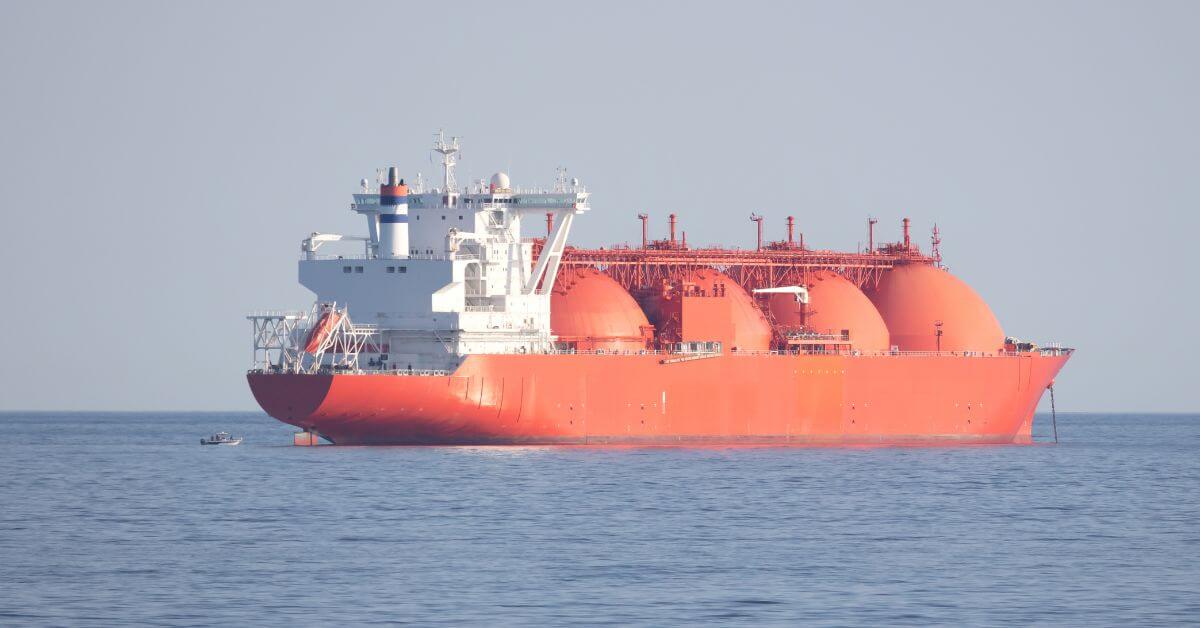
Qatar LNG Transits Strait of Hormuz, Marking a Shift in Flows
The Al Marrouna, a Qatari LNG carrier now transiting the Strait of Hormuz, signals a tangible recalibration of global energy flows. This is not just a vessel movement, it is a measured, empirical data point in a volatile corridor. We track these shifts because ocean intelligence demands precision, not alarm. For deeper context on regional capacity, see our analysis on Gulf of Oman STS transfers maxing out amid rising Saudi exports. Understanding drives protection.
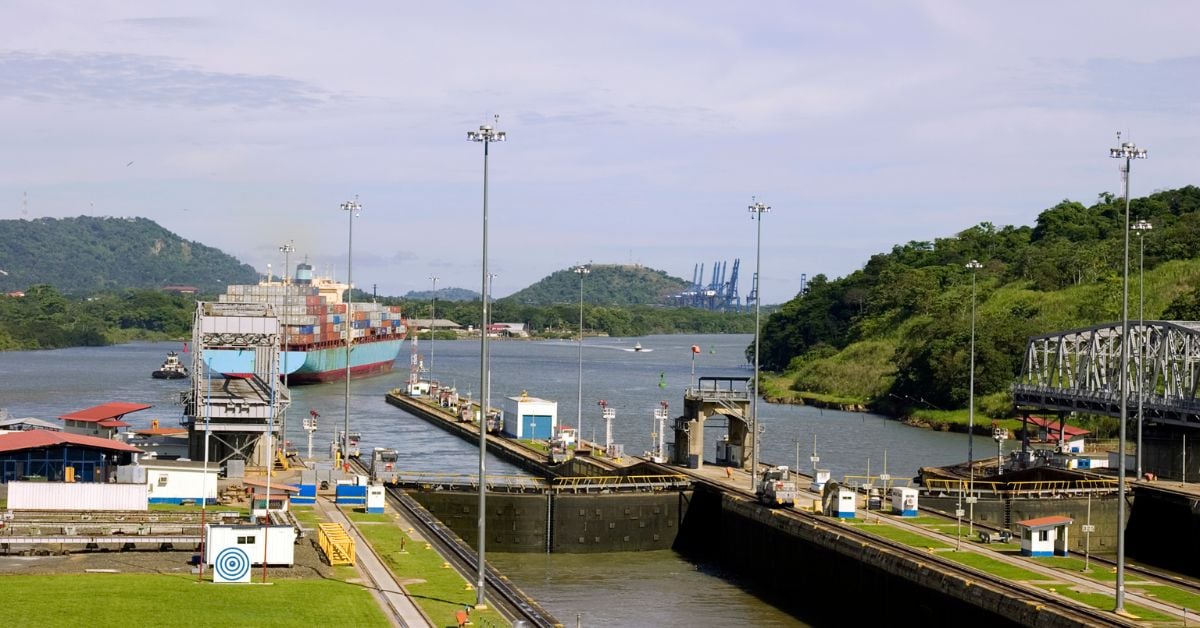
Reduced Canal Crossings: Climate Impacts Threaten Global Trade Flows
Reduced canal crossings now stand at just 29 per day. Drought and low rainfall are tightening the Panama Canal's capacity, a measurable strain on global trade flows that demands empirical attention. This is not an isolated pressure point. Our coverage of "Russia Calibrates Export Revenue for Northern Sea Route Icebreaker Fleet" shows how nations are already recalibrating infrastructure in response. Climate indicators are reshaping maritime logistics. Understanding these integrated disruptions is the first step toward protecting the systems we depend on.
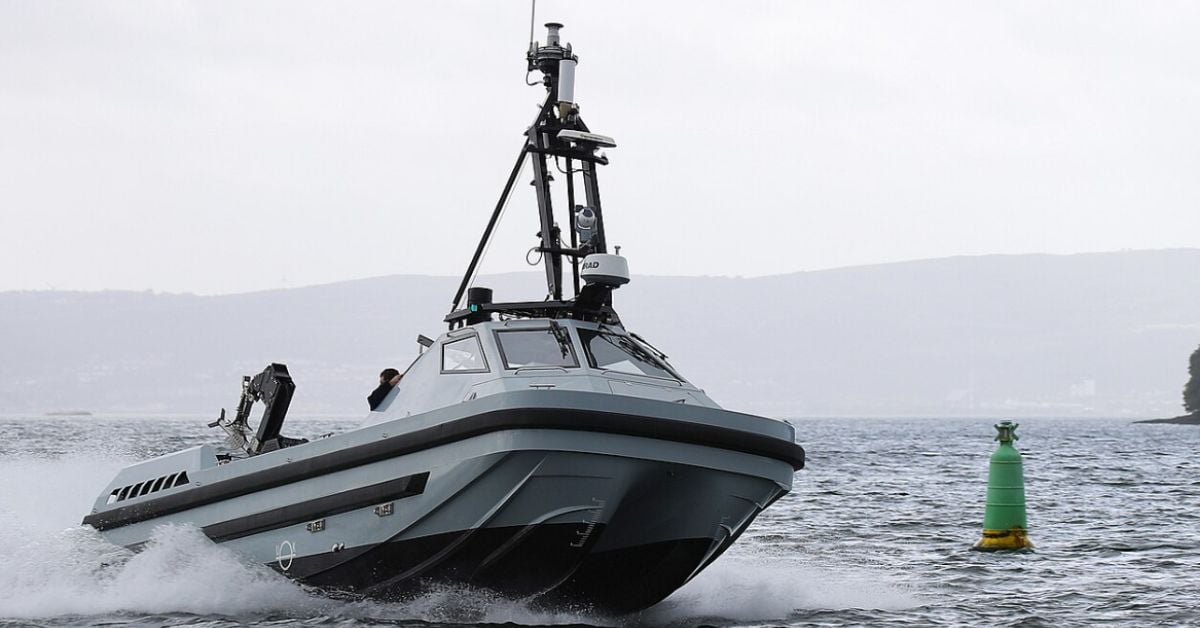
Disputed Incident: Iran Claims Attack on U.S. Unmanned Vessel in Hormuz.
Iran's claim that it attacked an unmanned U.S. vessel in the Strait of Hormuz marks another calculated escalation in a waterway already strained by maximum-capacity oil transfers. The move, framed as a response to a vessel entering a restricted area, underscores how quickly regional tensions can tip into direct confrontation. For a region where phased negotiations and multilateral pressure are already in play, this incident adds a volatile new variable.
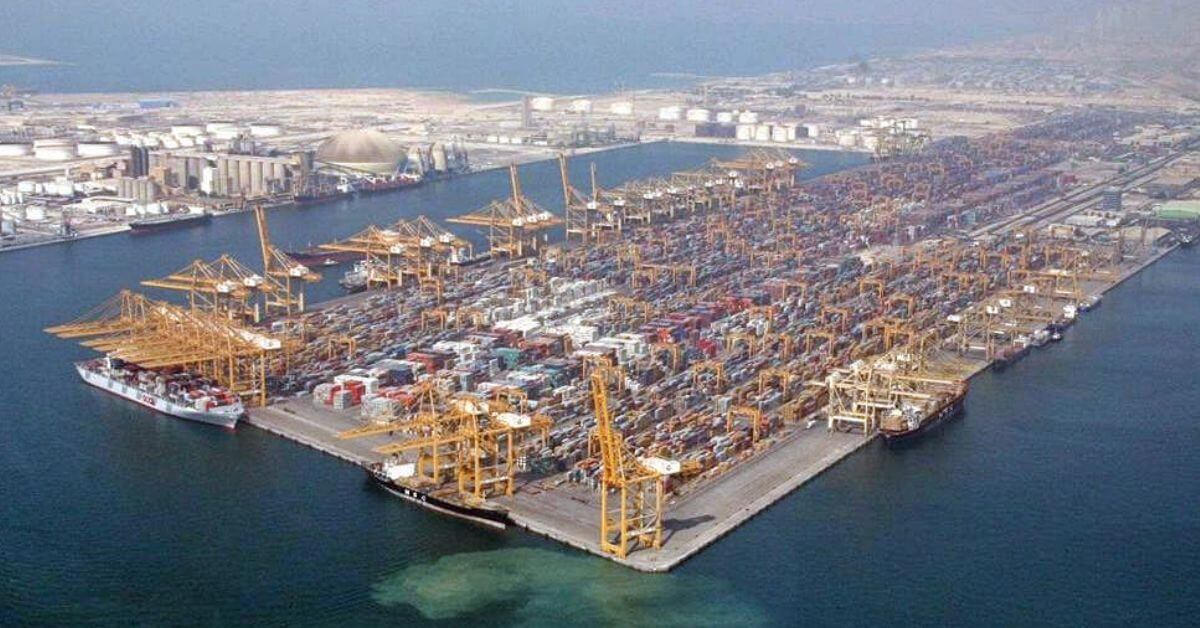
Disruptions Shrink Jebel Ali Port Ranking, Gulf Trade Impacted.
Jebel Ali's first-half throughput fell to 3.14 million TEU, a near 60 percent drop from 7.77 million a year earlier. That is not a small correction; it is a structural signal. Disruptions are reshaping Gulf trade hierarchies, and the port's diminished ranking carries weight far beyond its own berths. The pressure is compounded by regional chokepoints, and our coverage of Strait of Hormuz negotiations shows how fragile these lanes remain. Understanding these shifts is essential, because trade flows do not pause for uncertainty.
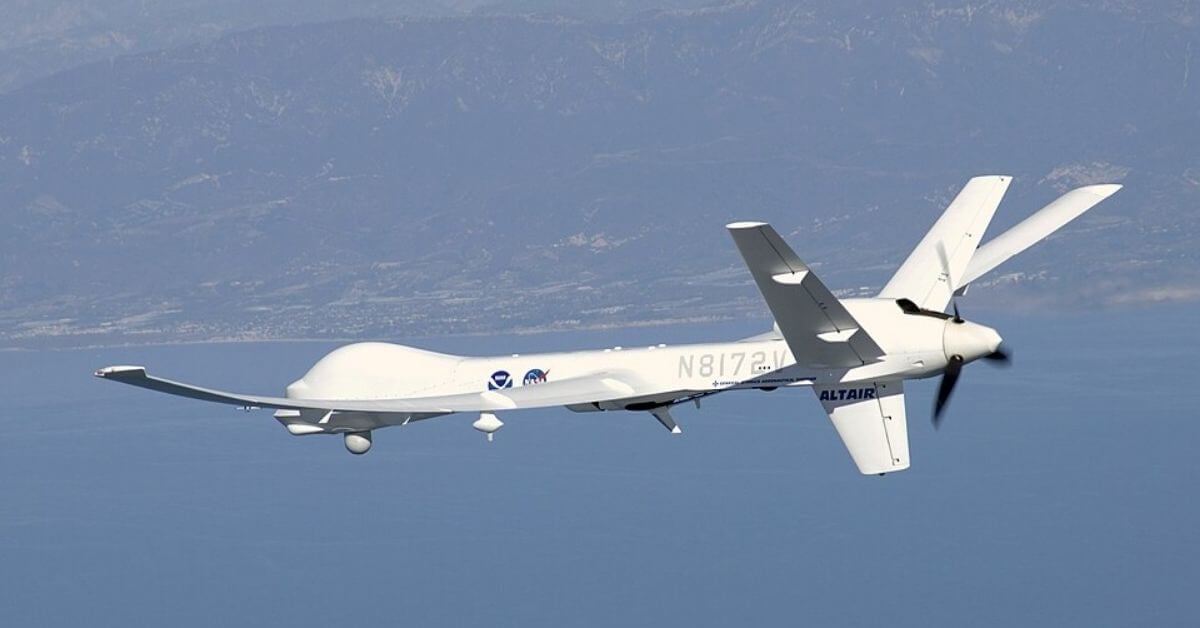
Escalation in Strait of Hormuz: Iran Intercepts US Drone.
Iran's interception of a US MQ-9 Reaper over the Strait of Hormuz sharpens a familiar tension: the world's most vital energy artery now doubles as a flashpoint for drone-versus-drone bravado. The Reaper, a medium-altitude workhorse from General Atomics, is built for persistence, yet here it met a check on that persistence. This is calibrated pressure, not chaos, and it demands measured reading. For broader maritime context, our related piece on Gulf of Oman STS transfers maxing out offers useful framing.
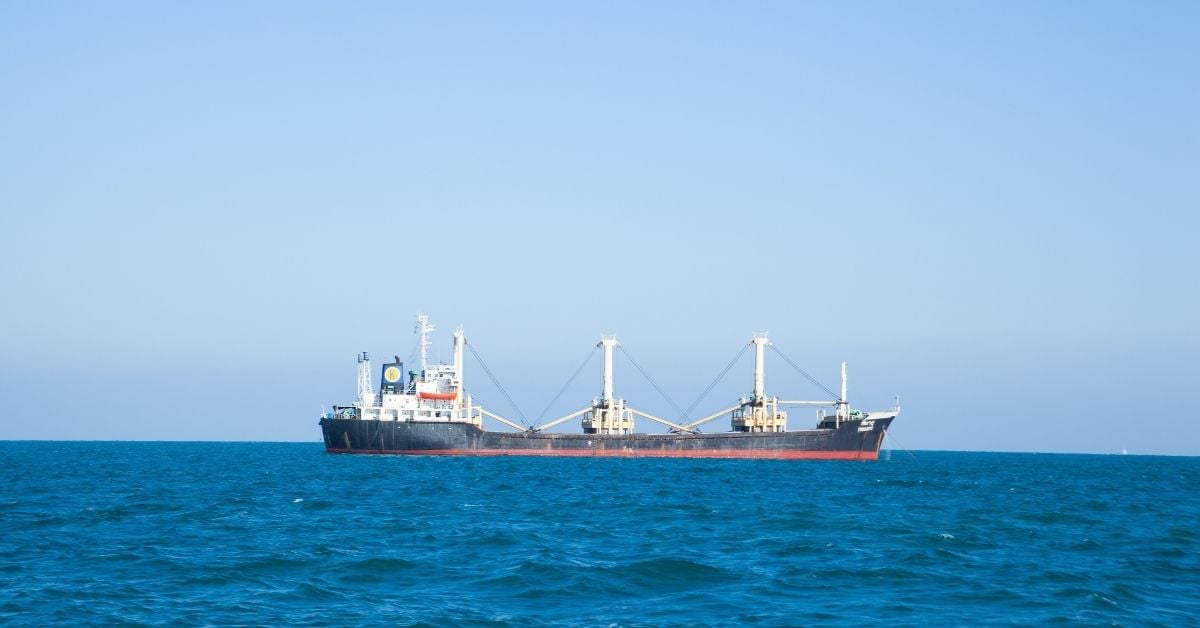
Joint Forces Intervene: Maritime Security Operation Frees Hijacked Vessel
The Turkish Navy and Somalia's Armed Forces concluded a decisive 10-day operation, neutralizing 14 pirates and freeing a hijacked vessel. This is what coordinated maritime security looks like when measured action meets clear objectives. The operation underscores a practical truth: effective ocean stewardship requires persistent, joint commitment, not just policy. For broader context on regional maritime pressures, our related coverage on Gulf of Oman STS transfers offers valuable perspective. This success signals a calibrated, reliable approach to protecting vital sea lanes.
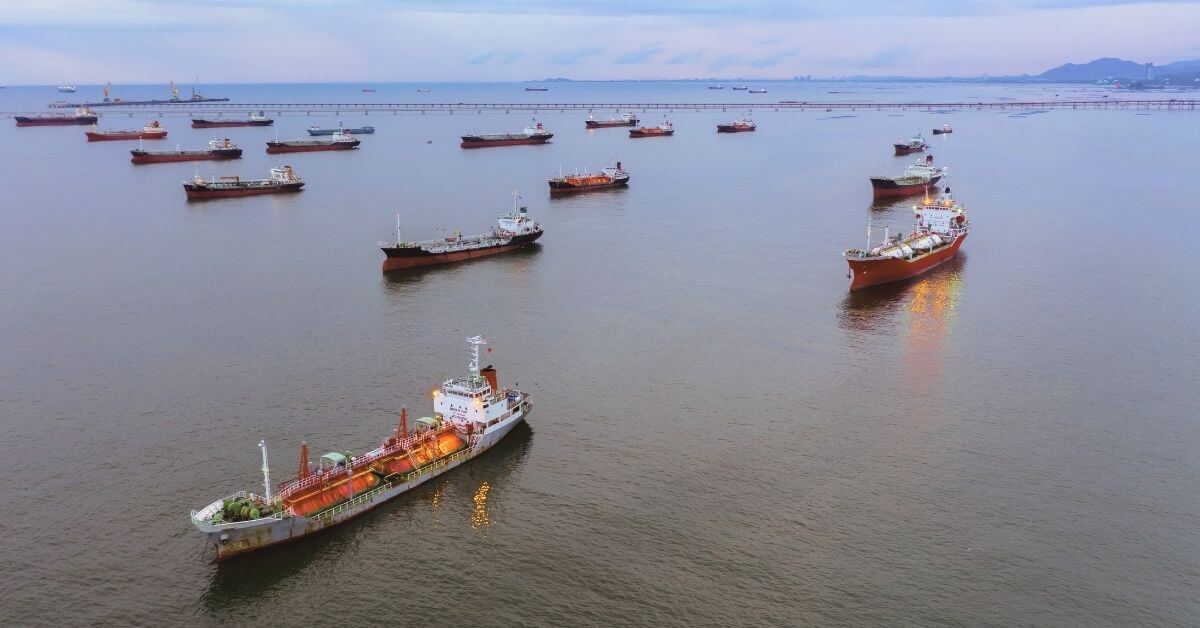
Strait of Hormuz Impasse: Uncertainty Impacts Thousands of Seafarers.
Since late February, the Strait of Hormuz has become a holding pattern for thousands of seafarers. The impasse leaves crews in limbo, their movements frozen by geopolitical friction that shows no sign of easing. It is a precarious position for the people who keep global energy moving. For context on how regional dynamics are straining maritime operations, our coverage of the Gulf of Oman STS transfers offers a related look at the pressure points.

Strait of Hormuz Transit Costs Soar, Impacting Global Energy Flows.
The Strait of Hormuz carried roughly a fifth of global oil flows before the Iran war, and now transit costs are soaring. That shift does not just redraw shipping economics; it tightens the margins on every barrel and LNG cargo moving through a chokepoint the world still depends on. The pressure is measurable, and the implications for energy security are immediate. For deeper context on how nearby routes are adapting, our piece on Gulf of Oman STS transfers is worth reading.

Iran Escalates Strait of Hormuz Control with Shipping Restrictions.
Iran's new Strait of Hormuz authority moved late Sunday to impose shipping restrictions, a warning issued directly via social media. The move tightens control over a waterway that carries roughly a fifth of global oil supply. It is a calculated escalation, one that raises the stakes for every nation dependent on that passage. Coordination matters here; our related coverage on Gulf of Oman STS transfers maxing out underscores how strained regional logistics have already become. The pressure is measurable, and it is mounting.

Iran Implements Transit Fees for Ships Through Strait of Hormuz
Iran's decision to impose transit fees on ships passing through the Strait of Hormuz introduces a calibrated layer of accountability to one of the world's most vital maritime corridors. Covering navigation, environmental support, fuel supply under specific conditions, and insurance, the measure frames safety as a service with measurable value. It is a pragmatic step, though one that warrants close observation. For broader context on regional shipping pressures, our related coverage of Gulf of Oman STS transfers offers useful perspective.

Iran Enforces Transit Rules in Strait of Hormuz, Threatens Fines and Detentions
Iran's Ports and Maritime Organization now threatens fines and detentions for ships bypassing transit rules in the Strait of Hormuz, extending scrutiny to vessels linked with those already on its Non-Compliant Vessels list. The move tightens a choke point already strained by regional oil flows. Enforcement here is measured, but the message is clear: compliance is not optional. For broader context, our related piece on Gulf of Oman STS transfers shows how pressure is building across nearby shipping lanes.

Naval Shift: George Washington Arrives as Lincoln Deployment Concludes
The turnover of crews is a constant in naval operations, but the conclusion of the *Lincoln*'s deployment carries a weight that extends beyond routine rotation. It lands as families raise valid questions about life aboard, and those concerns merit more than standard assurances. The arrival of the *George Washington* provides operational continuity, yet it also signals a moment to listen. For deeper context on how the Navy is modernizing its approach, our piece on autonomous systems integration offers a relevant perspective.