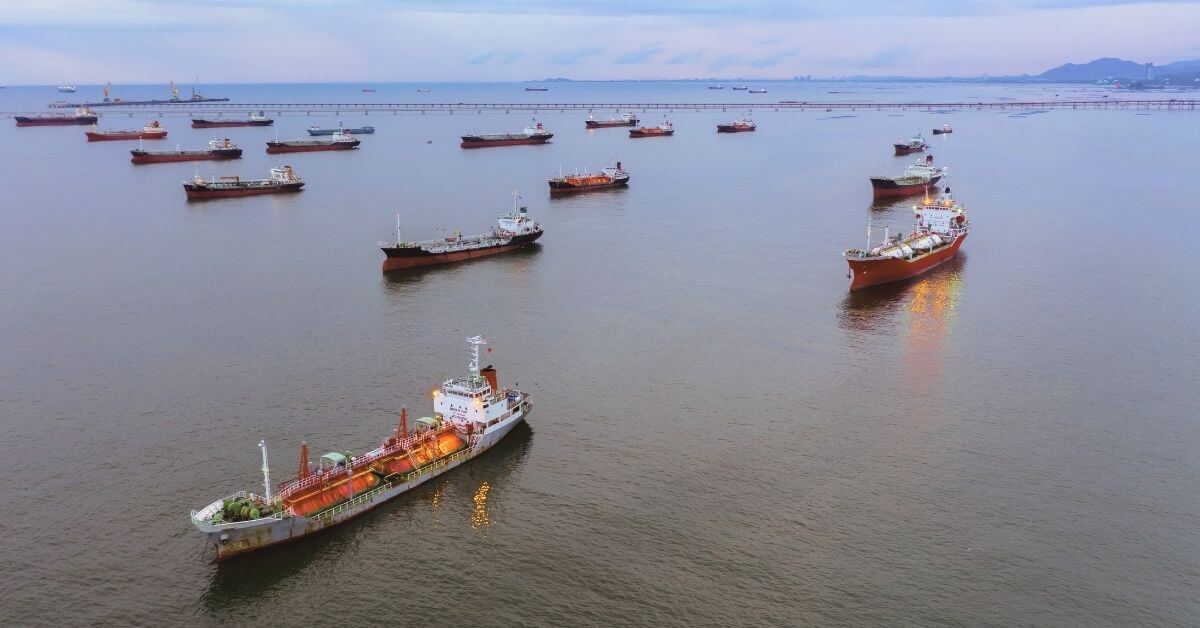
Six months is a long time to be anchored in uncertainty. Since late February, the Strait of Hormuz has become a holding pattern for thousands of seafarers and roughly 400 ships, caught not by weather but by geopolitical impasse. While headlines focus on tonnage and transit fees, the human cost sits quietly at anchor. This is not a story about a single dramatic rescue or a headline-grabbing hijack; it is a slow-motion logistics crisis with real people aboard, and it demands more than patience. It demands a clear-eyed assessment of what we are willing to accept as normal.
Our take is straightforward: this is what a failure of integrated data ecosystems looks like in real time. The ability to track, reroute, and de-risk commercial shipping exists. The Gulf of Oman STS Transfers Max Out Amid Rising Saudi Oil Exports shows that the industry can adapt, shifting cargo flows and maximizing capacity when pressure builds. But adaptation is not the same as resolution. Meanwhile, incidents like the Puntland Forces Intercept Hijacked, US-Sanctioned Oil Tanker After 48 Hours remind us that when naval patrols are stretched and commercial routes tighten, secondary risks emerge in unexpected places. The seafarers in the Strait are not just waiting; they are the ones absorbing risk that no single flag state, insurer, or charterer will fully own. That is a structural vulnerability, not an act of God.
For our readers, the practical implications are immediate. If you are a crewing manager, a charterer, or a port state authority, this is the moment to ask what your contingency plans actually cover. The data on vessel positions, crew rotations, and supply chain delays is available in real time. The question is whether anyone is acting on it with the same urgency as a India Projects Expanded Naval Fleet to Navigate Evolving Maritime Landscape suggests is coming. That expansion is a long-term answer, but seafarers need a short-term one. Rotation backlogs, mental health strain, and contractual overruns are not abstract metrics; they are measurable human costs that will surface in retention data and incident reports long after the strait reopens.
The concrete point to watch is the crew change bottleneck. If the impasse persists into the autumn, we will see a compounding effect: fatigue-related errors, medical emergencies, and a quiet exodus of experienced officers who decide shore-based jobs are safer. The industry talks about resilience; this is where it gets tested. We would tell any reader asking for guidance to stop treating this as a geopolitical sidebar and start treating it as a crew welfare emergency with commercial consequences. Watch the next round of port state control inspections and the number of seafarer welfare complaints filed. That data will tell you more than any statement from a shipping association. The ocean is a reliable teacher, but only if we are willing to read the instruments.