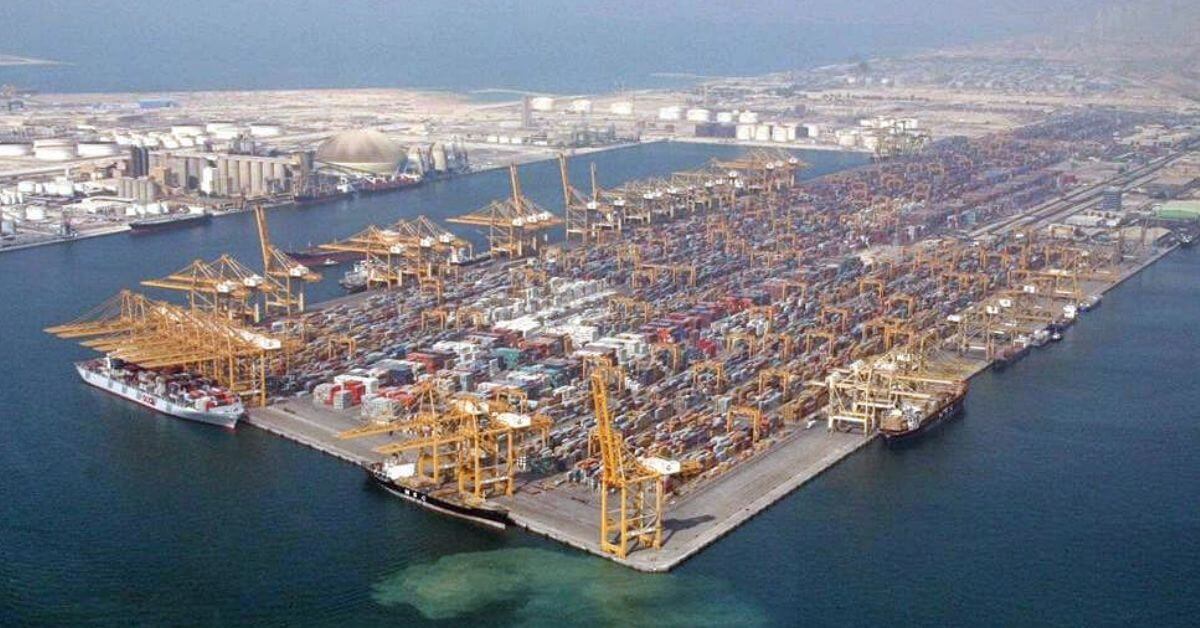
Jebel Ali Port handled 3.14 million TEU in the first half of 2026, down from 7.77 million TEU a year earlier, a fall of almost 60 percent. That is not a blip. It is a structural rupture, and the global trade system is now absorbing the shock. The Strait of Hormuz disruption is the obvious culprit, but the data tells a deeper story about fragility in maritime chokepoints. We have watched the Gulf of Oman ship-to-ship transfers max out amid rising Saudi oil exports, and we have covered the phased negotiations aimed at easing restrictions on the Strait of Hormuz. These are not separate headlines. They are symptoms of a system under stress. For our readers, researchers, policymakers, logistics strategists, the question is no longer whether these disruptions matter. It is how we measure their cumulative weight.
The numbers from Jebel Ali are empirical and brutal. A port that ranked among the world's top ten just a few years ago has fallen out of the global top thirty. That is not a ranking shift; it is a corridor collapse. The 60 percent drop in throughput signals that rerouting through the Gulf of Oman has hit its ceiling, and that the Strait of Hormuz negotiations, however promising, have not yet restored flow. What we see is a cascading failure: one bottleneck forces traffic into another, and that second bottleneck maxes out. The Phased Negotiations Aim to Ease Restrictions on Strait of Hormuz offer a diplomatic path, but talks do not move containers. The Gulf of Oman STS Transfers Max Out Amid Rising Saudi Oil Exports show that even creative workarounds have physical limits. Jebel Ali's decline is the measurable consequence of those limits.
Our take is straightforward: the ocean intelligence we rely on must evolve from tracking volumes to tracking vulnerability. A 60 percent drop in throughput at a single port is a climate indicator for the global economy, not a temperature reading, but a pressure gauge. It tells us that the system's redundancy is gone. When the Strait of Hormuz closes, and the Gulf of Oman transfer zones max out, there is no third option waiting in the wings. The integrated data ecosystem that ports, insurers, and governments depend on needs to include real-time chokepoint modeling, not just historical throughput. We would tell a reader who asks: watch the next six months of Hormuz negotiations, but also watch whether alternative routes like Paradip Port in India, recently designated a mega port, can absorb redirected traffic. Paradip Port Designated a Mega Port, Anchors Eastern India's Maritime Growth suggests that India is preparing for a long-term shift eastward. That is a measurable bet on resilience.
The specific takeaway to quote: Jebel Ali's 60 percent TEU decline is not a one-off disruption, it is a calibrated signal that the Gulf's maritime infrastructure is operating at its empirical limit, and that no single negotiation or workaround will restore the old throughput. The concrete question to watch is whether the Hormuz talks produce phased access before the Gulf of Oman transfer zone becomes a permanent bottleneck, or whether ports like Paradip become the new normal for traffic that once flowed through Dubai.