Vitol, the world’s largest oil trading company, has secured a significant volume—estimated at 25 to 30 million barrels—of discounted Iraqi crude this month, capitalizing on current price discrepancies.
·5 min read·Marine Insight
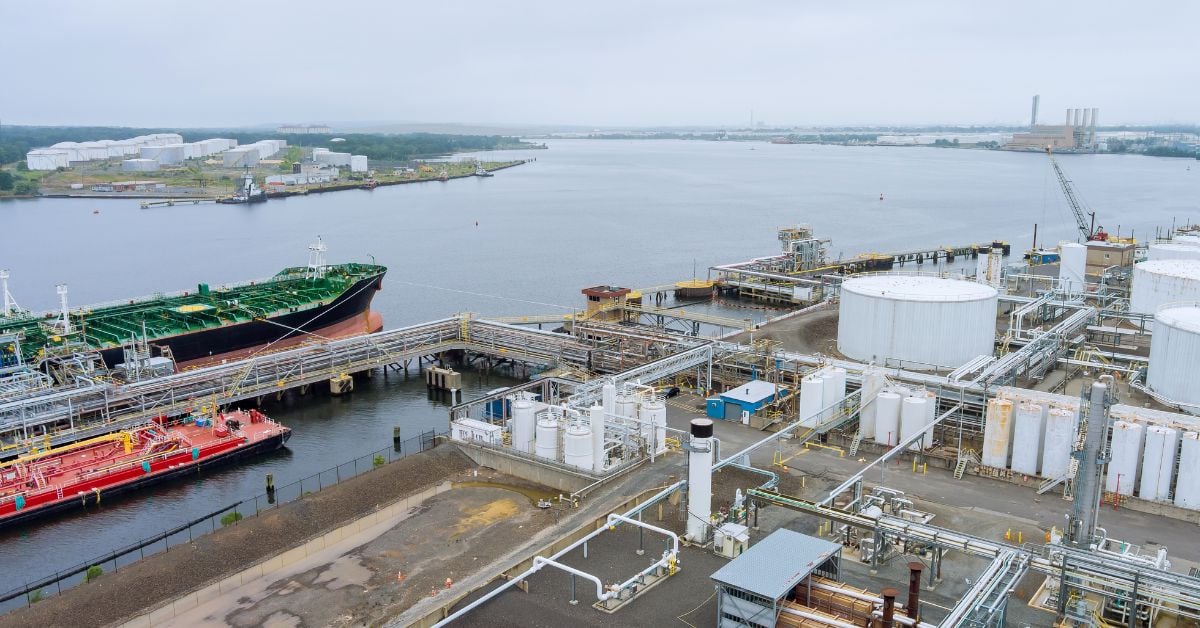
Image for representation purposes only
The largest oil trading company in the world, Vitol, has reportedly purchased 25 to 30 million barrels of discounted Iraqi crude oil this month. The figure was given by an Iraqi official who requested not to be named.
The deal shows how the U.S-Iran war has redirected the maritime oil trade in West Asia, enabling companies with a fleet of vessels and trading networks to acquire the stuck Iraqi crude exports as Baghdad is struggling to ship out its oil through the Strait of Hormuz.
Iraq’s location at the top of the Persian Gulf and its lack of a shipping fleet have made matters difficult. Baghdad used to export oil via the Strait of Hormuz, which has been closed by Iran to shipping operations due to its ongoing war with the U.S.
In a bid to sell its oil, Iraq has been forced to reduce prices and shipping companies with access to tankers are taking the risk of purchasing and delivering the oil.
Vitol has become the second biggest purchaser of Iraqi crude after ADNOC in the United Arab Emirates, which recently bought 40 million barrels this month, after receiving 32 million barrels in August.
Iraq shipped 2.3 million barrels of oil each day from its ports in the south, and exports have now risen to 2.6 million bpd this month.
Last month, Iran allowed several tankers carrying Iraqi crude to cross the Strait of Hormuz after Iraq repeatedly made requests through several channels.
Iraq’s discounts have attracted buyers who are willing to risk the journey through Hormuz, where ships have become a target of Iranian attack.
Many Iraqi companies were selling crude for $15 to $20.80 per barrel, depending on the destination, with some cargo being sold for even less.