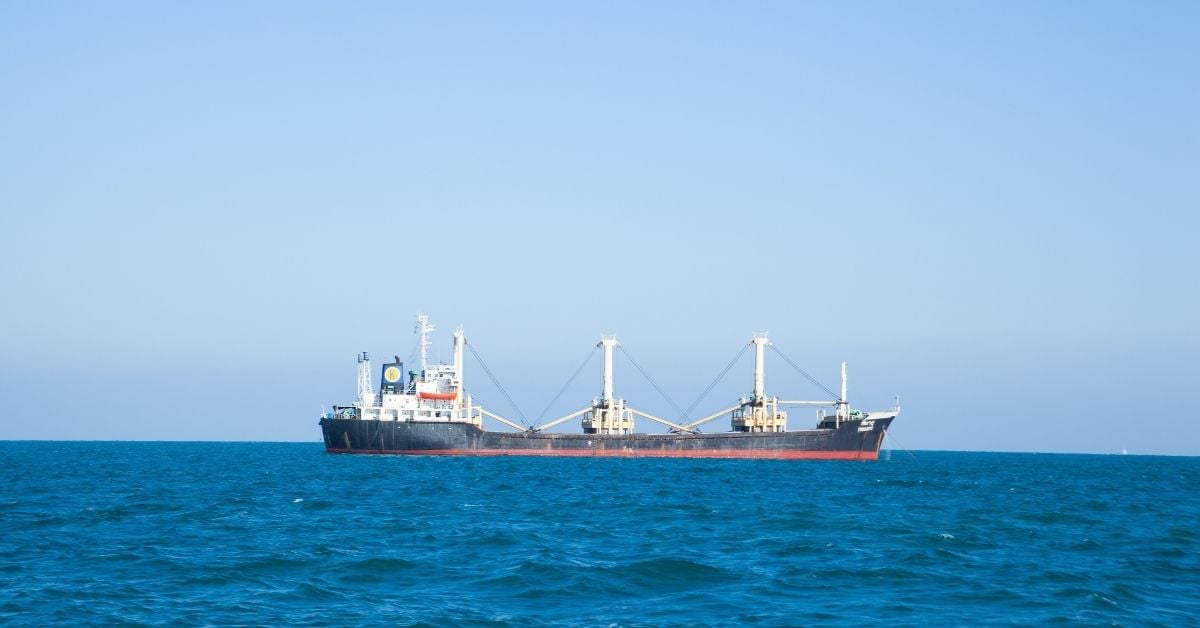
The rescue of the MV LUTUF, a hijacked vessel freed by Turkish Navy and Somali Armed Forces after a ten-day operation that left 14 pirates dead, is not just a tactical win. It is a validation of a principle we have long championed: security on the water is a prerequisite for the data we depend on. When a vessel is seized, the flow of information, the integrity of its sensors, and the reliability of its reported position all become suspect. This operation restores order, but it also raises a quieter, more persistent question about what was compromised before the first armed response.
For our readers, this is a reminder that maritime security and ocean intelligence are two sides of the same coin. A hijacked ship is not merely a cargo loss; it is a break in the integrated data ecosystem that tracks global trade, climate indicators, and regional stability. The recent Puntland Forces Intercept Hijacked, US-Sanctioned Oil Tanker After 48 Hours was a faster resolution, but this longer, deadlier engagement shows that not all interventions follow the same timeline or require the same level of force. Meanwhile, the pressure on chokepoints like the Strait of Hormuz, as covered in Phased Negotiations Aim to Ease Restrictions on Strait of Hormuz, demonstrates that the threat picture is not isolated to one region or one type of vessel. It is a systemic stress test on the rules that keep the ocean legible.
Our take is straightforward: this is what calibrated, multilateral action looks like. The Turkish Navy and Somali forces did not rely on alarmist rhetoric or disproportionate force; they executed a measured, ten-day operation that prioritized precision over spectacle. That is the same discipline we ask of the data we use. We would tell a reader who asked about this that the takeaway is not the body count, but the operational tempo. A 10-day window suggests planning, patience, and a refusal to be rushed into a suboptimal solution. That is the same standard we should apply to ship-to-ship transfers, sanctions enforcement, and the broader question of who polices the ocean's transit lanes.
The concrete point to watch is the aftermath. Hijackings leave digital and physical residue. Will the authorities involved publish the vessel's AIS gaps, the cargo manifest, or the crew's debriefs? For researchers and analysts, that is where the real value lies. If the operation restores physical security but the resulting data is sealed, we have won a battle and lost the thread. We would advise our readers to track the post-incident reports, not the headlines. The next hijacking will not be prevented by firepower alone; it will be prevented by the intelligence we choose to share. The question now is whether this joint force will lead with that same collaborative discipline in how it handles the information, not just the vessel.