oil tanker
World Data Ocean keeps oil tanker in one place: 36 stories so far. The section currently leads with “Drone damage and severe weather ground two vessels near Istanbul”, “Black Sea Tanker Fire Prompts Investigation After Romanian Drone Reports”, and “Drone strike targets Panama-flagged tanker with 22 Indian crew at Sharjah anchorage”. Two commercial vessels have grounded near Istanbul, one after drone damage and another following severe weather. A chemical tanker anchored off Romania's coast is now the subject of an investigation after a fire broke out aboard the Yara J, 8-10 nautical miles southeast of the Sulina Canal. A Global Hub for Ocean Intelligence 4 World Data Ocean is a centralized digital platform where researchers, scientists, and ocean enthusiasts converge to… The list below is every oil tanker story on World Data Ocean, newest first.
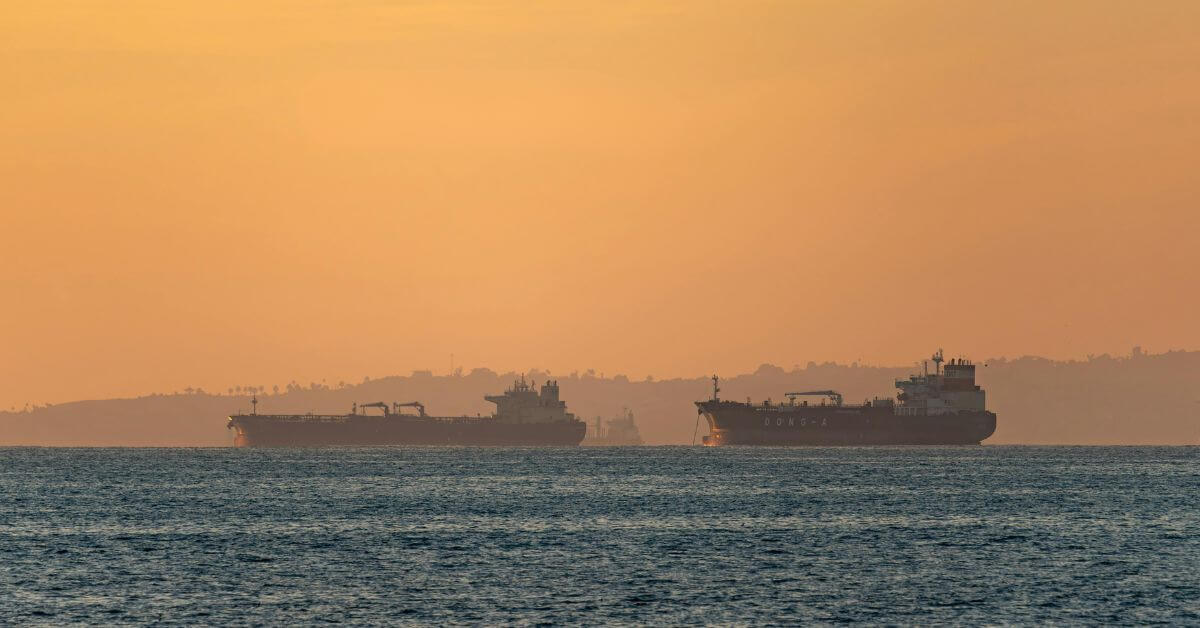
Drone damage and severe weather ground two vessels near Istanbul
Two commercial vessels have grounded near Istanbul, one after drone damage and another following severe weather. These incidents follow multiple reported drone attacks on commercial shipping in the Black Sea throughout October. The convergence of conflict-driven threats and natural hazards in a single maritime corridor is a measurable risk that demands integrated monitoring. For deeper context on regional drone escalation, see our coverage of the Black Sea tanker attacks off Romania.
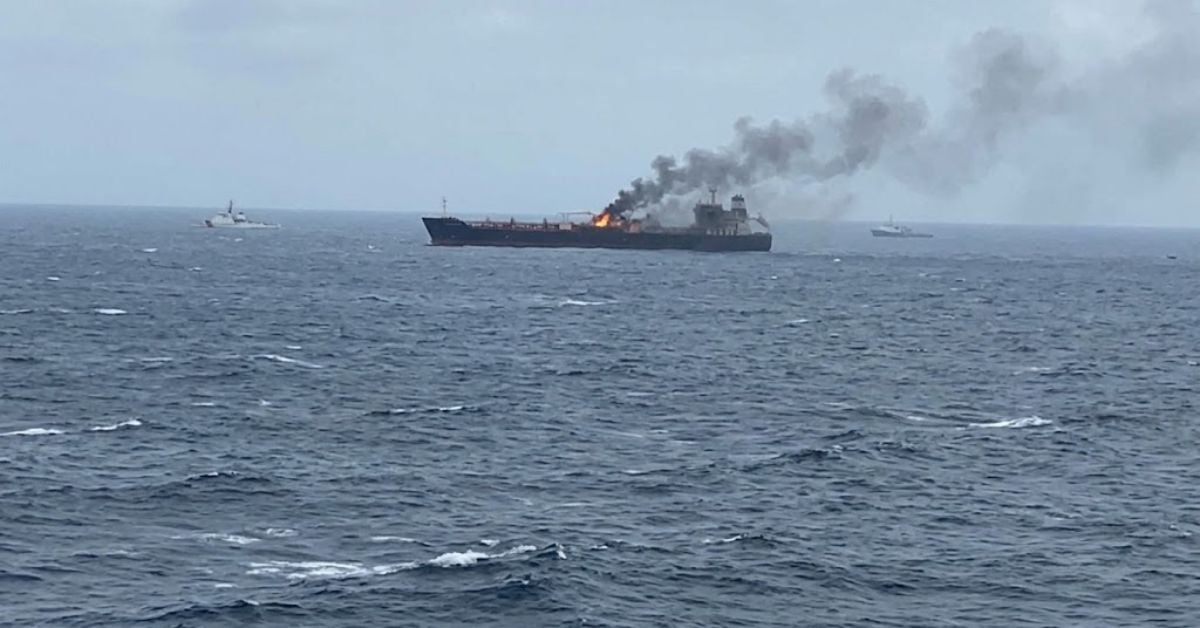
Black Sea Tanker Fire Prompts Investigation After Romanian Drone Reports
A chemical tanker anchored off Romania's coast is now the subject of an investigation after a fire broke out aboard the Yara J, 8-10 nautical miles southeast of the Sulina Canal. The Black Sea remains a theater of compounding threats, where environmental risk from aging vessels meets geopolitical instability. For readers tracking these converging maritime crises, our coverage of the *Three-drone strike sinks Maltese-flagged vessel near Bulgarian coast* documents an equally sobering intersection of commerce and conflict.
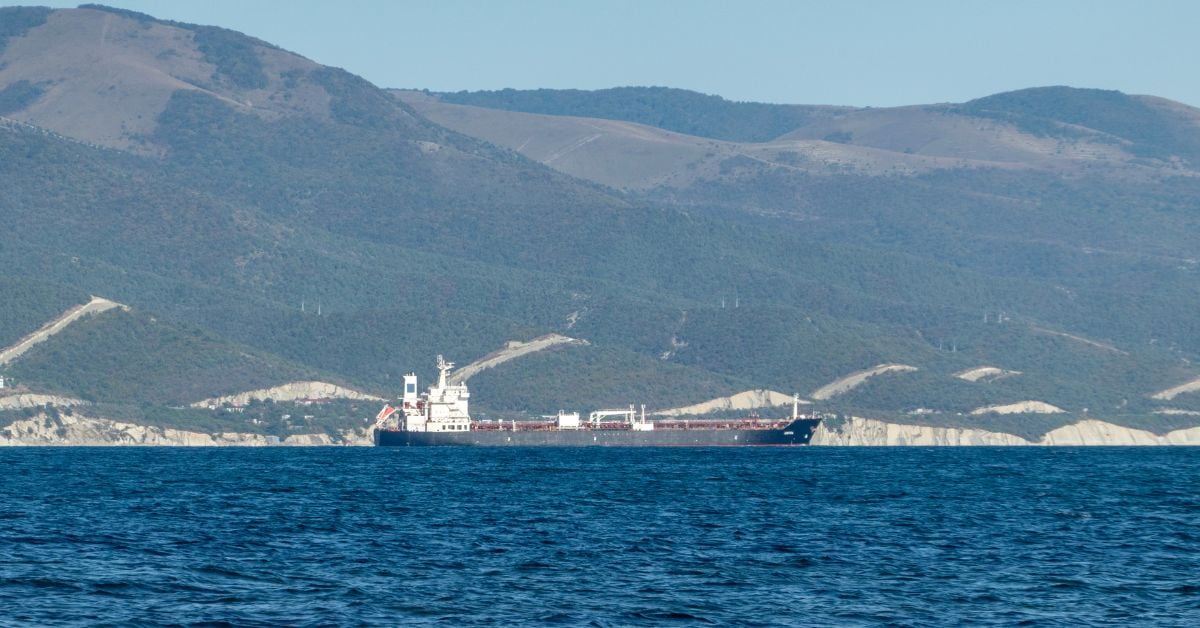
Drone strike targets Panama-flagged tanker with 22 Indian crew at Sharjah anchorage
A Panama-flagged crude oil tanker with 22 Indian crew members was struck by a drone at the Sharjah Anchorage. This incident underscores a troubling pattern: commercial vessels increasingly find themselves in harm's way. Our coverage of the abandoned cargo ship drifting through the Black Sea after a Russian drone strike reinforces that no maritime region is insulated from these threats. Measurable stability at sea remains a climate and food security indicator we cannot afford to ignore.
Weekly tanker strikes near Strait of Hormuz reach highest count in years
Twelve attacks on oil, LNG, and LPG tankers near the Strait of Hormuz in a single week mark the highest count in years, a measurable escalation in maritime risk. These are not isolated incidents; they are part of a broader pattern of aggression that demands empirical attention. For deeper context on the region's reliability, see our related coverage on verified transit data that counters Iranian claims of closure. Understanding these attacks requires calibrated, real-time intelligence, not alarm.
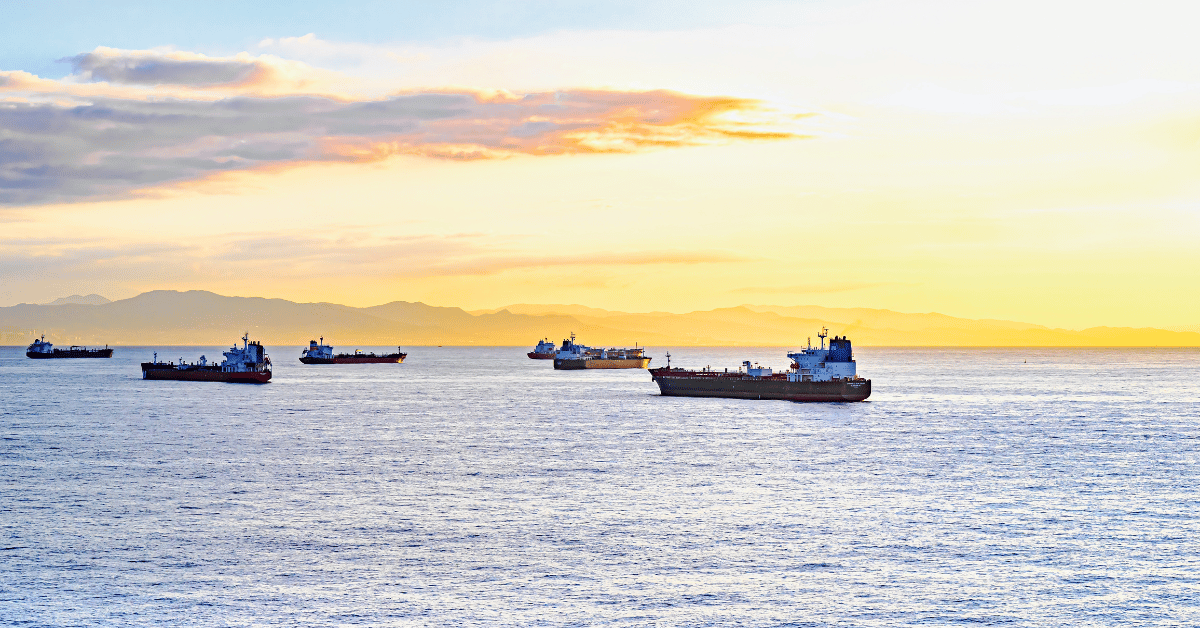
Black Sea Maritime Attacks Injure Two Indian Seafarers, Urge Immediate Action
Two Indian seafarers were injured in separate attacks on commercial vessels in the Black Sea, prompting India's Ministry of External Affairs to demand an immediate halt to hostilities. The MEA flagged a sharp escalation: four ships came under fire within 48 hours, a pattern that threatens the crew, cargo, and the region's fragile maritime order. This is not abstract geopolitics; it is measured, real-world harm. For deeper context on regional response, see our related piece on India's proposed maritime truce.
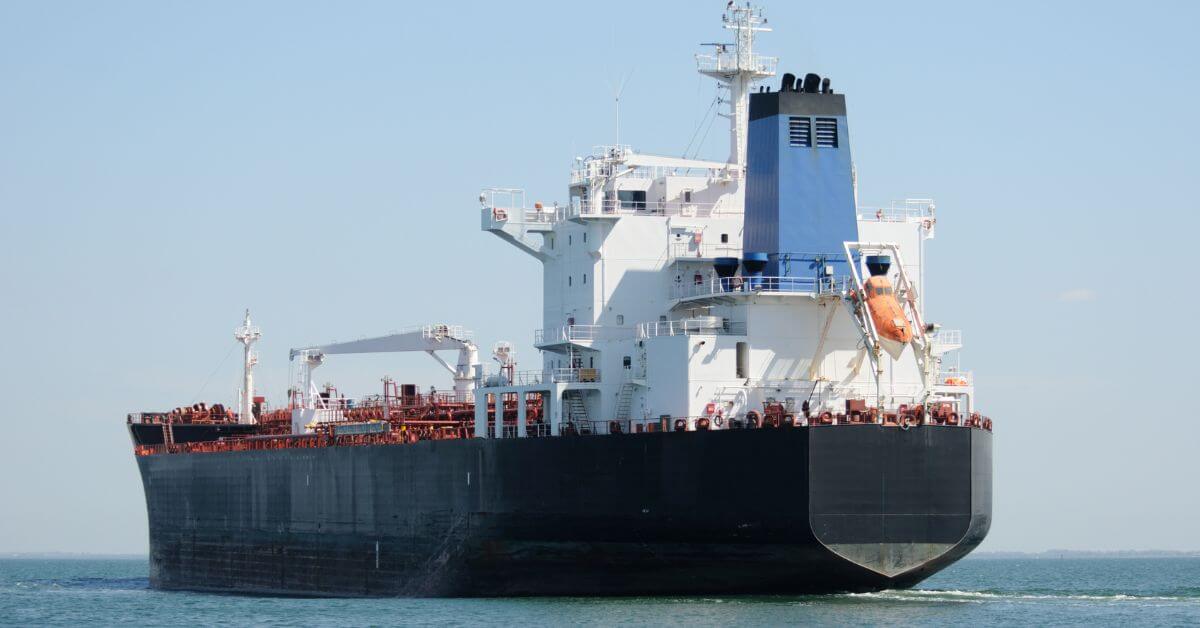
Cyber Intrusion Compromises Oil Tanker Propulsion Off Texas Coast
A fully loaded oil tanker lost propulsion control off the Texas coast this summer after hackers breached its digital steering systems. This is not a theoretical risk. The incident confirms what maritime security experts have long warned: critical ocean infrastructure remains dangerously exposed. Understanding drives protection, and this event demands we integrate cybersecurity into our ocean intelligence frameworks. For deeper context on evolving maritime threats, see our coverage of the Black Sea tanker fire.
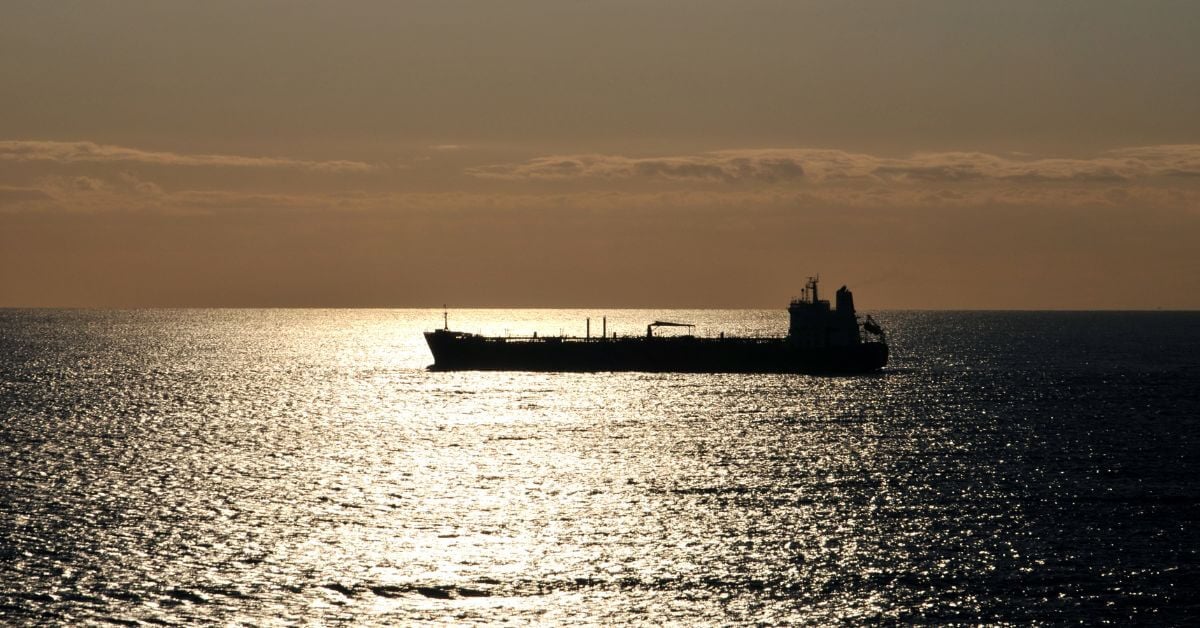
Projectile Strike on Tanker Off Qatar Coast Yields Reported Casualties
Multiple projectiles struck an oil tanker off Qatar's northern coast, with casualties now reported among the crew. This attack adds a dangerous new dimension to maritime insecurity in a region already strained by rising tensions. Understanding these threats requires calibrated, real-time observation of shipping lanes and geopolitical shifts. For deeper context on regional instability, read our coverage of rising Strait of Hormuz tensions and Iran's new maritime restrictions.
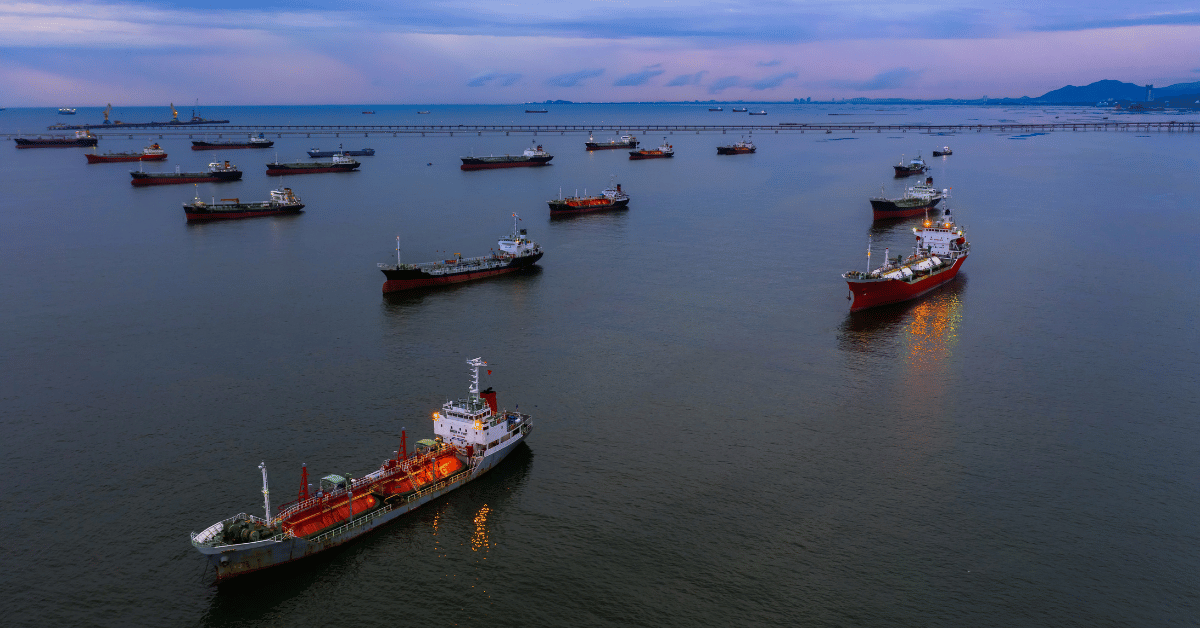
Verified data confirms 20 million barrels transit Hormuz despite Iranian claims
Twenty million barrels of oil have transited the Strait of Hormuz this week, verified by US Central Command, directly countering Iranian claims that the waterway is closed to shipping. This empirical data underscores a dangerous gap between rhetoric and reality in one of the world's most critical maritime chokepoints. The region's volatility demands measured, evidence-based responses. Our coverage of the *Strait of Hormuz tanker fire* offers deeper context on the human cost of these tensions.
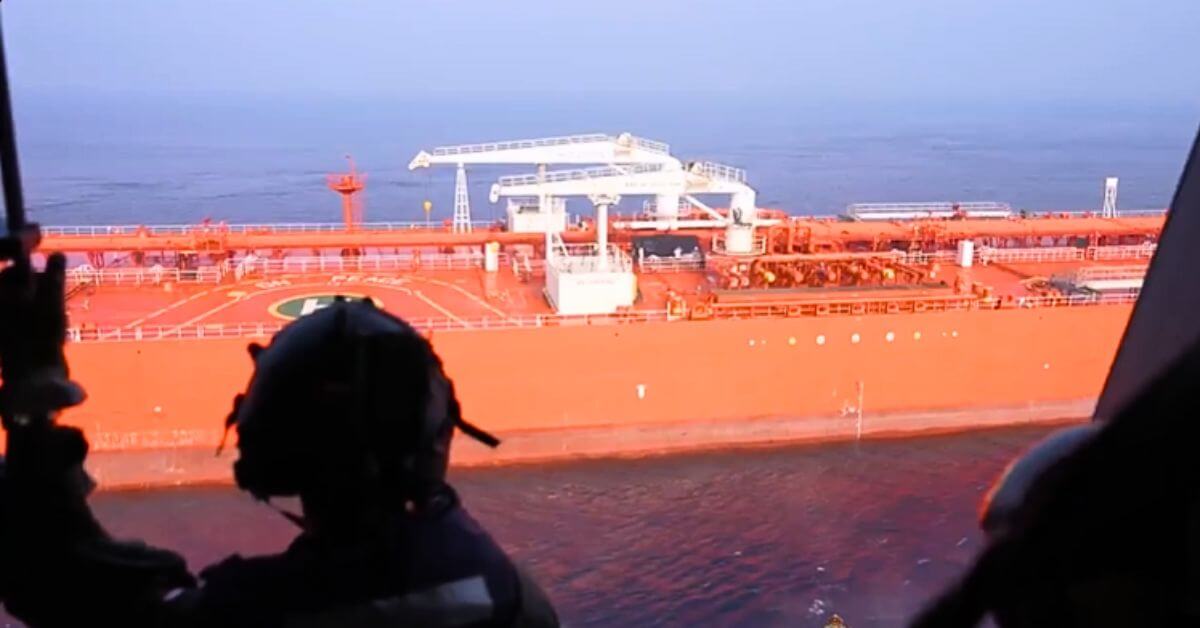
Injured crew evacuated after fire erupts aboard tanker in Strait of Hormuz
A fire and an attack on a tanker in the Strait of Hormuz injured 12 of its 19 crew members, prompting an evacuation confirmed by Oman's Ministry of Defence. This is not an isolated incident. The same volatile waters that demand calibrated maritime security now test the resilience of global trade routes. For deeper context on regional diplomatic efforts, see our coverage of "India Proposes Measured Maritime Truce to Protect Black Sea Shipping."
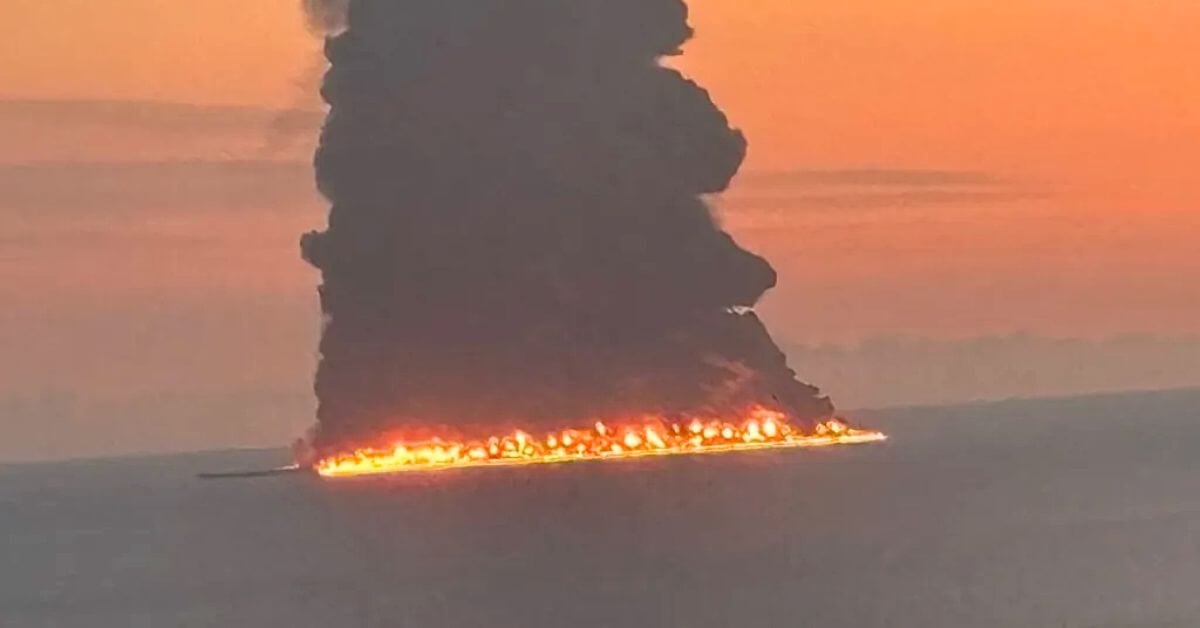
Black Sea incident raises urgent questions on maritime safety and climate risk
A fire aboard a Liberian-flagged oil tanker off Sochi this week is more than a maritime incident, it is a measurable climate indicator. Twenty-three Indian crew members faced immediate danger in the Black Sea, a region already strained by geopolitical tensions and environmental stress. We connect this event to our coverage of the *Two Killed as Corn Freighter Sinks in Black Sea After Drone Strike*, reinforcing that safety at sea now requires integrated risk assessment. Validated data, not alarm, must guide our response.
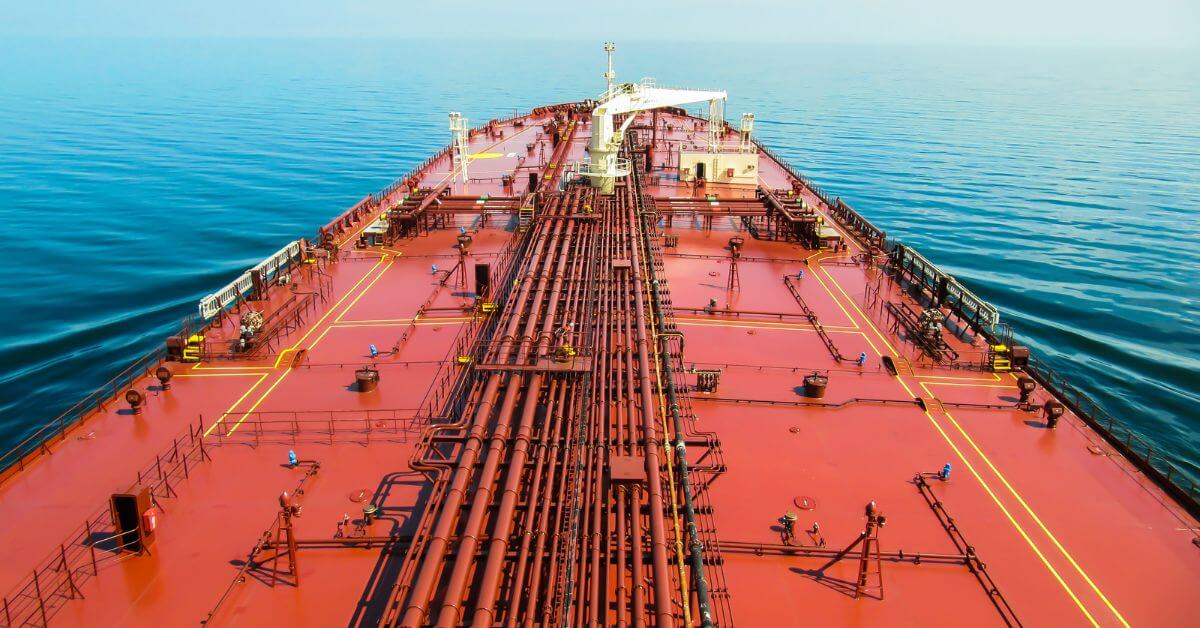
2 million barrels of crude move beyond the Strait of Hormuz in a calibrated shift
A calibrated movement of two million barrels of Iraqi crude has cleared the Strait of Hormuz, executed by the state-owned Iraqi Oil Tanker Company aboard a very large crude carrier. This is not a routine shipment; it is a measured exercise in strategic logistics. As naval defense evolves in the region, covered in our related reporting on laser deterrence, these shifts in energy transit demand the same empirical attention. Understanding drives protection.
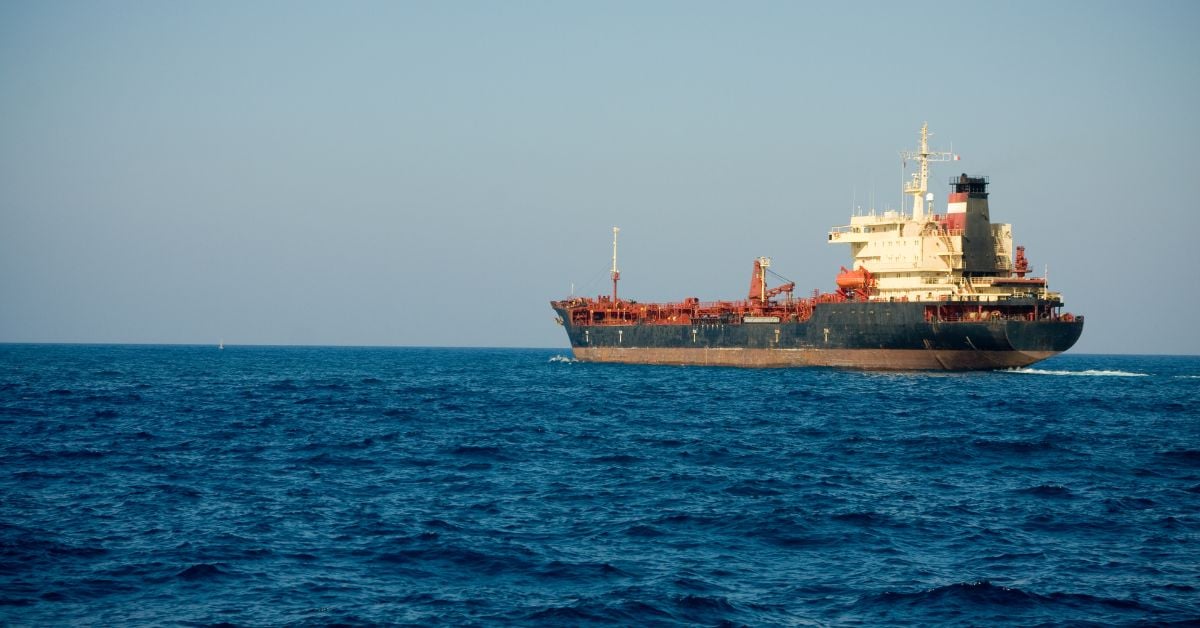
Five seafarers killed as pirates open fire on hijacked tanker during rescue
Five seafarers killed as pirates opened fire on a hijacked tanker during a rescue operation. The vessel carried 17 crew members; five were shot. Among the deceased: three from Pakistan, one from Myanmar, one from India. This is not an abstract risk, it is the human cost of failing to secure global shipping lanes. Our related coverage, "New Coalition Charts Measurable Course for Safer Global Shipping," examines one emerging framework for change. Measurable action, not rhetoric, is what these crews deserve.
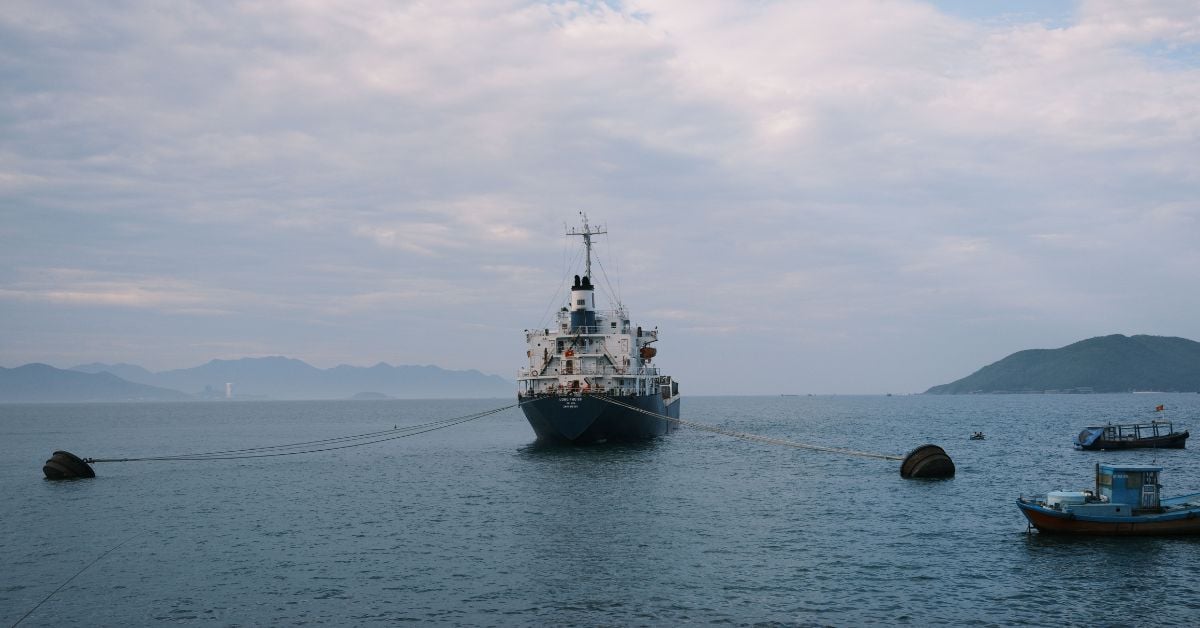
Iraqi Clan Retakes Hijacked Tanker in Five-Hour Gulf of Aden Action
A five-hour firefight in the Gulf of Aden ended with an Iraqi clan retaking a hijacked tanker from Somali pirates. This is not state-led naval intervention; it is tribal action with measurable results. The Al-Shaghanba clan demonstrated that localized force, when calibrated and decisive, can succeed where broader operations often stall. Such empirical outcomes challenge assumptions about maritime security. For deeper context on regional interdiction efforts, see our coverage of "Puntland Forces Intercept Hijacked, US-Sanctioned Oil Tanker After 48 Hours."
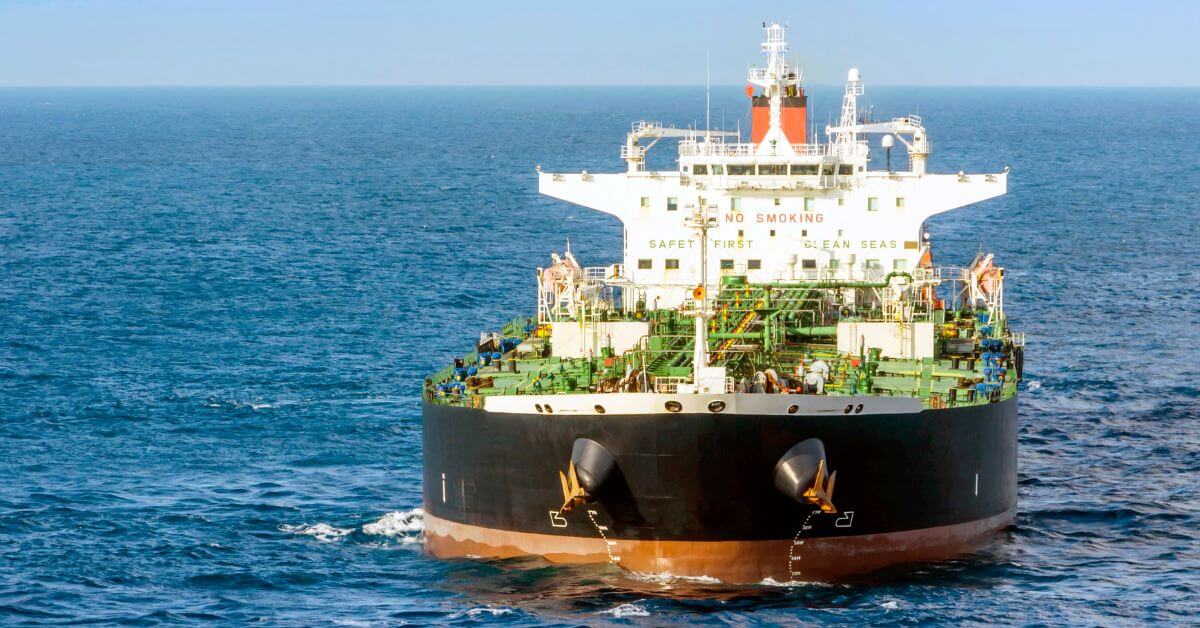
Puntland Forces Intercept Hijacked, US-Sanctioned Oil Tanker After 48 Hours
Puntland forces have ended a 48-hour standoff, intercepting a US-sanctioned oil tanker hijacked by Somali pirates off the Somali coast. The operation underscores the growing security challenges in regional waters, where illicit maritime activity threatens both trade and stability. This rescue reflects a pragmatic use of force and coordination, a reminder that ocean intelligence is as much about security as it is about data.
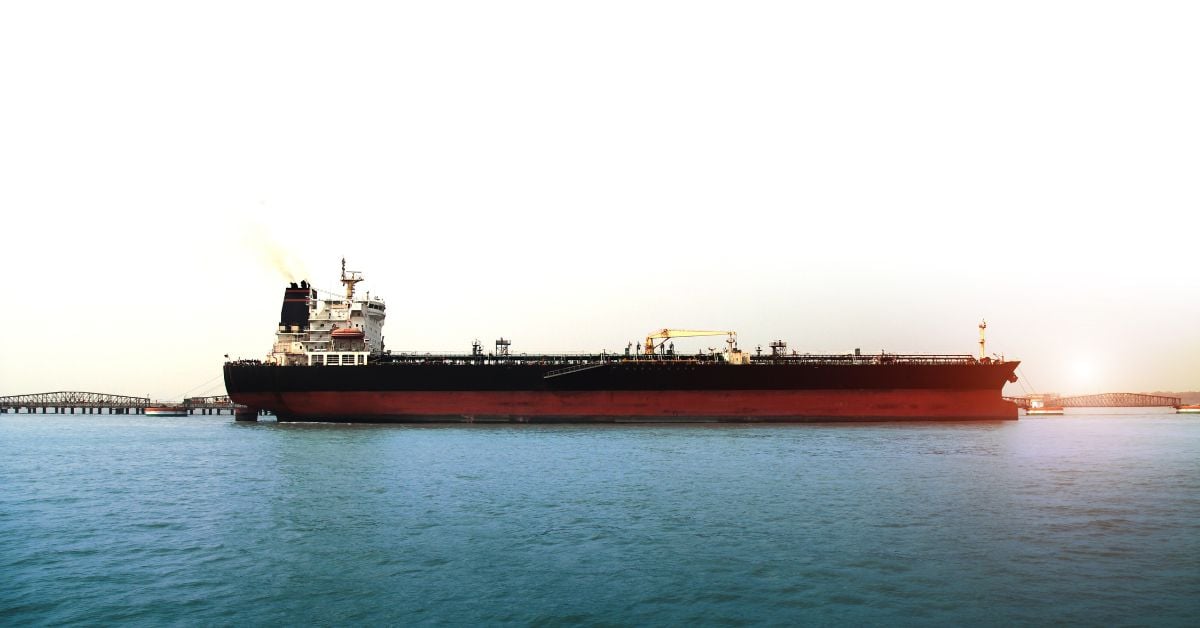
Strait of Hormuz: Conflicting Reports of Vessel Detentions Raise Tensions.
The Strait of Hormuz is once again a flashpoint, with the UKMTO flagging a separate incident involving a vessel in its waters. Conflicting reports of detentions are doing little to calm a region already bracing for disruption. These are not abstract metrics; they are real-world friction with global consequences. The situation demands precise, empirical monitoring, not alarmism.
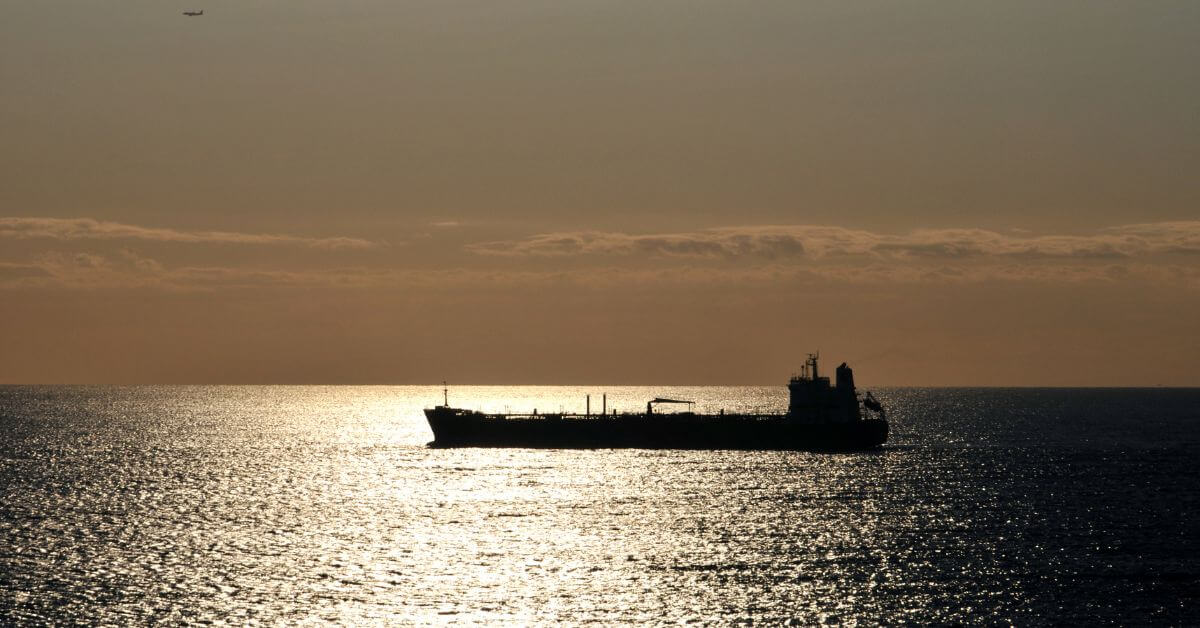
Disputed Incident: U.S. Challenges Iran's Account of Tanker Attack
The United States has rejected Iran's account that the Panama-flagged oil tanker El Gaia struck a naval mine in the Strait of Hormuz, casting further doubt on a waterway already strained by diplomatic friction. Attribution matters here, and so does verification. Disputed incidents like this one do not clarify; they complicate. The stakes are measurable, and the margin for error is thin.
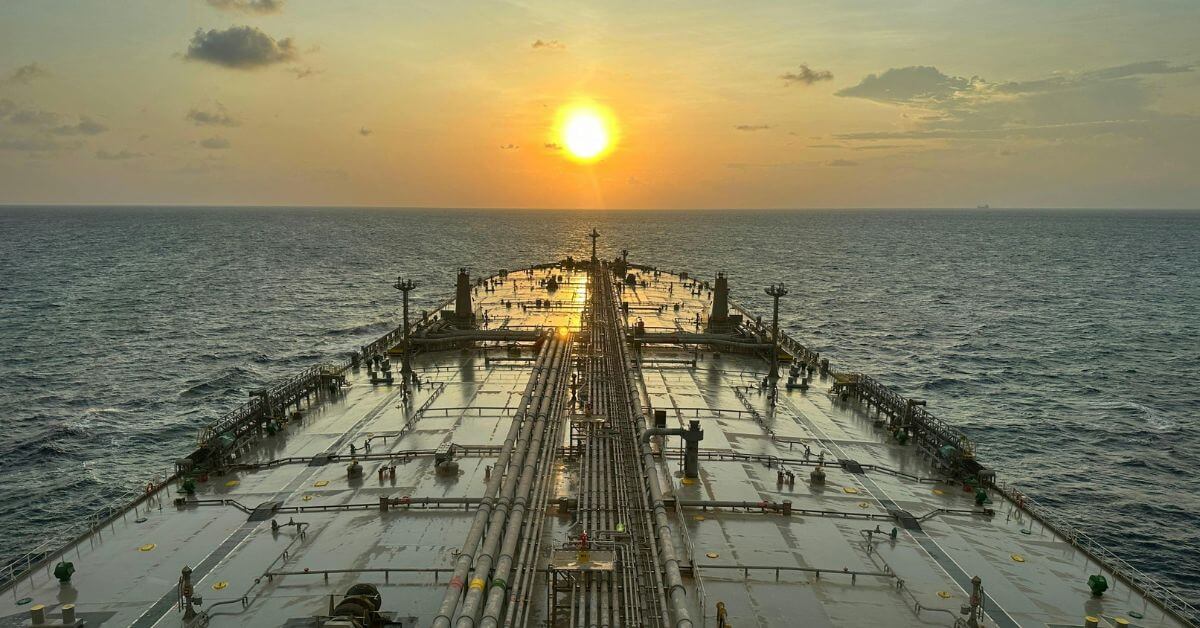
Incident Aboard Tanker Near Dubai Results in Fatality, One Missing.
A single death and a missing crew member now mark an incident aboard a tanker at anchor near Dubai. Peninsula confirmed the fatality but has not disclosed its cause. Maritime safety demands transparency, and the silence here is notable. For broader context on recent vessel emergencies, readers may turn to our coverage of the cargo ship fire near Mykonos. Each incident underscores the persistent risks at sea and the need for rigorous, empirical investigation.
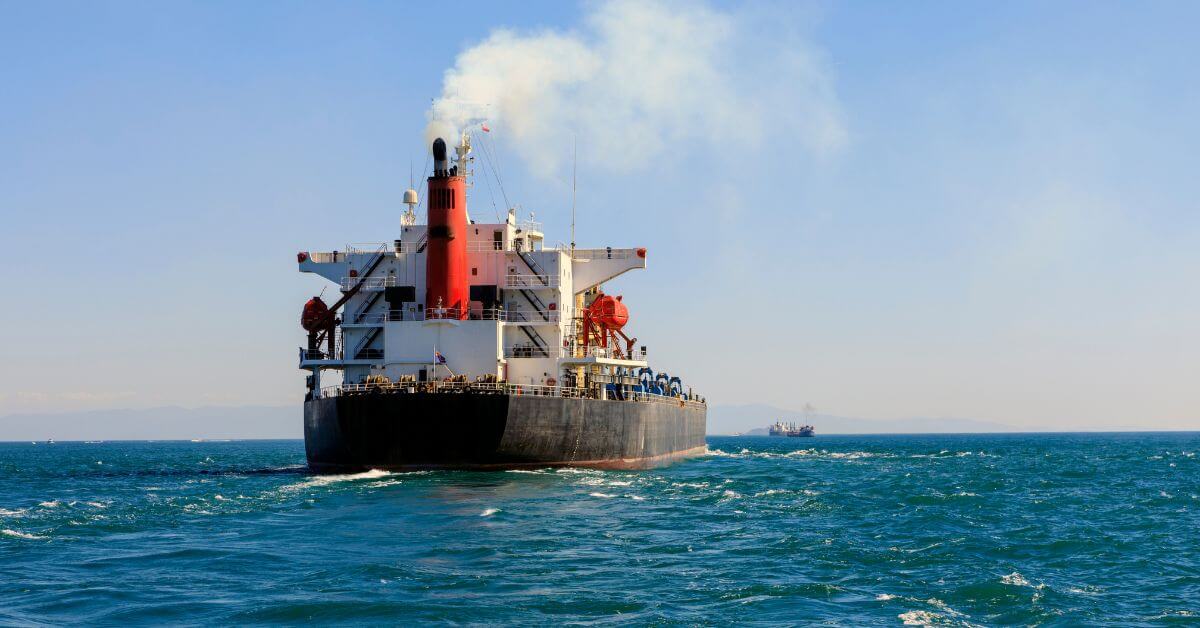
Freight Dispute Impacts Hunter’s Financial Performance, Reporting Significant Shortfalls
A six-month freight dispute has cost Hunter a measurable $19.59 million in just two months, $9.22 million in April and $10.37 million in May. These are not projected losses; they are validated shortfalls that reveal how prolonged commercial conflict directly undermines financial performance. When supply chains seize, the cost to operations becomes empirically clear. For deeper context on regional shipping pressures, see our related coverage of "Gulf of Oman STS Transfers Max Out Amid Rising Saudi Oil Exports."
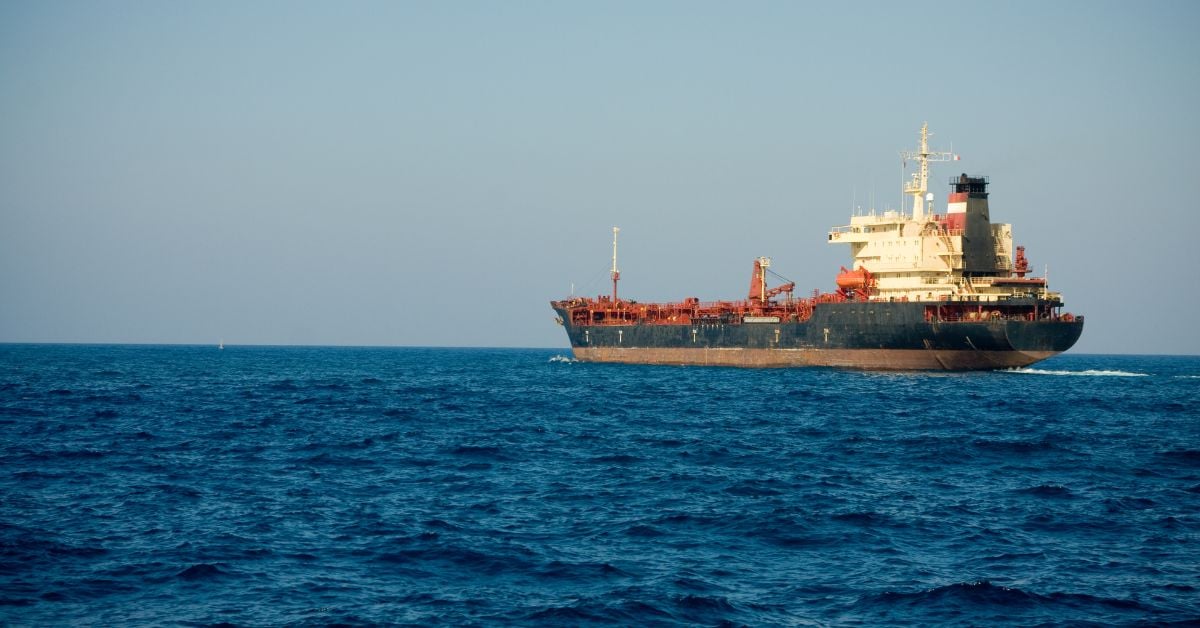
Collision Investigation: Captain and Officer Face Negligent Homicide Charges
The arrest of the ALSU's captain and 3rd Officer on negligent homicide charges marks a decisive turn in the collision's aftermath. Police acted with purpose, holding command accountable for a tragedy that demands answers. This is not about assigning blame prematurely; it is about measuring responsibility against empirical evidence. When lives are lost at sea, the standard must be exacting. For context on maritime risks, our coverage of the cargo ship fire near Mykonos underscores how quickly operations can escalate.
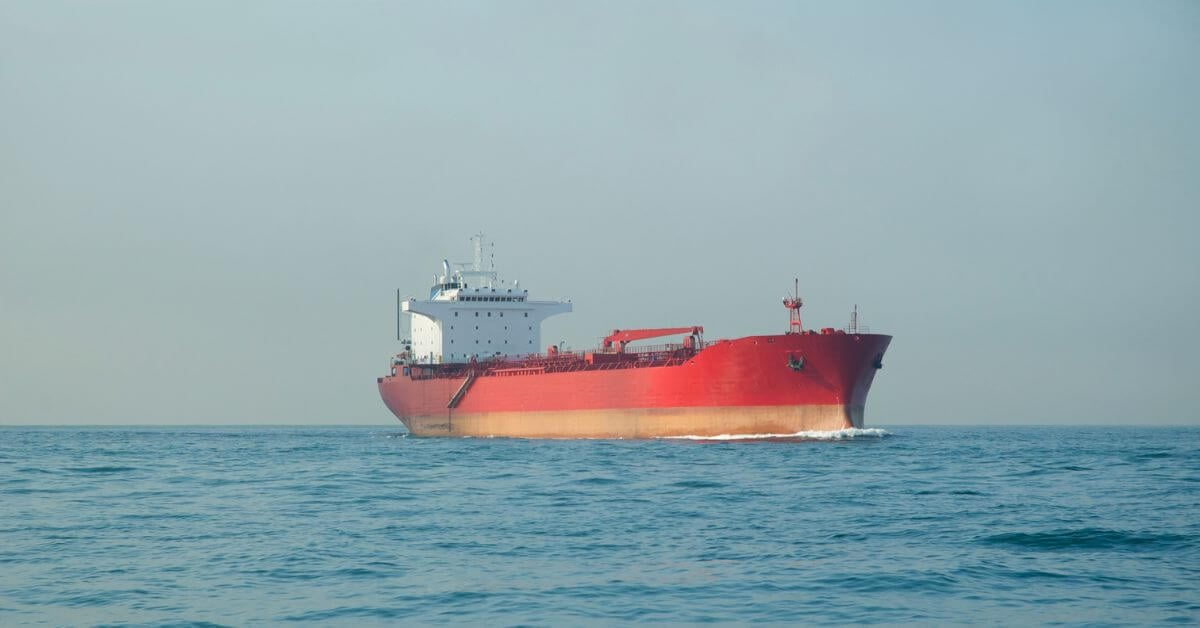
Strait of Hormuz Attack Claims Lives of Two Filipino Seafarers
Three projectiles struck a tanker leaving the Strait of Hormuz on Aug. 31, claiming the lives of two Filipino seafarers, according to the UK Maritime Trade Operations. The attack underscores a volatile corridor where commercial risk and geopolitical friction converge. Every incident here carries measurable human cost, not just tonnage delays. For context on how regional dynamics shape these waters, our coverage of phased negotiations to ease Strait restrictions offers a deeper look at what is at stake diplomatically.
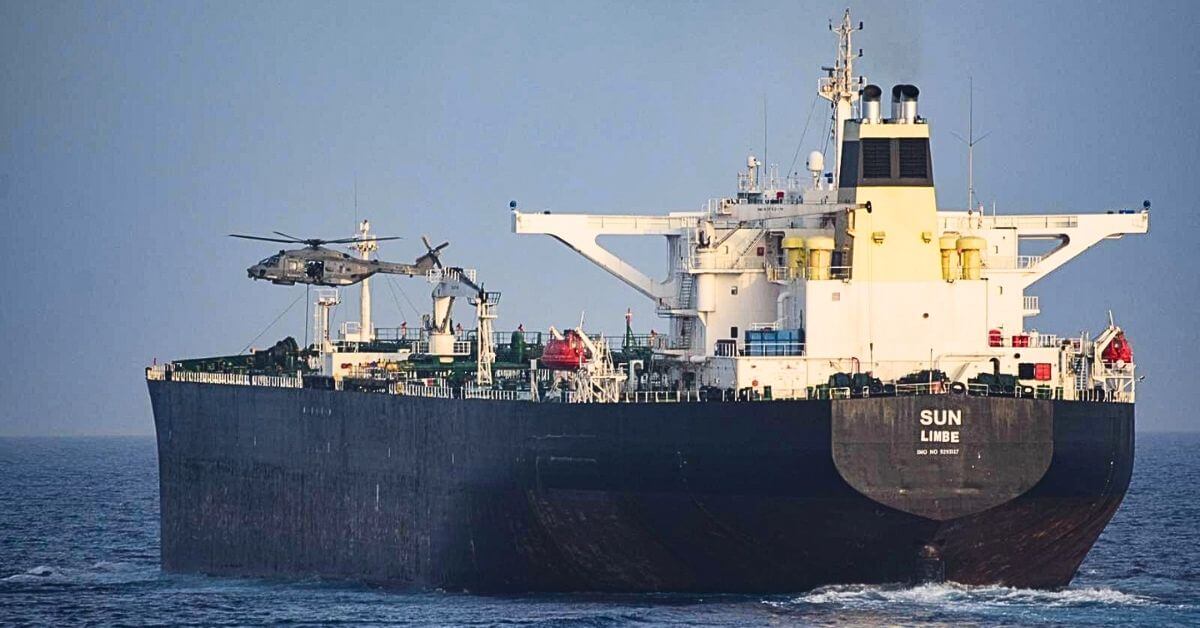
Maritime Security: Inspections Target Vessels Suspected of Shadow Fleet Activity
Maritime authorities from France, Sweden, Belgium, and Britain have boarded or seized vessels suspected of shadow fleet activity, tightening the net on opaque operations in European waters. These inspections signal a calibrated, intelligence-led response to a threat that hides in plain sight. Enforcement like this is how rules endure. For a closer look at how maritime incidents unfold under pressure, see our coverage of the cargo ship fire near Mykonos. Vigilance, measured and consistent, remains the anchor of ocean security.
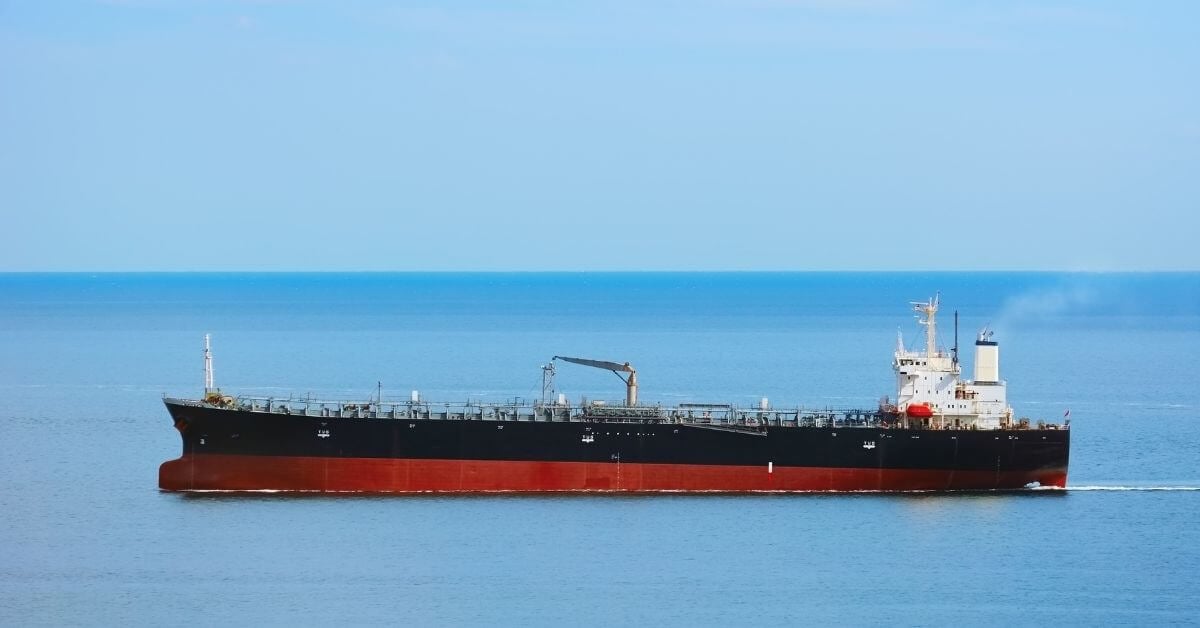
Fatal Fire Aboard Oil Tanker Highlights Maritime Safety Concerns
At 10:38 p.m. on Aug. 27, a fire broke out aboard a 7,000-ton-class Korean oil tanker approximately 7.4 kilometers north of Jawoldo in Ongjin County, underscoring the persistent risks facing maritime operations. The incident, which involved a fatal outcome, demands rigorous scrutiny of existing safety protocols. Vessel fires remain among the most preventable yet devastating emergencies at sea, and this tragedy reinforces the need for continuous, empirical improvements in crew training and vessel design.
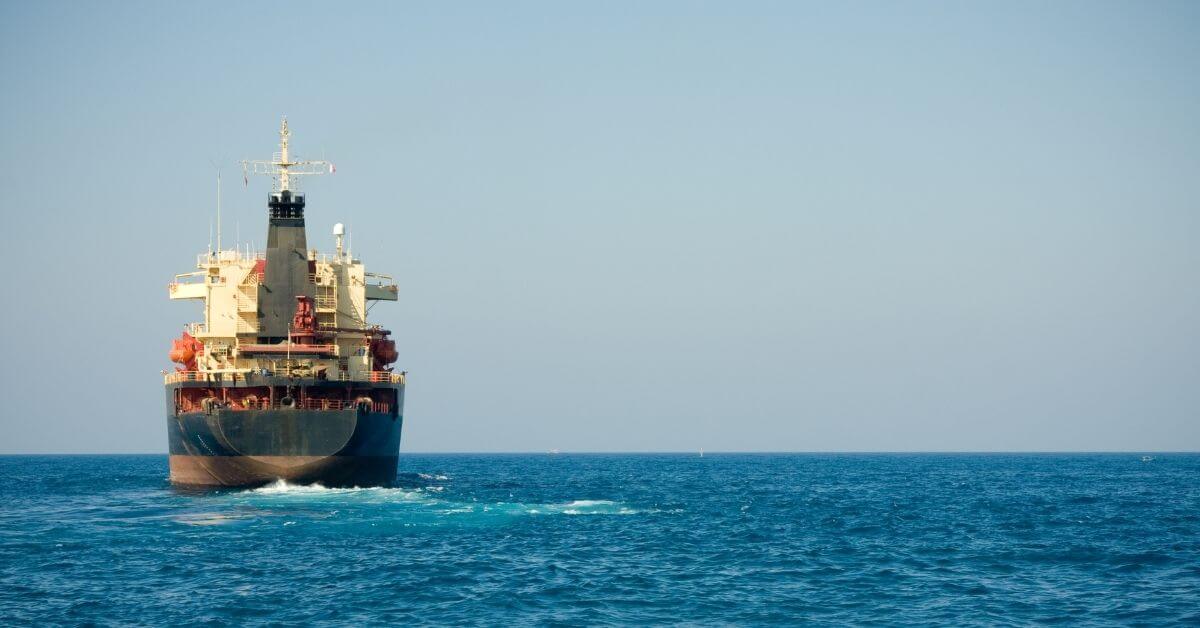
Tanker Diverts Amid Iranian Warship Warning in Strait of Hormuz
The HAANA's diversion in the Strait of Hormuz, after a large Iranian warship issued a warning, underscores how fragile this waterway has become. The vessel's pivot to the southern "Oman corridor" is a measured response to a volatile moment, yet it speaks to a broader tension that shippers cannot ignore. We see this as a reminder that maritime routes demand constant recalibration.

Red Sea Shipping Disrupted: Missile Strike Impacts Oil Tanker Near Yanbu
A ballistic missile strike has disrupted shipping near Yanbu, with the Houthis reporting that the tanker Amzan, operated by Bahri, was hit. The incident underscores how fragile Red Sea transit has become for energy flows. This is not an isolated disruption; it follows reports of Gulf of Oman STS transfers maxing out amid rising Saudi exports. The interconnected pressure on these routes demands attention.