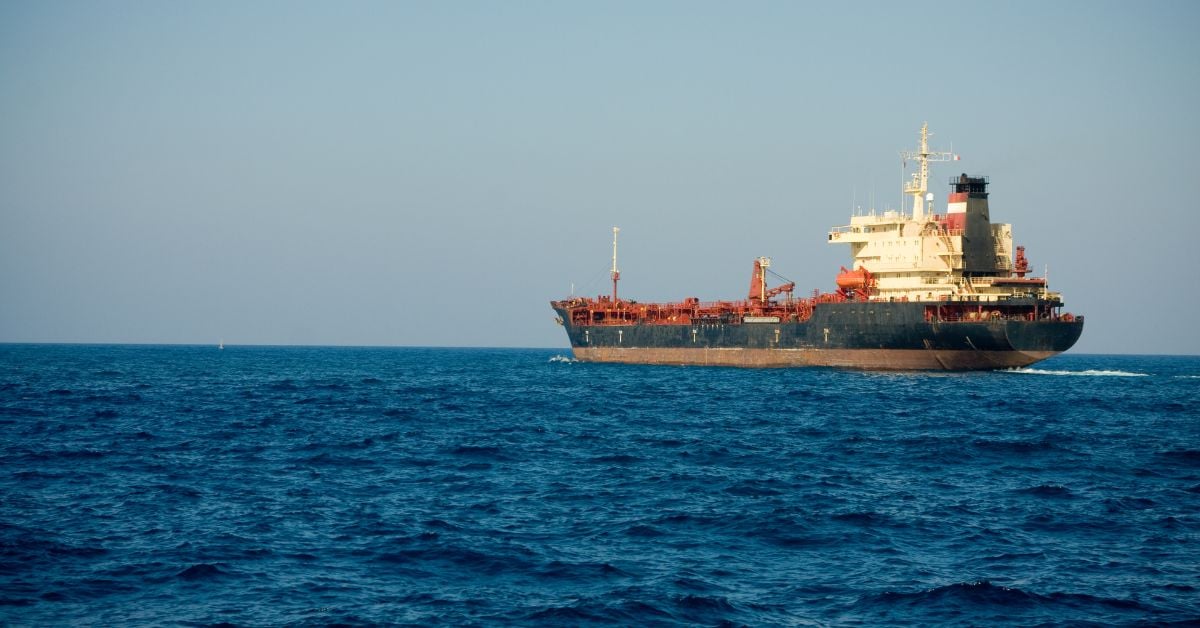
The arrest of the captain and third officer of the oil tanker ALSU on charges of negligent homicide marks a decisive turn in the investigation of a collision that should never have happened. This is not a moment for vindication, but for calibration. When a vessel of this size and purpose is involved in a collision, the question is never whether human error played a role; it is whether the systems designed to prevent such errors were followed with the rigor that maritime safety demands. The charges signal that investigators believe the answer is no, and that belief carries weight.
This incident does not exist in isolation. The maritime industry is currently wrestling with a series of high-stakes failures, from the Cargo Ship Fire Prompts Evacuation Near Mykonos; Incident Under Investigation that forced 29 people to abandon ship, to the Puntland Forces Intercept Hijacked, US-Sanctioned Oil Tanker After 48 Hours, which laid bare the vulnerabilities of sanctioned vessels operating in high-risk zones. Each event is a data point, and together they tell a story of systemic strain. The ALSU collision, however, is different because it occurs in a domain where we expect the highest standards of navigation and command. A fire can be caused by mechanical failure; a hijacking is an external threat. A collision on a clear day, or even in challenging weather, is a failure of decision-making, of communication, and of the bridge team's ability to act as a single, integrated unit.
Our take is straightforward: the arrest is necessary, but not sufficient. Criminal charges will hold individuals accountable, and that is important for deterrence and justice. But the industry must treat this as a moment for empirical reflection. Where was the breakdown in the watchstanding routine? Were the phased negotiations aimed at easing restrictions on the Strait of Hormuz a distraction, or was this a routine voyage that simply went wrong? We cannot afford to treat these incidents as isolated human failures. We need the data, the voyage data recorder information, the bridge logs, and the training records, all of it, to be analyzed and shared across the industry. The goal is not to assign blame, but to build an integrated data ecosystem that turns near misses and actual collisions into actionable intelligence.
For our readers, the practical takeaway is this: a criminal charge is a lagging indicator. It tells you what went wrong, but it does little to prevent the next incident. The leading indicators are the procedures, the automation, and the culture of the bridge. If the investigation reveals a pattern of over-reliance on electronic navigation, or a failure to use all available information, then we have a starting point for change. Watch for the investigation's final report. The specific finding on whether the collision was a result of a single mistake or a systematic failure will define the next decade of safety protocols. That is the detail to watch. The court will decide guilt, but the industry must decide what it learns.