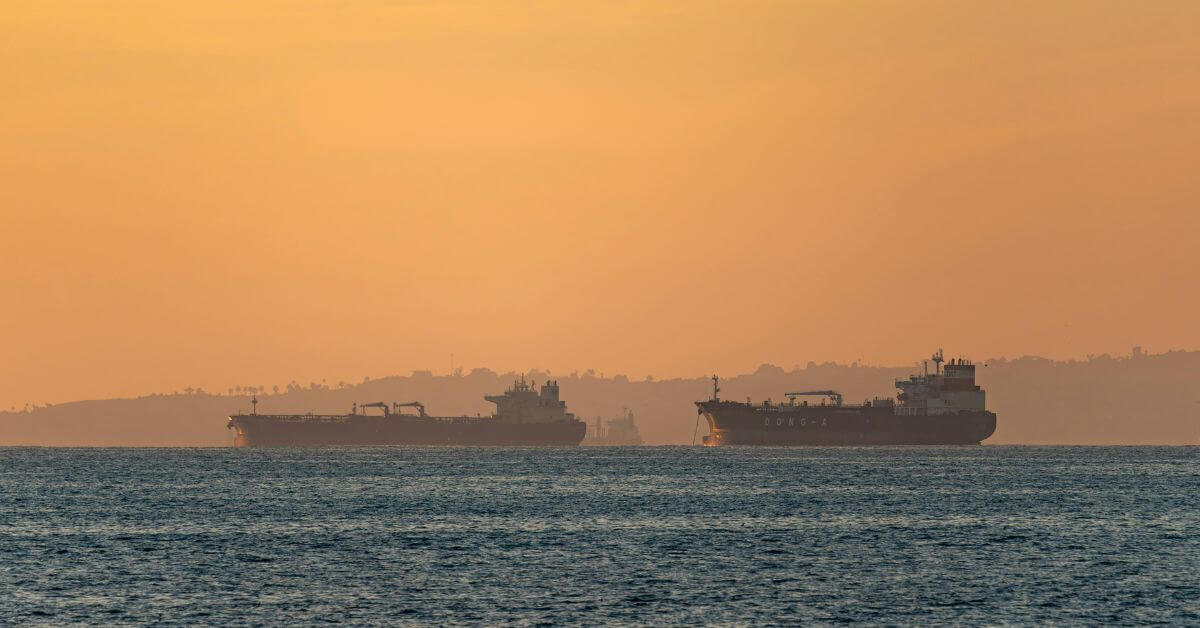
The Black Sea has become a proving ground for a new kind of maritime threat, and the grounding of two damaged tankers near Istanbul this week shows how quickly a single drone strike can cascade into a multi-jurisdictional salvage crisis. The Liberia-flagged oil tanker *BANDA* and the *GRACE ROMAVICTOR* both ran aground off the Turkish coast after severe weather broke their tows, direct consequences of drone attacks they had each suffered weeks earlier near Novorossiysk. This is not an isolated story of bad luck; it is a measurable pattern of vulnerability that demands integrated response planning across the entire region.
For our readers, whether you are a marine insurer, a fleet operator, or a coastal state port authority, the practical takeaway is clear: the window between "attack" and "grounding" is shrinking. The *BANDA* was hit on July 14, lost power, flooded its engine room, and spent five weeks under salvage before being towed to Istanbul. The *GRACE ROMAVICTOR* left under tow on October 12 and broke free in the same storm system that has already damaged other vessels. Compare this with the recent string of October strikes off Bulgaria and Romania, where the *ABLE*, *ALFA WATAN*, *HS Dignity*, and *Chelsea-3* were all hit, and two tankers, *Wine Trader* and *Yara J*, were struck near Romania on October 15 with seven crew reported missing. The geography is no coincidence. As ship-to-ship transfers shift Gulf congestion toward India's western maritime corridor, the Black Sea has become a parallel pressure point where uncrewed systems are actively reshaping commercial risk. The drone attacks are not random; they are concentrated along the approaches to major export terminals, and the resulting disabled vessels become drifting hazards that weather systems can turn into coastal emergencies.
What matters most here is the operational gap that these groundings expose. Turkish authorities responded quickly, deploying the emergency response vessel *Nene Hatun* and Coast Guard teams, and initial checks found no fuel leakage from either tanker. That is good news, but it is also a fragile outcome. The *BANDA* carried six Turkish personnel who were reported safe; the *GRACE ROMAVICTOR* had no crew on board when it went aground near Çilingöz Nature Park. A crewless, disabled tanker drifting in severe weather is a worst-case scenario for any coastal state. The fact that both vessels were being towed under salvage plans designed before the storm hit suggests that current contingency protocols may not account for the compounding effect of drone damage plus seasonal weather. As cargo spill in the Strait of Hormuz scatters consumer goods across shipping lane showed, a single drifting vessel can transform a contained incident into a widespread dispersal problem. The Black Sea's salvage and towing infrastructure needs to be calibrated for a scenario where the vessel itself arrives at the tow point already compromised, without power, and with a reduced or absent crew.
The most concrete detail to watch is the refloating operation for the *GRACE ROMAVICTOR*. The Istanbul Regional Port Authority has begun that work, but the vessel reportedly has no crew and its towline broke in the same conditions that grounded the *BANDA*. If refloating succeeds quickly and cleanly, it will validate the current salvage approach. If it stalls or causes a pollution event, it will force a re-evaluation of how long a drone-damaged vessel can safely remain under tow in fall and winter seas. The empirical data from these two groundings will be essential for updating the integrated data ecosystem that coastal states and insurers rely on to assess risk. Until then, every vessel transiting the Black Sea after a drone strike should be treated as a potential grounding incident waiting for the next storm.