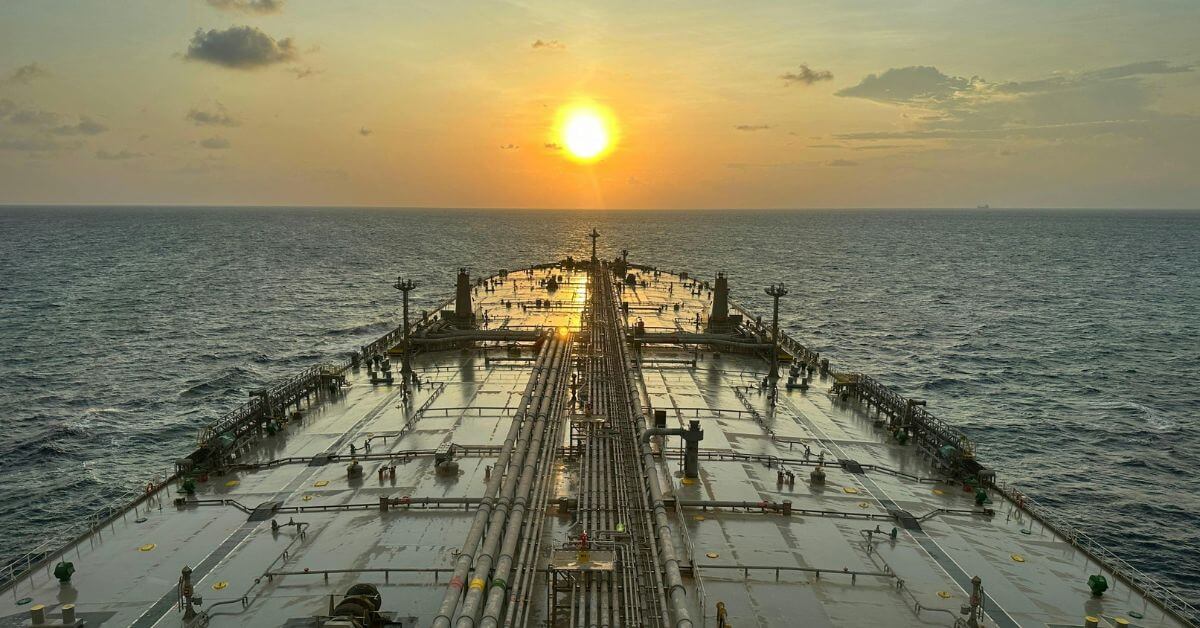
A single fatality and one missing crew member aboard a tanker at anchor near Dubai is a stark reminder that the maritime industry's most persistent threat is not always a storm or a rogue wave. Peninsula confirmed the death but has not disclosed the cause. For those of us who track ocean intelligence, this silence is itself a data point, a gap in the empirical record that demands scrutiny. This incident follows a pattern of recent maritime emergencies that share a common thread: the need for validated, real-time information during crisis response. Consider the Cargo Ship Fire Prompts Evacuation Near Mykonos; Incident Under Investigation, where 29 crew members were forced to abandon a Greek-flagged vessel, or the Bulk Carrier Freed After Prolonged Grounding Near Gladstone, Australia, where a massive ship spent six days aground before being refloated. In each case, the operational timeline, from detection to resolution, was defined by what was known, when it was known, and how reliably that information was shared.
Our take is direct: the lack of a disclosed cause for the Dubai tanker incident is not merely a reporting gap; it is a systemic vulnerability. When a vessel at anchor experiences a fatal event, the maritime community loses a critical opportunity to calibrate its safety protocols. Without peer-reviewed investigation or transparent data from the operator, the industry is left to speculate. This is where an integrated data ecosystem becomes indispensable. If we had longitudinal, real-time monitoring of tanker operations, from bridge activity logs to environmental conditions at the anchorage, we could begin to isolate variables. Was this a security breach, a mechanical failure, or a medical emergency? The answer matters for every fleet operator and policymaker who relies on empirical evidence to prevent the next tragedy.
What we would tell a reader who asks about this story is simple: demand more than a confirmation of death. The maritime sector has the tools, calibrated sensors, satellite tracking, automated incident reporting, to move beyond opaque press releases. The Puntland Forces Intercept Hijacked, US-Sanctioned Oil Tanker After 48 Hours demonstrated that coordinated action can resolve a high-stakes situation, but it also highlighted how much information is withheld from public view during and after such events. In the Dubai case, the absence of a cause leaves a measurable gap in our understanding of risk at anchorages, a gap that could be filled by mandatory data-sharing standards across jurisdictions.
The concrete point to watch is whether Peninsula or relevant authorities release any operational data from the vessel's voyage data recorder or electronic logbooks. If they do, that data can be integrated into climate indicators and safety models that benefit the entire fleet. If they do not, this incident becomes another isolated file in a folder of preventable unknowns. For an industry that measures everything from fuel consumption to cargo stability, the silence around a seafarer's death is a failure of transparency that we cannot afford to ignore.