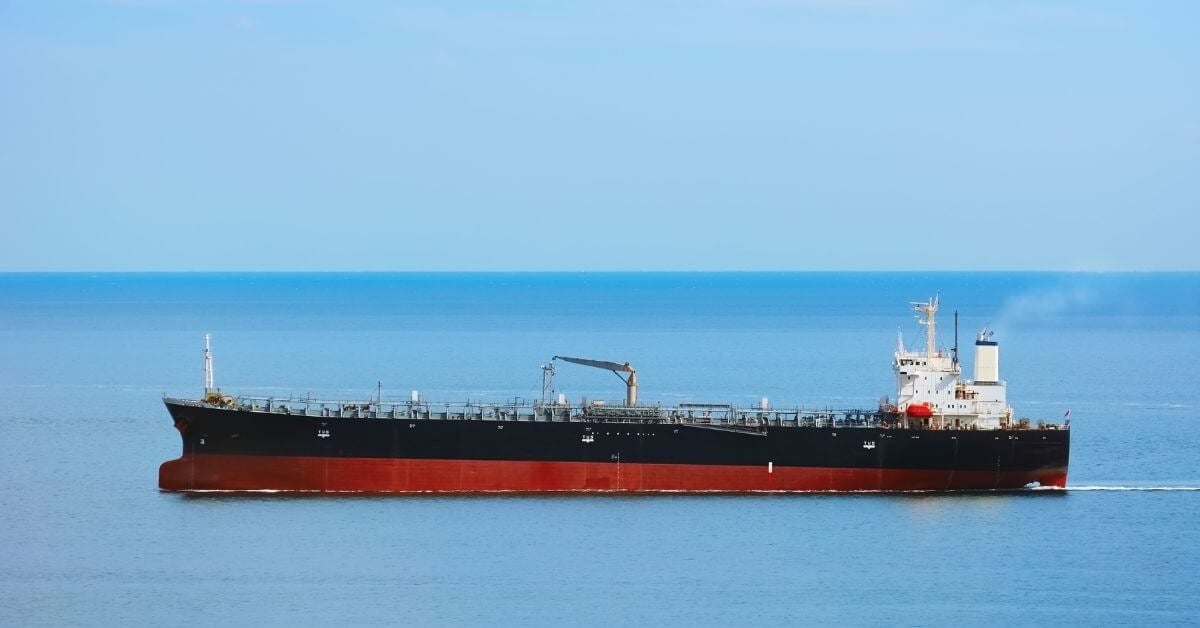
A fire aboard the 7,000-ton-class Korean oil tanker on the night of Aug. 27, roughly 7.4 km north of Jawoldo in Ongjin County, killed two crew members and sent a familiar shudder through the maritime industry. The vessel was carrying oil products when the blaze erupted at 10:38 p.m., and while the immediate response was swift, the loss underscores a pattern that extends well beyond this single incident. Just weeks earlier, a Cargo Ship Fire Prompts Evacuation Near Mykonos; Incident Under Investigation, forcing all 29 aboard to abandon ship. And in a different corner of the ocean, a Bulk Carrier Freed After Prolonged Grounding Near Gladstone, Australia highlighted how quickly routine transits can turn into expensive, dangerous ordeals. These are not isolated failures; they are data points in a larger, uncomfortable pattern.
Our take is not about assigning blame to a single flag state or operator. It is about what these recurring events reveal: that the gap between regulatory intention and operational reality remains dangerously wide. Fire remains one of the most predictable and preventable causes of maritime casualties, yet it continues to claim lives with unsettling regularity. The Mykonos evacuation and the Gladstone grounding each involved different vessel types, crews, and circumstances, yet the throughline is identical. When we see a Puntland Forces Intercept Hijacked, US-Sanctioned Oil Tanker After 48 Hours in the same news cycle, the picture sharpens: the ocean is not failing because of one storm or one rogue actor. It is failing because the systems we rely on, from fire suppression to navigation to security, are only as strong as their weakest link, and too often that link is the assumption that someone else is watching.
For our readers, the practical takeaway is not to wait for the next investigation report. The data we already have, from incident databases, port state control inspections, and peer-reviewed analyses, is sufficient to identify high-risk vessels and routes. The question is whether the industry has the will to act on that intelligence in real time. We would tell any operator or charterer that asks: treat every near-miss as a failure of foresight, not a stroke of luck. Integrate fire detection and suppression drills that simulate actual cargo tank conditions. Re-examine grounding routes with updated bathymetric data. And crucially, do not wait for a hijacking or a fire to revisit your security and emergency response protocols. The Gladstone grounding dragged on for six days; the Mykonos crew had seconds to abandon ship. These are not abstract statistics.
The concrete point to watch is whether any of these incidents results in a substantive change to how tankers are inspected or how crews are trained, particularly around fire response in the cargo area. If the answer is no, then we are resigned to repeating this cycle. If the answer is yes, the next step is to demand transparency: publish the findings, share the lessons, and make the data available for longitudinal study. The ocean rewards preparation, not promises. The crew aboard that Korean tanker deserved better than to be a footnote in a system that already knows better. The rest of us should insist that their deaths are not wasted on another round of well-meaning but unenforced recommendations.