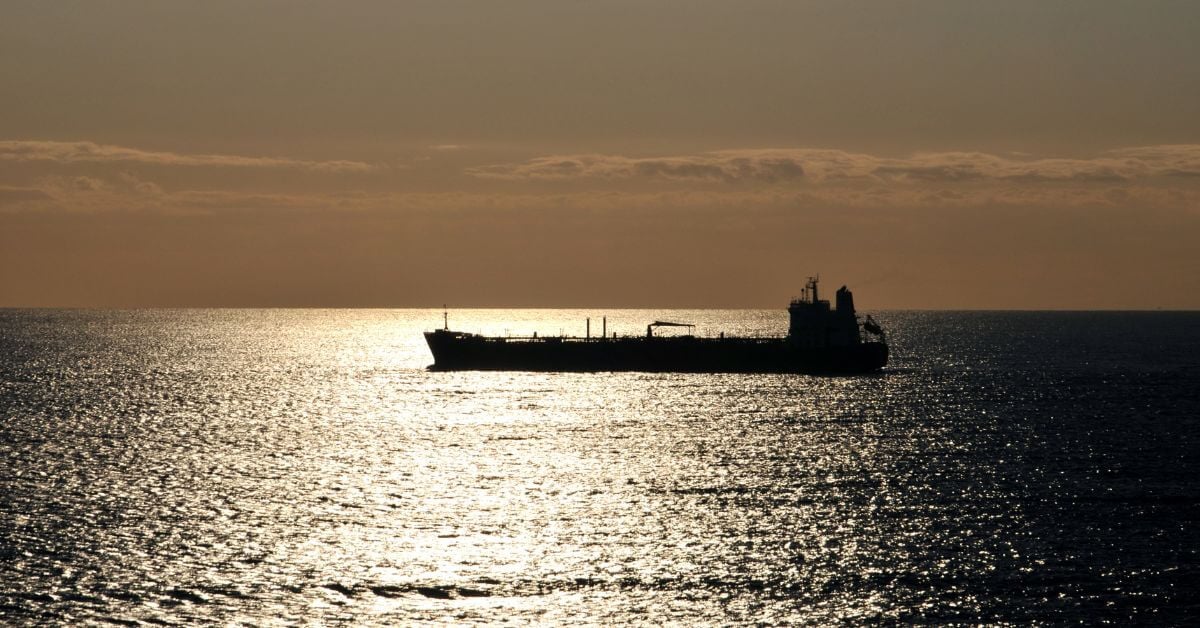
An oil tanker struck by multiple projectiles 51 nautical miles off Qatar's coast, with casualties on board, is not an isolated incident, it is a measurable data point in a deteriorating security environment that the shipping industry can no longer treat as episodic. The United Kingdom Maritime Trade Operations reported the attack in Qatar's exclusive economic zone without naming the vessel, its origin, or the number of casualties. That lack of clarity is itself a signal. When Bulgaria concludes search for missing crew after drone strike in its waters and Strait of Hormuz tensions rise as Iran signals new maritime restrictions, the pattern becomes empirical: the geography of risk has expanded beyond the Strait of Hormuz into the broader Gulf, and the consequences are becoming lethal.
Our take is straightforward: the maritime industry must integrate real-time attack data with vessel routing decisions, not as a reactive measure but as a calibrated, longitudinal risk-management standard. UKMTO recorded nine tanker attacks in the Strait of Hormuz in October alone, half the total for September across the strait and the Gulf combined. That is not a spike; it is a sustained pressure on a chokepoint that moves roughly 20% of global crude oil and liquefied natural gas supplies. Yet Kpler data shows Middle East crude exports averaged 18.3 million barrels per day in the week ending September 30, essentially unchanged from the 18 million barrel pre-war baseline. The market has absorbed the attacks without a supply shock, which creates a dangerous assumption: that the system can continue absorbing them indefinitely.
That assumption ignores what the latest incident implies. A projectile strike in Qatar's exclusive economic zone, well west of the strait, suggests the threat envelope is widening. Operators who have relied on the strait as the sole danger zone now face an integrated risk environment that stretches across the northern Gulf. Risk premiums on global shipping lanes exceed $100,000 per month, a figure that reflects not just the probability of attack but the cost of uncertainty. When a vessel's name, origin, and casualty count go undisclosed, insurers and charterers lack the empirical data needed to price risk accurately. The industry is flying blind on a route that moves one-fifth of the world's oil.
The concrete point to watch is whether the next attack triggers a measurable rerouting of tanker traffic, not just a premium adjustment. If vessels begin avoiding the western Gulf entirely, the logistics chain for Qatari LNG and regional crude faces a structural disruption that no bonus can offset. Until then, the silence from Qatar and the missing details from UKMTO are themselves data, and the industry should treat them as such.