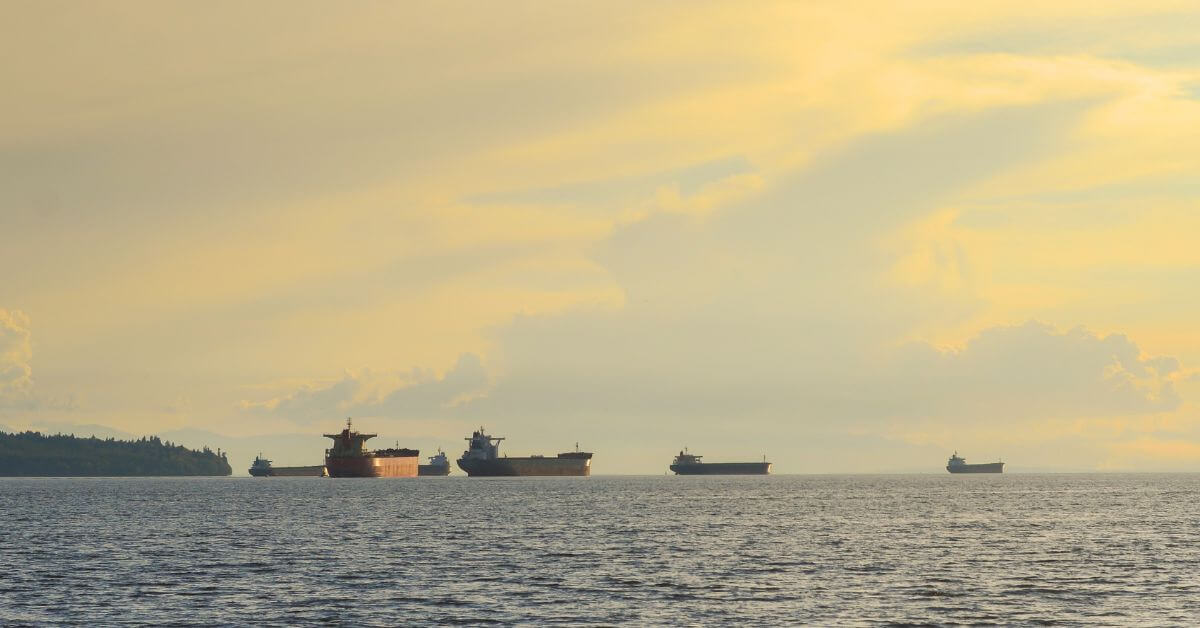
The Strait of Hormuz is not a sideshow in a distant conflict; it is the world's most monitored maritime chokepoint, and the data now confirms what many feared: attacks on commercial tankers have reached their highest weekly count since the US-Iran war began in February. With at least 12 strikes recorded against oil, LNG, and LPG vessels between September 28 and October 5, this is not a temporary spike but a sustained operational reality. For readers who track global energy flows and maritime risk, the takeaway is blunt: the security assumptions that underpinned Gulf shipping for decades have been permanently disrupted.
We have previously documented how Verified data confirms 20 million barrels transit Hormuz despite Iranian claims, showing that export volumes briefly held above pre-war levels in September. That resilience now looks fragile. The latest JMIC reports detail drone overflights, surveillance, and VHF harassment by Iran's Revolutionary Guards targeting tankers carrying oil, LNG, and LPG. These are not random acts; they are calibrated pressure points on a global supply chain. Meanwhile, the IMO's lower count of nine incidents reflects a verification lag, not a quieter sea. The gap between real-time observation and official confirmation is itself a vulnerability for insurers, charterers, and navies trying to assess threat levels.
The human cost is not abstract. Injured crew evacuated after fire erupts aboard tanker in Strait of Hormuz involved 12 injured seafarers and a fire aboard the Panama-flagged *On Peace*. Days later, an unidentified tanker off Qatar's north coast was struck by multiple projectiles, with casualties reported but no numbers released. These aren't just statistics for maritime security briefings; they are working mariners caught in a widening zone of impunity. The UKMTO investigation continues, but the pattern is clear: no vessel type, crude, LNG, or LPG, is spared, and no transit corridor inside the Gulf is reliably safe.
The open question is whether the shipping industry can adapt faster than the threat evolves. Gulf oil exports held above pre-war levels for half of September, but sustained attacks and logistical friction will test that ceiling. We should watch the insurance premium curves for Hormuz transits, and the frequency of flag-state diversions to alternative routes. The Strait remains physically open, but the cost of using it is rising in ways that are measurable, empirical, and now undeniable.